Are you ready to take control of your health and boost your energy levels? A cardio fitness plan can be the perfect starting point for beginners like you.
Imagine feeling more vibrant, shedding those extra pounds, and improving your heart health—all through enjoyable and simple exercises. Whether you’re looking to add more movement to your daily routine or aiming to transform your lifestyle, this guide will show you how to get started effortlessly.
Discover how easy it is to integrate cardio workouts into your life, making fitness not just a goal, but a habit you love. Dive in to learn how to make your fitness journey exciting and achievable!
Benefits Of Cardio Fitness
Cardio fitness offers numerous benefits for beginners. It strengthens the heart, boosts endurance, and aids in weight management. Engaging in regular cardio exercises can transform your health and well-being. Discover how cardio fitness can enhance your life.
Improved Heart Health
Cardio workouts strengthen the heart. They enhance blood circulation. Better circulation reduces heart disease risk. Regular cardio lowers blood pressure. It also decreases cholesterol levels. A healthier heart boosts energy levels. You feel more active daily. Your heart becomes more efficient.
Enhanced Endurance
Cardio improves stamina. You can perform activities longer. Running becomes easier. Swimming feels less tiring. Regular cardio boosts lung capacity. Breathing becomes more efficient. You’ll notice increased energy during the day. Everyday tasks become simpler. You build resilience over time.
Weight Management
Cardio exercises burn calories. They help manage weight effectively. You shed excess pounds gradually. Cardio boosts metabolism. Higher metabolism aids weight loss. Regular workouts tone the body. They improve muscle definition. Cardio supports a healthy weight. It complements a balanced diet.
Setting Goals
Start your cardio fitness journey by setting achievable goals. Focus on building endurance and improving heart health. Small, consistent steps lead to lasting results.
Setting goals is a crucial first step in any cardio fitness plan, especially for beginners. A clear goal can keep you motivated and guide your workouts. But how do you set goals that stick? Let’s break it down into manageable parts.Identifying Personal Objectives
First, ask yourself why you want to start a cardio fitness plan. Is it to lose weight, boost energy, or perhaps relieve stress? Knowing your “why” can make all the difference. Think about your lifestyle and what’s realistic for you. If you’re new to exercise, maybe aim to jog twice a week instead of daily. Remember, your goals should be specific. Instead of saying, “I want to get fit,” say, “I want to run a mile in 10 minutes by the end of the month.”Tracking Progress
Once your goals are set, find a way to track your progress. This keeps you accountable and shows how far you’ve come. You might use a fitness app, a journal, or even a simple calendar. Note each workout and how you felt afterward. Consider setting mini-goals along the way. If your main goal is to run a mile, celebrate when you hit a half-mile. Tracking doesn’t have to be complicated. The key is to consistently record your efforts and adjust if needed. Are you noticing improvements in your endurance? If not, it might be time to tweak your approach or seek advice. Setting and tracking goals can transform your cardio fitness journey. What goals will you set today?Choosing The Right Activities
Choosing the right activities is crucial for a beginner’s cardio plan. Not all exercises suit everyone. It’s important to find what you enjoy. This makes workouts more sustainable. Let’s explore some excellent options.
Walking And Jogging
Walking is a great starting point. It’s easy and accessible. No special equipment is needed. Just comfortable shoes. Start slow. Gradually increase your pace. Jogging adds intensity. It burns more calories. Alternate between walking and jogging. This keeps your routine fresh.
Cycling
Cycling is fun and effective. It strengthens your legs. Improves cardiovascular health. Start with short rides. Increase duration as you get comfortable. Consider using a stationary bike. It’s great for rainy days. Cycling is gentle on joints. Perfect for beginners.
Swimming
Swimming is a full-body workout. It builds muscle strength. Enhances lung capacity. Suitable for all ages. Start with simple strokes. Gradually increase your speed. Swimming is low-impact. Ideal for those with joint issues. It offers variety. Keeps you motivated.
Creating A Workout Schedule
Start a cardio fitness plan with a simple workout schedule. Focus on activities like walking or cycling. Gradually increase time and intensity to build stamina. Consistency is key to developing a solid fitness routine.
Creating a workout schedule is like planning your journey to better health. It gives structure to your cardio fitness plan and helps you stay committed. Whether you’re squeezing exercise into a busy lifestyle or carving out time for a daily routine, having a schedule makes all the difference.Frequency Of Workouts
How often should you work out? Start with three to four times a week. This allows your body time to adjust and recover. Consistent sessions build endurance and prevent burnout. Think about your weekly commitments and find a slot where you can dedicate time to your workouts without interruptions.Duration Of Sessions
When you’re new to cardio, keep sessions manageable. Aim for 20 to 30 minutes per workout. Gradually increase this as you gain strength and confidence. Ask yourself—what can you realistically commit to? Overdoing it can lead to fatigue, while short sessions keep enthusiasm high. Creating a schedule is your first step to success. Consider your energy levels and daily obligations. Are mornings your best time for a burst of energy, or do evenings feel more relaxed for exercise? Tailor your schedule to fit your life, and remember, consistency is key.Warm-up And Cool Down
Starting a cardio fitness plan requires proper warm-up and cool down routines. These routines prepare your body for exercise and help avoid injuries. They also aid in muscle recovery after workouts, ensuring your body remains healthy. Let’s explore effective techniques and the importance of these steps.
Stretching Techniques
Stretching is crucial for your warm-up and cool down. It loosens tight muscles, improving flexibility. Start with dynamic stretches before workouts. These include leg swings and arm circles. They get your blood flowing, readying muscles for action.
After exercising, focus on static stretches. Hold each stretch for 15-30 seconds. This aids in relaxing muscles and reducing soreness. Try touching your toes or reaching for the sky. These stretches help maintain your body’s agility.
Importance Of Recovery
Recovery is vital for your fitness journey. It allows muscles to repair and grow. Proper cool down reduces heart rate gradually. This prevents dizziness or sudden blood pressure changes.
Incorporate breathing exercises to calm your mind and body. Deep breaths relax your system, providing mental clarity. Hydrate well to replenish lost fluids. Water aids in muscle recovery and keeps you energized. Prioritize sleep for optimal recovery. Rest is where muscles rebuild and strengthen.
:max_bytes(150000):strip_icc()/SHAPE-7-cardio-workout-charts12-2000-563763607b3946d0940b4e1d1daba350.jpg)
Credit: www.shape.com
Listening To Your Body
Starting a cardio fitness plan can be exciting and challenging. It’s important to listen to your body. This ensures you maintain a safe and effective routine. Understanding your body’s signals helps prevent injury and burnout. Let’s explore how to recognize and adapt to your body’s needs.
Recognizing Signs Of Overtraining
Overtraining can harm your progress. Watch for signs like fatigue or persistent soreness. Mood swings and trouble sleeping can also be indicators. If you notice these signs, it’s time to rest. Rest helps your body recover and grow stronger.
Adapting To Your Needs
Every person has unique fitness needs. Adapt your cardio plan to fit your lifestyle. If you feel tired, reduce workout intensity. Feeling strong? Gradually increase your exercise time. This flexibility supports long-term success.
Listening to your body encourages a positive fitness journey. It keeps you motivated and engaged. Remember, progress is personal. Celebrate small victories and stay consistent.
Staying Motivated
Starting a cardio fitness plan can be exciting. But staying motivated is challenging. It’s common to lose enthusiasm over time. Keeping your motivation high is crucial. This helps maintain consistency and achieve your goals. Let’s explore how to stay motivated in your fitness journey.
Setting Milestones
Setting milestones can keep you motivated. Break your goals into smaller, manageable tasks. Celebrate each achievement, no matter how small. This provides a sense of accomplishment. It keeps your journey exciting and rewarding. For instance, aim to jog for 10 minutes first. Then gradually increase your time or distance. Each milestone boosts your confidence and motivation.
Finding Support
Finding support is important in your fitness plan. Sharing your goals with friends or family helps. They can encourage and motivate you. Consider joining a fitness group or class. Exercising with others can be fun and inspiring. Online communities also offer support. They connect you with people sharing similar goals. Support from others can make the journey enjoyable.
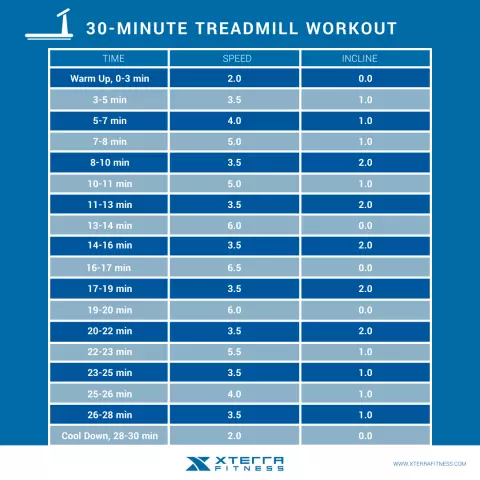
Credit: www.xterrafitness.com
Nutrition For Cardio Fitness
A beginner’s cardio fitness plan benefits from balanced nutrition, fueling energy and endurance. Focus on whole grains, lean proteins, and fresh produce. Hydration supports performance and recovery, while healthy fats aid heart health.
Embarking on a cardio fitness journey is exhilarating, and while exercise plays a crucial role, what you eat can make or break your progress. Nutrition for cardio fitness isn’t just about consuming fewer calories; it’s about providing your body with the right fuel to keep you energized and help you recover. Imagine feeling stronger with each run or workout, as your body thrives on a well-balanced diet. Let’s dive into how you can boost your cardio fitness through smart nutrition choices.Balanced Diet Tips
Your plate should look colorful and inviting. Embrace a variety of fruits, vegetables, lean proteins, and whole grains. Consider adding foods like bananas and oats for energy. They are excellent sources of carbohydrates, which your body needs for those intense cardio sessions. Try incorporating lean proteins like chicken or tofu to aid muscle recovery. Have you ever felt sluggish after a workout? It might be time to rethink what’s on your plate.Hydration Importance
Water isn’t just for quenching thirst—it’s vital for your cardio workouts. Staying hydrated helps maintain your energy levels and prevents muscle cramps. Think about sipping water throughout the day, not just during exercise. Ever noticed how a lack of water can leave you feeling tired and unfocused? Including hydrating foods like cucumbers and oranges can boost your water intake. How does your body respond when you’re properly hydrated? The difference in performance might surprise you. Nutrition is a powerful ally on your cardio fitness journey. Making thoughtful choices can transform your workouts and how you feel. What changes will you make today to fuel your cardio goals?Tracking Your Progress
Start your cardio fitness journey by tracking your progress. Keep a simple journal of your workouts. Note your time, distance, and how you feel. This helps you see improvements and stay motivated. Regular tracking makes it easier to adjust your plan for better results.
Tracking your progress is a crucial part of any cardio fitness plan, especially for beginners. It helps you understand your current fitness level and how far you’ve come. Knowing your progress can boost your motivation and help you stay committed to your fitness goals.Using Fitness Apps
Fitness apps are a game-changer for tracking your progress. They can monitor everything from calories burned to steps taken, making it easy for you to see your improvements. When I started my cardio journey, using an app kept me accountable and excited to achieve my daily targets. Many apps offer personalized workout plans and reminders. This can help you stick to a routine and make exercise a regular part of your life. You might find it satisfying to log your workouts and see the cumulative results over time. Consider trying different apps until you find one that suits your style and goals. Some are free, while others have premium features that might be worth the investment. Have you found an app that keeps you motivated?Regular Assessments
Regular assessments are another effective way to track your progress. You can do this weekly or bi-weekly, depending on your schedule and goals. Assessments can include measuring your heart rate, distance run, or the duration you can sustain an activity. When I began assessing my progress, I realized that small improvements added up over time. You might not notice changes daily, but over weeks, the difference can be significant. Keep a simple log of these assessments in a notebook or digital document. This can highlight trends and patterns you might otherwise miss. Are you surprised by how much progress you’ve made when you look back at your logs? Tracking your progress through fitness apps and regular assessments can transform your cardio fitness journey. It keeps you informed and motivated, ensuring you’re always moving towards your goals.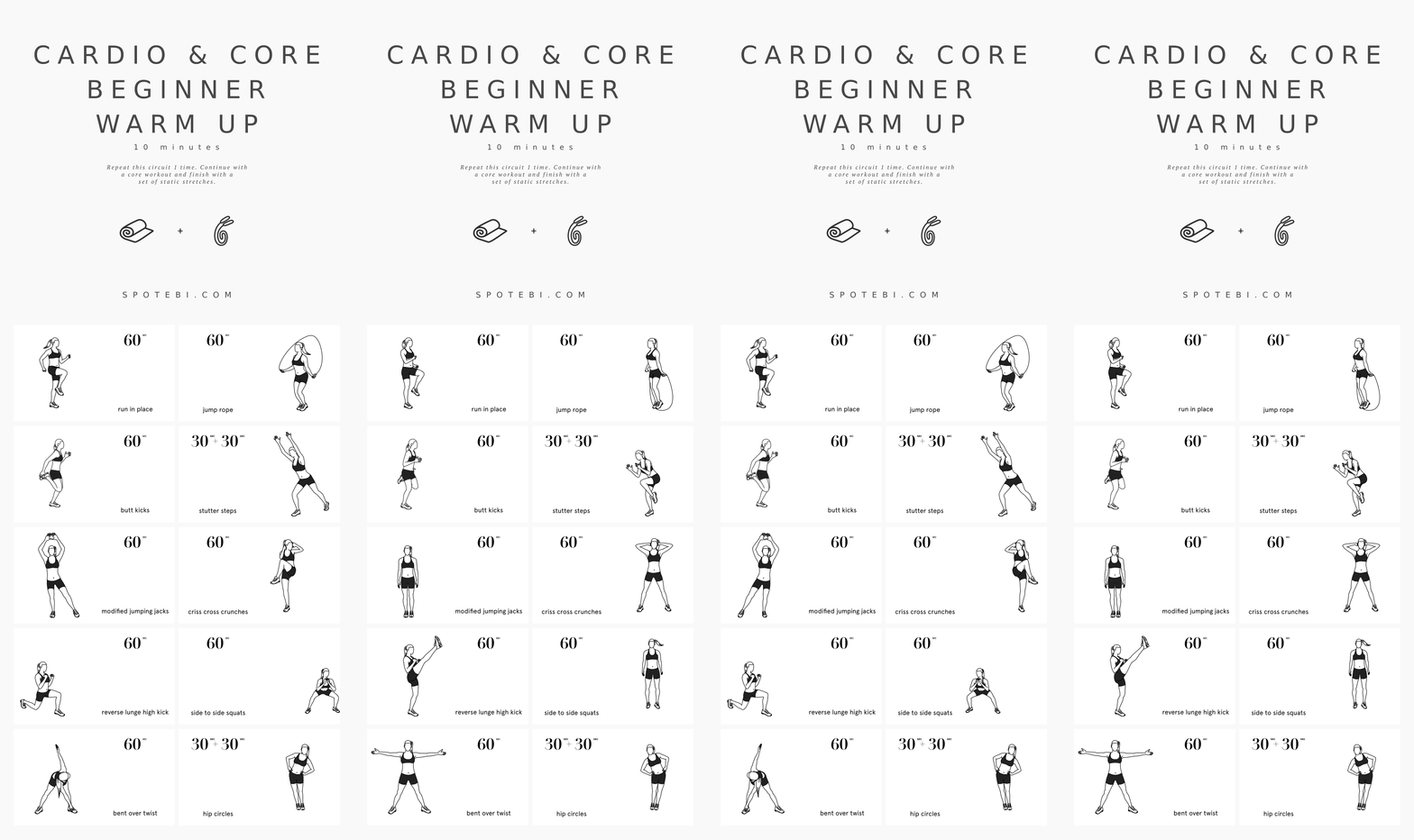
Credit: www.ordinary-times.com
Frequently Asked Questions
What Is A Good Cardio Schedule For Beginners?
Start with 20-30 minutes of moderate cardio, like brisk walking, 3-5 times weekly. Gradually increase intensity and duration. Incorporate variety such as cycling or swimming to keep workouts engaging. Always listen to your body and ensure proper warm-up and cool-down.
Consult a physician before beginning any exercise program.
What Is The 3 2 1 Method Cardio?
The 3 2 1 method cardio involves three minutes of strength training, two minutes of cardio, and one minute of core exercises. This routine is repeated in cycles to enhance fitness and promote fat loss.
How Much Cardio Should A Beginner Do A Day?
Beginners should aim for 20 to 30 minutes of moderate-intensity cardio daily. Gradually increase duration as fitness improves. Prioritize consistency and listen to your body to avoid overtraining. Always consult a healthcare professional before starting a new exercise routine.
Is 20 Minutes Of Cardio A Day Enough?
20 minutes of daily cardio can improve cardiovascular health and support weight management. Consistency is key for benefits. It’s ideal to pair with strength training for balanced fitness. Adjust intensity based on individual goals and fitness levels. Always consult a healthcare provider for personalized advice.
Conclusion
A beginner cardio fitness plan sets the stage for better health. Start with simple exercises like walking or cycling. Gradually increase intensity and duration. Listen to your body and stay consistent. This helps you build endurance over time. Celebrate small achievements to stay motivated.
Remember, consistency is key. Hydration and proper rest support your progress. Regular cardio boosts heart health and energy levels. Enjoy the journey to improved fitness. Keep pushing forward. Your efforts will pay off. Stay patient, and results will follow. Embrace a healthier lifestyle with confidence.
You’ve got this!