Classic fit is roomier; regular fit is slightly trimmer with mild taper.
If you are torn on classic vs regular fit, you are not alone. I have fit hundreds of clients and seen how the right cut changes how you look and feel. This guide breaks down classic vs regular fit with clear steps, real examples, and pro notes you can use today.
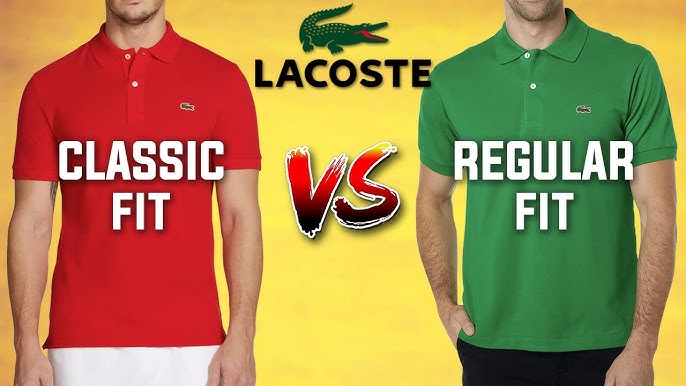
What Do Classic Fit and Regular Fit Mean?
Classic fit gives you more room in the chest, waist, seat, and thigh. It keeps a straight line through the body. Think comfort and ease of movement. It is easy to wear and easy to style.
Regular fit is a touch neater than classic fit. It keeps comfort but trims extra fabric. You get a light taper. It looks clean without feeling tight.
Brands use these terms in their size charts. But measurements can shift by brand. Always check the model notes and the garment measurements. The heart of classic vs regular fit is ease. How much extra space sits between your body and the cloth.

Key Measurement Differences: Shirts, Pants, Suits
Classic fit shirts
- Chest ease is often about 5 to 7 inches over body size. This creates drape.
- The body is straight. The waist is not pulled in.
- Armholes are lower. Sleeves have more room.
Regular fit shirts
- Chest ease is often about 3 to 5 inches. Less extra room.
- A mild taper at the waist shapes the torso.
- Armholes may be a bit higher for a cleaner line.
Classic fit pants
- Seat and thigh are full. The leg is straighter.
- Rise may be a hair higher. You feel secure when you sit.
- Hem opening is wider for a balanced look.
Regular fit pants
- Seat and thigh have modest room. There is light taper to the knee and hem.
- Rise can be mid. The look is tidy without squeeze.
- Works well with both sneakers and dress shoes.
Suits and sport coats
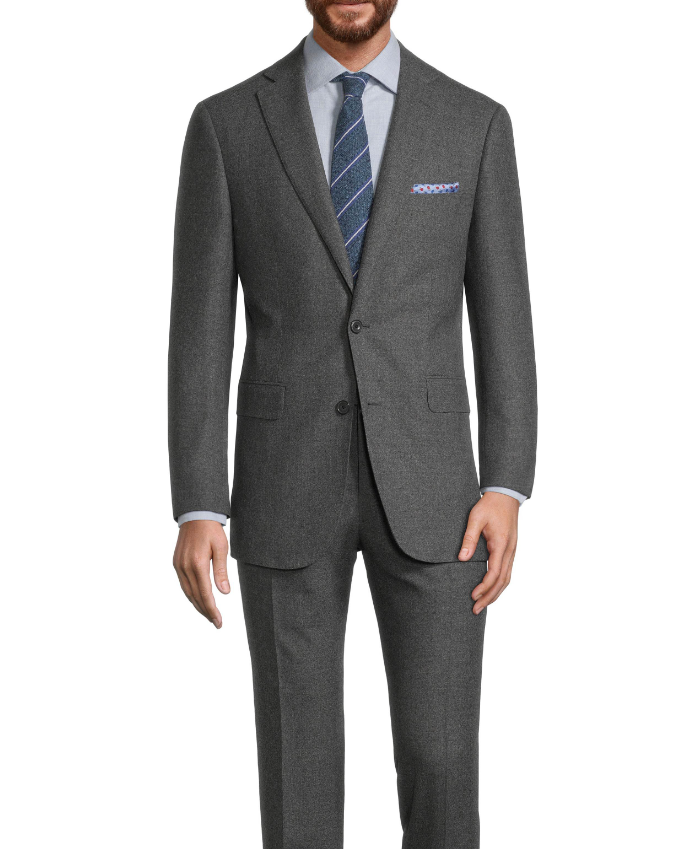
- Classic fit coats have fuller chest and back. The waist is straighter.
- Regular fit coats have a mild waist shape. The sleeve head is not tight.
- In classic vs regular fit tailoring, both are not slim. One is just roomier.
Note: Numbers vary across brands and fabrics. Stretch fabric may need less ease than rigid poplin or denim.
Body Types and Lifestyles: Who Should Pick What
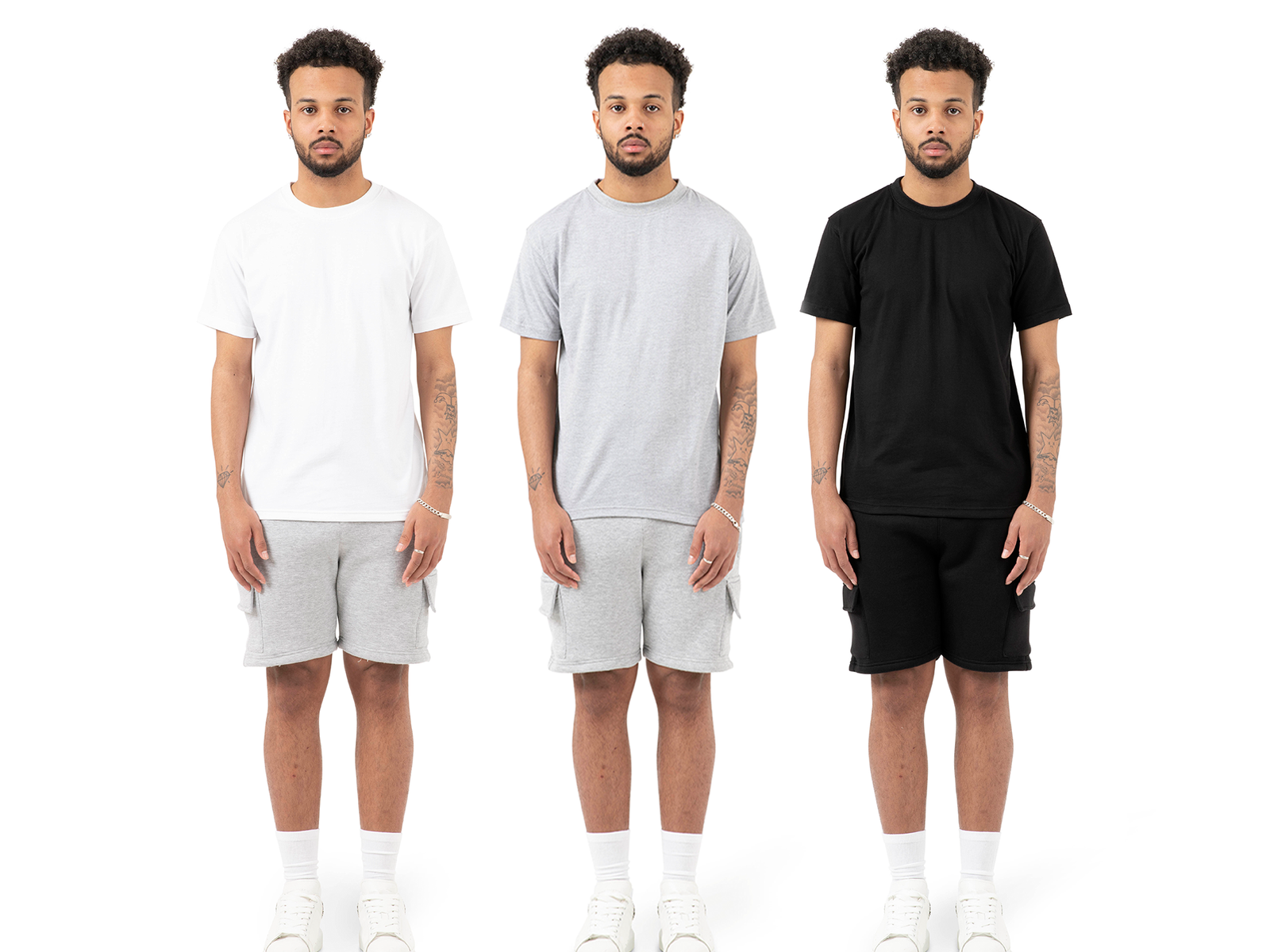
If your chest, shoulders, or thighs are strong, classic fit can help. It gives space where you need it. You move well and the cloth drapes clean.
If you want a neat line without a snug feel, try regular fit. It trims bulk while keeping ease. This balance works for many builds.
For daily office wear, classic vs regular fit both work. Pick based on comfort first. For travel, regular fit with stretch keeps shape and packs well. For long days on your feet, classic fit helps with airflow.

How to Choose by Garment: Shirts, Pants, Suits, Outerwear
Shirts
- Button up. Sit down. Cross your arms. If buttons pull, go up or switch to classic fit.
- If the side seams flare out, try regular fit for shape.
- Check sleeve width. You should pinch a small fold with ease.
Pants
- Do a knee lift. Sit and stand. If the seat bites, try classic fit or size up.
- If you see pooling at the knee, regular fit with a taper cleans the line.
- Mind rise. If you like support, classic fit rises help.
Suits
- Hug yourself with the jacket on. If the back creases, you need more room.
- If the waist looks boxy, a regular fit jacket with light shape can help.
- Never force slim when the cloth fights you.
Outerwear
- Plan for layers. Classic fit coats leave space for a sweater.
- If you wear only a tee under, regular fit looks sharp and light.

Style, Fabric, and Movement
Fabric changes how classic vs regular fit feels. A stiff cloth needs more ease. A stretch cloth can be cut closer.
Patterns and drape matter. A plaid needs smooth lines. Extra pull can warp the checks. A classic fit can keep them straight.
Your day also plays a role. If you lift, bend, or drive a lot, lean classic. If you move light and want a neat shape, go regular.

Tailoring Tips and Common Mistakes
Smart tailoring
- Start with the shoulders and seat. These are hard to change.
- You can taper a classic fit shirt or pant. Leave a touch of ease for comfort.
- Hem last. Check with your shoes on.
Mistakes to avoid
- Sizing down to get a “regular fit” look. This shifts stress to the seams.
- Ignoring rise. A good rise feels stable all day.
- Over-tapering calves. It hurts drape and can cling.
In classic vs regular fit, small edits beat big risks. Work with a tailor who pins and tests movement.
My Real-World Notes From Fittings
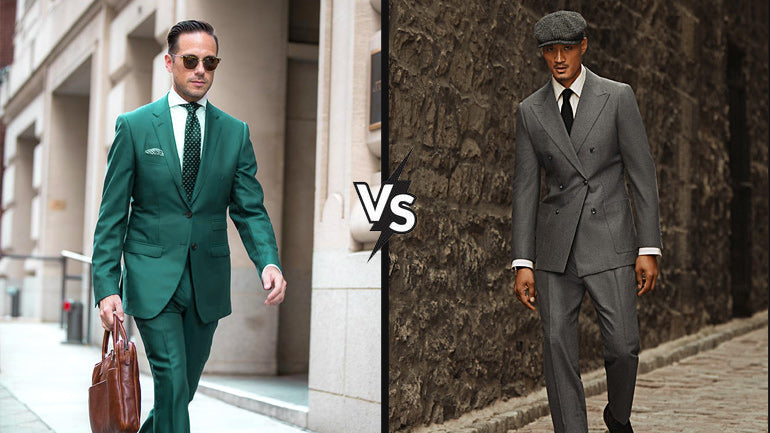
When I fit clients, I ask about their day. One client worked at a standing desk and cycled home. Classic fit chinos with a light taper solved thigh pull and kept the hem clean.
Another client wanted tidy shirts for Zoom and the office. Regular fit with two small darts gave shape, not squeeze. He said he felt sharp yet calm.
The lesson from classic vs regular fit is simple. Fit is how you feel after eight hours, not just in the mirror.
Myths and Truths About Classic vs Regular Fit
Myth: Regular fit is the same as slim.
- Truth: Regular is only a mild trim. It should not cling.
Myth: Classic fit looks old.
- Truth: With the right fabric and hem, it looks timeless.
Myth: Only big builds need classic fit.
- Truth: Many lean builds like the air and drape of classic.
Myth: Regular fit is always more stylish.
- Truth: Style comes from balance, not tightness.

Buying Checklist and Size Chart Decoding
- Read the garment measurements. Compare chest, waist, seat, thigh, and rise to your body.
- Know your ease. For shirts, 3 to 5 inches is regular, 5 to 7 is classic.
- Watch the length. Sleeves to the wrist bone. Pant break as you prefer.
- Test movement. Sit, reach, twist. The fabric should not bite.
- Keep notes by brand. Classic vs regular fit shifts across labels.
Frequently Asked Questions of classic vs regular fit
Is regular fit tighter than classic fit?
Yes, but only a bit. Regular fit trims extra fabric while keeping ease for daily wear.
Can I tailor a classic fit to look like regular fit?
Often yes. A tailor can taper the body or leg. Leave some ease so the cloth still moves well.
Which is better for hot weather: classic vs regular fit?
Classic fit can feel cooler due to airflow. Light fabrics with looser cuts breathe best.
Does fabric stretch change how I pick classic vs regular fit?
Yes. Stretch allows a closer cut. If the fabric is rigid, add ease or choose classic.
How do I know if my shirt is too tight?
If buttons pull, seams strain, or you cannot reach overhead, it is too tight. Try a classic fit or go one size up in regular.
Which works best for business casual: classic vs regular fit?
Both work. Choose the one that keeps clean lines while you sit, type, and move without fuss.
Will regular fit pants suit athletic thighs?
Sometimes. If they pinch when you sit, try classic fit or a regular cut with stretch.
Conclusion
Classic vs regular fit comes down to ease, shape, and your day. Classic fit gives space and drape. Regular fit cleans the line without going slim. Try both, move in them, and pick what feels great after hours, not minutes.
Use the checklist on your next shop trip. Note your best measurements. If you found this helpful, subscribe for more fit guides, ask a question, or share your wins in the comments.