Have you ever walked into a gym and wondered, “Just how much does that bar weigh?” Whether you’re a seasoned lifter or just starting out, understanding the weight of gym equipment is crucial for tracking your progress and setting goals.
When you know exactly what you’re lifting, you can fine-tune your workouts and avoid injury. This knowledge empowers you to push your limits safely and effectively. We’re going to unravel the mystery of gym bars, so you can lift with confidence and precision.
Get ready to lift smarter, not harder!
Gym Bar Basics
Understanding gym bar weights is essential for workout planning. Standard gym bars typically weigh around 20 kilograms. Some lighter bars are available, weighing about 15 kilograms, for beginners or specific exercises.
When you walk into a gym, one of the first things you might notice are the rows of shiny, heavy bars waiting for their next lift. Understanding the basics of a gym bar can help you enhance your workouts and achieve your fitness goals more effectively. Whether you’re a beginner or a seasoned lifter, knowing the weight and types of bars you’re working with is crucial.Standard Weight
A standard gym bar, often referred to as an Olympic barbell, typically weighs 20 kilograms (44 pounds). This is the standard weight used in most weightlifting competitions and gyms worldwide. When you load weight plates onto the bar, always remember to account for the bar’s weight in your total lift to accurately track your progress. Sometimes, you might encounter a 15-kilogram (33-pound) bar, which is often used for training or by those who prefer a lighter starting weight. It can be especially helpful for beginners or those focusing on form and technique.Different Types Of Bars
Not all gym bars are created equal, and each type serves a unique purpose. Understanding these can help you diversify your workouts and target different muscle groups. – Olympic Barbell: The most common type, used for a variety of exercises like squats, deadlifts, and bench presses. Its versatility makes it a staple in any gym. – EZ Curl Bar: Recognizable by its zig-zag shape, this bar is ideal for bicep curls and tricep extensions. Its design reduces strain on the wrists, making it a favorite for arm workouts. – Trap Bar: Shaped like a hexagon, you step inside the bar to lift. It’s excellent for deadlifts and shrugs, providing a more balanced weight distribution. – Safety Squat Bar: Features a padded section that rests on your shoulders. It’s perfect for those with shoulder mobility issues and offers more comfort during squats. Next time you’re in the gym, take a moment to explore these different bars. Try incorporating them into your routine to see how they can enhance your workouts. Have you ever tried using a different bar and noticed a change in your performance? Experimenting with various bars might just be the key to breaking through your fitness plateau.Factors Influencing Bar Weight
Gym bar weight varies based on material, length, and design. Standard bars weigh 20 kilograms or 44 pounds. Specialty bars, like Olympic or powerlifting bars, may differ in weight due to added features.
Factors influencing the weight of a gym bar are crucial to understand. Gym bars come in various types, each with its unique weight. While selecting the right bar, knowing what affects its weight helps. From the material composition to the manufacturing process, several elements play a role. Understanding these factors can guide fitness enthusiasts in making informed decisions.Material Composition
The material of a gym bar greatly affects its weight. Steel is commonly used for its strength and durability. Steel bars are heavier and offer more stability. Aluminum bars are lighter, suitable for beginners or those preferring less weight. Some bars mix materials, affecting the overall weight. Each material brings different benefits to the training experience.Manufacturing Process
The way a gym bar is made also influences its weight. Some bars are forged, which makes them heavier and stronger. Forging involves shaping metal under heat, creating dense bars. Other bars are cast, which can result in a lighter weight. Casting involves pouring metal into molds. Each process affects the bar’s density and weight differently. Manufacturing techniques impact the final product’s quality and weight.Common Gym Bar Types
Gym bars come in varied types, each with unique weights. Standard bars usually weigh around 20 kilograms. Olympic bars are heavier, tipping the scales at 20 kilograms or more. Specialty bars have different weights depending on design and usage. Knowing the weight of a gym bar helps in planning workouts effectively.
When stepping into a gym, the variety of bars can be overwhelming. Each bar serves a specific purpose and comes with its own weight. Understanding these common gym bars helps in choosing the right one for your workout. Let’s dive into the most popular types of gym bars.Olympic Bars
Olympic bars are standard in most gyms. They weigh about 20 kilograms. Designed for Olympic lifts, they handle heavy loads. The bar measures 2.2 meters long. It has rotating sleeves to reduce wrist strain. This bar is ideal for clean and jerk or snatch exercises.Powerlifting Bars
Powerlifting bars are sturdier and more rigid. They weigh around 20 kilograms, like Olympic bars. Perfect for squats, deadlifts, and bench presses. These bars have less whip. Their knurling is aggressive for a firm grip. The bar’s design focuses on stability and strength.Specialty Bars
Specialty bars cater to specific training needs. They vary in weight and design. Safety squat bars have padding for shoulder comfort. Trap bars are hexagonal, ideal for deadlifts. Curl bars have a zigzag shape for biceps training. Each bar offers unique benefits for different exercises.Weight Variations
When you’re working out in the gym, you might notice that the weight of the bars can vary. This isn’t just a random occurrence. Different bars are designed for specific purposes, and their weight can affect your workout. Knowing the weight variations can help you choose the right bar for your fitness goals.
Bar Length And Diameter
The length and diameter of a gym bar can significantly affect its weight. Standard Olympic bars are typically 7 feet long and weigh about 20 kg (44 lbs), while shorter bars used for specific exercises can weigh less. The diameter also plays a role; thicker bars may be harder to grip but can add stability during lifts.
Imagine trying to lift a bar that’s too long or too short for your height. It can throw off your balance and affect your form. Having the right length ensures a comfortable and efficient workout. Are you using a bar that matches your needs?
Load Capacity
Bars also vary in their load capacity, which is the maximum weight they can safely hold. This is crucial for heavy lifters who need to ensure their bar can handle the weight. Bars with a higher load capacity are usually heavier themselves due to sturdier construction.
Consider your strength level and workout intensity when choosing a bar. A bar with a high load capacity might be your best friend as you progress. But if you’re just starting, a lighter bar might be more suitable. How does your current bar fit into your fitness journey?
Next time you’re at the gym, pay attention to the weight variations of the bars. This knowledge can help you make informed decisions and enhance your workout experience. Whether you’re a seasoned lifter or new to the gym, picking the right bar can make a difference in achieving your goals. What bar are you going to try next?
Choosing The Right Bar
Finding the right gym bar is essential for effective workouts. Different bars serve different purposes. Consider your goals and preferences. This helps you pick the perfect fit.
Fitness Goals
Your fitness goals play a crucial role in choosing a bar. For powerlifting, an Olympic bar might be best. They are sturdy and can hold heavy weights. If you focus on general fitness, a standard bar may suffice. They are versatile and handle moderate weights well.
Personal Preference
Personal preference also affects your choice. Some prefer bars with more grip. Others might like bars with a specific knurling pattern. The bar’s weight can also influence your decision. Lighter bars might suit beginners more. Experienced lifters might prefer heavier options.

Credit: premier-brands.com
Importance Of Knowing Bar Weight
Knowing the weight of a gym bar ensures safe and effective workouts. It helps balance and improve strength training. Understanding bar weight is essential for tracking progress and setting realistic fitness goals.
Understanding the weight of a gym bar is crucial for anyone serious about strength training. Whether you’re a beginner or a seasoned lifter, knowing the weight of the bar helps in planning your workouts effectively. It ensures you are lifting the right amount of weight and tracking your progress accurately.Safety Considerations
Safety should always be your top priority in the gym. Misjudging the weight of a bar can lead to serious injuries. Imagine thinking you’re lifting less than you actually are, and the surprise when you can’t handle the load. Gyms typically have different types of bars, each with its own weight. Standard bars often weigh around 20 kg (44 lbs), but variations exist. Always check the bar’s weight before lifting to prevent accidents.Performance Tracking
Tracking your performance is key to seeing progress. If you don’t know the weight of the bar, how can you measure your strength gains? Consider the time when I realized I wasn’t accurately logging my lifts because I forgot to include the bar’s weight. That small oversight caused weeks of skewed data, affecting my training plan. Knowing the bar’s weight ensures you’re recording your lifts accurately. This precision helps in setting realistic goals and celebrating true progress. How do you feel about the importance of bar weight in your training routine? Do you already include it in your calculations, or is this a new insight?Bar Maintenance Tips
Understanding the weight of a gym bar is essential for safe workouts. Gym bars typically weigh between 15 to 45 pounds. Regular cleaning and checking for damage can ensure longevity and safety.
Maintaining your gym bar in excellent condition not only prolongs its life but also ensures your workouts are safe and effective. Whether you are a home gym enthusiast or manage a commercial gym, proper maintenance is key. Let’s dive into some practical tips that will keep your gym bar in top shape.Proper Storage
Storing your gym bar correctly can prevent unnecessary wear and tear. Always use a barbell rack or wall-mounted hooks. This prevents the bar from rolling around and getting damaged. Vertical storage is often the best choice. It minimizes space use and protects the bar from bending. Make sure the storage area is dry to prevent rust. Think about the materials around your gym bar. Avoid placing it near items that can scratch or chip the bar’s finish.Regular Cleaning
Regular cleaning maintains the bar’s grip and appearance. Use a soft-bristled brush to remove chalk, sweat, and dust from the knurling. A simple wipe with a cloth dampened with mild soapy water can keep the bar clean. Avoid soaking the bar, as excess moisture can lead to rust. Don’t forget about the bar’s sleeves. Rotate them gently while wiping to ensure any debris is removed, maintaining smooth rotation. By keeping these tips in mind, you’re not just maintaining a piece of equipment—you’re also enhancing your workout experience. What small changes can you make today to improve your gym routine?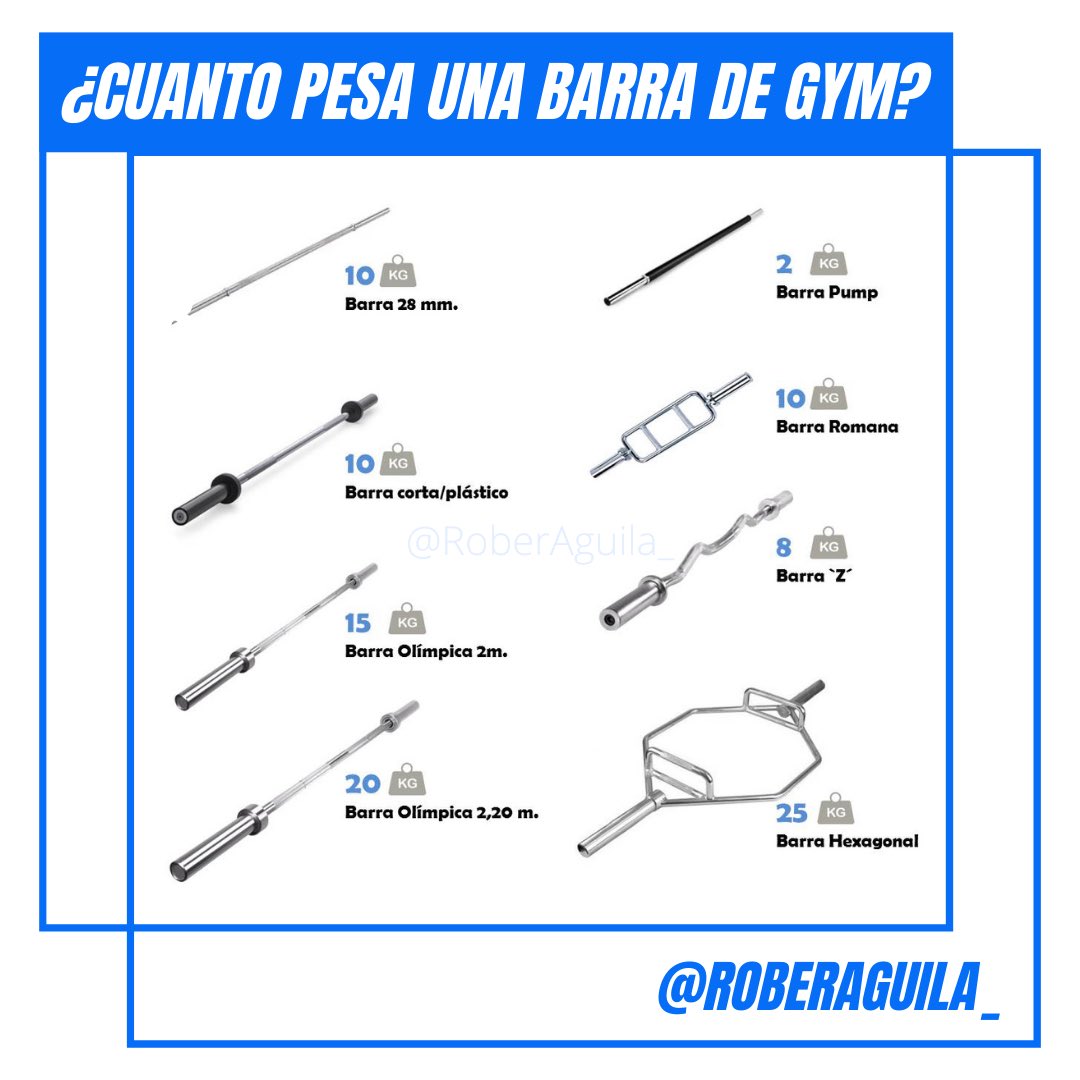
Credit: x.com

Credit: www.facebook.com
Frequently Asked Questions
¿cuánto Pesa Una Barra De Gimnasio?
A standard gym barbell usually weighs 20 kg (44 lbs). Some bars, like Olympic bars, also weigh 20 kg. Lighter options, such as training bars, can weigh 15 kg (33 lbs) or less. Always check the specific barbell for accurate weight details.
¿cuánto Pesa Una Barra Z Gym?
A Z Gym bar typically weighs around 20 kilograms. This weight is standard for most Olympic-style bars, offering durability and balance during workouts. Check specifications for exact weight, as variations may exist among different manufacturers or models. Always verify with the supplier for precise details.
¿cómo Saber Si Una Barra Es De 15 O 20 Kg?
Check the bar’s specifications or markings. Standard Olympic bars usually weigh 20 kg. Smaller bars often weigh 15 kg. Use a scale for precise measurement if unsure. Consult gym staff or check manufacturer details for verification. Identifying weight helps in safe and effective workouts.
¿cuánto Pesan Las Barras De La Fitness?
Fitness bars typically weigh 20 kg (44 lbs). Some bars, like the Olympic bar, also weigh 20 kg. Other options, like training bars, can weigh less, around 15 kg. Always check the specific bar type for accurate weight details.
Conclusion
Understanding gym bar weights helps plan effective workouts. It ensures safety. Regular bars typically weigh 20 kilograms. Some bars are lighter. A few bars are heavier. Choose wisely for your fitness goals. Consider your strength level. Know your limits. Ask gym staff for help.
They can guide you. Don’t rush your progress. Take your time. Enjoy your fitness journey. Stay consistent. Results will come. Listen to your body. Rest is important. Balance workouts with recovery. Keep learning. Knowledge improves your exercise routine. Stay motivated.
You have got this!