Imagine grabbing a cold, fizzy diet soda on a hot day, hoping it quenches your thirst. But does it really hydrate you?
You might have asked yourself this question numerous times. It’s easy to assume that because diet sodas contain water, they should help keep you hydrated. However, the truth might surprise you. We’ll explore whether diet sodas actually contribute to your daily hydration needs.
You’ll discover how these popular beverages interact with your body, and whether they can be a part of a healthy hydration strategy. Stay tuned to find out if your favorite diet soda is doing more harm than good, and learn how to make informed choices for your well-being.
The Composition Of Diet Sodas
Diet sodas contain artificial sweeteners and carbonation, lacking significant electrolytes found in water. While they provide fluid intake, their hydration effect is not comparable to pure water. Regular consumption may lead to dehydration over time.
Diet sodas are a popular choice for those looking to enjoy a sweet beverage without the calories. But what exactly are you consuming when you pop open a can? Understanding the composition of diet sodas can help answer whether they contribute to your hydration needs. Let’s take a closer look at what makes up these fizzy drinks.The Ingredients In Diet Sodas
Diet sodas are typically a concoction of carbonated water, artificial sweeteners, and additives. The primary ingredient is water, which is a good start for hydration. However, the presence of artificial sweeteners like aspartame or sucralose sets diet sodas apart from their sugary counterparts. These sweeteners provide the flavor without the added sugar and calories. Do you ever wonder about the chemicals listed on the can? Some sodas contain caffeine and preservatives like citric acid or phosphoric acid. Caffeine might give you a little energy boost but can also act as a diuretic, potentially impacting hydration levels.The Role Of Carbonation
Carbonation is what gives diet sodas their signature fizz. When you take a sip, the bubbles tickle your tongue, creating a sensory experience unlike still water. But does carbonation affect hydration? The bubbles can sometimes cause bloating or a feeling of fullness, possibly discouraging you from drinking more fluids. If you’ve ever felt bloated after a can of soda, you know the sensation. It’s crucial to balance your diet soda intake with plain water to ensure you’re properly hydrated.Nutritional Content And Hydration
While diet sodas are low in calories and sugar, their nutritional value is limited. They provide little in terms of vitamins or minerals. Hydration from diet sodas can be part of your fluid intake, but relying solely on them might not be the best approach. Think about your daily routine—do you often replace water with diet soda? While these drinks can contribute to your overall fluid intake, it’s essential to incorporate water and other nutrient-rich beverages into your diet for optimal hydration.Health Implications
The ingredients and carbonation in diet sodas have sparked debates about their health effects. Some studies suggest that excessive consumption might lead to health issues, including metabolic changes or altered taste preferences. Are you aware of how much diet soda you consume daily? Moderation is key. Consider tracking your intake and observing any changes in your hydration levels or overall well-being. Diet sodas can be refreshing, but it’s important to understand their composition. Ask yourself: how do they fit into your daily hydration plan?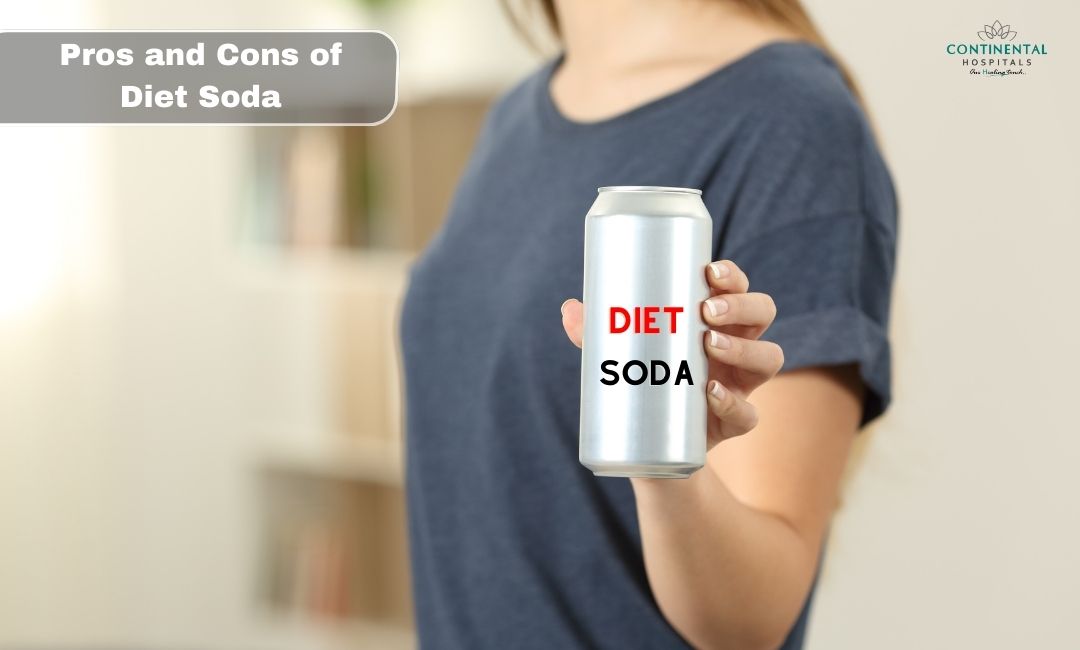
Credit: continentalhospitals.com
Hydration Basics
Understanding hydration is crucial for health. It affects many body functions. Proper hydration keeps organs working well. It supports digestion, circulation, and temperature regulation. Hydration basics explore how different drinks contribute. Not all beverages hydrate equally.
What Is Hydration?
Hydration refers to the body absorbing water. Water is vital for survival. It makes up a large part of the body. It helps transport nutrients and oxygen to cells. Hydration also assists in waste removal. Keeping hydrated maintains skin health and joint function.
Role Of Electrolytes
Electrolytes are minerals in body fluids. They include sodium, potassium, and calcium. These minerals help balance fluids. They are essential for nerve and muscle function. Electrolytes aid in maintaining hydration levels. They prevent dehydration by retaining water.
Importance Of Water
Water is the best hydrating drink. It has no calories or additives. Drinking water helps replenish lost fluids. It is absorbed quickly by the body. Water maintains fluid balance. It supports overall health and wellness.
Diet Sodas And Hydration
Diet sodas contain water, but also other ingredients. They have artificial sweeteners and caffeine. Caffeine may act as a diuretic. This can lead to loss of fluids. Diet sodas may hydrate but not as effectively as water.
Water Content In Diet Sodas
Many people wonder if diet sodas can hydrate them. These drinks have a significant amount of water. They can contribute to daily fluid intake. But how does it compare to pure water?
Understanding The Basics
Diet sodas contain mostly water. This makes them a hydrating option. The water content is similar to other beverages. But the added ingredients set them apart.
Added Ingredients In Diet Sodas
Diet sodas have artificial sweeteners and flavorings. These ingredients don’t affect the water content. But they do change the overall beverage composition.
Comparing Hydration Levels
Water remains the best hydrating choice. Diet sodas can help with hydration. But they should not replace water entirely. Their caffeine and sodium content can affect hydration.
Considerations For Daily Intake
Drinking diet sodas occasionally is fine. They can be part of a balanced diet. But rely on water for primary hydration needs. It’s healthier and more effective.
Impact On Overall Health
Diet sodas are low in calories. But they can have health effects. Regular consumption might affect teeth or metabolism. Always balance them with plenty of water.
Credit: www.uclahealth.org
Effects Of Caffeine On Hydration
Have you ever wondered how caffeine affects your hydration levels? You might be sipping on a diet soda thinking it’s keeping you refreshed. But is it really doing the job? Let’s dive into the effects caffeine has on your body’s ability to stay hydrated. It’s important to understand how caffeine interacts with water balance, especially if you rely on diet sodas for hydration.
Understanding Caffeine’s Diuretic Nature
Caffeine is known for its diuretic properties, which means it can make you urinate more frequently. This may lead to a loss of fluids from your body. You might be thinking, “If caffeine makes me lose water, how can diet sodas hydrate me?” It’s a valid concern. The diuretic effect is generally mild, but it can impact hydration if consumed in large quantities.
Balancing Caffeine Intake
While caffeine can cause increased urination, moderate consumption usually doesn’t lead to dehydration. If you’re drinking diet sodas throughout the day, consider balancing your caffeine intake. Can you switch to caffeine-free options or alternate with water? Your body will appreciate the balance, and you might feel more energized without relying solely on diet sodas.
Personal Experience With Caffeine And Hydration
I’ve noticed when I drink too many diet sodas, I feel less hydrated. It’s as if the caffeine is sneakily working against me. This made me rethink my hydration strategy. I began alternating between diet sodas and plain water, and it made a noticeable difference. Have you tried adjusting your beverage choices? It might be worth experimenting to find what works best for you.
Myths Vs. Reality
There’s a common belief that caffeinated drinks don’t count toward your daily hydration needs. This isn’t entirely true. While caffeine has a mild diuretic effect, drinks like diet soda still contribute to your fluid intake. However, they shouldn’t be your primary hydration source. Are you relying too much on diet sodas? Maybe it’s time to reassess your hydration habits.
Practical Tips For Staying Hydrated
- Alternate between caffeinated and non-caffeinated drinks.
- Increase water intake to balance caffeine consumption.
- Monitor your body’s signals – thirst is a strong indicator.
- Consider the total caffeine content in your daily beverages.
- Experiment with different hydration strategies to see what suits you.
Ultimately, the key is to maintain a balanced approach. While diet sodas can be part of your hydration plan, they shouldn’t be the only source. By understanding the effects of caffeine, you can make informed decisions about your beverage choices. How will you adjust your hydration habits today?
Role Of Artificial Sweeteners
Diet sodas contain artificial sweeteners and can offer hydration like water. They might satisfy thirst without sugar calories. Artificial sweeteners replace sugar but offer no nutritional benefits.
Diet sodas are popular for those watching their sugar intake, but what role do artificial sweeteners play in hydration? Artificial sweeteners, like aspartame and sucralose, replace sugar to keep calorie counts low. But do they affect your body’s hydration status? Let’s dive into this topic and understand how these sweeteners interact with your body’s water balance.Understanding Artificial Sweeteners
Artificial sweeteners are synthetic sugar substitutes that provide a sweet taste without the calories. They can be significantly sweeter than sugar, meaning only a small amount is needed to achieve the desired sweetness. This makes them an attractive option for those looking to cut back on calories without sacrificing flavor.Impact On Thirst
Have you ever noticed a lingering aftertaste in diet sodas? This might be due to artificial sweeteners. Some people report feeling thirstier after drinking diet sodas. This could lead to increased water consumption, indirectly contributing to hydration. However, individual experiences vary, and not everyone feels this way.Sweeteners And Hydration
Do artificial sweeteners directly affect your hydration levels? Research shows that they do not dehydrate you. Diet sodas, being mostly water, contribute to your daily fluid intake. So, while sweeteners themselves don’t hydrate, the beverage still adds to your overall fluid consumption.Personal Experience With Diet Sodas
I remember switching to diet sodas during a weight loss journey. I found myself drinking more water alongside, perhaps due to the aftertaste. This personal experience highlights how diet sodas might indirectly encourage better hydration habits for some. Do you notice any changes in your drinking habits with diet sodas?Should You Rely On Diet Sodas For Hydration?
Diet sodas can be a part of your fluid intake, but relying solely on them isn’t ideal. Water should remain your main source of hydration. You might enjoy the occasional diet soda, but remember to balance it with plenty of water throughout the day. Have you considered how much water you drink daily? Artificial sweeteners in diet sodas don’t directly hydrate you, but they might influence your hydration habits. Consider how these beverages fit into your overall lifestyle and hydration strategy.Comparing Diet Sodas And Water
Diet sodas might quench thirst, but they lack essential hydration properties. Water is the most effective choice for hydration. Unlike diet sodas, water replenishes fluids without additives.
When you’re thirsty, reaching for a cold drink is an instinct. But when choosing between diet soda and water, have you ever wondered which one hydrates you better? Both have their merits, but the choice isn’t always clear-cut. Let’s break it down.Water: The Gold Standard
Water is essential. It has no calories, sugars, or artificial ingredients. It’s the best way to stay hydrated without any added substances. Drinking water throughout the day helps regulate your body temperature. It also supports all your bodily functions. Remember the last time you felt refreshed after a glass of water? That’s because water is naturally designed to replenish your system.Diet Sodas: A Sugar-free Alternative
Diet sodas are popular because they offer flavor without the calories. They can be a tasty option if you’re craving something sweet but trying to cut sugar. However, they contain artificial sweeteners and other ingredients. Some people experience digestive issues or headaches after consuming them. Have you ever noticed how diet sodas can make you feel thirstier? This might be due to their sodium content or carbonation.Comparative Hydration Levels
Both water and diet sodas can hydrate you. However, water is absorbed by your body without requiring processing of additional ingredients. Diet sodas contain caffeine, which can have a mild diuretic effect. This means they might make you lose water more quickly. Think about how often you find yourself reaching for more soda after finishing one. This might be your body’s way of telling you it needs more hydration.Practical Insights For Daily Choices
Consider how each beverage fits into your lifestyle. If you’re active or live in a hot climate, water is your best friend. Using diet sodas as an occasional treat can satisfy your taste buds. But relying on them for hydration might not be the best strategy. Next time you’re at a crossroads, ask yourself: Does my body need genuine hydration or just a burst of flavor?Making Informed Decisions
The key is balance. Understanding the role of each beverage helps you make better choices. Think about your daily routine and how often you drink each. Are you getting enough water to support your health? Your body’s needs should guide your choices. Listen to what it’s telling you, and adjust accordingly.Scientific Studies On Hydration
Scientific studies explore whether diet sodas can hydrate effectively. Many people enjoy diet sodas for their taste and zero calories. But can they quench your thirst like water? Researchers have conducted various studies to provide answers.
Understanding Hydration Basics
Hydration is vital for the human body. Water is the best source for this purpose. It helps in temperature regulation and organ function. Other drinks can also contribute to hydration. But their effectiveness varies.
Diet sodas contain artificial sweeteners. These sweeteners replace sugar. They add flavor without calories. Studies show they don’t hinder hydration. But they can affect metabolism differently.
Comparative Studies With Water
Research compares diet soda and water for hydration. Water remains the top choice. It has no additives. Diet sodas hydrate too, but less efficiently. Their ingredients can have diuretic effects.
Impact Of Caffeine In Diet Sodas
Some diet sodas contain caffeine. Caffeine acts as a mild diuretic. It can increase urine production. This may reduce hydration levels. But moderate consumption is generally safe.
Scientific Consensus On Diet Sodas
Experts agree on a balanced approach. Diet sodas hydrate, but not like water. They can be part of your hydration strategy. But they shouldn’t replace water completely.
Potential Health Implications
Diet sodas often come with a reputation for being a healthier alternative to sugary drinks. However, there are potential health implications to consider. Understanding these can help you make informed choices about your hydration habits.
Artificial Sweeteners And Their Effects
Diet sodas usually contain artificial sweeteners like aspartame or sucralose. These sweeteners are generally considered safe by regulatory bodies. But, some studies suggest they might affect your body’s ability to regulate blood sugar levels. Have you ever noticed feeling hungrier after drinking diet soda? That could be your body’s response to the sweetness without calories, potentially leading you to consume more food later.
Bone Health Concerns
Some research hints at a link between soda consumption and reduced bone mineral density. While most studies focus on regular soda, the acidic nature of diet sodas can still be of concern. If you drink a lot of diet soda, consider balancing it with calcium-rich foods to support your bone health.
Impact On Dental Health
The acidity in diet sodas can be harsh on your teeth. It can erode enamel, leading to increased sensitivity and cavities. Do you find yourself sipping on diet soda throughout the day? Try rinsing your mouth with water afterward to minimize potential damage to your teeth.
Potential Weight Management Challenges
While diet sodas are calorie-free, they might not be as beneficial for weight management as you think. Some people find that drinking diet soda leads to cravings for sweet or high-calorie foods. If you’re trying to manage your weight, it might be worth monitoring your overall diet and not just relying on diet sodas.
Considering these potential health implications, how do you feel about your current diet soda habits? Making small adjustments to your beverage choices could have a significant impact on your overall health. What changes are you willing to try today?
Expert Opinions
Expert opinions on diet sodas and hydration are diverse. Some experts believe diet sodas can hydrate like water. Others disagree. Let’s explore what these experts say.
Can Diet Sodas Hydrate Like Water?
Some experts argue diet sodas can hydrate similarly to water. They contain water, after all. This makes them a source of hydration. But, they also contain caffeine, which is a mild diuretic. This means they might make you urinate more often.
Impact Of Caffeine On Hydration
Caffeine is present in many diet sodas. It can affect hydration negatively. Some experts claim caffeine causes the body to lose fluids. This might offset the hydration benefits of diet sodas.
Presence Of Artificial Sweeteners
Diet sodas often contain artificial sweeteners. Experts have mixed views on their impact. Some suggest these sweeteners may impact hydration. Others say the impact is minimal and not a concern.
Expert Consensus On Hydration And Diet Sodas
Experts agree that diet sodas provide some hydration. But, they recommend water as the best choice. Water hydrates without any added substances. It is the safest option for maintaining hydration.

Credit: www.facebook.com
Practical Tips For Hydration
Diet sodas can help keep you hydrated, but they may not be the best choice. Their caffeine content can slightly dehydrate you. Water is still the best option for hydration.
Practical hydration tips can make a significant difference in your daily routine. Staying hydrated is crucial for maintaining energy and focus. Yet, with so many drink options available, it’s easy to get confused about what truly keeps you hydrated. Let’s dive into some practical tips to ensure you stay well-hydrated throughout the day.Understand Your Body’s Needs
Your body is unique, and so are its hydration needs. Factors such as age, activity level, and climate affect how much fluid you need. Pay attention to signs of thirst and adjust your intake accordingly. Have you ever noticed feeling sluggish after a workout? That could be your body telling you it needs more fluids.Incorporate Water-rich Foods
Did you know foods can hydrate you too? Fruits like watermelon and cucumbers have high water content. Adding these to your meals or snacks can boost your hydration levels. Next time you prepare a meal, think about how you can include more of these water-rich foods.Set A Hydration Schedule
Keeping a schedule can help you remember to drink throughout the day. Consider starting your morning with a glass of water to kickstart hydration. Use reminders on your phone or a water bottle with time markers. How often do you reach for a drink without realizing you haven’t had water in hours? A schedule can help fix that.Limit Caffeine And Alcohol
Caffeine and alcohol can dehydrate you. While it’s okay to enjoy these in moderation, balance them with water. If you have a coffee in the morning, try to follow it with a glass of water. Think about your last social gathering—did you make sure to drink water alongside those beverages?Consider The Role Of Diet Sodas
Diet sodas can be a hydrating alternative to sugary drinks, but they shouldn’t replace water. They contain water, so they contribute to your overall fluid intake. However, they often have caffeine and artificial sweeteners. Do you find yourself reaching for diet soda often? Try alternating with water to ensure you’re getting enough pure hydration.Track Your Hydration
Keeping a log of your daily intake can be eye-opening. Apps or simple journals can help you see patterns in your hydration habits. By tracking, you can identify when you’re not drinking enough. Are you surprised by how little water you actually drink? Tracking can help you improve over time.Listen To Your Thirst Cues
Your body naturally signals when it’s thirsty. Responding promptly to these cues can prevent dehydration. Keep a bottle within reach to make it easier to drink when needed. Have you ever ignored thirst because you were busy? Make it a habit to listen to these cues. By following these practical tips, you can ensure you’re properly hydrated every day. Are you ready to make hydration a priority in your life?Frequently Asked Questions
Do Diet Sodas Provide Hydration?
Yes, diet sodas can hydrate you. They contain water, which helps maintain your body’s fluid balance. While not as optimal as plain water, they still contribute to daily hydration. However, they should not be your primary source of fluids.
Are Diet Sodas Better Than Water?
Diet sodas are not better than water for hydration. Water is the best choice for maintaining hydration. Diet sodas contain artificial ingredients that may not be beneficial for overall health. It’s better to consume them occasionally rather than rely on them for hydration.
Can Diet Sodas Replace Daily Water Intake?
Diet sodas should not replace your daily water intake. They do provide some hydration but lack nutrients found in water. It’s important to drink enough water daily for overall health. Diet sodas can complement your hydration but shouldn’t be the main source.
Do Diet Sodas Affect Hydration Levels?
Diet sodas do affect hydration levels, but not significantly. They contain water, which helps hydrate the body. However, their caffeine and artificial ingredients might have a diuretic effect. It’s crucial to balance diet soda intake with adequate water consumption.
Conclusion
Diet sodas can hydrate, but water is best. They contain water, which helps. Caffeine in diet sodas may cause slight dehydration. Sugar substitutes might upset some stomachs. Enjoy diet sodas in moderation. Balance them with plain water intake. Staying hydrated is crucial for health.
Choose beverages wisely. Always listen to your body’s needs. For optimal hydration, water remains the top choice. Consider your lifestyle and preferences. Stay informed and make smart beverage choices. Your body will thank you.