Are you hitting the gym regularly and noticing the numbers on the scale creeping up? You might be wondering if building muscle is secretly causing you to gain weight.
You’re not alone in this curiosity. It’s a common concern for many fitness enthusiasts who are dedicated to sculpting their ideal physique but are puzzled by the scale’s reaction. Before you start questioning your workout routine, let’s dive into the fascinating relationship between muscle building and weight gain.
Understanding this connection can transform your fitness journey and keep you motivated toward your goals. Keep reading to uncover the truth about muscle gain and weight change, and discover why that number on the scale isn’t the full story.
Muscle Vs. Fat: Understanding The Difference
Understanding the difference between muscle and fat is crucial for fitness goals. People often worry about gaining weight while building muscle. This section explains how muscle and fat differ. It clears up common misconceptions. Knowing these differences helps in achieving desired fitness results.
Muscle Density Vs. Fat Density
Muscle is denser than fat. This means muscle takes up less space in the body. Fat is bulkier, leading to a larger appearance. You may weigh more when muscle increases, but appear leaner.
Caloric Needs: Muscle Vs. Fat
Muscle burns more calories than fat. Even at rest, muscle tissue consumes energy. This helps maintain a healthy weight. Fat requires fewer calories, often leading to weight gain if not managed.
Body Composition: Weight Vs. Appearance
Muscle growth changes body composition. You might gain weight, but your body looks toned. Focus on how clothes fit and body shape changes. Scales can mislead. Muscle mass improves metabolism. It creates a healthier body.
Metabolic Impact Of Muscle
Muscle boosts metabolism. It burns calories efficiently. Fat slows metabolism, leading to fewer calories burned. Building muscle supports weight management and overall health.
Impact On Strength And Endurance
Muscle increases strength and endurance. Fat does not contribute to physical performance. More muscle means better stamina. This improves workout results and daily activities.
Role Of Calories In Muscle Building
Calories are essential for muscle growth, providing energy for workouts and recovery. Consuming more calories than you burn can lead to weight gain, as muscles develop and increase in size. Balancing calorie intake and physical activity helps build muscle without excessive weight gain.
When you’re on a muscle-building journey, understanding the role of calories is crucial. Calories are the energy units your body uses to perform all its functions, including muscle growth. Consuming the right amount of calories can make a significant difference in your muscle-building efforts.Caloric Surplus Explained
To build muscle effectively, you need to consume more calories than your body burns. This state is known as a caloric surplus. Think of it as fueling your body with the extra energy it requires to repair and grow muscle tissues. Eating slightly more than your maintenance level helps ensure your muscles have enough resources to grow. But don’t go overboard; too large of a surplus can lead to unwanted fat gain. It’s a delicate balance that requires some trial and error to get right.Energy Balance In Muscle Gain
Energy balance is the relationship between the calories you consume and those you burn. A positive energy balance, where you consume more than you burn, is essential for muscle gain. Your body needs this extra energy to synthesize new muscle tissues after workouts. Without it, you risk losing muscle or plateauing. Consider tracking your calorie intake and expenditure to fine-tune your diet for optimal results. Have you ever wondered why some people gain weight faster than others when trying to build muscle? Metabolism and activity levels play a huge role. It might be worth experimenting with calorie adjustments to see what works best for your body. Remember, building muscle is as much about nutrition as it is about lifting weights. By maintaining the right calorie balance, you can maximize your muscle-building potential while minimizing unwanted weight gain.How Muscle Growth Affects Body Weight
Building muscle can lead to weight gain. Muscle tissue is denser and heavier than fat. As muscles grow, body weight might increase.
Building muscle is a journey filled with surprises, especially when it comes to how it affects your body weight. You might find yourself stepping on the scale and noticing a change, even if you feel healthier and more toned. It’s important to understand how muscle growth impacts your weight and why this might differ from what you expect.Muscle Density Vs. Fat Volume
Muscle is denser than fat, which means it takes up less space in your body. You might notice your clothes fitting better, even if the scale shows you’ve gained a few pounds. Imagine filling a box with heavy stones versus fluffy cotton; the stones represent muscle, compact and weighty. When you build muscle, your body composition changes. Your body becomes more efficient and toned. This transformation often leads to a leaner appearance, even if your overall weight increases.Impact On The Scale
Seeing a higher number on the scale can be discouraging, but it’s not the whole story. Muscle gain can lead to weight gain, but this isn’t negative. It often means you’re becoming stronger and healthier. Consider tracking your progress through body measurements or how your clothes fit, instead of relying solely on the scale. This approach provides a clearer picture of your fitness journey. Have you ever noticed feeling stronger but heavier? This is a common experience for those building muscle. It’s a reminder that the scale doesn’t always reflect your hard work and progress. How does this change your perspective on weight and fitness goals? Understanding the relationship between muscle and body weight can shift your focus from numbers to overall health and strength.
Credit: gymstogo.com
Factors Influencing Weight Gain
Weight gain during muscle building is common. Several factors influence this gain. Understanding these factors helps manage expectations. Let’s explore them.
Exercise Regimen
The type of exercise affects weight gain. Strength training builds muscle mass. This can lead to weight gain. Consistent workouts increase muscle size. More muscle means more weight. Cardio focuses on burning calories. It may not build muscle. Balance both for optimal results.
Dietary Habits
Diet plays a crucial role in muscle building. Consuming more calories than burned leads to weight gain. Protein intake supports muscle growth. Carbohydrates provide energy for workouts. Healthy fats aid in recovery. Portion control is vital. Eating healthy supports muscle growth without excessive fat gain.
Metabolic Rate
Each person has a unique metabolic rate. A faster metabolism burns more calories. This can limit weight gain. A slower metabolism may lead to more weight gain. Exercise can boost metabolic rate. Age, genetics, and lifestyle impact metabolism. Monitor and adjust habits to match your goals.
The Myth Of Bulking Up
When you think about building muscle, the image of bulking up might come to mind. You might wonder if you’ll gain unwanted weight. The myth that muscle building equals excessive weight gain is common, but often misunderstood.
Common Misconceptions
Many people believe that gaining muscle means you’ll look oversized. This misconception stems from confusing muscle with fat. Muscle is denser than fat and takes up less space in your body. You might see the scale numbers rise, but your body composition is improving. Remember, muscle growth doesn’t mean you’re getting bulky overnight.
Another myth is that lifting weights transforms women into bodybuilders. This idea couldn’t be further from the truth. Building muscle for women often results in a toned appearance. The fear of turning into a competitive weightlifter is based on myths, not reality.
Realistic Expectations
What should you expect when building muscle? Your scale might show weight gain, but consider what that weight represents. It’s muscle, not excess fat. Muscle boosts your metabolism, helping you burn more calories even at rest. This means your body is working efficiently.
As someone who started weight training, I noticed my clothes fit differently. They weren’t tighter, but more comfortable. The transformation is gradual, and the real change is in how you feel. Increased energy and strength are tangible rewards of muscle building.
Think about your goals. Are you looking for definition and strength, or sheer size? Your approach to training should align with your goals. Weight gain is not negative; it’s a sign of progress and health. Wouldn’t you want to feel stronger and more energetic?
Strategies For Healthy Muscle Building
Building muscle is a goal for many. But does it lead to weight gain? It’s a common question with a simple answer. Yes, muscle building can increase weight. Yet, this weight gain is a good thing. It means more muscle mass. With the right strategies, you can build muscle healthily. Focus on balanced nutrition, effective workout plans, and monitoring progress.
Balanced Nutrition
Nutrition is vital for muscle growth. Eating the right foods helps build muscle. Include proteins, carbs, and fats in your diet. Proteins repair and build muscle tissues. Carbs provide energy for workouts. Fats support hormone production. Choose whole grains, lean meats, and healthy oils. Stay hydrated. Water aids digestion and muscle function.
Effective Workout Plans
Consistent workouts boost muscle growth. Plan your workouts for best results. Focus on strength training exercises. Lift weights, use resistance bands, or do bodyweight exercises. Vary your routine to target different muscle groups. Allow rest days for recovery. Rest is crucial for muscle repair and growth.
Monitoring Progress
Tracking progress helps maintain motivation. Keep a workout log. Record exercises, sets, and repetitions. Note how you feel during workouts. Check your body measurements. Measure arms, chest, and waist regularly. Take photos to see changes over time. Listen to your body. Adjust your plan if needed.
Long-term Benefits Of Muscle Gain
Building muscle can lead to weight gain due to increased muscle mass. Muscles weigh more than fat, so your body may get heavier. This weight gain is beneficial, improving strength and metabolism long-term.
Building muscle offers numerous long-term benefits that can significantly enhance your quality of life. While you might notice a temporary weight gain during the muscle-building process, the advantages far outweigh any initial concerns. Understanding these benefits can motivate you to embrace muscle gain as a key component of your fitness journey.Enhanced Metabolism
Gaining muscle can lead to a higher metabolism, which means your body burns calories more efficiently. When I started weight training, I noticed I could enjoy my favorite foods without the usual guilt, as my body was using energy more effectively. Have you ever considered how building muscle might impact your daily calorie burn? Muscle tissue requires more energy to maintain than fat tissue. This means even at rest, your body will be working harder, resulting in increased calorie consumption. This can make managing your weight easier in the long run.Improved Physical Health
Muscle gain contributes to better physical health by strengthening your bones and improving your joint stability. After incorporating strength training into my routine, I found that everyday tasks like carrying groceries or climbing stairs became noticeably easier. What’s one physical challenge you face that stronger muscles could help alleviate? Increased muscle mass also supports better posture and reduces the risk of injury. With stronger muscles, you are less likely to experience common aches and pains, leading to a more active lifestyle.Boosted Confidence
Building muscle can lead to a significant boost in confidence, both in how you look and how you feel. I vividly remember the first time I noticed a change in my physique; it was a powerful confidence boost that motivated me to keep pushing forward. Can you imagine the impact on your self-esteem if you started seeing these changes in yourself? With improved strength and physical appearance, you may feel more empowered and ready to tackle new challenges. This newfound confidence often extends beyond the gym, influencing other areas of your life like work and social interactions. By focusing on these long-term benefits, you can see that muscle gain is not just about aesthetics but about creating a healthier, more confident you.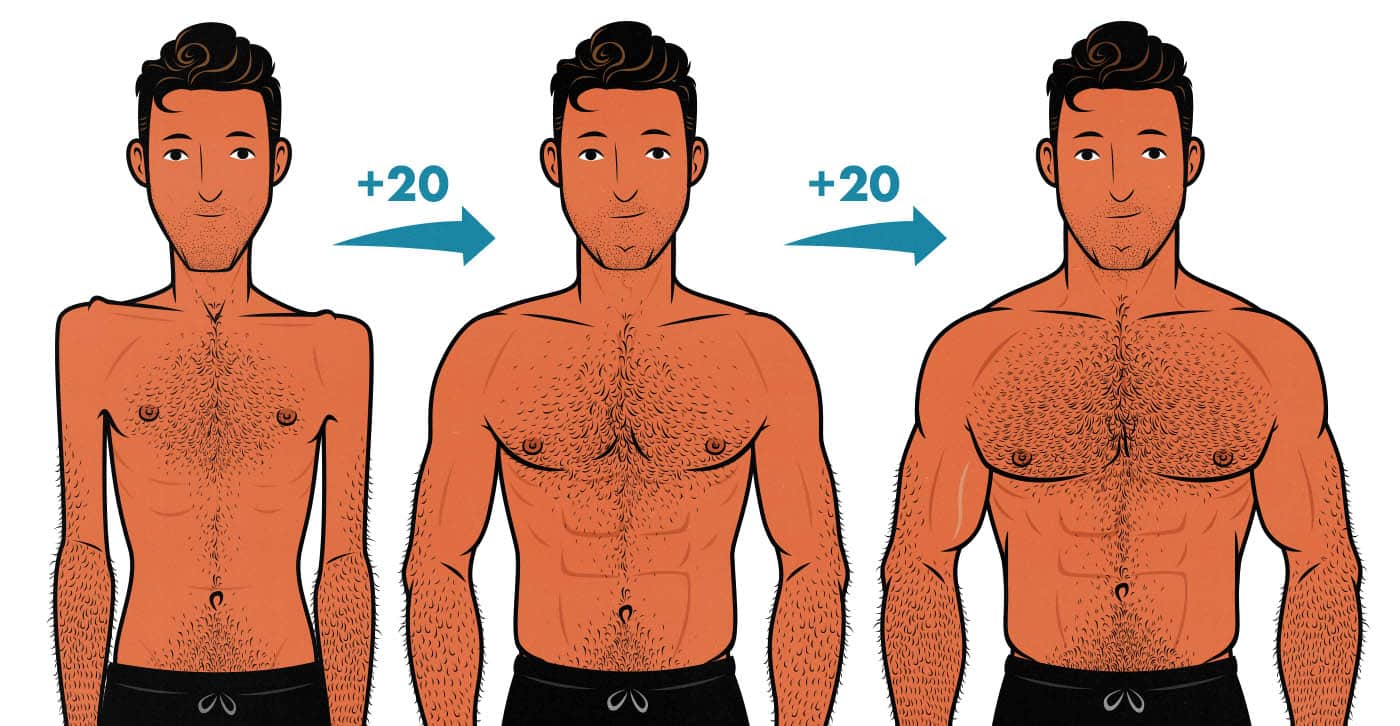
Credit: bonytobeastly.com

Credit: www.instagram.com
Frequently Asked Questions
Is It Normal To Gain Weight When Building Muscle?
Yes, gaining weight is normal when building muscle. Muscle mass weighs more than fat. Focus on strength training and a balanced diet to support muscle growth. Monitor your progress with body measurements and not just the scale. This approach helps track muscle gain effectively.
Do You Gain Weight If Muscles Grow?
Muscle growth can increase weight as muscles are denser than fat. This gain is healthy and boosts metabolism.
Do You Weigh More If You Put On Muscle?
Yes, gaining muscle increases your weight. Muscle tissue is denser than fat, resulting in a higher weight gain. Building muscle boosts metabolism, enhancing overall fitness and strength. Prioritize protein intake and strength training for effective muscle growth. Remember, weight changes depend on individual body composition and lifestyle.
Do You Gain Weight By Building Muscle?
Building muscle can lead to weight gain. Muscle tissue is denser than fat, so gaining muscle may increase your body weight. However, this weight is healthier, as muscle boosts metabolism and improves body composition. It’s essential to focus on body measurements and fitness levels rather than just the scale.
Conclusion
Building muscle can lead to weight gain. Muscles weigh more than fat. This is healthy weight gain. Focus on balanced nutrition and regular exercise. Muscle growth boosts metabolism. It can help burn more calories. Stay patient with your progress. Everyone’s body responds differently.
Celebrate small achievements on your journey. Remember, muscle gain improves strength and health. Consult a professional for personalized advice. Keep your goals realistic and sustainable. Consistency is key to success. Enjoy the process and stay motivated.