Are you hitting the gym with relentless dedication but still not seeing the muscle gains you desire? It might be time to rethink your nutrition strategy.
When it comes to building muscle, the role of dietary fats often sparks debate. Are they essential, or just another thing to worry about? You may be surprised to discover how fats can impact your muscle-building journey. Understanding the connection between fats and muscle growth could be the missing piece in your fitness puzzle.
Dive into this article to uncover the truth about fats and how they might just be the secret weapon in achieving your dream physique. Your muscles—and your results—might just depend on it.
Role Of Fat In Muscle Building
Understanding the role of fat in muscle building can be a game-changer for your fitness journey. Often overshadowed by protein, fat plays a crucial role in providing energy, supporting hormone production, and ensuring overall health. By knowing how fat contributes to muscle growth, you can optimize your diet to achieve better results.
Energy Source For Workouts
Fat is a dense energy source that fuels long workouts. While carbs are often seen as the primary energy source, fat provides sustained energy for endurance activities. Imagine hitting the gym without feeling drained; that’s the power of having the right amount of fat in your diet.
Hormone Production And Regulation
Your body’s hormones play a significant role in muscle growth. Fats are essential for producing hormones like testosterone, which directly impact muscle building. Without adequate fat intake, your hormone levels can drop, hindering your muscle development.
Nutrient Absorption
Fats help your body absorb vital nutrients, including vitamins A, D, E, and K. These vitamins are important for muscle recovery and growth. Next time you munch on a salad, add a little olive oil to ensure you’re absorbing all those nutrients efficiently.
Mental Focus And Motivation
Believe it or not, fats can improve mental focus. A well-functioning brain keeps you motivated during challenging workouts. Reflect on your last workout; did you have the mental stamina to push through? Adequate fat intake might be the missing link.
Balancing Fat Intake
It’s crucial to find the right balance of fat in your diet. Too much can lead to weight gain, while too little can hinder muscle growth. Consider tracking your fat intake and adjusting based on your energy levels and workout performance. How do you know if you’re getting the balance right?
Fat is not the enemy in muscle building; it’s an ally when used correctly. By understanding and optimizing your fat intake, you can enhance your muscle growth and performance. Are you ready to rethink your diet and make fat work for you?
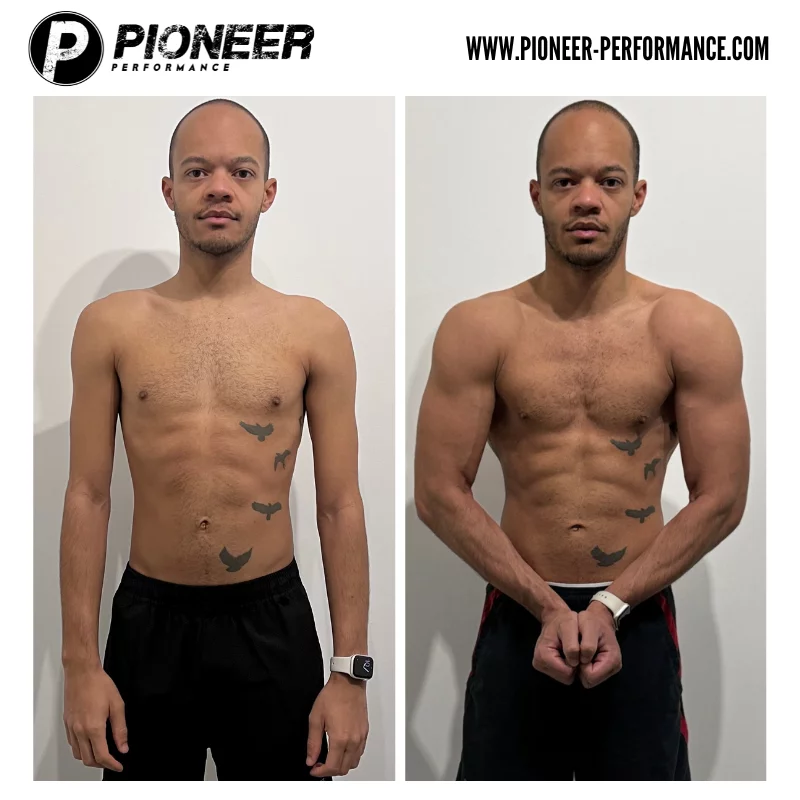
Credit: pioneer-performance.com
Understanding Dietary Fats
Dietary fats are crucial for muscle growth. They provide energy and support hormone production. Not all fats are equal. Some are beneficial. Others can harm your health. Knowing the difference is key. This section explores types of fats. It helps you choose wisely.
Types Of Fats
Fats come in various forms. Saturated fats are solid at room temperature. Found in meat and butter. Unsaturated fats are liquid at room temperature. Present in oils and nuts. Trans fats are artificial. Often in processed foods. Each type affects health differently. Choose the right kind for muscle growth.
Healthy Vs Unhealthy Fats
Healthy fats boost health. These include unsaturated fats. They lower bad cholesterol. Found in avocados and fish. Unhealthy fats can cause harm. Saturated and trans fats are risky. They raise cholesterol levels. Found in fried and processed foods. For muscle growth, focus on healthy fats.
Fat’s Impact On Hormones
Fat plays a vital role in hormone regulation in the body. Hormones are crucial for muscle growth and overall health. Fat, especially healthy fats, influences hormone production. This section explores how fat affects testosterone and growth hormones.
Role In Testosterone Production
Testosterone is key for muscle growth and strength. Fat helps produce testosterone. Healthy fats boost testosterone levels naturally. These fats include omega-3s and monounsaturated fats. They support the body’s hormone balance. A diet with healthy fats aids muscle development.
Influence On Growth Hormones
Growth hormones are essential for muscle repair and building. Fat impacts the release of these hormones. The right types of fat enhance growth hormone production. Saturated fats, in moderation, can be beneficial. They help maintain hormone levels. A balanced fat intake supports muscle recovery and growth.
Fat As An Energy Source
Fat plays a crucial role in muscle building by providing essential energy. Muscles need energy to grow and repair effectively. Including healthy fats in your diet supports these processes.
Building muscle requires energy, and understanding the role of fat as an energy source can be a game-changer in your fitness journey. Many people focus on carbohydrates and proteins, often overlooking the benefits of healthy fats. Yet, fats offer a sustained energy release that can support your workout regime and muscle-building goals.Comparison With Carbohydrates
Carbohydrates are often hailed as the primary source of energy, especially for short bursts of activity. They are quickly converted to glucose, offering immediate fuel. This is why you might reach for a banana before a run or a piece of toast before hitting the gym. However, fats provide a longer-lasting energy source. Unlike carbs, fats metabolize slowly, offering a steady energy flow. This slow release can be crucial for endurance activities, like long-distance running or extended gym sessions. In my own workout routine, I’ve noticed that incorporating healthy fats keeps my energy levels stable. This prevents the mid-workout crashes that sometimes happen with carb-heavy diets. Have you ever experienced that sudden energy drop during a workout?Sustaining Workouts
Fats play a vital role in sustaining longer workouts. They help you maintain energy levels without the need for constant refueling. This is particularly useful in strength training or endurance sports where consistency is key. Consider adding sources of healthy fats like avocados, nuts, or olive oil to your meals. These foods can provide the energy needed to power through intense sessions. I once underestimated a long hike, relying solely on carbs, and found myself exhausted halfway. Since then, adding a handful of almonds to my snack routine has been a game changer. Have you thought about how small dietary changes could impact your energy and performance? Experiment with your diet and observe how your body responds. Everyone’s metabolism is different, and finding the right balance can significantly enhance your workout efficiency. What changes can you make today to optimize your energy levels?Incorporating healthy fats into your diet is not just about adding calories. It’s about optimizing your energy, sustaining your workouts, and ultimately, supporting your muscle-building goals. Would you consider rethinking how you fuel your body?
Balancing Macronutrients
Balancing macronutrients is crucial for muscle building. Each macronutrient plays a specific role. They provide energy and support muscle growth. Understanding how to balance them can enhance your fitness journey.
Optimal Fat Intake
Fat is essential for hormone production. It aids in muscle growth. Consuming healthy fats supports your body’s functions. Include sources like nuts, olive oil, and avocados. These provide the necessary fatty acids. Aim for about 20-35% of your daily calories from fat.
Role Of Protein And Carbs
Protein repairs and builds muscle tissue. It is vital after workouts. Lean meats, dairy, and legumes are excellent sources. Carbs fuel your workouts. They replenish energy stores. Whole grains, fruits, and vegetables are good options. Balancing carbs and protein aids recovery. This balance supports consistent muscle growth.
Credit: www.youtube.com
Common Myths About Fat And Muscle Gain
Building muscle requires proper nutrition, but many believe you need extra fat. This is a common myth. Muscles grow from protein and exercise, not just fat intake. Balancing healthy fats and proteins supports muscle development efficiently.
Understanding how fat affects muscle gain can be confusing with so many myths floating around. Many people believe in outdated ideas that can hinder your fitness journey. It’s essential to separate fact from fiction to achieve your muscle-building goals effectively.Myth Of Fat-free Diets
Have you ever thought about cutting all fat to gain muscle? It’s a common misconception that fat-free diets are the way to bulk up. The truth is, fats are crucial for your body. They help produce hormones like testosterone, which is vital for muscle growth. Consider this: a friend of mine eliminated fats, thinking it would speed up muscle gain. Instead, his energy levels dropped, and workouts became exhausting. Healthy fats, like those in avocados and nuts, provide the energy you need for intense training sessions.Clarifying Fat And Weight Gain
Many believe eating fat makes you fat. But that’s not entirely true. The real issue is consuming more calories than you burn. Fat has more calories per gram than protein or carbs, but that doesn’t make it bad. Think about the role of balance in your diet. Eating the right amount of healthy fats supports your metabolism and muscle growth. Are you tracking your daily intake to ensure you’re getting enough of what your body needs? Why not challenge yourself to rethink your approach to fats? Instead of fearing them, focus on incorporating the right kinds. You’ll find that your body performs better, and you’ll feel more energized during workouts. What are your thoughts on fats and muscle gain? Have you tried adjusting your diet and noticed any changes? Your journey to building muscle could be a lot smoother with the right understanding of fats.Practical Tips For Fat Intake
Understanding fat intake is crucial for building muscle efficiently. While protein often takes the spotlight, fats play a vital role too. They support hormone production, energy storage, and overall health. Here are practical tips to optimize fat intake for muscle growth.
Choosing Healthy Fats
Opt for unsaturated fats for better health. Foods like avocados, nuts, and seeds are excellent sources. Olive oil and fatty fish also provide beneficial fats. These fats support heart health and inflammation reduction. Limit saturated and trans fats, often found in processed foods. Read labels carefully to avoid hidden unhealthy fats.
Incorporating Fats In Meals
Include fats in each meal for balanced nutrition. Add avocado slices to your breakfast toast. Use olive oil for cooking or salad dressings. Snack on a handful of nuts for energy. Incorporate fatty fish like salmon in your dinners twice a week. This ensures a steady supply of essential nutrients.
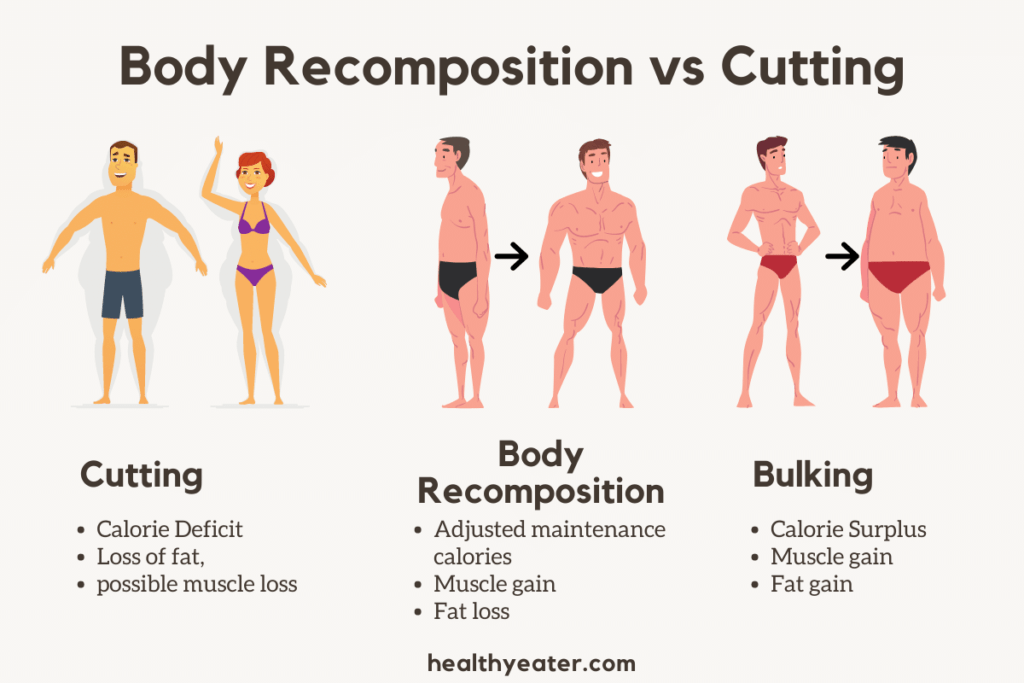
Credit: healthyeater.com
Scientific Studies On Fat And Muscle Growth
Understanding the role of fat in muscle growth is crucial for fitness. Many believe protein is the key to muscle building. But fat also plays a significant role in this process. Scientific studies shed light on how fat impacts muscle growth. Let’s delve into recent research findings and case studies.
Recent Research Findings
Recent studies reveal interesting insights about fat and muscle growth. Researchers found healthy fats aid in muscle protein synthesis. This process is essential for muscle repair and growth. Omega-3 fatty acids show promising results in improving muscle function. They enhance the body’s ability to respond to muscle stress. Additionally, fats help in hormone production. Hormones like testosterone are vital for muscle building.
Another study observed athletes consuming higher fat diets. These athletes showed improved muscle mass and recovery rates. Fat intake is linked to better energy levels during workouts. It helps maintain stamina, allowing longer exercise sessions. This can lead to increased muscle gains over time.
Case Studies
Several case studies highlight the impact of fat on muscle growth. One study followed two groups of weightlifters. The first group consumed a balanced diet with moderate fats. The second group had low-fat diets. Results showed the first group gained more muscle mass. They also had quicker recovery times after workouts.
Another case involved endurance athletes. They were given diets rich in unsaturated fats. These athletes showed improved muscle endurance and strength. The case study emphasized the importance of fat in athletic performance. It concluded that fats are not just energy sources. They play a role in muscle development and recovery.
These studies and cases provide valuable insights. They suggest fat is not the enemy in muscle building. Instead, it can be a helpful ally. Understanding the balance of fats in diet can lead to better muscle growth.
Frequently Asked Questions
Can I Build Muscle Without Getting Fat?
Yes, you can build muscle without getting fat. Focus on strength training and a balanced diet. Consume enough protein and maintain a slight calorie surplus. Avoid junk food and monitor your progress regularly. This helps increase muscle mass while minimizing fat gain.
Can You Build Muscle On Low-fat?
Yes, building muscle on a low-fat diet is possible. Focus on high-quality protein sources and strength training. Balance your macronutrients to support muscle growth and recovery. Include healthy fats for optimal hormonal balance. Prioritize nutrient-dense foods to fuel your workouts and enhance performance.
Consult a nutritionist for tailored advice.
Can You Gain Muscle Even If You’re Skinny?
Yes, skinny individuals can gain muscle with proper diet and strength training. Focus on consuming enough protein and calories. Regular workouts and progressive overload are key. Stay consistent and patient for best results. Remember to consult a fitness expert for personalized guidance and support.
Is It Easier To Gain Muscle When Fat Or Skinny?
Gaining muscle can be easier for individuals with higher body fat due to energy reserves. Being skinny requires a focus on caloric surplus and protein intake. Proper diet and strength training are key for both groups. Tailor your approach to your body type for optimal results.
Conclusion
Building muscle needs a balance. Fat plays a crucial role. It helps hormone production. Hormones like testosterone aid muscle growth. Include healthy fats in your diet. Think avocado, nuts, and olive oil. They boost energy. Energy supports workouts and recovery.
Muscle building requires consistent effort. Combine strength training with nutrition. Focus on protein and carbs too. Don’t fear fat; embrace it wisely. A balanced diet enhances muscle growth. Listen to your body. Adjust as needed. Muscle growth is a journey.
Stay committed. Your effort pays off. Enjoy the process. Celebrate your progress. Keep pushing forward.