Are you wondering if bulimia actually leads to weight loss? Perhaps you or someone you care about is struggling with this issue, and you’re seeking clear answers.
It’s easy to get caught up in the myths and misconceptions surrounding bulimia and its impact on weight. But the truth is, the effects of bulimia are far more complex and potentially dangerous than a simple drop in numbers on a scale.
By understanding the real consequences, you can make informed decisions about your health and well-being. Prepare to uncover the surprising facts that will change your perspective and empower you to take control of your life. Don’t miss out on vital information that could make all the difference for you or your loved ones.
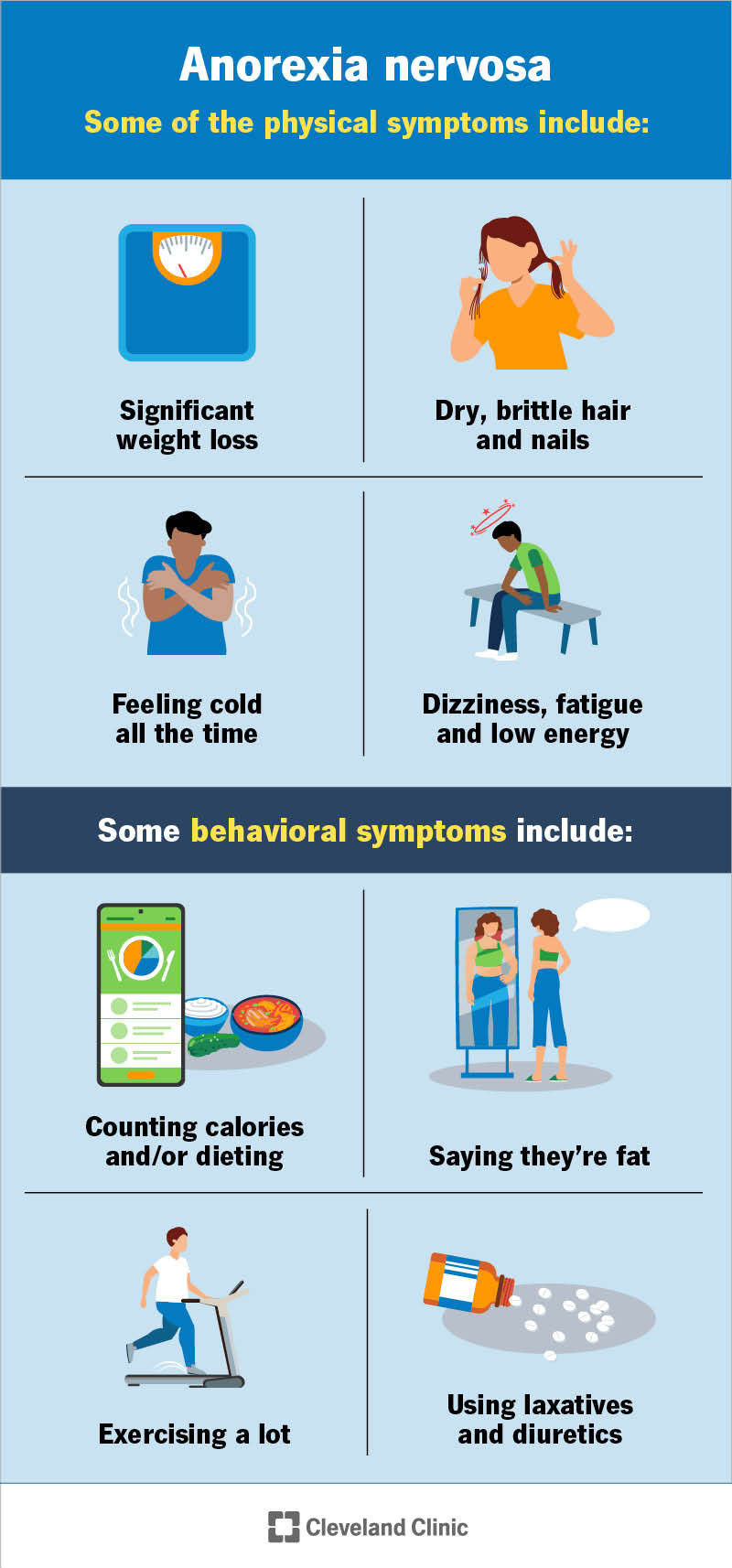
Credit: my.clevelandclinic.org
Bulimia And Its Mechanisms
Bulimia often leads to weight fluctuations rather than consistent weight loss. This eating disorder involves cycles of binge eating followed by purging. Temporary weight loss might occur, but long-term effects can harm the body, making it difficult to maintain a healthy weight.
Bulimia nervosa is a serious eating disorder that often leaves individuals wondering about its true impact on weight and health. This condition involves a cycle of binge eating followed by purging, and while it may seem like a way to control weight, the reality is far more complex. Understanding how bulimia works can help you comprehend its profound effects on the body and mind.What Is Bulimia?
Bulimia is an eating disorder characterized by episodes of consuming large amounts of food, often quickly and in secret. After these binges, individuals feel a loss of control and resort to purging methods like vomiting, excessive exercise, or laxative use to rid themselves of the calories. This cycle is driven by a desperate desire to manage weight and body image, but it often spirals into a harmful pattern that is difficult to break. You might think it’s about weight control, but the emotional and psychological toll is immense.How Bulimia Affects The Body
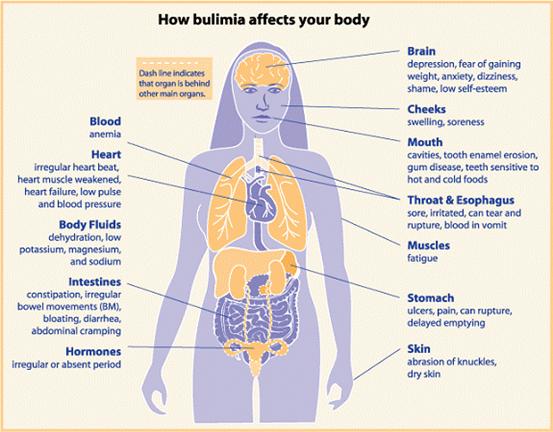
Bulimia takes a severe toll on your physical health, despite its misleading appearance of control. Frequent vomiting can lead to tooth decay, sore throat, and even gastrointestinal problems. You may notice fatigue, dehydration, or heart irregularities due to electrolyte imbalances. The long-term impact can be devastating, affecting everything from your metabolism to your overall nutritional status. Even though weight loss might occur, it is often temporary and comes at a high cost to your health. Consider this: Is the pursuit of a certain weight worth the risk of severe health complications? Recognizing the mechanisms of bulimia might prompt you to seek healthier ways to achieve your goals. If you’re struggling or know someone who is, reaching out for support can be a crucial first step. Engaging with a healthcare provider can lead you to effective treatments and a better understanding of how to manage weight healthily.Weight Loss Myths In Bulimia
Bulimia often gets linked to weight loss. Many believe it leads to a slimmer body. But this is a misleading idea. Understanding these myths is crucial. It helps in grasping the reality of bulimia’s effects on health.
Common Misconceptions
People think bulimia always causes weight loss. This belief is false. Bulimia involves cycles of bingeing and purging. Not all who suffer from bulimia lose weight. Some even maintain or gain weight. The body does not process all consumed calories during bingeing. Purging does not remove all calories either. This misunderstanding can harm those seeking help.
Short-term Vs Long-term Effects
In the short term, bulimia might show some weight loss. This can mislead individuals. But this is not sustainable. Over time, the body undergoes severe stress. Bulimia can lead to serious health issues. These include heart problems and digestive disorders. Weight changes in bulimia are often temporary. Long-term health deteriorates significantly. The focus should shift from weight to overall well-being.
Psychological Impact
Bulimia is more than a physical disorder. Its psychological impact is profound and often devastating. You might wonder how this affects your mental health and self-perception. It’s crucial to explore these aspects to understand the full scope of bulimia’s effects on your life.
Mental Health Challenges
Bulimia is closely linked with mental health issues. Anxiety and depression often accompany this disorder. Imagine waking up each day feeling trapped in a cycle of guilt and shame. These emotions can become overwhelming, affecting your daily life and relationships. It’s essential to recognize these challenges and seek support.
Consider the impact on your social life. You may find yourself avoiding gatherings or meals with friends. This isolation can intensify feelings of loneliness. Have you noticed changes in your mood or behavior? Acknowledging these signs is the first step toward healing.
Body Image Distortions
Bulimia often distorts your perception of your body. You might see yourself differently than others do, focusing on perceived flaws. It’s like looking in a funhouse mirror, seeing a reflection that isn’t true. This distorted body image can drive the cycle of bingeing and purging.
Think about how you view yourself. Do you focus on imperfections more than strengths? This mindset can prevent you from appreciating your unique qualities. It’s important to challenge these distortions and develop a healthier self-image.
Reflect on how media and societal standards influence your perception. Are you comparing yourself to unrealistic ideals? Recognizing these pressures can help you redefine beauty and self-worth. It’s time to shift focus from appearance to health and well-being.
Ask yourself: How is bulimia affecting your mental health and body image? Identifying these impacts can guide you toward recovery. You deserve to feel empowered and confident in your own skin.
Physical Health Consequences
Bulimia nervosa is an eating disorder that affects many. People with bulimia often binge eat and then purge. This cycle can lead to severe physical health issues. Understanding these consequences is vital for those affected.
Nutritional Deficiencies
Bulimia disrupts normal eating patterns. This leads to poor nutrient intake. Essential vitamins and minerals are often lacking. The body struggles to maintain healthy function. Weakness and fatigue become common. Bones can become weak, increasing fracture risk. Hair and nails may become brittle. The skin might lose its healthy glow.
Organ Damage And Risks
The heart faces significant risks. Electrolyte imbalances can occur, affecting heart rhythm. This imbalance may lead to serious complications. Kidneys also suffer from frequent purging. They struggle to maintain fluid balance. The digestive system is not spared either. Stomach acids can harm the esophagus. Tooth enamel erodes, causing dental issues. Over time, these damages worsen. Long-term health risks are substantial.
Recovery And Treatment Options
Bulimia can lead to weight loss due to repeated vomiting and misuse of laxatives. This eating disorder affects both physical health and mental well-being. Effective recovery and treatment options include therapy, nutritional counseling, and support groups.
Recovery from bulimia is challenging but achievable with proper treatment. Treatment options focus on healing both body and mind. Addressing the root causes is essential. Individuals need comprehensive support.Therapeutic Approaches
Therapy plays a vital role in bulimia recovery. Cognitive Behavioral Therapy (CBT) is effective. It helps change negative thought patterns. Patients learn healthier coping strategies. Dialectical Behavioral Therapy (DBT) is another option. It teaches emotion regulation and mindfulness. Therapy should be tailored to individual needs. Some benefit from group therapy sessions. Others prefer one-on-one counseling.Support Networks
Support networks are crucial for recovery. Family can offer emotional support. Friends play a role too. Support groups provide understanding and encouragement. They connect individuals with similar experiences. Online forums offer anonymous support. Professional help should complement these networks. It’s important to have a well-rounded support system.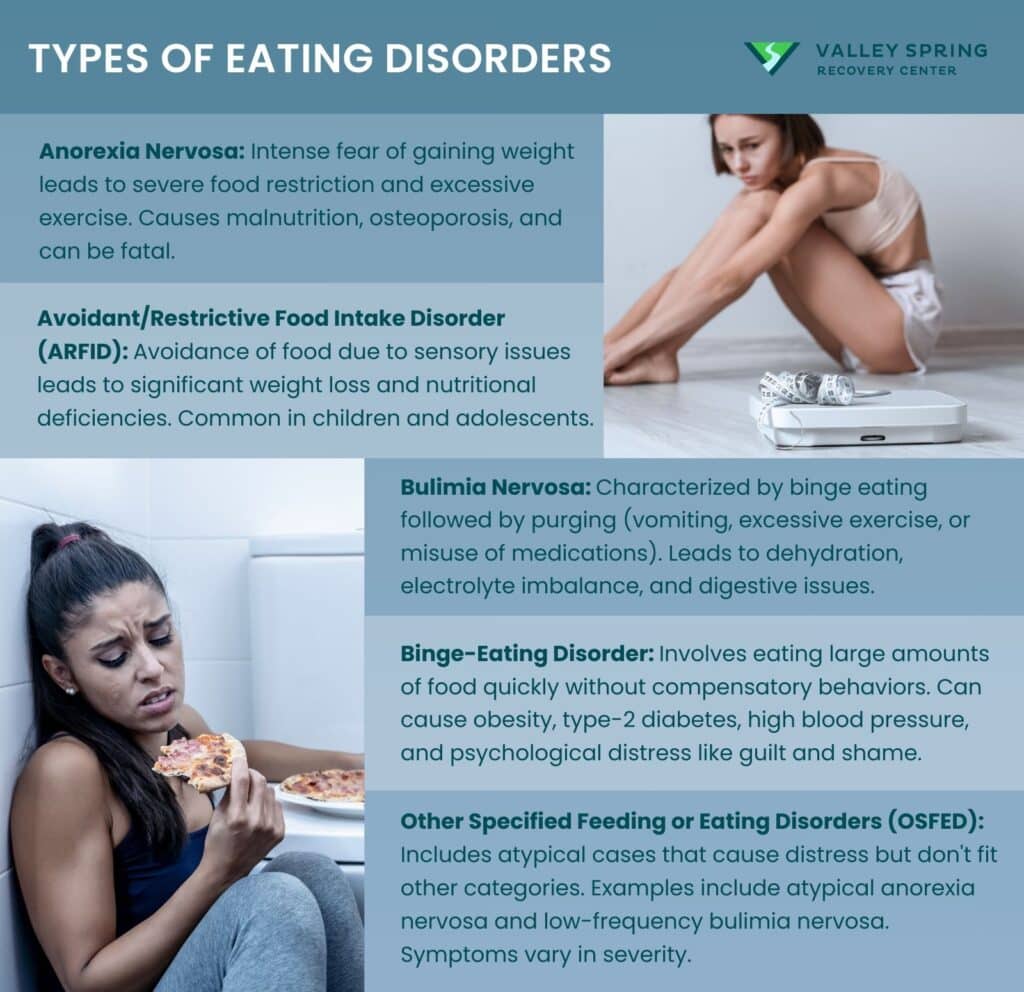
Credit: valleyspringrecovery.com
Real-life Experiences
Bulimia can lead to weight loss, but it’s not healthy or sustainable. People often experience fluctuations in weight due to binge-eating and purging cycles. This disorder affects the body negatively, causing nutritional deficiencies and severe health issues over time.
Real-life Experiences Understanding the real-life experiences of those who have battled bulimia can provide valuable insights into the disorder’s impact on weight loss. Stories shared by individuals who have experienced bulimia reveal a complex relationship between the disorder and body weight. Despite what some might think, bulimia does not guarantee weight loss, and the journey can be filled with unexpected challenges and triumphs.Personal Stories
Many people assume that bulimia always results in weight loss. However, personal stories tell a different tale. Jane, a 25-year-old recovering from bulimia, shared that her weight fluctuated dramatically during her struggle. She explained that the binge-purge cycle often left her feeling more out of control with her eating habits than ever before. Tom, another individual who battled with bulimia, noted that while he initially lost weight, it was not sustainable. The physical toll on his body and the emotional distress made it difficult to maintain any weight loss. He emphasized that bulimia is more about control and less about achieving a particular weight. These stories highlight a critical insight: bulimia is unpredictable. It challenges the notion that eating disorders are effective weight loss strategies. Have you ever considered how the emotional and physical challenges of bulimia overshadow any perceived benefits?Success In Overcoming Bulimia
Overcoming bulimia is a significant achievement and comes with its own set of victories. Sarah, who has been in recovery for three years, attributes her success to a strong support network and professional help. She discovered that addressing the root causes of her disorder was vital to her recovery. Mark found success by focusing on building a healthier relationship with food. He learned to appreciate his body’s needs and prioritize his mental health. His story inspires others to seek help and underscores the importance of a holistic approach to recovery. These successes demonstrate that recovery from bulimia is possible and worthwhile. What steps can you take to support someone on their journey to recovery? Recognizing the courage in these stories can empower others to seek the help they need and deserve.
Credit: www.facebook.com
Frequently Asked Questions
Does Bulimia Include Weight Loss?
Bulimia can lead to weight loss, but not always. Many individuals maintain their weight. Bulimia involves binge eating and purging, which can cause weight fluctuations. It’s crucial to seek professional help for bulimia treatment.
How Does Bulimia Change Your Body?
Bulimia can cause dehydration, electrolyte imbalances, and digestive issues. It damages teeth, leads to irregular heartbeats, and affects mental health. Long-term effects include gastrointestinal problems and nutrient deficiencies.
Does Bulimia Result In Low Body Weight?
Bulimia does not always result in low body weight. Some individuals maintain normal weight or even gain weight. Frequent binging and purging can disrupt metabolism, affecting weight. It’s crucial to seek professional help for proper diagnosis and treatment.
Does Bulimia Mess Up Metabolism?
Yes, bulimia can disrupt metabolism. It causes irregular eating patterns and nutrient deficiencies, affecting metabolic rates. Frequent purging can also harm the digestive system, worsening metabolic issues. Over time, this may lead to weight fluctuations and difficulty maintaining a healthy weight.
Seeking professional help is crucial for recovery and restoring metabolic balance.
Conclusion
Bulimia can lead to weight loss, but it’s harmful. The cycle of bingeing and purging damages health. It risks severe complications, affecting the body and mind. Weight loss might seem like a goal. But the costs are high and dangerous.
Seeking professional help is crucial. Recovery offers a healthier path. It ensures well-being and balanced living. The journey to recovery can be challenging. Yet, it’s worth every effort for a healthier future. Understanding bulimia’s risks encourages informed decisions. Choose health and happiness over temporary weight loss.
Always prioritize long-term well-being.