Are you curious about whether your cardio routine is helping you build muscle? You’re not alone.
Many fitness enthusiasts wonder if their hours spent running, cycling, or swimming are contributing to muscle growth or merely burning calories. Understanding how cardio interacts with muscle building can transform your workouts and maximize results. Imagine achieving a lean, toned physique while improving your cardiovascular health at the same time.
We’ll explore the science behind cardio and muscle growth, debunk common myths, and provide you with actionable insights. Prepare to uncover the truth and optimize your fitness journey. Keep reading to discover how you can harness the power of cardio to achieve your muscle-building goals.
Cardio And Muscle Physiology
Cardio exercises, like running and cycling, are known for burning calories. But their impact on muscle physiology is also significant. Understanding how cardio interacts with muscle can help optimize workouts.
Cardio’s Impact On Muscle Fibers
Muscles consist of two main types of fibers: slow-twitch and fast-twitch. Cardio primarily engages slow-twitch fibers. These fibers are more resistant to fatigue. They improve endurance over time.
Cardio And Muscle Strength
Cardio doesn’t directly build muscle strength. It increases circulation and oxygen flow. Improved circulation aids muscle recovery and growth post-strength training.
Cardio And Muscle Size
Muscle hypertrophy, or growth in size, requires resistance training. Cardio can support muscle growth indirectly. It enhances metabolic efficiency, aiding nutrient delivery to muscles.
Cardio And Muscle Endurance
Cardio exercises enhance muscle endurance. They train muscles to sustain activity longer. Improved endurance benefits overall fitness and performance.
Cardio’s Role In Muscle Recovery
Light cardio can assist recovery after intense workouts. It reduces soreness and stiffness. Recovery cardio should be low-intensity to avoid strain.

Credit: www.youtube.com
Different Types Of Cardio
Cardio exercises like running, cycling, and swimming increase heart rate and burn calories. While cardio primarily improves cardiovascular health, it can support muscle growth when combined with resistance training. Activities like HIIT also promote muscle endurance and strength.
Cardio workouts are often seen as the go-to for burning calories and improving heart health. But can they also contribute to building muscle? The answer isn’t as straightforward as you might think. Different types of cardio can impact muscle building in unique ways. Let’s delve into the two main types: Low-Intensity Steady State and High-Intensity Interval Training.Low-intensity Steady State (liss)
Low-Intensity Steady State, or LISS, involves performing aerobic exercises at a constant, moderate pace. Think walking, cycling, or jogging. These activities are great for endurance and fat loss. However, they don’t significantly build muscle on their own. That being said, LISS can complement a strength training routine. It aids in muscle recovery by increasing blood flow and reducing soreness. Additionally, it helps improve stamina, allowing you to lift heavier weights in your strength sessions. During a period when I was recovering from a knee injury, LISS was a lifesaver. Walking briskly for 30 minutes daily kept my muscles engaged without straining my injury. If you’re looking for a gentle way to stay active, LISS is a solid choice.High-intensity Interval Training (hiit)
High-Intensity Interval Training, or HIIT, is a powerhouse for those aiming to build muscle while torching calories. It alternates between short bursts of intense activity and brief rest periods. This method not only burns fat efficiently but also engages your muscles in a way that promotes growth. A typical HIIT session might include sprints, burpees, and jump squats. These exercises require explosive power, activating fast-twitch muscle fibers. Over time, this can lead to increased muscle mass and improved strength. HIIT can be a game-changer if you’re short on time. A 20-minute HIIT session can be as effective as a longer, steady workout. But it’s important to listen to your body. Pushing too hard can lead to burnout or injury. So, which type of cardio will you choose? Consider your fitness goals and personal preferences. Both LISS and HIIT offer unique benefits. The key is to find what works for you and keeps you motivated.Cardio’s Impact On Muscle Growth
Cardio workouts are famous for keeping your heart healthy and burning calories. But what about muscle growth? Many people wonder if cardio can help build muscle or if it simply burns fat. The truth is, cardio’s impact on muscle growth is complex and intriguing. While it may not be the primary way to bulk up, cardio can still play a role in muscle development. Let’s dive into how cardio affects muscle protein synthesis and hormonal responses.
Muscle Protein Synthesis
Muscle protein synthesis is the process your body uses to repair and build muscle fibers after exercise. Cardio exercises like running or cycling can enhance this process. When you engage in cardio, you increase blood flow, delivering more nutrients and oxygen to your muscles. This can aid in recovery and promote muscle growth over time.
However, it’s crucial to balance cardio with strength training. Too much cardio can lead to muscle breakdown, especially if you’re not consuming enough protein. Make sure you incorporate exercises like weightlifting to ensure your muscles are getting the stimulation they need. Are you mixing up your workouts to optimize muscle growth?
Hormonal Responses
Cardio affects your hormones in ways that can impact muscle growth. During cardio, your body releases hormones like cortisol and adrenaline. These hormones help you manage energy and stress levels but can also lead to muscle breakdown if levels are too high.
On the flip side, cardio can boost testosterone and growth hormone levels, which are key for muscle building. Short, intense cardio sessions like sprinting can be beneficial. They stimulate these anabolic hormones without causing significant muscle loss. Have you tried alternating between cardio types to see which works best for your muscle goals?
Incorporating cardio into your routine can be a balancing act. Finding the sweet spot between cardio and strength training can help you achieve your muscle growth goals. Consider mixing high-intensity intervals with weight training to harness the benefits of both. What changes will you make in your routine to support muscle growth?

Credit: www.youtube.com
Balancing Cardio And Strength Training
Balancing cardio and strength training can be a challenge for many fitness enthusiasts. Both exercises have unique benefits, but finding the right balance is crucial. Cardio enhances heart health and burns calories, while strength training builds and tones muscles. Combining both can lead to improved overall fitness and body composition. But how can one effectively balance these two types of workouts?
Finding The Right Mix
Finding the right mix of cardio and strength training depends on your goals. If muscle gain is the priority, focus more on strength exercises. Limit cardio sessions to prevent muscle loss. For those aiming for weight loss, increase cardio frequency while maintaining strength training. This approach ensures a well-rounded fitness routine.
Training Frequency And Timing
Training frequency and timing are crucial for effective results. Perform strength training at least twice a week. Cardio sessions can vary from three to five times a week, depending on your goals. Timing also plays a role. Some prefer cardio in the morning for energy boost. Others find evening sessions better for unwinding. Listen to your body and adjust accordingly.
Cardio Benefits Beyond Muscle Building
Cardio workouts offer more than just muscle building. They bring numerous benefits to the body. While cardio may not bulk muscles, it strengthens the heart and lungs. It enhances overall fitness and mental health. Explore the numerous benefits of cardio beyond muscle building.
Cardiovascular Health
Cardio exercises boost heart health significantly. They improve blood circulation and lower blood pressure. A healthy heart pumps blood efficiently. This reduces the risk of heart diseases. Regular cardio strengthens the heart muscle, enhancing its performance.
Endurance And Stamina
Cardio workouts increase endurance and stamina. They help you exercise longer without getting tired. Regular cardio trains the body to use oxygen efficiently. This enhances performance in daily activities. Improved stamina leads to better physical and mental endurance.
Common Myths And Misconceptions
Many people have misconceptions about cardio and muscle building. Some believe cardio hinders muscle growth. Others think it’s only for weight loss. These myths can confuse those new to fitness. Let’s explore the truth behind these beliefs.
Cardio Burns Muscle
A common myth is that cardio burns muscle. People think running or cycling can eat away muscle. This is not entirely true. Cardio, when done right, helps maintain muscle. It burns fat, not muscle. To prevent muscle loss, combine cardio with strength training. Balance is the key to preserving muscle mass.
Cardio Is Only For Weight Loss
Many see cardio as just a tool for weight loss. They believe it’s only for shedding pounds. But cardio offers more benefits. It improves heart health and increases endurance. It also boosts mood and energy levels. Cardio and muscle building can go hand in hand. A good fitness plan includes both. Cardio helps muscle recovery, making workouts more effective.
Expert Insights And Recommendations
Discover expert insights on whether cardio can contribute to muscle building. Cardio exercises primarily improve heart health and endurance. While not directly building muscle, they complement strength training by increasing stamina.
When it comes to building muscle, cardio is often viewed with skepticism. Many fitness enthusiasts wonder if the hours spent running or cycling could actually contribute to muscle growth. To shed light on this, let’s dive into expert insights and recommendations. This section provides you with advice from fitness professionals and findings from scientific studies, giving you a well-rounded view on whether cardio can indeed help you build muscle.Advice From Fitness Professionals
Many fitness trainers agree that cardio can play a role in muscle building. Personal trainers often suggest integrating moderate cardio into a strength-training routine to enhance overall fitness. For instance, mixing short bursts of high-intensity interval training (HIIT) with weightlifting can improve cardiovascular health while also engaging muscle fibers. Your muscles might benefit from the increased blood flow and oxygen that cardio provides, assisting in recovery and growth. Your favorite fitness influencer might also mention the importance of finding the right balance. Too much cardio can counteract muscle gains, but strategic, low-impact sessions can complement your muscle-building efforts. Have you ever considered how a simple jog could enhance your leg day gains?Scientific Studies And Findings
Research supports the idea that cardio, when done correctly, can aid muscle growth. A study published in the Journal of Applied Physiology found that combining cardio with resistance training led to increased muscle hypertrophy compared to resistance training alone. Scientists have discovered that performing cardio after weight training can maximize muscle protein synthesis. This means your muscles can grow more effectively when cardio is timed right. Have you tried adjusting your workout schedule to see if it boosts your results? Moreover, studies also highlight the benefits of cardio for maintaining muscle during weight loss. Cardio helps in burning fat while preserving lean muscle mass, making it a valuable tool in your fitness arsenal. Are you utilizing cardio to its full potential in your muscle-building journey? Incorporating expert advice and scientific findings can transform your approach to fitness. By understanding the nuanced role of cardio in muscle growth, you can make informed decisions that align with your goals. So, how will you adjust your routine to reap these benefits?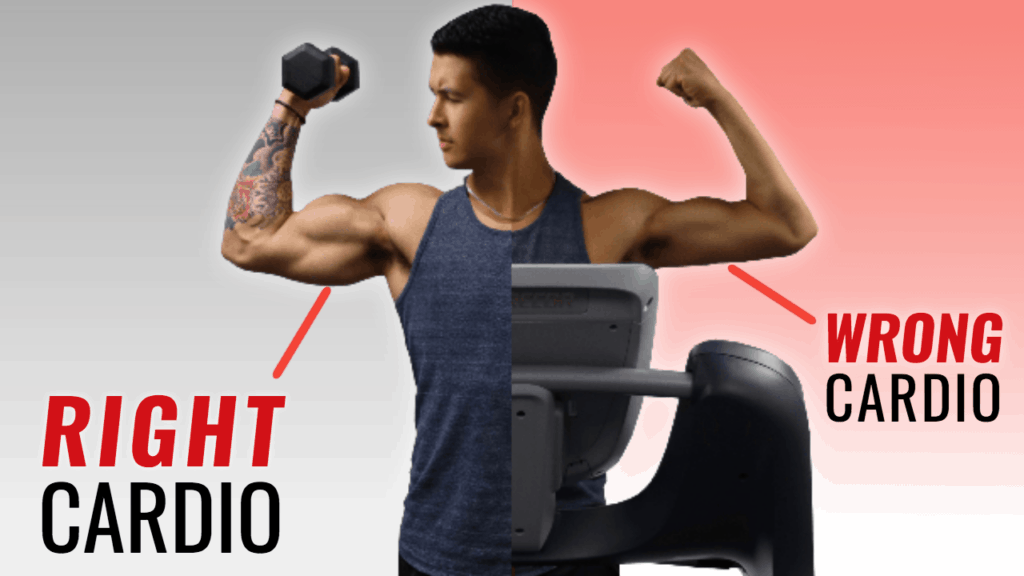
Credit: builtwithscience.com
Frequently Asked Questions
Can You Gain Muscle When Doing Cardio?
Yes, you can gain muscle while doing cardio. Focus on high-intensity interval training and include strength exercises. Combine protein-rich nutrition for muscle growth. Balance cardio with resistance training to maximize muscle gains. Choose activities like running or cycling that engage multiple muscle groups.
Does Cardio Make You Toned?
Cardio helps burn calories, reducing fat and revealing muscle definition. Combine cardio with strength training for better toning results. Eating a balanced diet also supports muscle toning. Choose exercises like running, swimming, or cycling to improve cardiovascular health and overall fitness while enhancing muscle tone.
Can Cardio Alone Build Muscle?
Cardio alone is not sufficient for building muscle. It primarily aids in burning calories and improving cardiovascular health. To build muscle, strength training exercises are essential. Combining cardio with resistance training can help maintain muscle mass while improving overall fitness.
How Does Cardio Affect Muscle Growth?
Cardio can support muscle growth by improving cardiovascular efficiency and endurance. However, excessive cardio may hinder muscle gains. Balancing cardio with strength training ensures optimal muscle growth and fat loss. It’s crucial to tailor your cardio routine to complement your muscle-building goals.
Conclusion
Cardio alone doesn’t build muscle. It aids in overall fitness and health. Strength training remains key for muscle growth. Combine both for balanced results. Cardio boosts endurance, heart health, and calorie burn. Muscle gains need resistance, proper nutrition, and rest.
Each plays a role in fitness. Listen to your body. Find the right mix that suits you. Stay consistent in your routine. Balance cardio and strength for optimal benefits. This approach supports both muscle and heart health. Aim for a healthy lifestyle, not just muscles.
Keep moving forward with your fitness journey.