Ever wondered if cycling can help you build muscle? You’re not alone.
Many people hop on their bikes for a good cardio workout, but they aren’t sure what it’s doing for their muscles. If you’ve been pedaling away and questioning its impact on your body’s strength, you’re in the right place. Imagine feeling stronger, more confident, and seeing real changes in your legs, core, and overall physique.
This isn’t just a dream—cycling might be your ticket to achieving those goals. Keep reading to discover how this fun, low-impact activity can transform your body and take your fitness to the next level. Unlock the secrets of cycling and muscle building right here, and find out how you can make the most of every ride.
Credit: www.cyclingweekly.com
Benefits Of Cycling For Fitness
Cycling helps in building muscles, especially in the lower body. It strengthens legs, glutes, and calves through regular pedaling. While mainly a cardiovascular exercise, cycling also tones muscles, enhancing overall fitness.
Cycling is more than just a mode of transportation or a leisure activity. It’s a powerful tool for building fitness and improving your overall health. Whether you’re cycling through city streets or along scenic trails, the benefits of cycling for fitness are undeniable. You might be wondering how cycling impacts your fitness routine and what specific advantages it brings. Let’s break it down.Enhances Cardiovascular Health
Cycling is an excellent way to boost your heart health. Regular cycling gets your heart pumping and blood flowing. This can reduce your risk of cardiovascular diseases significantly. You may find yourself feeling more energetic and less winded during daily activities.Strengthens Muscles
Does cycling build muscle? Absolutely. While it may not bulk you up like weightlifting, cycling does engage your lower body muscles. Your quadriceps, hamstrings, and calves work hard during a ride. Over time, you’ll notice improved muscle tone and strength. Next time you tackle a steep hill, you’ll feel the difference.Promotes Weight Loss
Cycling can be a fun way to burn calories. A moderate cycling session can help you shed unwanted pounds. Combined with a balanced diet, cycling can be a key part of your weight loss journey. Have you noticed your clothes fitting better lately?Improves Mental Health
Ever felt the rush of endorphins after a great ride? Cycling can significantly boost your mood and reduce stress levels. It’s a form of exercise that offers a mental escape, giving you time to clear your mind. Next time you’re feeling overwhelmed, try taking your bike for a spin.Increases Flexibility And Joint Mobility
Cycling is a low-impact exercise that’s gentle on your joints. It helps improve your flexibility and joint mobility without putting too much strain on your body. If you have concerns about joint health, cycling might be a suitable option for you.Accessible And Versatile
One of the best things about cycling is its accessibility. You can cycle almost anywhere, and it doesn’t require a gym membership. Whether you prefer biking through your neighborhood or tackling mountain trails, cycling offers versatility. How can you incorporate more cycling into your routine? Incorporating cycling into your fitness plan offers diverse benefits. It’s not just about getting from point A to point B. Cycling can transform your health and well-being in ways you might not have anticipated. So, why not hop on a bike and start experiencing the benefits firsthand?
Credit: billbonebikelaw.com
Muscle Groups Engaged In Cycling
Cycling is not just about pedaling. It engages various muscle groups. These muscles work together to propel the bike forward. Understanding these groups helps maximize the benefits of cycling. Let’s dive into the key muscle groups engaged in cycling.
Lower Body Muscles
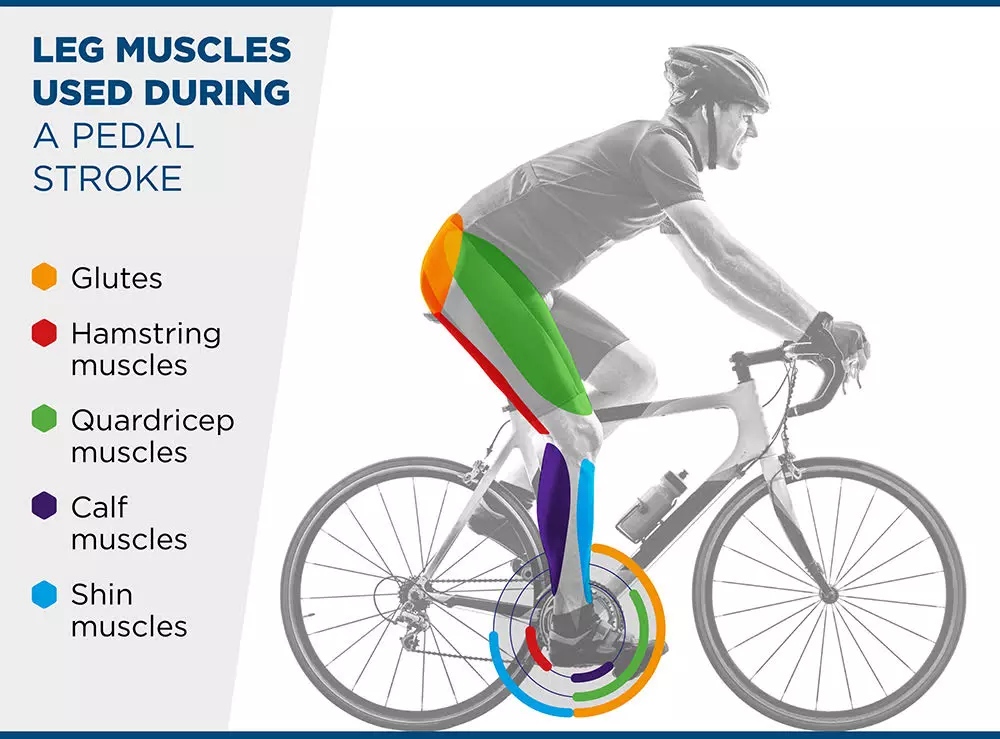
The lower body plays a crucial role in cycling. The quadriceps, located at the front of the thighs, are heavily engaged. They help push the pedals down. The hamstrings, found at the back of the thighs, assist in pulling the pedals up. Together, they create a smooth pedaling motion.
The calves also contribute significantly. They help extend the ankles. This movement adds power to each pedal stroke. Glutes, or the buttock muscles, provide stability and strength. They assist in maintaining balance and power. Strong glutes enhance cycling performance.
Core Stability
Core muscles are vital for balance and control. A strong core keeps the body stable. It ensures efficient energy transfer. The abdominals and obliques help maintain proper posture. They prevent unnecessary swaying during rides.
Core strength reduces fatigue on long rides. It supports the lower back. This minimizes the risk of injuries. A stable core enhances overall cycling efficiency.
Upper Body Involvement
While cycling primarily targets the lower body, the upper body is not idle. The arms, shoulders, and back play supporting roles. They help in steering and maintaining balance. The biceps and triceps engage while gripping the handlebars.
The shoulders and upper back assist with posture. They ensure a comfortable riding position. Strengthening these muscles improves endurance. It also reduces strain during long rides. Though less prominent, upper body involvement is crucial.
Cycling Vs. Traditional Strength Training
Cycling can enhance muscle tone, especially in the legs, while traditional strength training targets multiple muscle groups more effectively. Both activities improve overall fitness and strength. Regular cycling builds endurance and strengthens muscles, but it doesn’t bulk up muscles like weightlifting does.
Cycling and traditional strength training each offer unique benefits. But how do they stack up when it comes to building muscle? This question is common among fitness enthusiasts. Many people wonder if they can skip the weights and just hop on a bike. Understanding the differences can help you make informed decisions about your workout routine.Comparative Muscle Gains
Cycling primarily targets the lower body. It strengthens muscles like your quadriceps, hamstrings, and calves. Over time, you may notice more definition and strength in your legs. Traditional strength training, on the other hand, targets specific muscle groups. It allows for more controlled muscle growth across your entire body. Lifting weights can lead to significant muscle gains if you’re consistent. Consider your goals. Do you want to enhance your leg muscles or achieve overall muscle growth? This will help you decide which exercise suits you better.Endurance Vs. Strength Focus
Cycling is fantastic for building endurance. Long rides improve cardiovascular health and stamina. If you enjoy long-distance rides, cycling can be the perfect fit. Strength training focuses more on building muscle mass and power. It’s about pushing your limits with heavier weights over time. This can lead to greater muscle strength and definition. Think about your fitness objectives. Do you aim for endurance or want to lift heavier weights? Your preference will guide your exercise choice. Both cycling and strength training have their merits. I remember when I first started cycling, my endurance skyrocketed. But I missed the feeling of lifting heavy weights and seeing muscle growth. Balancing both can be a strategic approach for diverse fitness goals. What are your fitness aspirations? Would a combination of cycling and strength training help you achieve them? Consider integrating both for a comprehensive workout routine.Impact Of Cycling Intensity On Muscle Growth
Cycling can help build muscle, especially in the legs. High-intensity cycling improves muscle strength and endurance. Regular rides can increase muscle tone and promote growth.
Cycling is a fantastic way to stay fit, but does it actually help build muscle? The intensity of your cycling sessions can greatly impact muscle growth. Whether you’re pushing yourself with high-intensity rides or cruising through low-intensity sessions, each approach offers unique benefits and challenges for muscle development. Let’s dive into how the intensity of cycling affects your muscles and how you can tailor your rides to meet your fitness goals.High-intensity Cycling
High-intensity cycling can be a game-changer for muscle growth. Think about the effort you put into sprinting uphill or engaging in interval training. These intense bursts of energy challenge your muscles, forcing them to adapt and grow stronger. When you cycle at high intensity, your muscles experience a greater load. This can lead to muscle hypertrophy, where the muscle fibers increase in size. It’s similar to lifting weights at the gym. Incorporating high-intensity cycling into your routine might seem daunting, but consider the rewards. Not only does it improve muscle tone, but it also enhances cardiovascular fitness. Have you ever noticed how cyclists with robust leg muscles often engage in vigorous rides?Low-intensity Cycling
Low-intensity cycling offers a different set of benefits for muscle growth. While it might not result in significant muscle size increase, it contributes to muscle endurance. Think of those leisurely rides where you enjoy the scenery and maintain a steady pace. During low-intensity cycling, your muscles are engaged over a longer period. This helps improve the efficiency of muscle fibers and overall stamina. Imagine cycling through your favorite park without feeling exhausted at the end. Low-intensity rides can be particularly beneficial if you’re looking to maintain muscle health without overstraining. It’s like enjoying a peaceful walk versus a sprint. How often do you take the time to slow down and appreciate your surroundings while still working those muscles? Whether you prefer high-intensity bursts or a relaxed pace, both types of cycling can contribute to muscle growth. It’s all about finding the balance that suits your fitness journey. Which intensity aligns with your goals and lifestyle?Role Of Nutrition In Muscle Building
Cycling supports muscle building by engaging various muscle groups, especially legs, through repetitive pedaling motion. Adequate nutrition fuels these muscles, aiding in recovery and growth. Protein-rich foods and balanced diets are vital for strengthening and maintaining muscle mass during cycling activities.
Cycling is a great way to improve fitness. It boosts cardiovascular health and endurance. But does it build muscle? The answer lies in nutrition. Nutrition plays a vital role in muscle growth and recovery. Proper nutrition helps repair muscle fibers. It fuels them for growth. Let’s explore how protein and carbohydrates can help.Protein Intake
Protein is essential for muscle building. Muscles need protein to repair and grow. Cyclists should include protein-rich foods in their diet. Chicken, fish, eggs, and beans are great choices. Protein shakes can be a convenient option. Aim for a balanced intake after cycling. Timing is important. Consuming protein after exercise helps muscle recovery. It aids in building strength.Carbohydrate Needs
Carbohydrates provide energy for cycling. They fuel the muscles during long rides. Whole grains and fruits are good sources. Eating enough carbs prevents muscle fatigue. It ensures optimal performance. Carbs also help replenish glycogen stores. This aids recovery. A balanced diet with carbs supports muscle growth. It helps maintain energy levels for effective workouts.
Credit: discover.hubpages.com
Incorporating Resistance Training With Cycling
Cycling is a great cardiovascular exercise that strengthens your heart and lungs. But, to build muscle, pairing cycling with resistance training can be beneficial. Resistance exercises target specific muscle groups, enhancing overall strength. This combination can improve cycling performance and support muscle growth.
Complementary Exercises
Incorporate exercises that complement cycling. Squats and lunges can build leg muscles. These exercises engage quads, hamstrings, and calves, similar to cycling. Deadlifts and leg presses can also be effective. They help in increasing lower body strength.
Upper body exercises should not be overlooked. Push-ups and pull-ups strengthen arms and back. A strong upper body aids in maintaining proper cycling posture. Core exercises like planks and sit-ups enhance stability. A strong core supports efficient cycling.
Creating A Balanced Routine
Create a balanced routine to ensure comprehensive muscle growth. Dedicate days for both cycling and resistance training. This allows muscle recovery and growth. Alternate between cycling days and strength training days. This pattern prevents overtraining and reduces injury risk.
Ensure you include rest days in your routine. Muscles need time to repair and grow. A balanced routine should adapt to your fitness level. Start with lighter weights and gradually increase. Consistency and progression are key to building muscle.
Tips For Maximizing Muscle Growth Through Cycling
Cycling is a fantastic way to build muscle while enjoying the outdoors. To get the most out of your cycling routine, focus on strategies that enhance muscle growth. With the right approach, cycling can strengthen your legs, core, and even upper body. Below are key tips to help you maximize muscle growth through cycling.
Effective Training Strategies
To build muscle, vary your cycling routine. Include different terrains and intensities. Hill climbs are excellent for muscle development. They engage your quadriceps, hamstrings, and calves. High-intensity interval training (HIIT) is another effective method. It involves short bursts of intense effort followed by rest. This boosts muscle endurance and strength.
Increase resistance during cycling. Use higher gears on flat roads. This increases the effort needed, working your leg muscles harder. Consistency is crucial. Regular cycling sessions ensure steady muscle growth. Aim for at least three rides a week. Mix long-distance rides with shorter, intense ones.
Recovery And Rest
Muscle growth happens during rest. After intense cycling, allow your muscles to recover. Get enough sleep each night. Sleep is vital for muscle repair and growth. Aim for seven to nine hours. Nutrition plays a role in recovery. Eat a balanced diet rich in proteins and carbohydrates.
Consider post-ride stretching. It helps prevent stiffness and aids recovery. Listen to your body. Rest if you feel fatigued or sore. Overtraining can lead to injuries. Include rest days in your routine. They are as important as training days. Rest days let muscles heal and grow stronger.
Common Myths About Cycling And Muscle Building
Cycling often sparks debate on muscle growth. While it strengthens leg muscles, it’s less effective for upper body development. Many believe cycling doesn’t build muscle, but it indeed tones and enhances endurance.
Cycling is a fantastic activity that many enjoy for its health benefits and outdoor appeal. However, there are several common myths about cycling and muscle building. These misconceptions can lead to confusion about what cycling can actually do for your body. Let’s debunk some of these myths and get a clearer picture of how cycling influences muscle development.Myth 1: Cycling Only Builds Leg Muscles
It’s true that cycling primarily engages your leg muscles, including your quadriceps, hamstrings, and calves. However, it’s not limited to just your legs. Your core muscles, such as your abs and lower back, play a crucial role in maintaining balance and stability while riding. Cycling also engages your glutes and hip flexors, providing a full lower-body workout. Notice how you feel after a long ride. You might be surprised at the soreness in your core or the tightness in your glutes.Myth 2: Cycling Doesn’t Build Muscle Mass
Some people believe cycling doesn’t add muscle mass because it’s a cardio exercise. While it’s true that cycling is primarily aerobic, it does contribute to muscle endurance and strength. Your muscles adapt to the repetitive motion by growing stronger, especially if you cycle regularly. Consider the resistance training aspect—cycling uphill or increasing pedal resistance can lead to noticeable muscle growth over time.Myth 3: You Need Weight Training To Build Muscle
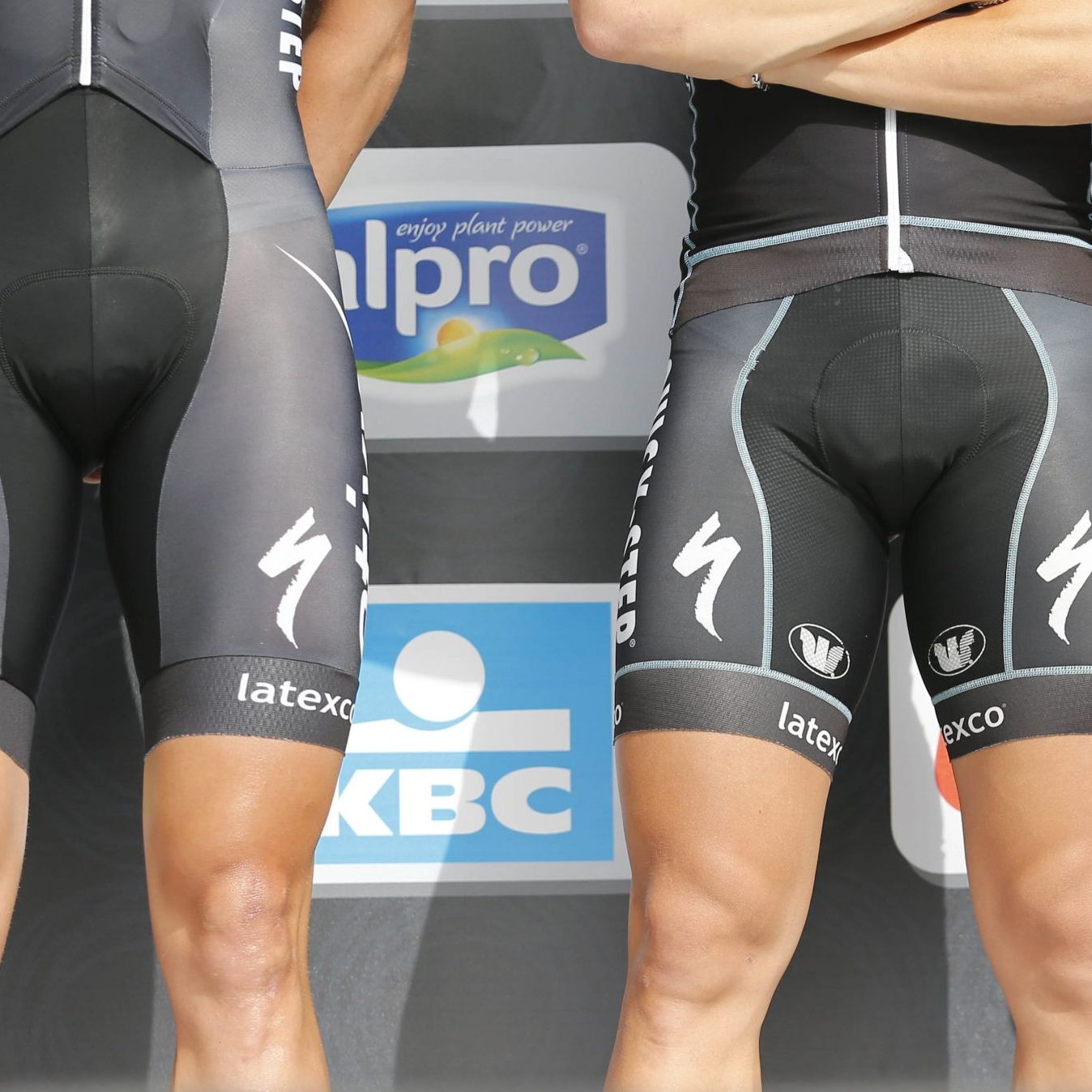
Cycling can complement weight training, but it’s not necessary to build muscle. If you focus on high-intensity rides and tackle various terrains, your muscles will grow stronger and more defined. Think about professional cyclists, whose muscular legs are a testament to how cycling alone can build muscle. You can achieve similar results by incorporating sprint intervals or hill climbs into your routine.Myth 4: Cycling Will Make You Bulky
Cycling generally doesn’t lead to bulky muscles. It tends to promote lean muscle development due to its aerobic nature. If your goal is to avoid becoming bulky, cycling is an excellent choice. Reflect on your personal fitness goals. If you want to build lean muscle while enjoying the outdoors, cycling offers a balanced approach that keeps you fit without excessive bulk.Myth 5: Cycling Is Only For Weight Loss
While cycling is effective for burning calories, it’s not solely for weight loss. The strength and endurance gains you make can enhance your overall fitness. Consider how cycling improves cardiovascular health and builds muscle endurance. It’s about creating a balanced fitness routine that supports multiple aspects of health. Have you ever thought about how cycling fits into your fitness goals? Whether you’re aiming for strength, endurance, or weight management, cycling can play a pivotal role in achieving a well-rounded fitness level.Frequently Asked Questions
How Long Should I Cycle To Build Muscle?
Cycle for 30-60 minutes, 3-5 times a week to build muscle. Combine with strength training for best results. Focus on high-intensity intervals to maximize muscle gain. Ensure proper nutrition and recovery for optimal muscle growth. Consistency is key to achieving desired results.
Adjust intensity and duration according to fitness level.
Does Cycling Tone Belly Fat?
Cycling helps burn calories, reducing overall body fat, including belly fat. It strengthens core muscles, aiding in toning. Regular cycling sessions combined with a balanced diet enhance results. Consistency is key for noticeable changes. Cycling is effective for weight management and improving cardiovascular health.
What Body Shape Does Cycling Give You?
Cycling primarily tones the lower body, enhancing leg muscles, hips, and glutes. It promotes a lean, athletic physique. Regular cycling also boosts cardiovascular health, reducing body fat and improving overall fitness. Consistent cycling can lead to a balanced, well-proportioned body shape with improved endurance and muscle definition.
Is Cycling 2 Miles A Day Good?
Cycling 2 miles a day is beneficial for your health. It improves cardiovascular fitness and strengthens muscles. Regular cycling helps in weight management and boosts mental well-being. This low-impact exercise is suitable for most fitness levels and can enhance overall endurance and energy levels.
Conclusion
Cycling does help build muscle, especially in your legs. Pedaling strengthens calves, quads, and hamstrings. It also tones your glutes. Regular cycling improves endurance and muscle tone. Pair cycling with strength training for better results. Eating protein-rich foods aids muscle growth.
Cycling also boosts cardiovascular health. It’s an enjoyable and effective workout. Perfect for those seeking fitness and muscle growth. Remember, consistency is key. Ride regularly for the best outcomes. Enjoy the journey to stronger muscles.