Imagine reaching for a refreshing drink to quench your thirst. You might wonder if diet soda could do the trick.
After all, it’s calorie-free, bubbly, and delicious. But does it actually hydrate you? This question might be more important than you think, especially if you’re trying to make smart choices for your health. You’ll uncover the truth behind diet soda and hydration.
Prepare to be surprised by what you’ll learn. Stay with us as we explore the science, debunk myths, and provide you with the knowledge you need to make informed decisions about your hydration habits. Your well-being might just depend on it.
Credit: continentalhospitals.com
Diet Soda And Hydration
In today’s fast-paced world, many people reach for diet soda as a refreshing alternative to water, but does it really hydrate you? While the fizzy drink might quench your thirst, it’s essential to understand its effects on your body’s hydration levels. Let’s dive into the relationship between diet soda and hydration to see if it’s a suitable option for keeping you refreshed.
Does Diet Soda Contribute To Your Daily Fluid Intake?
Diet soda contains a high percentage of water, which means it can indeed contribute to your daily fluid intake. Many people find it easier to drink more fluids if they enjoy the taste, making diet soda a tempting option. However, relying solely on diet soda for hydration might not be the best idea.
Ingredients In Diet Soda: Do They Affect Hydration?
Diet sodas often contain caffeine, which is known for its diuretic properties. While moderate caffeine consumption might not cause dehydration, excessive intake could lead to increased urine production. The artificial sweeteners in diet sodas can also have varying effects on different individuals, potentially impacting hydration.
Comparing Diet Soda With Water: Which Is Better For Hydration?
Water is the gold standard for hydration because it contains no added ingredients. Unlike diet soda, water doesn’t have caffeine or artificial sweeteners, making it a pure source of hydration. If you’re looking for optimal hydration, water is typically the better choice.
Can Diet Soda Be Part Of A Balanced Hydration Strategy?
Including diet soda as part of your hydration strategy can work, but balance is key. Pairing diet soda with plenty of water throughout the day ensures you stay well-hydrated. Consider your lifestyle and how much diet soda fits into your daily routine without replacing water intake.
Personal Experience: Finding The Right Hydration Balance
I once relied heavily on diet soda during busy workdays, thinking it was hydrating enough. After feeling sluggish, I realized I wasn’t consuming enough water. By balancing diet soda with more water, I felt more energetic and focused. What about you? Could a similar adjustment enhance your hydration?

Credit: www.facebook.com
Ingredients In Diet Soda
Ever wondered what’s inside that can of diet soda you sip on during a hot day? It’s more than just a fizzy drink that quenches your thirst. Understanding the ingredients can help you decide if it’s truly hydrating. Let’s dive into the key components that make diet soda what it is.
Artificial Sweeteners
Diet soda is known for its sweet taste without the calories. This magic happens thanks to artificial sweeteners like aspartame and sucralose. They provide sweetness without sugar, making them appealing if you’re watching your calorie intake.
However, these sweeteners can have varying effects on your body. Some people might find them a great alternative, while others might experience stomach discomfort. Have you ever felt bloated after drinking diet soda? It could be due to these sweeteners.
Caffeine Content
Many diet sodas contain caffeine, which can give you a quick energy boost. It’s similar to what you’d find in coffee but usually in smaller amounts. This can be useful for staying alert during a long day.
But caffeine is also a diuretic, which means it can make you urinate more often. This might counteract its hydrating effects. Have you noticed needing the bathroom more after a can of diet soda?
Carbonation
The fizz in diet soda comes from carbonation, which is simply carbon dioxide gas dissolved in water. This bubbly sensation is what most people love about soda. It can make the drink feel refreshing and lively.
Yet, carbonation might also lead to bloating and gas for some. If you find yourself burping after drinking soda, it’s the carbonation at work. Does this make you question if it’s worth the hydration trade-off?
While diet soda can be a refreshing option, understanding its ingredients might change how you view its hydration potential. Next time you reach for a can, consider how these elements affect you personally.
Hydration Myths
Many people believe that only water can hydrate. This is a common myth. Various drinks can contribute to your daily fluid intake. Diet soda often sparks debate about its hydrating abilities.
Some argue it can’t hydrate like water. Others think it’s a good alternative. Let’s explore some common misconceptions and scientific studies.
Common Misconceptions
Many think diet soda dehydrates because it contains caffeine. While caffeine is a diuretic, its effect is mild. You won’t lose more fluid than you drink. Another myth is that artificial sweeteners in diet soda affect hydration. There’s no evidence supporting this claim. Diet soda can hydrate, just like other drinks.
Scientific Studies
Research shows that diet soda can contribute to daily hydration. A study compared the hydration effects of different beverages. It found no significant difference between water and diet soda. Both provided similar hydration. Another study examined caffeine’s impact. It concluded that moderate caffeine doesn’t cause dehydration. Diet soda, consumed in moderation, hydrates effectively.
Comparing Diet Soda To Water
When you’re thirsty, you may wonder whether reaching for a can of diet soda is as good as grabbing a glass of water. It’s an interesting comparison, especially when hydration is your goal. Water is often considered the gold standard for hydration, but can diet soda hold its own? Let’s break it down.
Nutritional Differences
Water is pure and simple. It contains no calories, sugar, or additives. It’s just H2O. This makes it a perfect choice for anyone looking to hydrate without extra ingredients. You know exactly what you’re getting.
Diet soda, on the other hand, is a bit more complex. While it is calorie-free, it contains artificial sweeteners, flavors, and sometimes caffeine. These ingredients can make it appealing when you want a tasty drink without the calories. But are these additives beneficial for hydration?
Imagine sipping on a diet soda during a long road trip. It might keep you awake, thanks to the caffeine, but does it really hydrate you like water does?
Hydration Efficiency
Water is absorbed by the body quickly and efficiently. It’s essential for many bodily functions, like regulating temperature and maintaining optimal organ performance. Drinking water is like giving your body a quick refresh.
Diet soda can hydrate, but not as efficiently. Caffeine in diet soda can act as a diuretic, potentially leading to more frequent bathroom trips. This might offset its hydration benefits. So, while it does contribute to your daily fluid intake, it may not be as effective as water.
Think about your last workout session. Did you reach for water or a diet soda? Consider how your body felt afterward. If you felt more energized and refreshed with water, it might be because of its superior hydration capabilities.
Would you choose diet soda over water for hydration? Next time you’re thirsty, weigh the benefits and decide which option truly quenches your thirst. How does your choice impact your energy levels and overall well-being?
Effects On Health
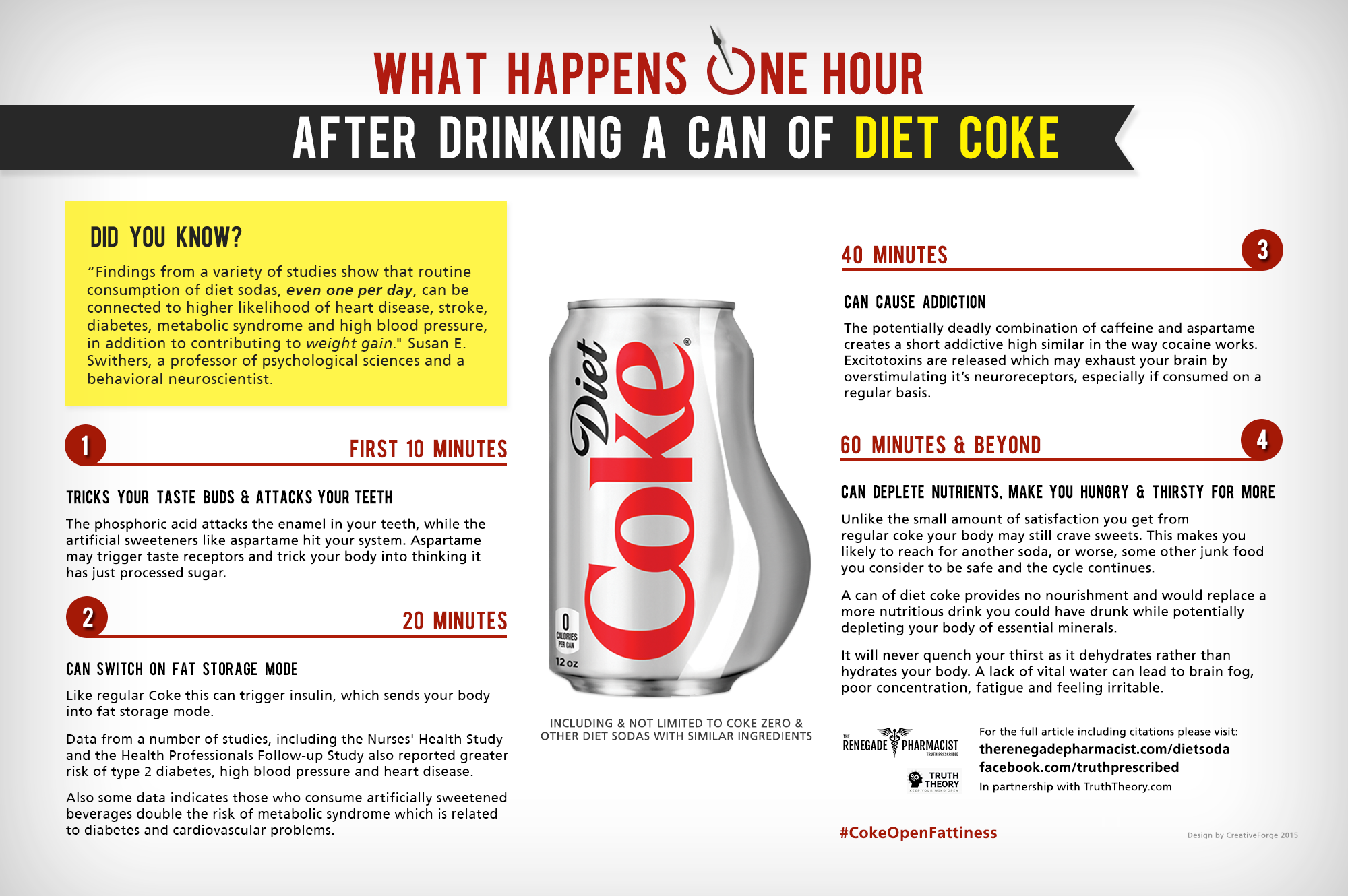
Diet soda is a popular choice for those counting calories. Many wonder if it hydrates like water. Understanding its effects on health is crucial. Diet soda contains artificial sweeteners and additives. This raises concerns about short-term and long-term health impacts.
Short-term Effects
Drinking diet soda offers a refreshing taste. It provides a quick hydration boost. But it contains caffeine, which can dehydrate. Caffeine increases urine production. This may reduce hydration. Some people experience increased cravings for sweet foods. This can lead to consuming more calories.
Long-term Implications
Frequent consumption may affect metabolic health. Studies suggest a link to weight gain. Artificial sweeteners may confuse the body’s hunger signals. This might lead to overeating. There’s also concern about dental health. Acid in diet soda can erode tooth enamel.
Bone health might be at risk too. Some studies associate diet soda with lower bone density. These potential risks highlight the need for balance. Consider water or natural beverages for hydration.
Expert Opinions
Diet soda is a popular beverage choice for many. But does it hydrate you like water? Experts have different opinions on this topic. Let’s dive into what dietitians and medical professionals say about hydration and diet soda.
Dietitian Perspectives
Dietitians often focus on the nutritional content of beverages. Many agree that diet soda can contribute to your fluid intake. It contains water, which hydrates the body. But, they also caution about its other ingredients. Artificial sweeteners and caffeine may have side effects for some people. Some dietitians recommend drinking diet soda in moderation. They suggest balancing it with plain water for optimal hydration.
Medical Professionals
Medical professionals provide another viewpoint on diet soda and hydration. Many doctors acknowledge that diet soda can keep you hydrated. It is mostly water, after all. Yet, they also highlight potential health concerns. Excessive consumption may lead to health risks, such as weight gain and dental issues. Caffeine in diet soda can act as a mild diuretic. This might lead to frequent urination, but not significant dehydration. Most medical professionals advise moderation and a varied fluid intake.
Credit: www.sfchronicle.com
Frequently Asked Questions
Is Diet Soda A Good Source Of Hydration?
Diet soda can contribute to your daily fluid intake. However, it contains artificial sweeteners and caffeine, which may have diuretic effects. While it can hydrate, it’s best to balance it with water for optimal hydration.
Does Diet Soda Dehydrate You?
Diet soda does not dehydrate you. Although caffeine has mild diuretic properties, it’s not enough to cause dehydration. Drinking diet soda in moderation can help maintain hydration levels.
Can Diet Soda Replace Water For Hydration?
Diet soda should not replace water entirely. While it provides fluids, water is a healthier option without added chemicals or sweeteners. It’s best to consume a balanced mix of water and other beverages.
How Does Caffeine In Diet Soda Affect Hydration?
Caffeine in diet soda has mild diuretic effects, but it doesn’t significantly impact hydration. The fluid content in diet soda usually offsets these effects. Therefore, moderate consumption shouldn’t hinder your hydration levels.
Conclusion
Diet soda can hydrate, but water is better. Diet drinks contain water and can help meet fluid needs. They lack nutrients found in water or natural juices. Moderation is key for overall health. Too many diet sodas can impact bone density and dental health.
Balance intake with water and nutritious drinks. Keep your body well-hydrated for optimal function. Choose wisely based on your health goals. Hydration matters, but so does nutrition. Consider all factors before making your choice. Stay informed, stay hydrated. Prioritize your wellness every day.