Are you considering a high protein diet to boost your fitness goals or improve your health? While the benefits of increased protein intake can be alluring, have you ever paused to wonder about the potential drawbacks?
One common concern among many is whether a high protein diet can lead to constipation. It’s not something you want to experience, especially when you’re trying to feel your best and achieve your health goals. This article dives into the nitty-gritty of how a high protein diet might impact your digestive system.
We’ll unravel the truth behind this concern and provide you with actionable tips to maintain a balanced diet without compromising your comfort. Curious to know if your love for protein might be affecting your gut health? Keep reading to uncover insights that could transform your dietary approach and keep your digestive system running smoothly.
High Protein Diet Basics
Understanding the basics of a high protein diet is crucial. This diet focuses on increasing protein intake. It often involves reducing carbohydrates and fats. Many people choose this diet for weight loss or muscle building. Knowing how this diet works can help you make informed choices.
Common Sources Of Protein
Protein comes from both animal and plant sources. Common animal sources include chicken, beef, and fish. Eggs and dairy products like cheese and yogurt are also rich in protein. Plant-based sources include beans, lentils, and tofu. Nuts and seeds offer protein too. Varying your sources can provide other essential nutrients.
Role Of Protein In The Body
Protein plays a key role in the body. It helps build and repair tissues. Protein is vital for muscle growth and maintenance. It supports immune function and hormone production. Enzymes, which aid digestion, are proteins too. This nutrient is essential for overall health and well-being.
How Protein Affects Digestion
High protein diets can slow digestion, sometimes leading to constipation. Protein takes longer to break down in the stomach. Eating fiber-rich foods can help maintain regular bowel movements.
Understanding how protein affects digestion is key to maintaining a balanced diet. Many people are turning to high-protein diets for weight loss and muscle building. However, some might notice an unexpected side effect: constipation. Let’s explore the connection between protein and digestion to understand why this happens and how you can keep your gut happy.Digestive Process Overview
Your digestive system is like a well-oiled machine. When you eat, food travels from your mouth to your stomach, where it mixes with acids and enzymes. Proteins are broken down into amino acids, which the body uses for repair and growth. A high-protein diet can challenge this process. If you don’t drink enough water or eat enough fiber, digestion can slow down. This might lead to constipation.Impact On Gut Health
Your gut health is crucial for your overall well-being. A balanced gut has plenty of good bacteria that help break down food and absorb nutrients. Eating too much protein can disrupt this balance. It may reduce the number of good bacteria and increase harmful ones, affecting how your gut functions. Have you ever noticed bloating or discomfort after a protein-heavy meal? This might be your gut’s way of telling you to add more fiber or probiotics to your diet. Foods like fruits, vegetables, and whole grains can help maintain a healthy gut balance. By adjusting your diet with these insights, you can enjoy the benefits of protein without the uncomfortable side effects. What changes will you make to support your digestive health today?Constipation Causes
Constipation can be an unwelcome side effect of a high protein diet. Understanding the causes is essential for managing this issue effectively. Various factors contribute to constipation, and they can be broadly categorized into dietary and lifestyle influences.
Dietary Factors
Protein-rich foods often lack sufficient fiber. Fiber is crucial for smooth digestion and regular bowel movements. Low fiber intake can slow digestion, causing stool hardening. This leads to difficulty in passing stool. Hydration levels also play a significant role. High protein diets may require more water, as protein can absorb water during digestion. Without adequate water, stools become dry and hard.
Lifestyle Influences
Lifestyle habits impact digestion and bowel movements. Physical activity promotes healthy digestion. Sedentary lifestyles can slow intestinal transit time. Stress affects the digestive system, altering bowel patterns. Poor sleep can disrupt regularity, affecting bowel health. Regular routines support digestive health. Irregular eating or sleeping patterns can lead to constipation.
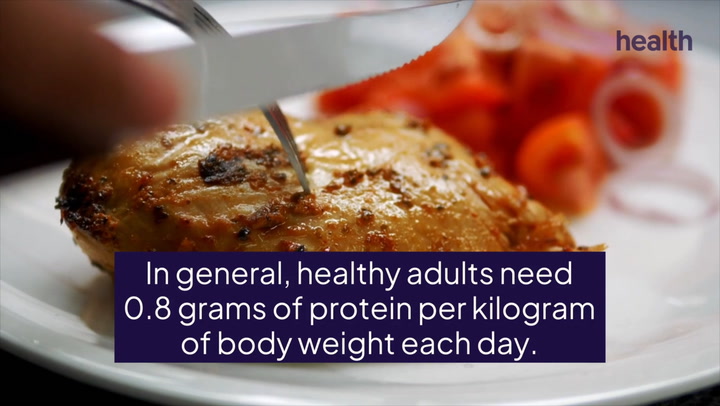
Credit: www.health.com
High Protein And Constipation Link
High protein diets might lead to constipation for some people. Protein-rich foods often lack fiber, which is crucial for digestion. Drinking plenty of water and eating fiber-rich foods can help maintain healthy bowel movements.
Understanding the link between a high protein diet and constipation can help you make informed dietary choices. Many people turn to high protein diets to lose weight or build muscle. However, some experience uncomfortable side effects like constipation. This raises the question: does a high protein diet actually cause constipation, or are there other factors at play?Scientific Studies
Scientific research provides some insights into this phenomenon. Studies suggest that high protein intake can lead to reduced fiber consumption. When you prioritize protein, you might neglect fiber-rich foods like fruits, vegetables, and whole grains. This lack of fiber is a known cause of constipation. Additionally, some studies indicate that protein-heavy diets may alter gut microbiota. A healthy gut balance is crucial for regular bowel movements. Disrupting this balance can lead to digestive issues, including constipation.Common Observations
Many people report feeling constipated when they switch to a high protein diet. This is often due to a sudden decrease in fiber intake. If you’re loading up on chicken and steak, but skipping salads and whole grains, your digestive system might suffer. Another common observation is dehydration. Protein metabolism requires more water. If you aren’t drinking enough fluids, you may become constipated. On a personal note, I once tried a high protein diet and noticed similar issues. By adjusting my water intake and adding a daily serving of vegetables, I found relief. Have you experienced this too? If you’re considering a high protein diet, ask yourself: Are you balancing it with enough fiber and fluids? What changes can you make to maintain digestive health while meeting your protein goals?Preventing Constipation
High protein diets have gained popularity for their role in weight management and muscle building. However, they can sometimes lead to constipation. But don’t worry, there are simple ways to prevent this uncomfortable issue. Let’s dive into some practical solutions that can help you maintain digestive health while enjoying a high protein diet.
Balancing Diet
It’s crucial to balance your protein intake with other nutrients. Eating only high protein foods can disrupt digestion. Think of your plate as a colorful canvas—add a variety of veggies, fruits, and whole grains to it.
Consider swapping some meats with legumes or tofu. They provide protein and support healthy digestion. What changes can you make to your meal plan today?
Hydration Importance
Staying hydrated is key to preventing constipation. Water helps your digestive system work smoothly. Are you drinking enough throughout the day?
Aim for at least eight glasses of water daily. Carry a reusable water bottle to remind yourself to sip regularly. Adding lemon or cucumber slices can make hydrating more enjoyable.
Incorporating Fiber
Fiber is your digestive system’s best friend. It helps keep things moving smoothly. High protein diets can lack fiber, so it’s important to add more.
Try adding oats, chia seeds, or fresh fruits to your breakfast. Swap white bread with whole grain options. These small changes can make a big difference in your bowel health.
Have you considered adding a fiber supplement to your diet? It might be an easy solution for days when you’re on the go.
Signs Of Severe Constipation
Experiencing severe constipation can be a sign of a high protein diet. Symptoms include infrequent bowel movements and stomach pain. This diet may reduce fiber intake, leading to digestive issues.
Embarking on a high-protein diet can be an exciting journey towards better health and fitness. However, you might encounter some unexpected side effects, like constipation. It’s crucial to recognize when this becomes severe to protect your well-being. Understanding the signs of severe constipation can help you take timely action and prevent further complications.Symptoms To Watch
Severe constipation isn’t just about infrequent bowel movements. You might notice hard, dry stools that are difficult to pass. Straining during bathroom visits is another red flag. Abdominal pain or discomfort can signal something’s amiss. If you feel bloated or experience a constant feeling of fullness, pay attention. Sometimes, you might even lose your appetite or feel nauseous. Consider your body’s signals as it tries to tell you something. If these symptoms persist, it could be more than just a minor inconvenience.When To Seek Help
When do you draw the line between manageable and serious? If over-the-counter remedies and increased water intake don’t help, it might be time to consult a professional. Persistent pain or bleeding from the rectum is a cause for concern. Feeling like you can’t completely empty your bowels can also be a significant issue. Have you been experiencing these symptoms for more than a week? This is your cue to seek medical advice. Your health is too precious to gamble with. Monitoring these signs closely can make all the difference. Have you experienced severe constipation on a high-protein diet? What steps did you take to address it? Share your thoughts and experiences in the comments below.Dietary Adjustments
High protein diets can sometimes lead to constipation. This happens because of low fiber intake. Fiber helps in smooth digestion. Making dietary adjustments can help ease this problem. Let’s explore some effective strategies.
Alternative Protein Sources
Plant-based proteins are a great choice. Beans, lentils, and chickpeas are rich in fiber. They help balance the diet. Quinoa and tofu are also good options. They provide protein without causing constipation. Nuts and seeds add variety. They are nutritious and fiber-rich.
Meal Planning Tips
Include fiber-rich foods in every meal. Add vegetables to your plate. Broccoli, spinach, and carrots are excellent choices. Choose whole grains over refined ones. Brown rice and oats help increase fiber intake. Drink plenty of water throughout the day. Hydration aids digestion and prevents constipation.
Plan meals with a balance of protein and fiber. A salad with beans and leafy greens is a good option. Breakfast with oats and fruits offers fiber and energy. For snacks, choose fruits or a handful of nuts. Simple changes make a big difference.

Credit: womenshealthsa.co.za
Expert Opinions
Expert opinions often discuss the effects of high protein diets on digestion. Some suggest these diets can cause constipation due to low fiber intake. Increasing fiber-rich foods and water can help maintain regular bowel movements.
High protein diets are all the rage these days, but you might be wondering if there’s a downside. Some say they can lead to constipation. Let’s delve into the expert opinions to see what the pros have to say about this concern.Nutritionist Insights
Nutritionists often highlight the importance of balance in your diet. While high protein can aid in muscle growth and weight loss, it might not always be the best for digestion. Protein-rich foods like meat and dairy can sometimes slow down your digestive system, especially if you’re not drinking enough water or eating enough fiber. A nutritionist might suggest incorporating more vegetables and fruits to balance your meals. These foods are not only rich in vitamins but also in fiber, which can help keep things moving smoothly through your digestive tract. Have you tried adding a side salad or a piece of fruit to your meals?Medical Perspectives
Doctors and gastroenterologists also weigh in on the high protein diet debate. They often emphasize the need to listen to your body. If you’re experiencing constipation, it might be a sign that your body needs more fiber or hydration. Medical experts might advise you to pay attention to your overall nutrient intake. Are you getting enough fiber from whole grains, legumes, and vegetables? They also suggest ensuring adequate hydration, as water helps to keep your stools soft and easier to pass. Personal experience can be a great teacher. I once switched to a high protein diet and noticed a change in my digestion. By simply adding more leafy greens and drinking an extra glass of water, I found a balance that worked for me. Have you ever adjusted your diet and noticed a difference?Personal Experiences
Many people share their personal experiences with high protein diets. Some praise the diet for its benefits. Others face challenges, like constipation. Personal stories help us understand these experiences better. They shed light on how different bodies react to diet changes. Let’s explore some real-life testimonies.
Testimonies From Dieters
John, a fitness enthusiast, increased his protein intake. He noticed more energy and muscle growth. Yet, constipation became a problem for him. He shared that drinking more water helped. Sarah, another dieter, had a similar story. She loved the weight loss but disliked the digestive issues. Her solution was adding more fiber to her meals.
Mark, a bodybuilder, also faced constipation. He tried different protein sources. Plant-based proteins worked better for his digestion. These stories show varied experiences with high protein diets. Each person found a different solution. Their testimonies offer insights into managing diet challenges.
Common Challenges
Many dieters face constipation with high protein diets. Low fiber intake is a common cause. Protein-rich foods often lack fiber. This imbalance affects digestion. Another challenge is not drinking enough water. Proteins require more water for digestion. Without it, constipation can occur.
Some dieters rely too much on supplements. These often lack essential nutrients. Real food provides a better balance. Balancing protein with fiber is key. Listening to your body helps identify problems. Adjusting diet can ease constipation issues. Understanding these challenges prepares you for a high protein journey.

Credit: www.womenshealthmag.com
Frequently Asked Questions
Why Am I Constipated On A High-protein Diet?
A high-protein diet can cause constipation due to low fiber intake. Increase fiber-rich foods like fruits, vegetables, and whole grains. Stay hydrated to help digestion. Adjust protein sources to include more plant-based options for better digestive health.
What Happens If You Eat Too Much Protein Without Working Out?
Consuming excess protein without exercising can lead to weight gain, kidney strain, and digestive issues. The body may store unused protein as fat. It’s important to balance protein intake with physical activity for optimal health. Consult a healthcare provider for personalized dietary advice.
How To Cope Up With Constipation Due To Extra Protein?
Increase your fiber intake with fruits, vegetables, and whole grains to ease protein-induced constipation. Drink plenty of water to stay hydrated. Engage in regular physical activity to stimulate bowel movements. Consider probiotics to improve gut health. Adjust your protein intake if constipation persists.
Can Too Much Protein Have A Laxative Effect?
Consuming too much protein can have a laxative effect. This is due to the body’s inability to digest excess protein properly, leading to digestive issues like diarrhea. Balancing protein intake with fiber and hydration can help mitigate these effects. Always aim for a balanced diet for optimal health.
Conclusion
Balancing protein intake can prevent constipation. High-protein diets may cause digestive issues. Drinking water helps ease symptoms. Fiber-rich foods also support digestion. Listen to your body’s signals. Adjust your diet as needed. Consult a nutritionist for personalized advice. Protein is important, but balance is key.
Moderation ensures you stay healthy. Enjoy varied meals for best results. This promotes overall well-being. Keep monitoring your body’s reactions. Stay informed and make wise choices.