Have you ever wondered if those scenic hikes do more than just lift your spirits? Imagine turning your favorite outdoor activity into a muscle-building workout!
If you love the idea of combining nature with fitness, you’re in the right place. Hiking isn’t just about breathtaking views and fresh air; it can also be a fantastic way to build strength and tone your muscles. You might be surprised to learn how the trails can become your natural gym, challenging your body in ways you never expected.
Curious to find out how? Read on, and discover the secret muscle-building benefits of hiking that you might be missing out on. Don’t just walk the trails—transform them into your ultimate fitness journey!
Benefits Of Hiking For Muscle Growth
Hiking offers more than just scenic views and fresh air. It can be a natural workout that builds muscle. This activity engages various muscle groups, promoting strength and endurance. Walking uphill or on uneven terrain challenges your body. This boosts muscle growth and overall fitness.
Engaging Multiple Muscle Groups
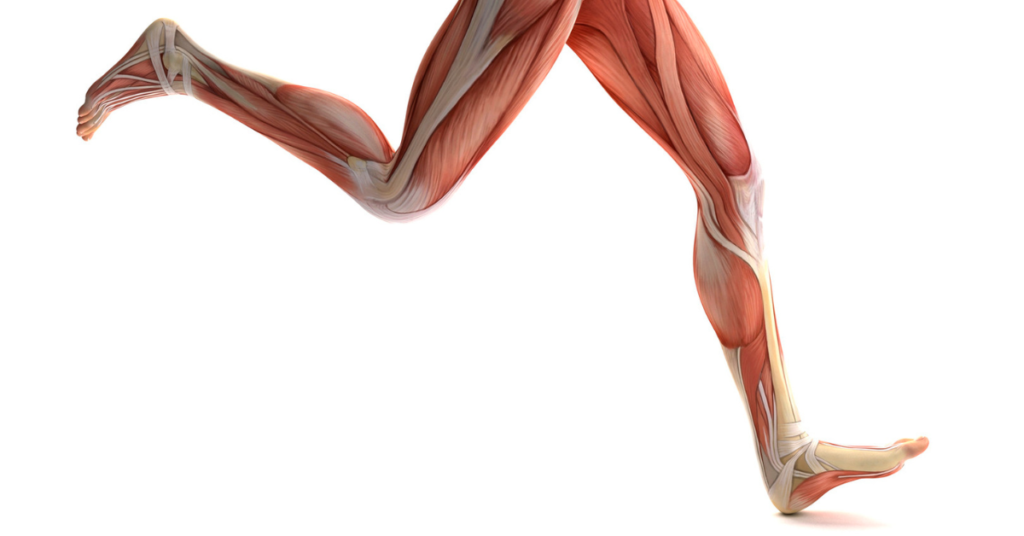
Hiking works different muscles in your body. Your legs, including calves and thighs, get a workout. Walking uphill targets glutes and hamstrings. Even your core muscles engage to maintain balance. This comprehensive engagement aids muscle growth.
Improving Cardiovascular Health
Hiking elevates your heart rate, improving cardiovascular health. A strong heart pumps blood efficiently. This enhances oxygen flow to muscles, aiding growth and repair. Regular hikes can improve stamina and overall endurance.
Enhancing Flexibility And Balance
Uneven terrain on trails boosts flexibility. Your body adapts to different movements. This strengthens stabilizer muscles and improves balance. Enhanced flexibility supports muscle growth and reduces injury risks.
Burning Calories And Supporting Weight Management
Hiking burns calories effectively. This helps in maintaining a healthy weight. When you lose excess fat, muscles become more defined. It aids in achieving a toned and muscular physique.

Credit: greatmindsthinkhike.com
Key Muscles Engaged In Hiking
Hiking is more than just a scenic walk through nature; it’s a full-body workout that can build muscle effectively. As you navigate various terrains, your body engages multiple muscle groups. Whether you’re an avid hiker or a beginner, understanding the key muscles engaged in hiking can help you maximize your outdoor adventure. Have you ever wondered which muscles benefit the most from hiking? Let’s break it down.
Lower Body Muscles
Your legs bear the brunt of hiking activities. The quadriceps, hamstrings, and calves are constantly at work, propelling you forward with each step. Uphill climbs demand more from your quads, while downhill treks engage your hamstrings. Noticed the burn in your calves after a steep ascent? That’s your calves getting stronger!
Hiking also strengthens your glutes. Every upward step activates these muscles, giving you that uphill power. Think of it as nature’s stairmaster! Building these muscles not only enhances your hiking endurance but also adds strength to everyday activities.
Core Strengthening
While hiking may seem like a leg-centric activity, your core plays a crucial role. It stabilizes your body, maintaining balance on uneven surfaces. A strong core prevents injuries and enhances your posture. Ever felt your abs working during a hike? That’s your core supporting each stride.
Consider the rocky paths where balance is key. Your core muscles engage to keep you steady. This natural workout improves your overall stability and can even enhance your performance in other sports.
Upper Body Involvement
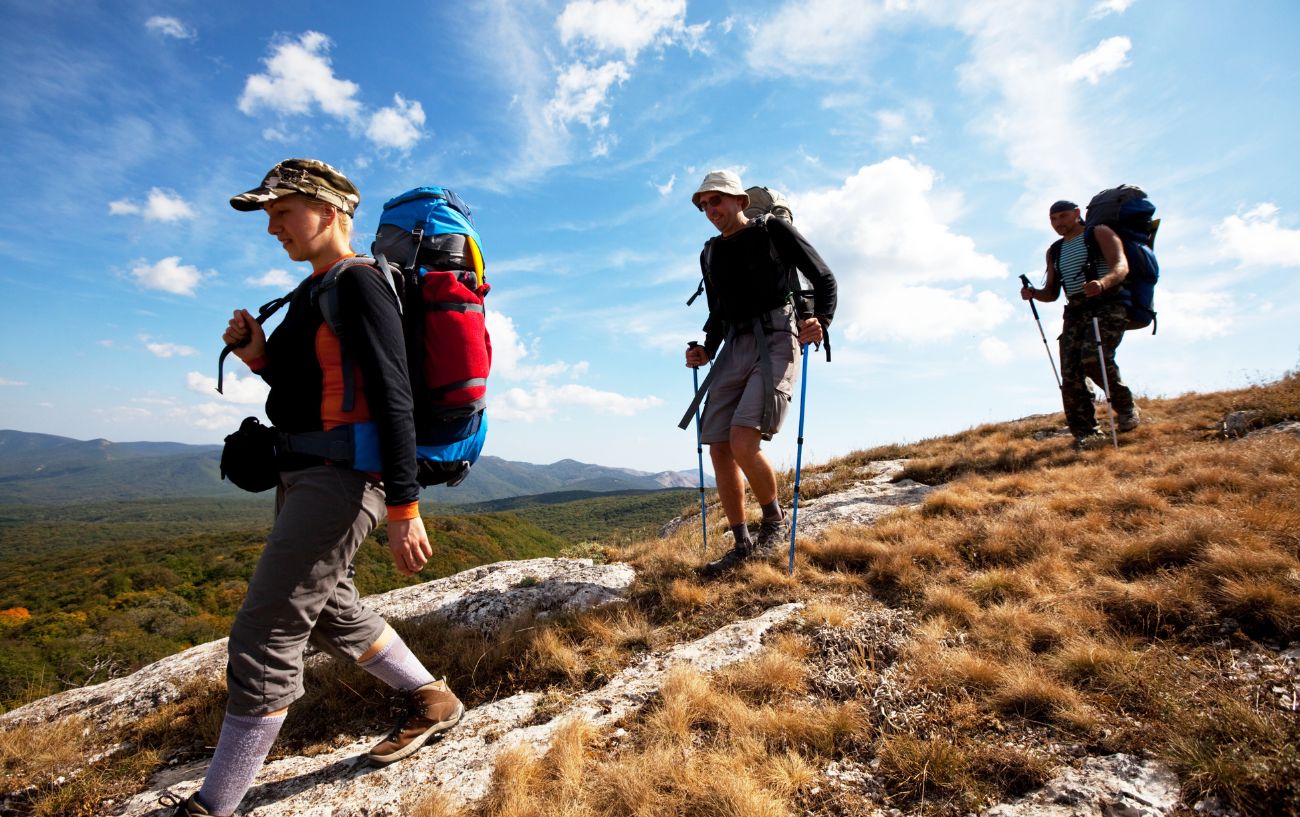
Surprisingly, hiking can also benefit your upper body. Using trekking poles engages your arms, shoulders, and back. Each push and pull works these muscles, adding strength and definition. Have you tried hiking with poles? It transforms your hike into a full-body workout.
Even without poles, your upper body contributes. Carrying a backpack adds resistance, working your shoulders and back. It’s a practical way to build muscle while enjoying the outdoors. Next time you hike, pay attention to how your arms and shoulders feel post-hike.
Hiking isn’t just a path to beautiful views; it’s a journey to building muscle and strength. Which muscle group do you feel working the most during your hikes? Share your experiences and tips in the comments!
Comparing Hiking To Traditional Workouts
When you think of building muscle, traditional workouts like weightlifting might be the first thing that comes to mind. But have you ever considered hiking as a way to tone your muscles? Hiking offers a unique blend of cardio and strength training, challenging your body in ways that a gym workout might not. Let’s dive into how hiking compares to traditional workouts.
Hiking Vs. Weightlifting
Weightlifting is all about repetition and targeting specific muscle groups. You lift weights, focusing on biceps, triceps, or quads, working towards a goal of increased muscle mass.
Hiking, on the other hand, engages multiple muscle groups simultaneously. As you navigate uneven terrain, your core, glutes, and calves are constantly working to stabilize your body.
Imagine carrying a backpack uphill; it’s like a dynamic squat, but with scenery. Do you feel the burn in your legs after a steep climb? That’s your muscles getting stronger.
Cardio And Muscle Toning
Cardio workouts, like running or cycling, improve your endurance but might not focus heavily on muscle toning. Hiking is a perfect blend of both. As your heart rate rises, your muscles work to keep you moving forward.
Think about a trail with varied elevation. Your heart is pumping, and each step challenges your leg muscles to adapt. This natural resistance builds strength without the need for heavy weights.
How does your body feel after a long hike? There’s a sense of accomplishment not just for your heart, but for your muscles too.
Could hiking be your new go-to workout? It combines the benefits of cardio with muscle toning in an outdoor setting.
Consider how you feel when surrounded by nature. Does it inspire you to push harder, to climb higher? Hiking might offer more than just a physical challenge—it could be a holistic workout experience.
Credit: marathonhandbook.com
Techniques To Maximize Muscle Building
Hiking engages various muscle groups, enhancing strength and endurance. It works legs, core, and stabilizing muscles effectively. Uphill climbs challenge muscles, promoting growth and improved muscle tone.
Hiking is not just a scenic escape into nature; it’s a powerful workout that can help build muscle if you use the right techniques. You might think of hiking as just walking on trails, but with some strategic adjustments, you can maximize muscle growth. Let’s dive into some practical methods to turn your hike into a muscle-building adventure.Incorporating Inclines
Walking uphill is a great way to engage more muscle groups. When you tackle inclines, your calves, thighs, and glutes work harder. Try adding trails with varying elevations to your routine. Steeper inclines will increase the challenge and intensify muscle engagement. If you’re new to hiking, start with moderate slopes and gradually increase the difficulty. Consistent effort will yield noticeable muscle strength.Using Weighted Backpacks
Adding weight to your backpack can significantly enhance muscle development. A weighted backpack makes your body work harder, similar to resistance training. Start with a few pounds and gradually increase as you become more comfortable. A weighted backpack not only builds leg muscles but also strengthens your back and core. Remember to distribute the weight evenly and maintain proper posture. This ensures you get the most out of your hike without risk of injury.Interval Hiking
Interval hiking involves alternating between fast-paced hiking and a slower pace. This variation in intensity can boost muscle growth and improve cardiovascular health. Consider hiking briskly for a few minutes, then slowing down to recover. Intervals challenge your muscles and keep your routine exciting. They help prevent plateauing, ensuring continuous progress. Have you ever noticed how a quick burst of speed can change your entire workout? It’s the same concept, but on a trail. Try these techniques on your next hike and see how they transform your fitness journey. What changes have you noticed in your hiking routine that have made a difference? Share your experiences and inspire others to make the most of their outdoor adventures.Nutritional Support For Muscle Gain
Hiking is not just a cardio workout; it can also help build muscle. But to maximize these benefits, you need the right nutrition. Whether you’re conquering steep trails or strolling through lush forests, your body needs fuel to recover and grow stronger. Nutritional support, particularly focusing on protein, hydration, and electrolytes, plays a crucial role in muscle gain. Let’s dive into how you can optimize your diet to complement your hiking adventures.
Protein Intake
Protein is the building block of muscle. When you hike, your muscles break down and require repair. Including protein-rich foods in your diet aids in this recovery process. Think lean meats, eggs, and legumes. I once hiked a challenging trail in the Rockies, and post-hike, a protein-packed meal made all the difference in how quickly I bounced back.
Consider adding a protein shake after your hike. It’s a quick and efficient way to deliver nutrients to tired muscles. It’s not about eating massive amounts but ensuring consistent intake. Are you getting enough protein to support your muscle recovery?
Hydration And Electrolytes
Staying hydrated is vital when hiking. Your body loses fluids through sweat, which can affect muscle function. Proper hydration maintains energy levels and aids in muscle repair. Keep a water bottle handy and drink regularly during your hike.
Electrolytes, like sodium and potassium, are crucial for preventing cramps and maintaining muscle health. I learned this the hard way when I ignored my body’s need for electrolytes on a long desert hike. Pack electrolyte-rich snacks like bananas or nuts to keep muscles functioning optimally.
Have you noticed how your body feels after a hike when you skip hydration? It’s a simple yet powerful way to support muscle gain and overall health.
Incorporating these nutritional elements into your hiking routine can significantly impact your muscle-building journey. Next time you lace up your hiking boots, remember that your nutrition is as important as the trail ahead. Are you ready to fuel your adventures the right way?
Safety And Recovery Tips
Hiking is an excellent way to build muscle and enjoy nature. But, like any physical activity, it’s important to prioritize safety and recovery. Proper preparation and recovery can prevent injuries and enhance muscle development. Here are some key tips to help you stay safe and recover effectively after hiking.
Proper Warm-up
A proper warm-up is essential before starting your hike. It prepares your muscles and joints for the trail ahead. Start with a few minutes of brisk walking to increase your heart rate. Follow this with dynamic stretches like leg swings and arm circles. These movements increase blood flow and flexibility. They reduce the risk of strains and sprains. Remember to focus on stretching your legs, hips, and back. These areas are most engaged during hiking.
Post-hike Recovery
Recovery after hiking helps your muscles repair and grow. Begin with a cool-down walk to lower your heart rate gradually. Hydrate well to replace fluids lost through sweat. Stretch your muscles gently to prevent stiffness. Consider a massage or foam rolling to ease muscle tension. Eating a balanced meal with protein and carbohydrates aids muscle recovery. Rest is also crucial. Ensure you get enough sleep to allow your body to repair and strengthen. Proper recovery boosts endurance and prepares you for the next adventure.
Case Studies And Personal Experiences
Hiking offers an exciting way to enjoy nature. Many wonder if it builds muscle. The answer lies in real-life stories and studies. Personal experiences provide valuable insights. They reveal the impact of hiking on muscle development.
Real-life Transformations
Meet Sarah. She started hiking three years ago. At first, it was tough. Gradually, her legs grew stronger. Her calves and thighs became toned. She noticed her endurance improving. Sarah says hiking changed her life.
Scientific Studies And Findings
Research supports the muscle-building benefits of hiking. A study observed hikers’ physical changes. Participants hiked regularly for six months. Results showed increased leg and core strength. The uneven terrain challenges muscles. This boosts growth and endurance.
Stories From Hiking Enthusiasts
John, an avid hiker, shares his story. He hikes twice a week. His muscles have become more defined. John finds hiking less tedious than the gym. The scenic views keep him motivated. He enjoys the mental health benefits too.
Inspiring Testimonials
Maria loves hiking for its simplicity. She began after a friend’s recommendation. She claims her core has never been stronger. Maria appreciates how hiking fits into her routine. It’s a natural way to stay fit and active.
Credit: www.thefatgirlhiking.com
Frequently Asked Questions
Do You Gain Muscle From Hiking?
Hiking can help build muscle, especially in your legs, glutes, and core. It provides resistance and endurance training. Carrying a backpack increases muscle engagement. Regular hiking enhances strength and muscle tone over time. Include uphill and downhill terrains for better results.
Is It Better To Hike Or Go To The Gym?
Choosing between hiking and going to the gym depends on personal goals. Hiking offers fresh air and scenic views. The gym provides structured workouts and equipment. Both improve fitness and health. Consider your preferences and goals to decide which suits you best.
What Happens To Your Body If You Hike Every Day?
Hiking daily boosts cardiovascular health and strengthens muscles. It improves mood, enhances endurance, and aids weight management. Regular hiking can also increase bone density, improve balance, and reduce stress levels, promoting overall well-being and longevity. Always stay hydrated and wear appropriate footwear for optimal benefits.
Can A Hike Replace Leg Day?
Hiking offers a good workout for legs but doesn’t fully replace targeted leg day exercises. It strengthens calves, quads, and glutes while improving endurance. For muscle growth and strength, combine hiking with leg-specific workouts. Balance both activities for comprehensive leg fitness.
Conclusion
Hiking offers more than scenic views. It helps build muscles, especially in the legs. Regular hikes engage various muscle groups, enhancing strength. Uphill trails are great for muscle endurance. Hiking also boosts cardiovascular health, supporting overall fitness. It’s a natural way to stay active.
No need for fancy equipment. Just comfortable shoes and water. Enjoy the fresh air while building lean muscle. It’s a fun and effective workout. Perfect for those who love the outdoors. So, lace up your boots. Hit the trails. Your muscles will thank you.