Are you considering weight loss surgery but unsure whether your insurance will cover it? You’re not alone.
Many people are curious about this crucial aspect that can significantly impact their healthcare decisions. Navigating the complexities of insurance can be daunting, especially when it comes to understanding what’s covered and what’s not. Imagine the relief of knowing that a potentially life-changing procedure could be financially supported.
This article will unravel the mystery surrounding insurance coverage for weight loss surgery, providing you with clear, actionable insights. Keep reading to discover what steps you can take to ensure your weight loss journey is supported by your insurance, and unlock the peace of mind you deserve.

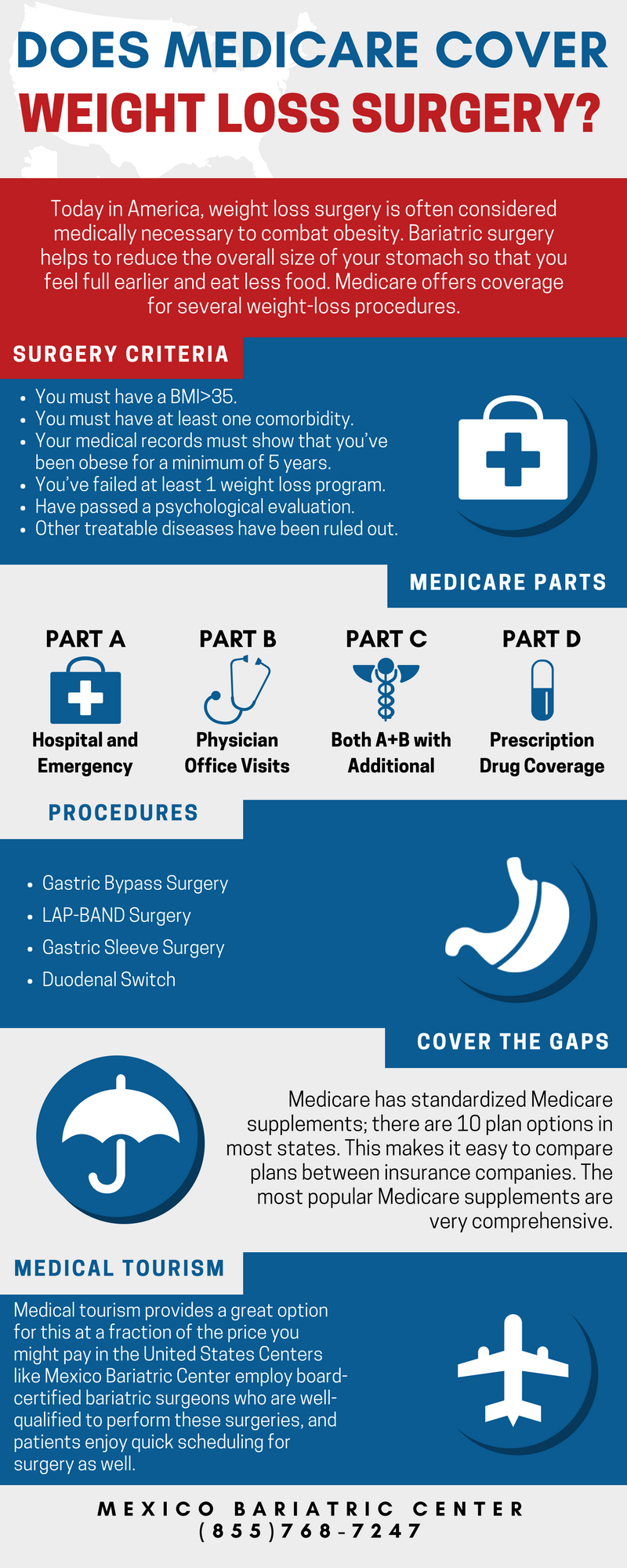
Credit: nationalbariatriclink.org
Insurance Coverage Basics
Insurance plans sometimes cover weight loss surgery. Coverage depends on medical necessity and specific policy terms. Check with your provider to understand eligibility and required documentation.
Navigating the world of insurance can feel daunting, especially when considering weight loss surgery. Understanding the basics of insurance coverage helps you make informed decisions. It’s crucial to know what types of surgeries are typically covered and how general insurance policies work in this context.Types Of Weight Loss Surgery
Weight loss surgery, also known as bariatric surgery, includes several types, each with unique benefits and requirements. The most common types are gastric bypass, sleeve gastrectomy, and adjustable gastric banding. Gastric bypass is often preferred for its effectiveness, while sleeve gastrectomy is less invasive. Adjustable gastric banding offers flexibility but may require more follow-up visits. Insurers often have specific criteria for covering these surgeries. They may require documentation of previous weight loss attempts, medical necessity, or a certain body mass index (BMI). Understanding the different surgical options and their requirements is key to navigating insurance coverage.General Insurance Policies
General insurance policies vary widely, but many do cover weight loss surgery under specific conditions. Policies often require a letter of medical necessity from your doctor. This letter should outline why the surgery is essential for your health. Reviewing your policy’s fine print is essential. Some policies may require you to participate in a physician-supervised weight loss program for a certain period before surgery. Others may cover only specific types of surgeries or have network restrictions, meaning you need to use specific doctors or facilities to get coverage. Think about your own situation. Have you checked if your policy requires pre-approval or additional documentation? It’s these small details that often determine whether your surgery will be covered. It’s also worth considering how your policy handles post-surgery expenses. Coverage might extend to follow-up visits, nutritional counseling, or potential complications, but not all policies are the same. Knowing what’s covered can save you from unexpected costs down the road. Navigating insurance for weight loss surgery requires attention to detail and proactive planning. Are you ready to dive into your policy details and make sure you’re fully covered?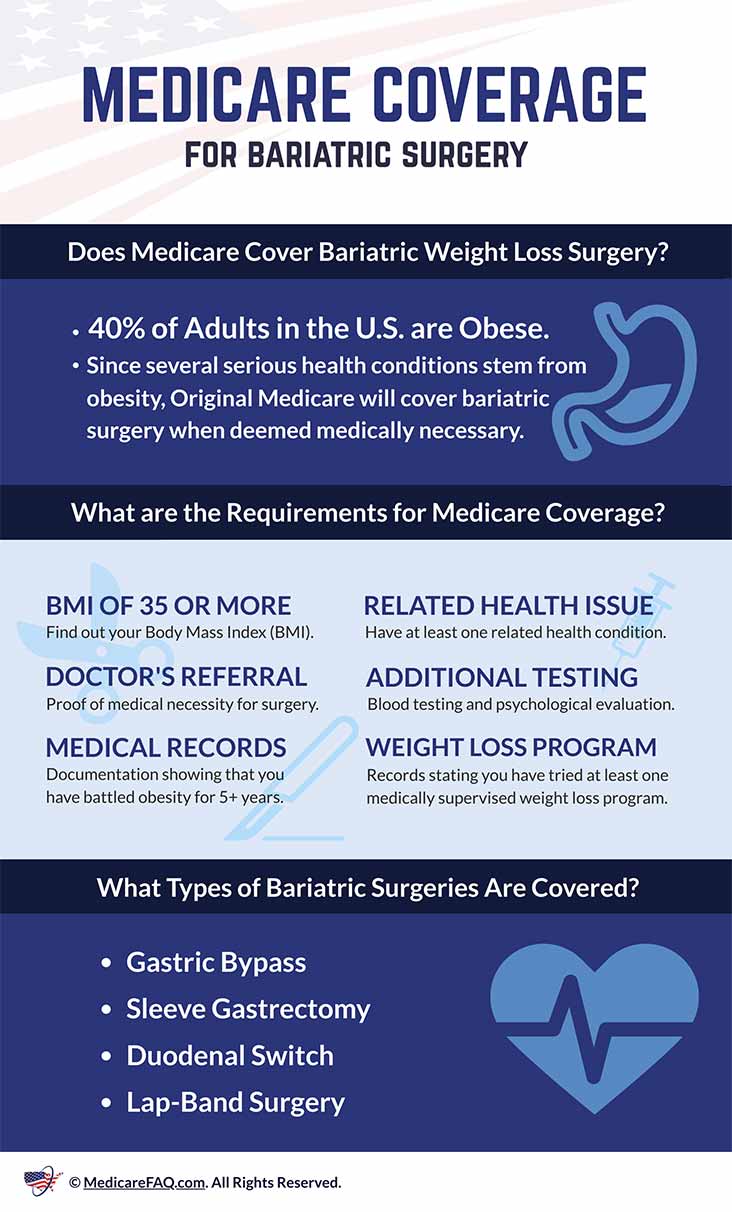
Credit: www.medicarefaq.com
Eligibility Criteria
Understanding the eligibility criteria for insurance coverage of weight loss surgery is crucial. It ensures that the procedure is both medically necessary and meets specific health requirements. Insurance companies have set guidelines to determine eligibility. These guidelines often include medical necessity, BMI requirements, and health conditions. Let’s explore these criteria in detail.
Medical Necessity
Insurance companies require proof of medical necessity. This means the surgery must be essential for your health. A doctor must provide documentation. It should show that other weight loss methods have failed. This includes diet and exercise programs. The surgery should be seen as a last resort. It must address serious health risks related to obesity.
Bmi Requirements
Body Mass Index (BMI) is a key factor. Most insurers set a minimum BMI threshold. Typically, a BMI of 40 or higher is required. Some cases allow for a BMI of 35. This is if there are serious health issues caused by obesity. It’s important to have a recent BMI measurement. This helps in meeting the insurer’s criteria.
Health Conditions
Specific health conditions can affect eligibility. Obesity-related conditions are often considered. These include type 2 diabetes, high blood pressure, and sleep apnea. Such conditions should be documented. They must show a direct link to obesity. This documentation helps in getting approval from insurance providers.
Insurance Approval Process
The insurance approval process for weight loss surgery can be complex. It involves several steps and requires patience. Understanding these steps can help you get the coverage you need.
Documentation Needed
Gathering the right documents is crucial. Insurance companies need proof of medical necessity. This can include medical records, a letter from your doctor, and evidence of previous weight loss attempts. A detailed history of your weight issues is also important. This documentation supports your case for surgery.
Role Of Healthcare Providers
Healthcare providers play a key role in this process. They can offer guidance and support. Doctors provide medical records and write recommendation letters. They help explain why surgery is necessary. They can also help you meet insurance requirements. Providers can guide you through each step.
Appealing Denials
Sometimes, insurance companies deny coverage. Don’t lose hope if this happens. You have the right to appeal. Start by understanding the reason for denial. Your healthcare provider can help with this. Gather more evidence if needed. Write a strong appeal letter. Explain why surgery is essential. Persistence can lead to approval.
Costs Covered By Insurance
Insurance may cover weight loss surgery if it’s medically necessary. Coverage varies by policy and often requires proof of health risks. Consulting with your provider helps clarify specific costs and requirements for approval.
Weight loss surgery can be a life-changing decision, but the costs involved are often daunting. Many people wonder whether insurance can ease this financial burden. Understanding what expenses are typically covered by insurance can help you make informed choices and plan your journey effectively. Let’s break down the specifics of what insurance might cover when it comes to weight loss surgery.Surgery Expenses
Insurance coverage for weight loss surgery often includes the primary procedure itself. This typically means the operating room fees, anesthesia, and the surgeon’s fees. However, you might be surprised to find that different types of surgeries, such as gastric bypass or sleeve gastrectomy, might have varying levels of coverage. It’s crucial to check with your provider to know which surgeries are eligible under your plan. Imagine the relief of knowing that a significant portion of your surgery cost is covered, allowing you to focus more on your health journey.Pre- And Post-operative Care
Insurance frequently covers the costs associated with pre-operative assessments and post-operative follow-ups. This includes consultations with specialists, nutritional counseling, and necessary medical tests. These steps are vital for both preparing your body for surgery and ensuring a smooth recovery afterward. Consider this: skipping these crucial evaluations due to cost concerns could jeopardize your health outcomes. Having coverage for these services allows you to take advantage of comprehensive care, enhancing your overall experience.Additional Support Services
Beyond the surgery itself, insurance might cover support services that aid in your long-term success. This could include psychological counseling and support groups, which are instrumental in adjusting to life post-surgery. Picture attending a support group where you share your experiences and gain insight from others, all without worrying about the cost. These services can provide the emotional boost needed to maintain your new lifestyle. In navigating insurance coverage for weight loss surgery, it’s important to ask yourself: Are you leveraging all the benefits available to you? Understanding the specifics of your plan can make a significant difference in your journey.Navigating Different Insurance Plans
Trying to figure out whether your insurance covers weight loss surgery can feel like solving a puzzle. You might wonder how different insurance plans can affect your eligibility and coverage. Let’s navigate the landscape of insurance options to uncover the possibilities for your weight loss surgery.
Private Insurance Policies
Private insurance can offer a wide range of coverage for weight loss surgery, but it varies significantly between providers. Some policies include comprehensive coverage for procedures like gastric bypass or sleeve gastrectomy, while others might have restrictions. It’s essential to check the specifics of your policy. Have you ever found yourself flipping through pages of insurance jargon, feeling overwhelmed? You’re not alone. Many people miss out on potential benefits simply because they don’t understand their policy. Ensure you ask your provider key questions about pre-approval and criteria for coverage.
Medicare And Medicaid Options
Medicare and Medicaid provide coverage for weight loss surgery under specific conditions. Generally, Medicare covers surgery for those with obesity-related health issues. Medicaid coverage varies by state, and some states offer more comprehensive options than others. Have you ever wondered if your state offers better coverage? Checking your state’s Medicaid website can provide the answers you need. These programs often require documentation of your medical necessity and previous efforts to lose weight.
Employer-sponsored Plans
Many people rely on employer-sponsored insurance plans, which can be a game-changer for weight loss surgery coverage. These plans may offer more flexibility or alternative options for coverage. It’s important to review your benefits package and understand what your employer offers. Do your coworkers know about potential benefits they might be overlooking? It’s worth discussing with your HR department or colleagues to ensure everyone is informed. Sometimes, group plans might have negotiated deals with specific clinics or hospitals, which could be beneficial.
As you explore these options, consider reaching out to your insurance provider or speaking with a healthcare advisor. Navigating insurance can be daunting, but taking the time to understand your plan can lead to a smoother journey towards weight loss surgery. What’s your next step in ensuring you have the best coverage possible?

Credit: boomerbenefits.com
Impact Of Recent Legislation
Recent laws affect insurance coverage for weight loss surgery. Coverage varies based on the surgery type and insurance plan. Understanding these changes helps patients navigate their options effectively.
Recent legislation has had a significant impact on insurance coverage for weight loss surgery. Understanding these changes can help you navigate the complex landscape of healthcare costs. This section will explore the implications of these legislative changes, focusing on coverage policies, state-specific regulations, and what the future might hold.Changes In Coverage Policies
Legislation has prompted many insurance companies to update their coverage policies for weight loss surgery. Some insurers now offer more inclusive plans, while others have tightened their criteria. This inconsistency can leave you wondering if your surgery will be covered. Insurance providers may now require additional documentation or proof of medical necessity. This means more paperwork for you but could also lead to better coverage options. Have you reviewed your policy’s latest terms?State-specific Regulations
Your location can greatly influence your insurance coverage for weight loss surgery. Some states have embraced legislation that mandates more comprehensive coverage. Others still leave it largely up to the insurance providers. For instance, states like California have enacted laws that require insurers to cover specific bariatric procedures. Meanwhile, residents in other states might face more hurdles. Are you aware of the regulations in your state?Future Outlook
The future of insurance coverage for weight loss surgery looks promising yet uncertain. With healthcare being a hot topic in politics, more legislative changes are likely. These could either expand or restrict coverage options. As awareness around obesity and its health impacts grows, there is hope for more inclusive policies. However, it’s crucial to stay informed about potential legislative shifts. How do you think future changes might affect your insurance plans? Staying updated on these legislative impacts can empower you to make informed decisions about your healthcare. Are you ready to take control of your health journey?Frequently Asked Questions
How To Qualify For Weight-loss Surgery With Insurance?
Check your policy for coverage. Meet BMI requirements and medical conditions. Provide documented weight-loss attempts. Get a doctor’s recommendation. Verify pre-surgery evaluations and follow insurance guidelines.
How Can I Get My Insurance To Cover Weight-loss?
Contact your insurance provider to understand coverage details. Obtain a doctor’s recommendation for medically necessary weight-loss treatment. Submit required documentation and follow your insurer’s claims process.
How Do I Get Approval For Weight-loss Surgery?
Consult your doctor for a referral to a bariatric surgeon. Meet required medical criteria and insurance guidelines. Complete necessary evaluations, such as psychological assessments. Attend informational sessions on weight-loss surgery. Obtain approval from your insurance company and surgeon.
How Long Does It Take For Insurance To Cover Bariatric Surgery?
Insurance approval for bariatric surgery typically takes several weeks to months. It depends on the insurer’s requirements. Ensure all necessary documentation is complete for quicker approval. Consult your insurance provider for specific timelines and guidelines.
Conclusion
Understanding if insurance covers weight loss surgery is important. Policies vary widely. Some cover it, others don’t. You should check your specific plan. Speak with your insurance provider directly. Ask about requirements and coverage details. Also, consult your doctor. They can guide you through the process.
Explore all options available to you. Financing plans might help if insurance doesn’t cover it. Remember, weight loss surgery is a significant decision. Being informed ensures you choose wisely. Prioritize your health and finances. Stay proactive in your approach. Seek professional advice when necessary.