Are you constantly searching for ways to improve your health? If high blood pressure is a concern, you might be wondering if changing your diet could help.
You’re not alone. Many people are exploring whether a low carb diet can actually lower blood pressure. Imagine a world where you feel more energetic and less worried about your health. Does that sound appealing? You’ll want to keep reading to discover how simple changes in your eating habits might be the key to unlocking a healthier, more vibrant you.
Let’s dive into the science, the myths, and the real-life success stories that could transform your perspective on managing blood pressure.
Low Carb Diet Basics
Thinking about trying a low carb diet to lower your blood pressure? You’re not alone. Many people are curious about how changing their eating habits might improve their health.
The low carb diet focuses on reducing the intake of carbohydrates. This means saying goodbye to sugary snacks and starchy foods. Instead, it encourages you to fill your plate with proteins and healthy fats.
But how exactly does this affect your blood pressure? Let’s dive into the details.
Types Of Low Carb Diets
There isn’t just one way to follow a low carb diet. Some popular variations include the Atkins Diet, the Ketogenic Diet, and the Paleo Diet.
The Atkins Diet starts with very low carbs and gradually increases them. The Ketogenic Diet aims for high fat and low carbs to trigger ketosis—a state where your body burns fat instead of carbs for energy.
The Paleo Diet focuses on eating foods that our ancestors might have eaten, with an emphasis on meats, fish, and leafy greens. Each type offers a different approach, allowing you to choose what suits your lifestyle best.
How Low Carb Diets Work
Low carb diets work by reducing the amount of insulin your body produces. Insulin is a hormone that helps store fat. Lowering insulin can lead to weight loss, which often helps lower blood pressure.
When you cut carbs, your body starts to use stored fat for energy. This process can improve your heart health. It might even reduce inflammation in your blood vessels.
But here’s the catch: not everyone reacts the same way. You might need to experiment with different carb levels to find your sweet spot. Have you ever wondered how cutting carbs could change your health?
As you embark on this journey, keep an open mind. Listen to your body and make adjustments as needed. Your path to better health might start with just one less slice of bread. What do you think? Could a low carb diet be your key to lowering blood pressure?
Blood Pressure Fundamentals
Exploring dietary choices reveals that a low-carb diet may help reduce blood pressure. Limiting carbohydrates often leads to weight loss and improved heart health. This approach can enhance overall cardiovascular well-being.
Understanding the fundamentals of blood pressure is crucial before diving into how a low-carb diet might affect it. Blood pressure is a vital sign of your overall health, yet many people overlook its importance. Knowing what influences blood pressure can empower you to make healthier choices.What Is Blood Pressure?
Blood pressure is the force exerted by circulating blood on the walls of your blood vessels. It’s measured in millimeters of mercury (mmHg) and presented as two numbers. The first, systolic, measures pressure during heartbeats. The second, diastolic, measures pressure between beats when your heart rests. Ever felt your pulse while resting your hand on your chest? That’s your heart at work, creating pressure to circulate blood. A normal reading is typically around 120/80 mmHg. But what do these numbers really mean for your health? Keeping them within a healthy range is vital to avoid complications.Factors Affecting Blood Pressure
Many factors can influence your blood pressure. Age, genetics, and lifestyle all play a role. As you age, your blood vessels tend to stiffen, leading to higher readings. But lifestyle factors like diet, exercise, and stress management can have a significant impact too. Consider your last meal. Was it high in salt? Sodium can cause your body to retain water, increasing blood volume and pressure. How about stress levels? Stress releases hormones that can temporarily spike your blood pressure. Even the time of day can make a difference. Blood pressure often rises in the morning and falls at night. Understanding these factors can help you make informed choices about your diet and lifestyle. Is your diet affecting your blood pressure? Making small changes, like reducing sodium and considering a low-carb approach, might make a big difference. What steps can you take today to support healthier blood pressure?Link Between Diet And Blood Pressure
Understanding the link between diet and blood pressure can be life-changing. Many people are discovering that what they eat has a direct impact on their health, especially when it comes to blood pressure. You might wonder if simply changing your diet could lead to better heart health. As more research points to the benefits of a low carb diet, it raises the question: can reducing carbs actually lower your blood pressure? Let’s dive into how carbohydrates play a role and their impact on hypertension.
Role Of Carbohydrates
Carbohydrates are often seen as the body’s main energy source. But they do more than just fuel your daily activities. Eating too many carbs, especially refined ones like white bread and sugary snacks, can lead to weight gain. Excess weight is a known risk factor for high blood pressure.
Consider how your body reacts after a carb-heavy meal. Your insulin levels spike to manage the sugar intake, which can lead to increased blood pressure. Could reducing your carb intake be the key to stabilizing your blood pressure? It’s worth exploring.
Impact On Hypertension
Hypertension, or high blood pressure, is a silent threat to your health. It’s often linked to lifestyle choices, including diet. A low carb diet may help reduce hypertension by promoting weight loss and improving insulin sensitivity.
Imagine dropping a few pounds and seeing your blood pressure numbers improve. It’s not just about cutting carbs; it’s about making smart food choices that support heart health. How might your daily meals change if you focused on reducing carbs for better blood pressure control?
Some people have shared their success stories of improved blood pressure after adopting a low carb diet. Their experience suggests that diet change can make a tangible difference. Are you ready to see how your diet influences your blood pressure?
Take a closer look at your current eating habits. Could a low carb diet be the missing piece in your health puzzle? The link between diet and blood pressure is undeniable, and understanding it could lead to a healthier you.
Credit: ketogenic.com
Scientific Studies And Findings
Scientific studies have explored the link between low carb diets and blood pressure. Researchers aim to understand how these diets affect heart health. This section delves into various research studies and their findings on this topic.
Key Research Studies
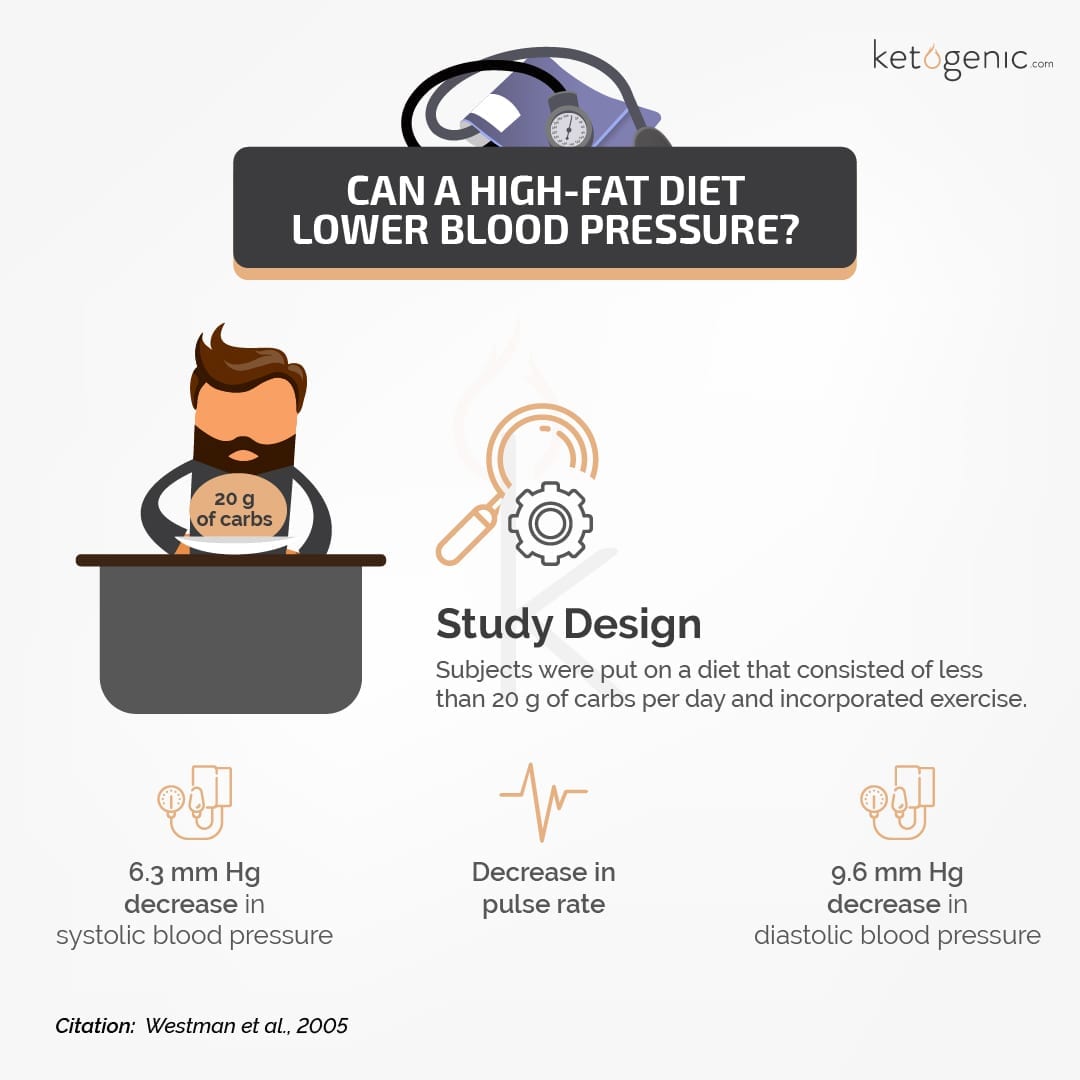
Several studies have examined low carb diets and blood pressure changes. One study focused on participants with high blood pressure. Researchers tracked their diet and health over several weeks. Another study observed individuals with borderline hypertension. Participants followed a strict low carb regimen. Their blood pressure was monitored regularly. These studies provide valuable insights into diet impacts on health.
Results And Analysis
Research revealed interesting results. In the first study, participants showed a notable decrease in blood pressure. The reduction was more significant in those with higher initial levels. The second study found similar outcomes. Participants experienced lowered blood pressure and improved heart health. The findings suggest low carb diets may benefit blood pressure. Experts believe reducing carbs helps manage hypertension.
Benefits Of Low Carb Diet
The low carb diet is gaining popularity for its health benefits. Many individuals turn to this diet for various reasons. It is believed to offer multiple advantages, especially for those seeking better health outcomes. Let’s explore some of these benefits.
Weight Loss Advantages
One major benefit of a low carb diet is weight loss. When carbs are reduced, the body burns stored fat for energy. This process leads to weight loss. People often see quick results. This can motivate them to continue with the diet. Low carb diets can also help control hunger. This is because they stabilize blood sugar levels. Less hunger means fewer calories consumed. And that supports weight loss goals.
Metabolic Health Improvements
A low carb diet may improve metabolic health. Reducing carbs can lower blood sugar levels. It can also improve insulin sensitivity. This is beneficial for those with insulin resistance. The diet helps reduce triglycerides, a type of fat in the blood. High triglycerides are a risk factor for heart disease. By lowering them, a low carb diet supports heart health. Better metabolic health can enhance overall well-being. It helps the body function more efficiently.
Potential Risks And Considerations
Low carb diets might reduce blood pressure, but they carry potential risks. Nutrient deficiencies and energy loss are possible concerns. Always consult a healthcare professional before making significant dietary changes.
Considering a low carb diet to lower blood pressure might seem like a straightforward choice. However, it’s essential to weigh potential risks and considerations before making any dietary changes. Understanding these factors ensures you can make informed decisions that align with your health goals.Nutritional Deficiencies
A low carb diet can sometimes lead to nutritional gaps. Carbohydrate-rich foods like fruits, vegetables, and whole grains are packed with essential vitamins and minerals. By cutting these out, you might miss out on nutrients like fiber, vitamin C, and certain B vitamins. To counteract this, consider integrating a variety of low-carb, nutrient-rich foods into your meals. Think leafy greens, nuts, seeds, and lean proteins. Have you ever tried experimenting with different veggies in your meals to keep it exciting and nutritious? If you’re unsure about your nutrient intake, it might be worthwhile to consult a nutritionist. They can help you plan a balanced low carb diet that meets all your nutritional needs.Long-term Sustainability
Is it realistic to maintain a low carb diet long-term? Many find the initial weight loss motivating, but sustainability can be challenging. Social events, cultural food practices, and personal preferences can make sticking to a strict diet difficult. Flexibility might be key here. Some people find success with a cyclical or targeted low carb approach, allowing for occasional carb intake. This can make the diet feel less restrictive and more manageable in the long run. Consider how a low carb lifestyle fits into your day-to-day routine and long-term plans. Is it adaptable to your lifestyle, or do you find yourself constantly struggling to adhere to it? Your diet should support your life, not control it. These considerations highlight the importance of personalizing your dietary approach. How will you adapt your eating habits to ensure both health benefits and personal satisfaction?Practical Tips For Implementation
Implementing a low-carb diet can help lower blood pressure. It’s important to approach this change with a plan. Having a clear strategy can make it easier to stick to the diet. Below are practical tips that can guide you in your journey.
Meal Planning Strategies
Start by choosing whole, unprocessed foods. Vegetables, lean meats, and healthy fats are great options. Prepare meals in advance to avoid last-minute unhealthy choices. Use spices and herbs for flavor instead of salt. This reduces sodium intake, which is good for blood pressure.
Keep meals balanced. Include a source of protein, healthy fats, and low-carb vegetables. This helps you feel full and satisfied. Plan your meals for the week. It saves time and reduces stress.
Monitoring Progress
Track your daily food intake. Use a journal or an app to note what you eat. Monitoring helps you stay on track and see patterns in your diet. Check your blood pressure regularly. This shows how the diet affects your health.
Pay attention to how you feel. Notice changes in energy levels and mood. These can indicate if the diet is working. Adjust as needed based on your progress and how you feel.

Credit: www.health.harvard.edu
Expert Opinions
Low carb diets have gained popularity for weight loss. But do they also lower blood pressure? This question has sparked interest among health experts. Let’s explore what professionals think.
Nutritionist Perspectives
Nutritionists often highlight the benefits of low carb diets. These diets may reduce blood pressure by promoting weight loss. Less weight can ease pressure on arteries. Carbohydrates impact insulin levels. Lower insulin may lead to less water retention, reducing blood pressure.
Whole foods are key in these diets. Fresh vegetables and lean proteins are recommended. Processed foods are generally avoided. Nutrient-rich options can support heart health. Healthy fats are also encouraged. Avocados and nuts are common examples. This balanced approach may benefit overall well-being.
Medical Advice
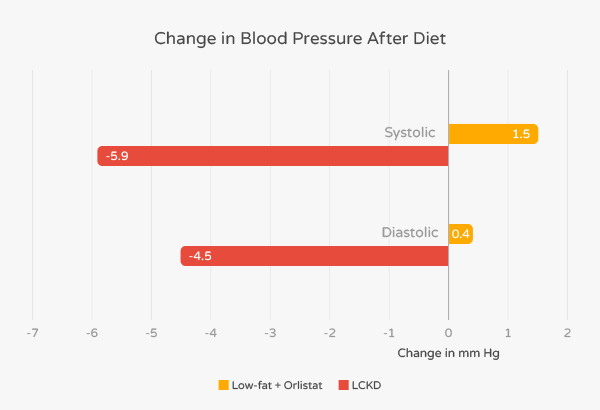
Doctors often agree on the positive effects of low carb diets. Some studies show a link to lower blood pressure. Reduced carb intake may improve heart health. Patients with hypertension might notice benefits.
Yet, doctors stress the need for balance. Each individual is different. A low carb diet might not suit everyone. Medical advice is crucial before making changes. Blood pressure should be monitored regularly. Combining diet with exercise can enhance results.
Medication may still be necessary for some. Doctors recommend ongoing consultations. They can tailor advice to fit personal health needs.
Credit: www.ruled.me
Frequently Asked Questions
What Diet Lowers Blood Pressure The Most?
The DASH diet effectively lowers blood pressure. It emphasizes fruits, vegetables, whole grains, and lean proteins. Reducing sodium intake and increasing potassium-rich foods are key components. Limiting saturated fats and sugars also contributes to better heart health. Consistent adherence leads to significant improvements in blood pressure levels.
What Happens To Your Body When You Cut Down On Carbs?
Reducing carbs can lead to weight loss, improved insulin sensitivity, and reduced hunger. Energy levels may fluctuate initially, but stabilize over time. Some people experience increased mental clarity. It’s important to replace carbs with healthy fats and proteins to maintain balanced nutrition.
Always consult with a healthcare professional before making dietary changes.
Why Does Blood Pressure Drop On A Keto Diet?
A keto diet reduces insulin levels, leading to sodium and water loss, which lowers blood pressure. Eating fewer processed foods, high in salt, also helps. Increased potassium intake from vegetables further supports blood pressure reduction. Regular monitoring is advisable during dietary changes.
Can A Lot Of Carbs Cause High Blood Pressure?
Consuming excess carbs can lead to weight gain and insulin resistance, potentially raising blood pressure. Focus on balanced eating with whole grains and vegetables to maintain healthy blood pressure levels.
Conclusion
Low carb diets may help lower blood pressure. Many studies show positive results. Eating fewer carbs can lead to weight loss. Less weight often means lower blood pressure. This diet also helps reduce sugar levels. Stable sugar levels benefit heart health.
While this diet seems promising, consult a doctor first. Everyone’s body reacts differently to diet changes. It’s important to listen to your body. Consider trying a low carb diet to see its effects. Monitor your blood pressure regularly. Aim for a healthy lifestyle.
Good health requires balanced eating and regular exercise.