Are you striving to build muscle and sculpt the physique you’ve always wanted? You’ve probably heard countless times that protein is the magic ingredient.
But is it really? Does protein help build muscle, or is it just another fitness myth? Understanding the truth can make all the difference in your fitness journey. Imagine unlocking the secret to transforming your body, achieving your goals faster, and feeling more confident than ever.
By diving into the science and facts behind protein and muscle growth, you’ll be equipped with the knowledge to make informed decisions that could change your workout game forever. Keep reading to discover how protein plays a role in muscle building, and how you can leverage it to maximize your results and make every workout count.
Protein And Muscle Growth
Protein plays a key role in muscle growth. It repairs muscle fibers after exercise. This leads to muscle gain. Consuming enough protein supports this process, helping muscles grow stronger.
Protein and Muscle GrowthAre you aiming to build muscle? Protein plays a crucial role in this journey. Understanding how protein contributes to muscle growth can transform your workouts and results.Role Of Protein In Muscle Development
Protein is essential for repairing and building muscles. After a workout, your muscles experience tiny tears. Consuming protein helps mend these tears, leading to increased muscle size and strength. Your body needs protein to create new muscle tissue. Without enough protein, your muscles can’t grow efficiently. Aim for a balanced intake of protein-rich foods like chicken, fish, and legumes to support your muscle development.Amino Acids And Muscle Synthesis
Amino acids are the building blocks of protein. They play a direct role in muscle synthesis. When you eat protein, your body breaks it down into amino acids, which then help repair and grow muscle tissue. Some amino acids, like leucine, are particularly important for muscle growth. Leucine triggers muscle protein synthesis, which is the process your body uses to build new muscle. Including foods like eggs and dairy can ensure you get enough leucine. Are you getting enough amino acids in your diet? If not, consider adding a protein supplement to fill the gaps. This can be especially useful if you’re on the go or have dietary restrictions. Building muscle requires more than just lifting weights. Are you ready to harness the power of protein for your muscle growth goals? A few changes in your diet can lead to significant improvements in your results.
Credit: www.youtube.com
Types Of Protein Sources
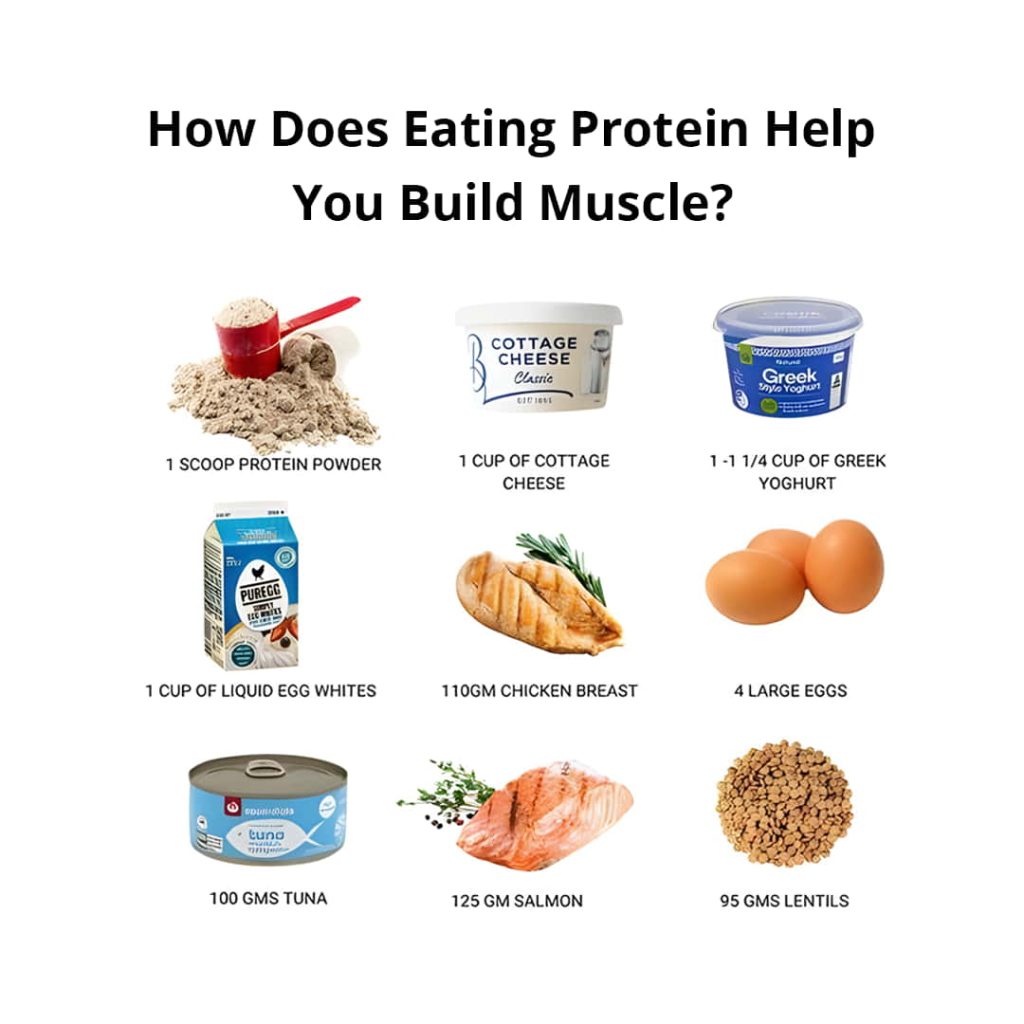
Protein is crucial for muscle growth, and it comes from various sources. Choose lean meats, fish, and eggs for animal-based options. For plant-based diets, beans, lentils, and tofu provide essential proteins.
When you’re on a journey to build muscle, understanding different types of protein sources is crucial. Protein plays a key role in muscle growth, but not all protein sources are created equal. Knowing your options can help you tailor your diet to meet your specific needs and preferences. Let’s explore some of the main types of protein sources.Animal-based Proteins
Animal-based proteins are often considered complete proteins. This means they contain all nine essential amino acids your body needs. Think chicken, beef, fish, eggs, and dairy products. Each of these foods offers unique benefits. For example, chicken and fish are lean meats, perfect for those watching their fat intake. Meanwhile, eggs are a versatile option, easy to prepare in countless ways. Have you ever whipped up a quick omelet before hitting the gym?Plant-based Proteins
Plant-based proteins are gaining popularity, especially among those following vegetarian or vegan diets. Options include beans, lentils, chickpeas, tofu, and quinoa. These sources often require combining different foods to get all essential amino acids. A classic combo is rice and beans, a staple in many cultures. Imagine the satisfaction of knowing your meal is both delicious and nutritionally complete. Additionally, plant-based proteins are packed with fiber and essential nutrients. They’re not just good for your muscles; they benefit your overall health too.Protein Supplements
Protein supplements can be a convenient option for those with busy lifestyles. They come in various forms, such as powders, bars, and ready-to-drink shakes. Whey protein is a popular choice, known for its quick absorption. But have you tried casein? It’s slower to digest, making it ideal for a bedtime snack. It’s important to choose a supplement that fits your lifestyle and dietary needs. Would you prefer a plant-based supplement like pea protein, or does whey better suit your taste? Always check the label for added sugars or unnecessary fillers. Each type of protein source has its unique advantages. What’s your go-to protein source, and how does it fit into your muscle-building plan?Daily Protein Requirements
Understanding daily protein requirements is crucial for effective muscle building. Proteins are the building blocks of muscles. Consuming the right amount daily aids muscle growth. Different factors influence how much protein you need.
Factors Influencing Protein Needs
Age affects protein requirements. Younger people may need more protein. Activity level is another factor. Athletes often require higher protein intake. Body weight plays a role in determining protein needs. Larger individuals might need more protein. Health status is important too. Recovery from illness can increase protein needs.
Recommended Intake For Muscle Gain
Experts suggest consuming 1.6 to 2.2 grams of protein per kilogram of body weight for muscle gain. This amount supports muscle repair and growth. Spread protein intake throughout the day. Eating protein-rich foods after workouts helps muscle recovery. Include lean meats, eggs, and dairy in your diet. Plant-based proteins like beans and lentils are also beneficial.

Credit: jimcordova.com
Timing Of Protein Intake
Timing of protein intake plays a vital role in muscle growth. Consuming protein at strategic times can enhance muscle repair and development. This section explores optimal times to consume protein for muscle building.
Pre-workout Protein Consumption
Eating protein before exercise fuels muscles. It provides essential amino acids for energy. A protein-rich snack can enhance performance. It prepares muscles for the workout challenge. Choose lean protein sources for best results. Eggs, chicken, or yogurt are excellent options.
Post-workout Protein Benefits
Protein after exercise aids muscle recovery. It helps repair damaged muscle fibers. Consuming protein soon after workouts is crucial. It maximizes muscle growth and repair. A protein shake or meal works best. This ensures quick absorption. Whey protein is a popular choice. It is fast-absorbing and effective.
Protein Quality And Muscle Building
Protein is essential for building muscle. It provides the amino acids muscles need to grow. But not all proteins are created equal. The quality of protein matters for effective muscle building. Let’s explore what makes protein quality crucial for muscle development.
Complete Vs. Incomplete Proteins
Proteins are made of amino acids. Complete proteins have all nine essential amino acids. These are found in animal sources like meat, eggs, and dairy. Incomplete proteins lack some essential amino acids. Plant-based proteins often fall into this category. Combining different plant proteins can make a complete protein. For muscle building, aim for complete proteins.
Bioavailability And Digestibility
Bioavailability measures how well the body absorbs protein. High bioavailability means more amino acids reach the muscles. Eggs and whey protein have high bioavailability. Digestibility refers to how easily protein breaks down during digestion. Protein from animal sources is usually more digestible. Choose proteins with high bioavailability and digestibility. This ensures muscles get the nutrients they need.
Myths And Misconceptions
Many myths surround protein and muscle building. People often get confused. Misinformation can lead to incorrect diet choices. Understanding the facts helps achieve fitness goals effectively. Let’s clear up some common misconceptions about protein.
Protein Overload Concerns
Some believe consuming too much protein causes harm. This is not entirely true. The body uses protein to repair muscles. Excess amounts may not always lead to negative effects. Moderation and balance are key.
A high protein intake can be safe for many. It supports muscle repair and growth. Consult a health expert for personal dietary needs. Understanding your own body’s limits is crucial.
Protein And Weight Loss Myths
Many think protein only builds muscle. But it also aids in weight loss. Protein can make you feel fuller longer. This reduces unnecessary snacking.
People often think all protein sources are equal. This is incorrect. Choose lean proteins for better results. Not all proteins contribute equally to weight loss. Be mindful of your protein choices.
Combining Protein With Exercise
Protein aids muscle growth when paired with regular exercise. It repairs and strengthens muscle fibers. A balanced diet with enough protein supports effective workout results.
Combining protein with exercise can be a powerful strategy for muscle building. Have you ever wondered why some gym enthusiasts prioritize their protein intake just as much as their workout routines? The answer lies in the synergy that protein and exercise create. Together, they help your muscles grow stronger and bigger, making your fitness journey more effective.Synergy Of Protein And Resistance Training
The combination of protein and resistance training is like a dynamic duo for muscle growth. Resistance exercises, like weightlifting, create tiny tears in your muscle fibers. Protein helps repair these tears, leading to stronger, bigger muscles. Imagine your muscles as a construction site. Resistance training acts as the blueprint, and protein is the building material. Without enough protein, your muscles may struggle to repair and grow efficiently. It’s essential to consume protein-rich foods after your workout. This timing ensures your muscles have the necessary nutrients to begin the repair process. Think about including foods like chicken, fish, or plant-based options like beans and tofu in your post-workout meal.Role Of Consistency In Muscle Building
Consistency is crucial in both your workout routine and protein intake. Sporadic efforts won’t yield the desired results. Regular exercise and consistent protein consumption work hand in hand to build and sustain muscle mass. Consider setting a routine that balances your workouts with protein intake. Make it a habit to include protein in every meal to support your muscle-building goals. For example, start your day with a protein-rich breakfast like eggs or a smoothie with protein powder. Think of muscle building as a marathon, not a sprint. Patience and regular effort will pay off in the long run. How can you stay motivated to maintain this consistency? Setting achievable goals and tracking your progress can be a great start. Would you skip a workout if you knew it would halt your progress? The same goes for protein. Keep this in mind and stay committed to your fitness and nutrition regimen.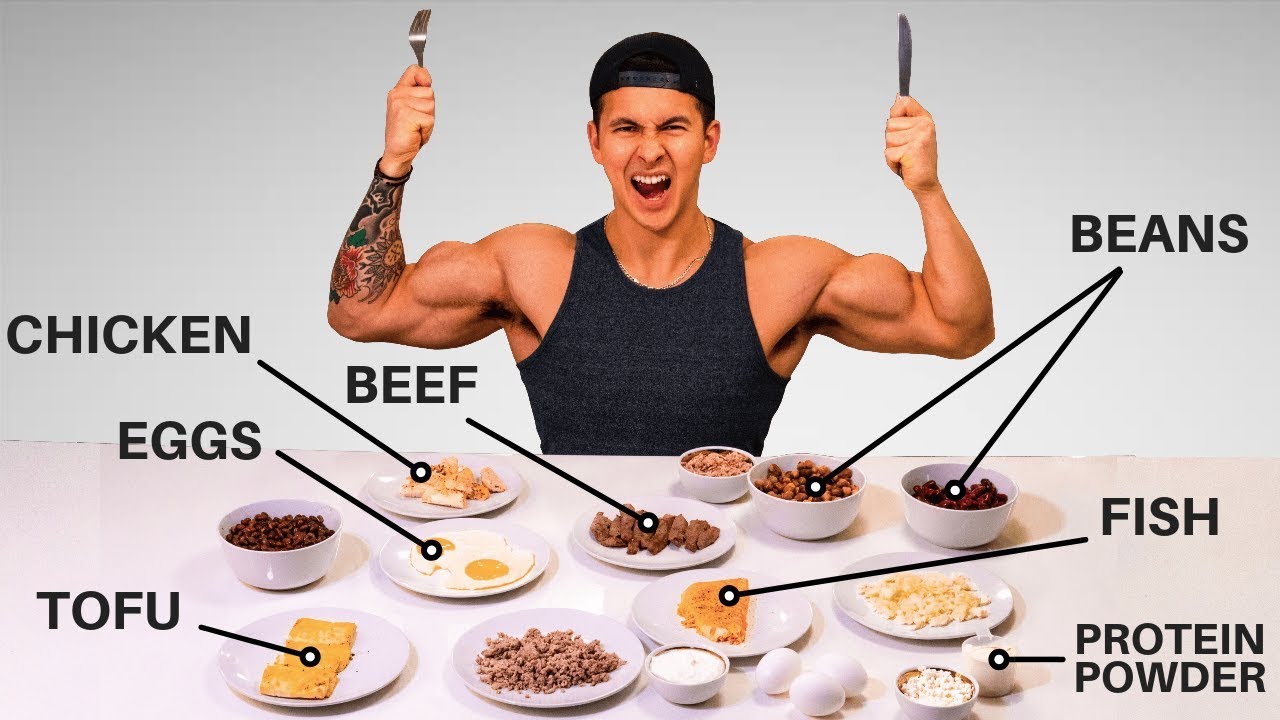
Credit: www.youtube.com
Scientific Studies And Evidence
Understanding the role of protein in muscle building is crucial. Many wonder if it’s truly effective. Scientific studies offer insights into this topic. Researchers have explored how protein influences muscle growth. They have examined its effects over short and long periods. Let’s delve into the evidence.
Research On Protein And Hypertrophy
Hypertrophy refers to muscle growth. Studies show protein intake can promote hypertrophy. Researchers found protein helps repair muscle fibers. This leads to increased muscle size. Protein is essential after workouts. It aids in recovery and growth.
Experts recommend consuming protein right after exercise. This timing boosts muscle protein synthesis. High-quality proteins are vital. They contain essential amino acids. These are the building blocks of muscle tissue.
Long-term Effects On Muscle Mass
Consistent protein intake impacts muscle mass over time. Studies have tracked athletes and regular gym-goers. Results indicate protein supports sustained muscle growth. Those with higher protein diets often show better muscle retention.
Long-term studies highlight the importance of daily protein. Researchers suggest spreading protein intake throughout the day. This strategy maintains a constant supply of amino acids. It ensures muscles are nourished continuously.
Protein isn’t just for immediate gains. It plays a role in lasting muscle health. Regular consumption can prevent muscle loss with aging. Studies suggest older adults benefit greatly from protein-rich diets.
Frequently Asked Questions
Do You Really Need Protein To Build Muscles?
Yes, protein is essential for muscle building. It repairs and grows muscle fibers after workouts. Consuming adequate protein supports muscle recovery and strength. Include sources like lean meats, eggs, and plant-based proteins in your diet. Balance protein intake with carbs and fats for optimal muscle growth.
Will I Build Muscle Without Protein?
Building muscle requires protein for repair and growth. Without adequate protein, muscle development will be limited. Consuming protein-rich foods supports muscle recovery and strength. Aim for a balanced diet to maximize muscle gains. Proper nutrition is crucial for effective muscle building.
How Does Protein Aid Muscle Growth?
Protein provides essential amino acids that repair and build muscle tissue after workouts. It supports muscle synthesis, enhancing growth and strength. Consuming adequate protein helps maintain muscle mass and promotes recovery, making it crucial for athletes and those aiming to increase muscle size.
Can Protein Shakes Replace Meals For Muscle Gain?
Protein shakes can supplement your diet but shouldn’t replace meals. They provide convenient protein intake, supporting muscle recovery. However, whole foods offer vital nutrients and energy required for optimal muscle growth. Balance shakes with nutritious meals for effective muscle-building results.
Conclusion
Protein plays a vital role in muscle building. It repairs muscle tissues. Eating enough protein supports growth and strength. Athletes and fitness enthusiasts benefit from balanced protein intake. Combine protein with exercise for effective results. Choose lean sources like chicken, fish, and beans.
Protein shakes can be helpful too. But focus on whole foods first. Remember, quantity matters. Not just quality. Consult a nutritionist for personalized advice. Everyone’s needs vary. Find what works for you. Stay consistent. Build muscle with dedication and proper nutrition.
This leads to healthier and stronger muscles over time.