Are you curious about the effects of Ritalin on your weight? Many people who are prescribed this medication for ADHD wonder if it might influence their waistline.
You might have heard some buzz claiming that Ritalin can lead to weight loss. But is there truth to these claims? We will delve into the science behind Ritalin and its potential impact on your weight. By understanding how Ritalin interacts with your body, you can make informed decisions about your health.
Stay with us as we uncover the facts and myths surrounding Ritalin and weight loss. Your health journey deserves clarity, and we’re here to provide it.
Ritalin And Its Uses
Ritalin, commonly known as methylphenidate, is a medication primarily used to treat attention deficit hyperactivity disorder (ADHD) and narcolepsy. Its benefits are well-documented, helping many individuals focus and reduce hyperactive behavior. However, Ritalin’s side effects, including weight loss, have sparked curiosity and concern among users.
Ritalin helps increase attention and decrease impulsiveness and hyperactivity in individuals with ADHD. It’s often prescribed to children and adults who struggle with concentration. The medication works by changing the amounts of certain natural substances in the brain.
If you’ve ever struggled to stay focused or felt overwhelmed by your own thoughts, you know how challenging daily tasks can become. Ritalin offers a lifeline to many by improving these symptoms, making it possible to lead a more structured life.
Understanding Weight Loss With Ritalin
Some users have reported losing weight while taking Ritalin. This can be due to appetite suppression, a common side effect of stimulant medications. You might find yourself less interested in food or skipping meals without realizing it.
Consider how you felt the last time you were so engrossed in work or an activity that you forgot to eat. Ritalin can create a similar effect by reducing your drive to snack or eat regular meals, which might lead to weight loss over time.
Is Weight Loss Always A Concern?
Not everyone who takes Ritalin will experience weight loss. Your body’s reaction to medication can be unique. Some might lose weight, while others maintain their usual eating habits without noticeable changes.
Have you ever wondered how medications affect different individuals? It’s crucial to monitor your body’s response and consult your doctor if unexpected weight changes occur. They can provide guidance tailored to your needs.
Practical Tips For Managing Weight Changes
If you’re worried about losing weight while on Ritalin, consider implementing small, mindful eating habits. Regular meal planning and setting reminders to eat can help maintain a balanced diet.
Imagine setting up your smartphone to remind you of meal times. This simple action can ensure you’re nourishing your body, even when your mind is focused elsewhere. Engaging in such proactive steps can help manage your weight effectively.
Ritalin can be beneficial, but it’s essential to stay informed about its effects. Have you considered speaking with your healthcare provider about how Ritalin impacts you? Their expertise can offer invaluable insights into your unique situation.
Mechanism Of Action
Ritalin, known for treating ADHD, impacts brain chemistry. It affects neurotransmitters, which are chemicals in the brain. These chemicals help control attention and behavior. But what about weight loss? Understanding Ritalin’s mechanism helps us see its effects on weight.
How Ritalin Affects The Brain
Ritalin influences dopamine and norepinephrine. These are key neurotransmitters. Dopamine plays a role in reward and pleasure. Norepinephrine affects alertness and energy. Ritalin increases their levels, enhancing focus and energy.
Impact On Appetite
Ritalin can suppress appetite. Many users report less hunger. This appetite change might lead to weight loss. It often results from reduced food intake. Less eating means fewer calories consumed.
Energy And Metabolism Boost
Ritalin boosts energy levels. Users might feel more active and alert. Increased energy can lead to more physical activity. More activity can burn calories, aiding weight loss. Ritalin may also speed up metabolism slightly.
Short-term Vs Long-term Effects
Short-term weight loss is common with Ritalin. Long-term effects vary. Some may regain weight once off the medication. Others maintain weight loss with lifestyle changes. Understanding these effects helps users manage expectations.
Weight Loss Observations
Weight loss is a common topic of interest for those prescribed Ritalin. Many people notice changes in their weight after starting the medication. This section explores these observations. Understanding the impact of Ritalin on weight can guide users in managing their health. Let’s dive into the details.
Weight Fluctuations On Ritalin
Ritalin can affect appetite, leading to weight changes. Some users experience a reduced desire to eat. This can result in weight loss over time. Appetite suppression is a known side effect of Ritalin. Monitoring food intake is crucial for those who notice weight changes.
Short-term Weight Changes
Many users report weight loss soon after starting Ritalin. This initial drop may stabilize as the body adjusts. Short-term weight loss is often linked to decreased appetite. It’s important to maintain balanced nutrition during this period. Consulting a healthcare provider can help manage these changes.
Long-term Weight Effects
The long-term effects of Ritalin on weight vary. Some users maintain their lower weight. Others may regain weight as their body adapts. Lifestyle factors also play a role in long-term weight management. Regular check-ins with a healthcare provider are recommended.
Individual Differences
Not everyone experiences weight loss on Ritalin. Individual differences in metabolism and lifestyle affect outcomes. Some people may even gain weight due to other factors. Each person’s experience with Ritalin is unique. Personalized advice from a healthcare provider is beneficial.
:max_bytes(150000):strip_icc()/VWH_Illustration_Helping-Your-Child-Gain-Weight-on-ADHD-Medication_Ellen-Lindner_Final-eaf521c32a234ec89b75b463a3234ce5.jpg)
Credit: www.verywellhealth.com
Clinical Studies On Weight Changes
Weight changes are a significant concern for many individuals taking medication. Ritalin, a common prescription for ADHD, has garnered attention for its potential impact on weight. Clinical studies provide valuable insights into this topic, helping you understand what to expect when using Ritalin.
Clinical Evidence Supporting Weight Loss
Some studies suggest that Ritalin may contribute to weight loss. Researchers have observed a decrease in appetite among users, leading to reduced calorie intake. This can result in weight loss over time.
One study found that children on Ritalin experienced a slight drop in weight during the initial months of treatment. If you’ve noticed changes in your eating habits, this might be linked to the medication.
Potential Mechanisms Behind Weight Changes
Ritalin affects neurotransmitters in the brain, primarily dopamine and norepinephrine. These chemicals can influence appetite and metabolism. This might explain why some people experience weight changes while on Ritalin.
If you’re curious about how your body responds to Ritalin, consider keeping a food diary. Tracking your meals can help identify patterns in your appetite and weight fluctuations.
Variability Among Individuals
Weight changes with Ritalin aren’t uniform across all users. Some might lose weight, while others notice no significant difference. Factors like age, metabolism, and lifestyle play a role.
Have you ever wondered why your friend’s experience with Ritalin differs from yours? It’s crucial to remember that medications affect everyone differently, and personal health conditions can impact outcomes.
Long-term Effects And Considerations
Long-term use of Ritalin may stabilize weight changes. Initial weight loss might plateau, as your body adjusts to the medication. It’s essential to monitor these changes and discuss them with your doctor.
Thinking about the long-term, how do you see yourself managing weight while on Ritalin? Consider regular check-ins with your healthcare provider to ensure balanced health.
Practical Tips For Managing Weight
If you’re concerned about weight loss, focus on nutrient-rich foods to maintain energy levels. Balanced meals can help counteract decreased appetite.
Engage in regular physical activity to support your overall health. Exercise can boost your mood and metabolism, offering a natural balance to medication effects.
Finally, remember to communicate with your healthcare team. They can provide personalized advice based on your health profile, ensuring you maintain a healthy lifestyle while on Ritalin.
Side Effects And Risks
Ritalin might cause weight loss as a side effect, especially in children. Appetite reduction often leads to decreased food intake. Other risks include sleep problems and increased heart rate.
Ritalin, commonly prescribed for ADHD, is renowned for its ability to enhance focus and attention. However, like all medications, it comes with its own set of side effects and risks, one of which is weight loss. It’s essential to understand these side effects to make informed decisions about your health. Have you ever wondered how a drug designed to sharpen your mind might impact your body? Let’s explore this further.Potential Side Effects
Ritalin can lead to a decrease in appetite, making you eat less throughout the day. This reduction in food intake can result in weight loss. If you notice a change in your eating habits, monitor your weight closely. You might experience other side effects like insomnia or mood swings. Sleep issues can exacerbate weight changes, as lack of sleep affects hunger hormones and metabolism. Consider keeping a journal to track any emotional changes.Understanding The Risks
While weight loss might seem like a bonus, it can pose risks if it’s rapid or unintended. Losing weight too quickly can lead to nutritional deficiencies, affecting your overall health. Talk to your doctor if you notice drastic changes in your weight. Long-term use of Ritalin might lead to dependency, making it challenging to stop the medication without guidance. Your body might become accustomed to its effects, including appetite suppression. Have you discussed a plan with your healthcare provider for managing long-term risks?Balancing Benefits And Risks
It’s crucial to weigh the benefits of Ritalin against its potential side effects. If you find that weight loss is impacting your life negatively, it might be time to reassess your treatment plan. Do the benefits of improved focus outweigh the physical changes you’re experiencing? Regular check-ins with your healthcare provider can help navigate these decisions. They can offer alternatives or adjust dosages to minimize side effects. Are you making the most of these consultations to discuss your concerns?What Can You Do?
Stay proactive about your health by maintaining a balanced diet and monitoring your weight. Engage in regular physical activity to counteract any unwanted weight changes. Are you keeping a healthy lifestyle to complement your medication? Open communication with your doctor is key. Don’t hesitate to bring up any side effects you experience. Your insights can lead to adjustments that better suit your needs. How open are you about discussing your health journey with your healthcare provider?
Credit: www.healthline.com
Factors Influencing Weight Loss
Ritalin, a medication for ADHD, is known to affect weight. Several factors contribute to weight loss in individuals taking Ritalin. Understanding these factors can help manage expectations and health outcomes. Below, we explore some key factors influencing weight loss with Ritalin.
1. Appetite SuppressionRitalin can reduce hunger. This can lead to lower food intake. Many users eat less without realizing it. Appetite suppression varies from person to person. Some might experience it more than others.
2. Metabolic ChangesThe medication might increase metabolism. This means more calories burned daily. A higher metabolic rate can support weight loss. These changes depend on individual body chemistry. Not everyone will experience the same effect.
3. Physical Activity LevelsRitalin can increase focus and energy. This may lead to more physical activity. Increased activity can contribute to weight loss. Staying active helps burn extra calories. Exercise habits may improve due to better concentration.
4. Psychological FactorsEmotional well-being impacts eating habits. Ritalin can improve mood and reduce stress. This might lead to healthier eating choices. Better mental health can promote balanced nutrition.
5. Duration and DosageWeight loss effects depend on dosage and duration. Higher doses might have stronger effects. Longer use can lead to more noticeable changes. Always consult a doctor for proper dosage.
Comparing With Other Stimulants
Ritalin may lead to weight loss, similar to other stimulants. It can reduce appetite and increase energy use. Comparing its effects to caffeine or amphetamines shows varying impacts on weight.
In today’s world, the use of stimulants for various health conditions and lifestyle choices is growing. Ritalin, primarily prescribed for ADHD, is often compared with other stimulants like Adderall and caffeine. When it comes to weight loss, these comparisons become even more intriguing. How does Ritalin stack up against other stimulants in terms of weight loss? Let’s explore this question and see what you might need to consider.Ritalin Vs. Adderall: The Weight Loss Debate
Ritalin and Adderall are both prescribed for ADHD, but they have different active ingredients. Some people report weight loss with both, but how do they compare? Adderall, known for its amphetamine salts, can suppress appetite more significantly than Ritalin. Users often notice reduced hunger and increased energy, leading to weight loss. On the other hand, Ritalin, made of methylphenidate, may not suppress appetite to the same extent. However, it still increases focus and energy, which might indirectly lead to weight loss through increased physical activity.Caffeine: The Everyday Stimulant
Caffeine is the world’s most widely consumed stimulant and is found in coffee, tea, and many energy drinks. Can it cause weight loss like Ritalin? Caffeine boosts metabolism and increases energy levels. People often use it to stay awake and alert. However, its effects on weight loss are usually mild compared to prescription stimulants. While caffeine can help burn calories, it doesn’t drastically suppress appetite. You might find yourself snacking alongside your cup of coffee, which could offset any weight loss benefits.Prescription Stimulants Vs. Natural Alternatives
Natural stimulants like green tea extract and guarana are popular among those looking for weight loss alternatives. How do they measure up to prescription options like Ritalin? Natural stimulants can offer a gentle boost in energy and metabolism. They are less likely to cause side effects compared to prescription medications. However, their impact on weight loss is usually subtler. If you’re considering a natural stimulant, remember that they require consistency and are often paired with diet and exercise for noticeable results.What Is Your Goal?
When choosing between Ritalin and other stimulants, it’s essential to ask yourself what your primary goal is. Are you looking to manage ADHD symptoms, boost productivity, or lose weight? For those focused on weight loss, relying solely on stimulants isn’t a sustainable strategy. They can be a tool, but lifestyle changes, like a balanced diet and regular exercise, are crucial for long-term success. Have you considered how these options might fit into your lifestyle? It’s important to weigh the benefits and potential side effects of each. Ultimately, the decision should align with your health goals and be guided by professional advice. Consider speaking with your healthcare provider to find the best approach for your needs.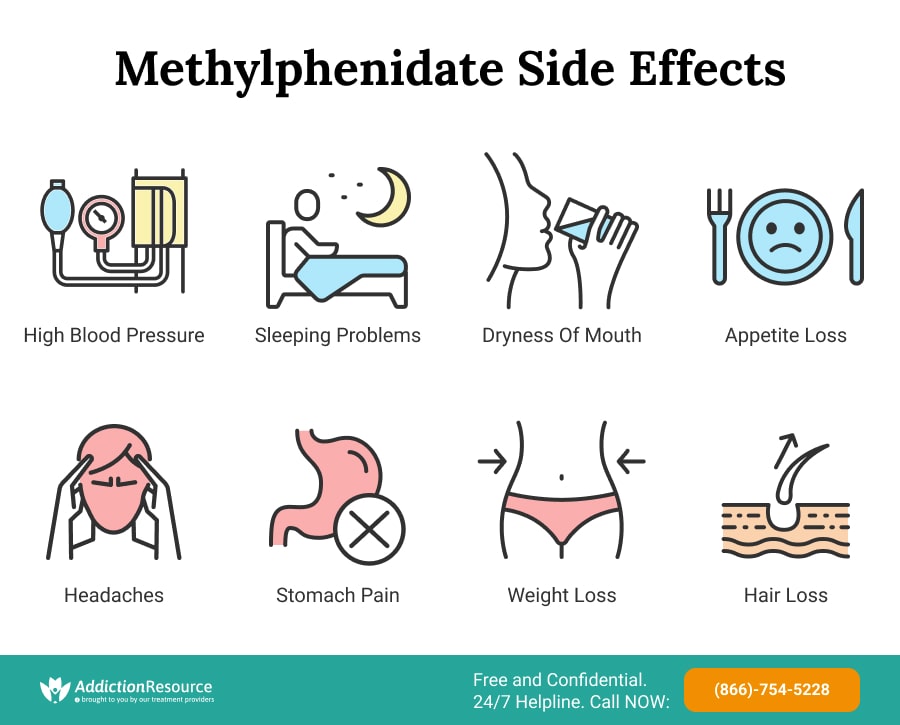
Credit: addictionresource.com
Patient Experiences
Many people taking Ritalin report weight loss as a side effect. This medicine can decrease appetite, leading to reduced calorie intake. Some patients notice a change in their eating habits. Understanding these experiences can help manage expectations when starting Ritalin.
Understanding how Ritalin affects weight loss can be quite revealing, especially when you delve into real-life patient experiences. While scientific studies provide valuable data, patient stories offer a glimpse into the everyday impact of this medication. They highlight the varied effects Ritalin has on individuals, often surprising even the most informed reader.Different Reactions From Patients
Some patients report losing weight after starting Ritalin. They notice a decrease in appetite, making it challenging to maintain their usual eating habits. Others, however, experience minimal changes in weight. This diversity in reactions can be intriguing. What factors contribute to these differing experiences?Unexpected Benefits And Challenges
For some, weight loss is an unexpected benefit of Ritalin. They find it easier to manage their weight, something they struggled with before. Yet, others face challenges. The lack of appetite can lead to inadequate nutrition, affecting overall health. How do you balance the benefits with the potential drawbacks?The Role Of Lifestyle Choices
Your lifestyle choices play a crucial role in how Ritalin affects your weight. Are you mindful of your diet and exercise? Some patients find that their active lifestyle mitigates the weight loss effects. Others might need to adjust their habits to cope with the changes. Are you prepared to make these adjustments if necessary?Listening To Your Body
It’s essential to listen to your body. Monitor your weight and health closely while on Ritalin. If you notice significant changes, consult your healthcare provider. Your body often gives signals that require attention. Are you paying attention to these signals and responding accordingly?Personal Stories: A Source Of Insight
Patient stories provide invaluable insights. One patient shared how they initially welcomed the weight loss but later faced challenges with energy levels. This story highlights the importance of staying informed about your health. What can you learn from these shared experiences that might apply to your situation? In exploring patient experiences, you gain a more comprehensive understanding of Ritalin’s impact on weight. These stories serve not only to inform but also to remind you of the importance of personal health awareness. Are you considering the full picture when it comes to your health decisions?Guidance For Users
Ritalin, a medication often prescribed for ADHD, may cause weight loss in some users. Understanding how this medication impacts weight is crucial. Proper guidance helps users manage potential changes in appetite and weight. This section offers insight into safe practices for those taking Ritalin.
Understanding Ritalin’s Impact On Appetite
Ritalin can reduce appetite. This effect might lead to weight loss. Users should monitor their food intake. Eating balanced meals ensures adequate nutrition.
Importance Of Regular Monitoring
Frequent weight checks are essential. They help track any changes. Consult a healthcare provider if weight loss is significant. Professional advice ensures health and safety.
Adopting Healthy Eating Habits
Focus on nutrient-rich foods. Choose fruits, vegetables, and proteins. Avoid skipping meals. Regular eating helps maintain energy levels.
Consulting Healthcare Professionals
Discuss concerns with a doctor. They offer tailored advice. Adjustments to dosage or diet might be necessary. Professional guidance ensures optimal treatment outcomes.
Maintaining An Active Lifestyle
Exercise supports healthy weight management. It boosts mood and energy. Even short walks can be beneficial. Staying active complements dietary efforts.
Frequently Asked Questions
Which Adhd Medication Is Best For Weight Loss?
No ADHD medication is specifically approved for weight loss. Some may cause appetite suppression as a side effect. Always consult a healthcare professional before considering medication for weight loss. Safety and effectiveness must be prioritized.
Does Vyvanse Or Ritalin Cause More Weight Loss?
Vyvanse typically causes more weight loss compared to Ritalin. Both medications can suppress appetite. Weight changes vary individually and depend on dosage, duration, and personal health factors. Consulting a healthcare professional is advised for personalized information.
Do People With Adhd Lose Weight Faster?
People with ADHD may experience weight changes due to impulsivity or hyperactivity. Weight loss isn’t guaranteed or faster. Individual factors like lifestyle and medication influence weight changes. Always consult a healthcare professional for personalized advice.
What Is The Crash After Ritalin?
The crash after Ritalin refers to fatigue, irritability, and mood swings as the medication’s effects wear off. Users may experience difficulty concentrating and feel depressed. This is a common reaction as the stimulant leaves the system, often requiring management strategies for smooth transition.
Conclusion
Ritalin might lead to weight loss in some people. Side effects vary widely, though. Consult a doctor before using Ritalin for weight control. Each person’s body reacts differently to medication. Consider diet and exercise for healthy weight management. Avoid relying solely on medication.
Research shows mixed results on weight loss due to Ritalin. Staying informed helps make better health choices. Listen to your body and seek professional advice. A balanced lifestyle is key for well-being. Remember, health is more than just weight. Focus on overall happiness and health.