Are you curious about whether rowing can help you build muscle? You’re not alone.
As fitness enthusiasts, we constantly search for effective workouts that maximize our efforts and deliver visible results. Rowing is often touted as a full-body workout, but does it truly have the power to sculpt and strengthen your muscles? Imagine unlocking a routine that not only boosts your endurance but also chisels your body into shape.
Intrigued? Let’s dive into how rowing might just be the muscle-building secret you’ve been missing. Stay with us as we unravel the science and benefits behind this dynamic exercise.

Credit: bainbridgerowing.org
Muscle Groups Engaged In Rowing
Rowing is a full-body workout that engages multiple muscle groups. Each stroke on the rowing machine or in the water targets specific areas. Understanding these muscle groups can help optimize your rowing sessions. Let’s explore the different muscles involved.
Upper Body Muscles
The arms play a significant role in rowing. As you pull the handle, the biceps and triceps work hard. The shoulders also engage, providing stability and power. The back muscles, including the latissimus dorsi, are crucial. They help with the pulling motion. This combination strengthens the upper body effectively.
Lower Body Muscles
The legs generate most of the power in rowing. The quadriceps and hamstrings propel the body forward. The calves provide additional support. Each leg drive strengthens these muscles. The glutes also activate, enhancing overall leg power. This makes rowing an excellent workout for the lower body.
Core Activation
The core muscles stabilize the body during rowing. The abdominals and obliques help maintain posture. They also assist in the transfer of power from the legs. This constant engagement strengthens the core. A strong core improves balance and reduces injury risk. Rowing ensures a comprehensive core workout.
Benefits Of Rowing For Muscle Growth
Rowing is not just a sport; it’s a full-body workout. This exercise targets multiple muscle groups. The benefits of rowing for muscle growth are substantial. It combines strength and endurance in one movement. Rowing boosts muscle tone and improves cardiovascular health.
Endurance And Strength
Rowing builds both endurance and strength. Each stroke engages your muscles. Arms, legs, and back work together. Over time, muscles grow stronger. Endurance improves with regular rowing. This leads to better stamina in daily activities.
Improved Muscle Tone
Regular rowing enhances muscle tone. It targets different muscle groups. Arms, shoulders, and legs get toned. The core muscles also get stronger. Improved tone gives a lean appearance. It boosts overall body confidence.
Cardiovascular Impact
Rowing has a positive impact on the heart. It improves cardiovascular health. The heart rate increases during rowing. This strengthens the heart muscles. Better circulation results from regular sessions. It reduces the risk of heart diseases.
Rowing Techniques For Muscle Building
Rowing effectively builds muscle by engaging multiple groups like legs, back, and arms. This full-body workout strengthens and tones muscles, enhancing endurance and power. Regular rowing sessions can significantly improve overall muscle mass and fitness levels.
Rowing offers a full-body workout. It engages various muscle groups. Many wonder if it builds muscle. The answer is yes. But, it depends on the technique used. Proper techniques enhance muscle growth. They ensure effective workouts. This section explores essential rowing techniques.Proper Form And Posture
Correct form is crucial. It prevents injuries. It also ensures muscle engagement. Start with a straight back. Keep your shoulders relaxed. Engage your core muscles. Push with your legs. Pull the handle to your chest. Keep elbows close to your body. Maintain a consistent rhythm. This posture maximizes muscle activation.Intensity And Resistance
Intensity affects muscle development. Increase rowing speed gradually. Use resistance settings wisely. Higher resistance means more muscle engagement. It simulates rowing through water. Adjust the resistance to challenge yourself. Monitor your heart rate. It indicates workout intensity. Balance between speed and resistance.Progressive Overload
Progressive overload is key. It involves gradually increasing workout demands. Add more time to your sessions. Increase resistance levels. Push harder with each session. Track your progress. Aim for small, consistent improvements. This approach leads to muscle growth. Stay consistent with your routine.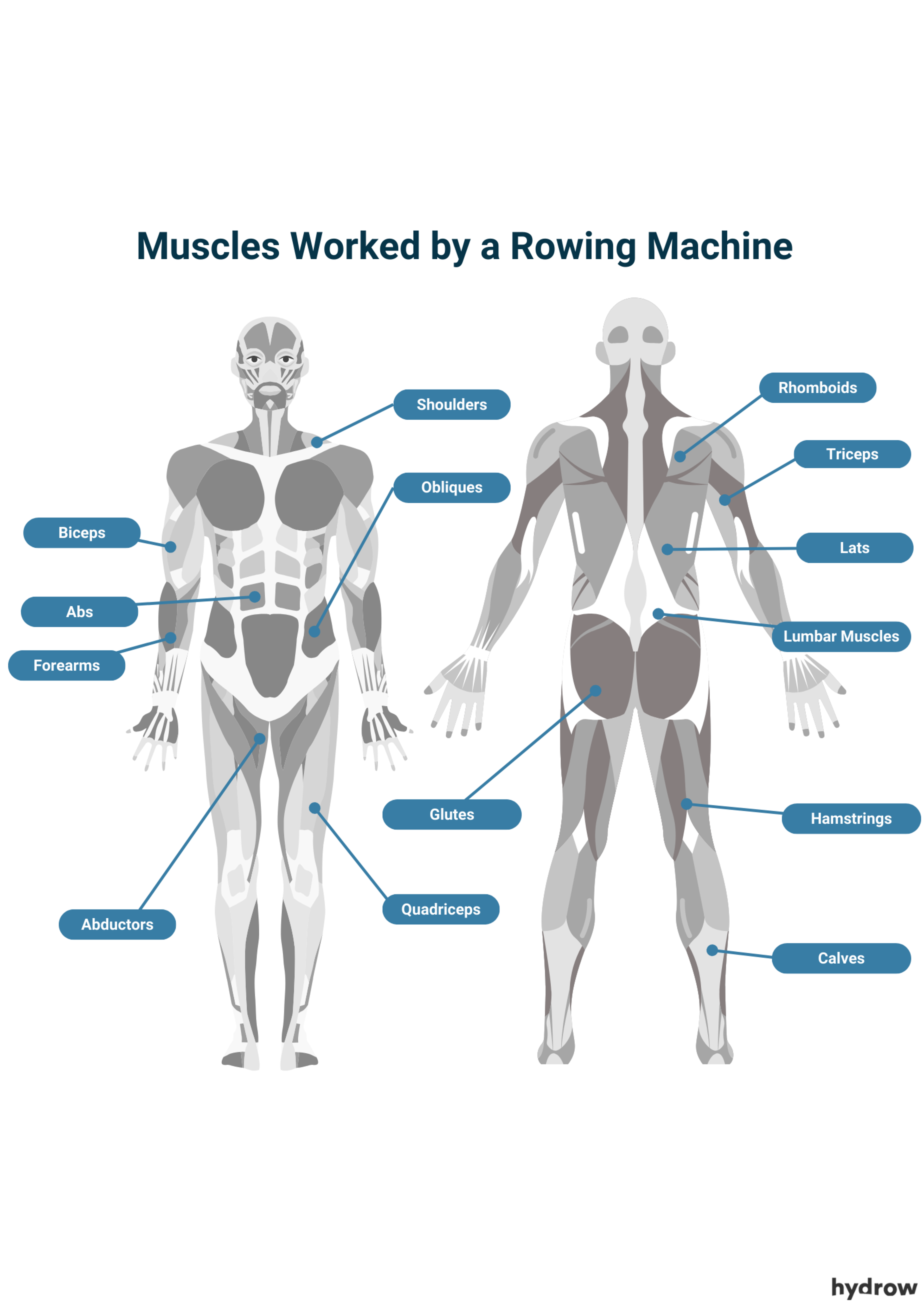
Credit: hydrow.com
Comparing Rowing With Other Exercises
Rowing effectively targets various muscle groups, fostering strength and endurance. Unlike running or cycling, rowing engages both upper and lower body muscles simultaneously. This comprehensive workout builds lean muscle while enhancing cardiovascular fitness, making it a versatile exercise choice.
Comparing rowing with other exercises can help you understand its unique benefits. Rowing is not just about paddling back and forth. It’s a full-body workout that can build muscle while boosting cardiovascular health. But how does it stack up against other popular exercises?Rowing Vs. Weightlifting
Weightlifting is great for targeting specific muscles. You can focus on your biceps, triceps, or any other muscle group. Rowing, on the other hand, engages multiple muscle groups simultaneously. Your legs, arms, back, and core all get a workout at the same time. If you want to build overall muscle tone and endurance, rowing offers a more balanced approach. But if your goal is to bulk up in a specific area, weightlifting might be the better choice.Rowing Vs. Running
Running is a fantastic cardiovascular workout. It keeps your heart healthy and burns calories. However, running primarily targets your lower body. Your legs do most of the work, while your upper body gets less action. Rowing provides a more comprehensive muscle workout. It challenges your whole body, making it efficient for muscle building and cardio.Rowing Vs. Cycling
Cycling is another excellent cardio option. It strengthens your legs and improves endurance. But if you’re looking for a workout that also engages your upper body, rowing has the edge. It works your arms, back, and even your core. Consider what you want from your exercise routine. Do you want a full-body workout, or do you prefer to focus on specific areas? Rowing offers a unique mix that can complement other activities. Have you tried comparing these exercises yourself? What did you notice in terms of muscle engagement and overall fitness? Share your thoughts in the comments!Tips For Maximizing Muscle Gains
Whether you’re new to rowing or a seasoned pro, understanding how to maximize muscle gains can enhance your workout results significantly. Rowing is not just a cardio workout; it’s a full-body exercise that targets various muscle groups. To get the most out of rowing, focus on consistent training, balanced nutrition, and adequate recovery. These elements can ensure you build muscle effectively and sustainably.
Consistent Training Regimen
Consistency is key to building muscle. Set a schedule that suits your lifestyle and stick to it. Mix up your workouts to keep things exciting and challenging. For instance, alternate between high-intensity interval training and longer, steady-paced sessions.
Track your progress to stay motivated. Use fitness apps or a simple notebook to log your workouts. Seeing improvements over time will encourage you to keep going.
Balanced Nutrition
Your diet plays a crucial role in muscle development. Ensure you’re getting enough protein to support muscle repair and growth. Think lean meats, beans, and legumes. Don’t forget carbs for energy and healthy fats for overall well-being.
Hydration is often overlooked but vital. Water helps in muscle recovery and performance. Keep a bottle handy during workouts and sip regularly.
Recovery And Rest
Muscles grow when you rest, not just when you exercise. Make sure to have at least one rest day per week. Listen to your body; if you’re feeling worn out, take a break.
Sleep is your secret weapon. Aim for 7-9 hours a night. Quality sleep will aid in muscle repair and growth. Ever noticed how you perform better after a good night’s rest?
Have you tried these tips in your rowing routine? What changes have you noticed in your muscle gains? Keep experimenting and adjusting to find what works best for you. The journey to building muscle is personal and unique, so embrace it!

Credit: hydrow.com
Common Misconceptions About Rowing
Rowing is a great workout for many. But, there are some common misconceptions. These myths can confuse people about its benefits. Let’s explore these misconceptions in detail.
Rowing As A Cardio Exercise Only
Many think rowing is only for cardio. It’s true, rowing boosts heart health. But that’s not all it does. Rowing also builds strength. Every stroke engages multiple muscle groups. Your legs, back, and arms all work together. This makes rowing a full-body workout. So, it’s not just about heart health. It’s about muscle strength too.
Rowing And Bulking Up
Some fear rowing will make them bulky. This is not the case. Rowing tones muscles without adding bulk. It provides lean muscle mass. The resistance level is adjustable. So, you can control your muscle growth. Rowing helps in getting a toned body. Not a bulky one.
Rowing And Joint Stress
People worry rowing stresses joints. In reality, it’s low-impact. This makes it gentle on joints. Rowing machines are designed to reduce stress. Proper technique further reduces joint pressure. It’s safe for people with joint issues. Rowing offers a smooth workout without harm.
Frequently Asked Questions
Can You Get Muscular From Rowing?
Yes, rowing can help you build muscle. It engages major muscle groups, including arms, legs, and core. Consistent rowing workouts improve strength and endurance. Integrating rowing with a balanced diet and strength training enhances muscle development. It’s an effective full-body workout for achieving a toned and muscular physique.
How Long Should You Use A Rowing Machine To Build Muscle?
Use a rowing machine for 20-30 minutes, 3-4 times weekly to build muscle effectively. Consistency and proper technique enhance results. Adjust intensity based on fitness level and goals. Combine rowing with strength training for balanced muscle growth. Always consult a fitness professional for personalized advice.
Is 20 Minutes Of Rowing A Day Enough?
Rowing for 20 minutes daily can boost cardiovascular health and strengthen muscles. It may suffice for beginners or those with limited time. For significant fitness goals, combine with varied workouts and a balanced diet. Always consult a fitness expert for personalized advice.
Does Rowing Lose Belly Fat?
Rowing helps burn calories and boosts metabolism, aiding in belly fat reduction. Consistent rowing strengthens core muscles, promoting overall fat loss. Combine rowing with a balanced diet for optimal results. Regular exercise and healthy eating are key to losing belly fat effectively.
Conclusion
Rowing is a great way to build muscle. It engages many muscle groups. Arms, legs, and core all work together. This full-body workout boosts strength. Regular rowing sessions improve endurance too. Plus, it’s a low-impact exercise, reducing injury risk. Perfect for all fitness levels.
Beginners and pros alike benefit. Consistency is key to seeing results. So, hop on a rowing machine. Feel the burn. Watch your muscles grow. Make rowing part of your routine. Enjoy the journey to a stronger you.