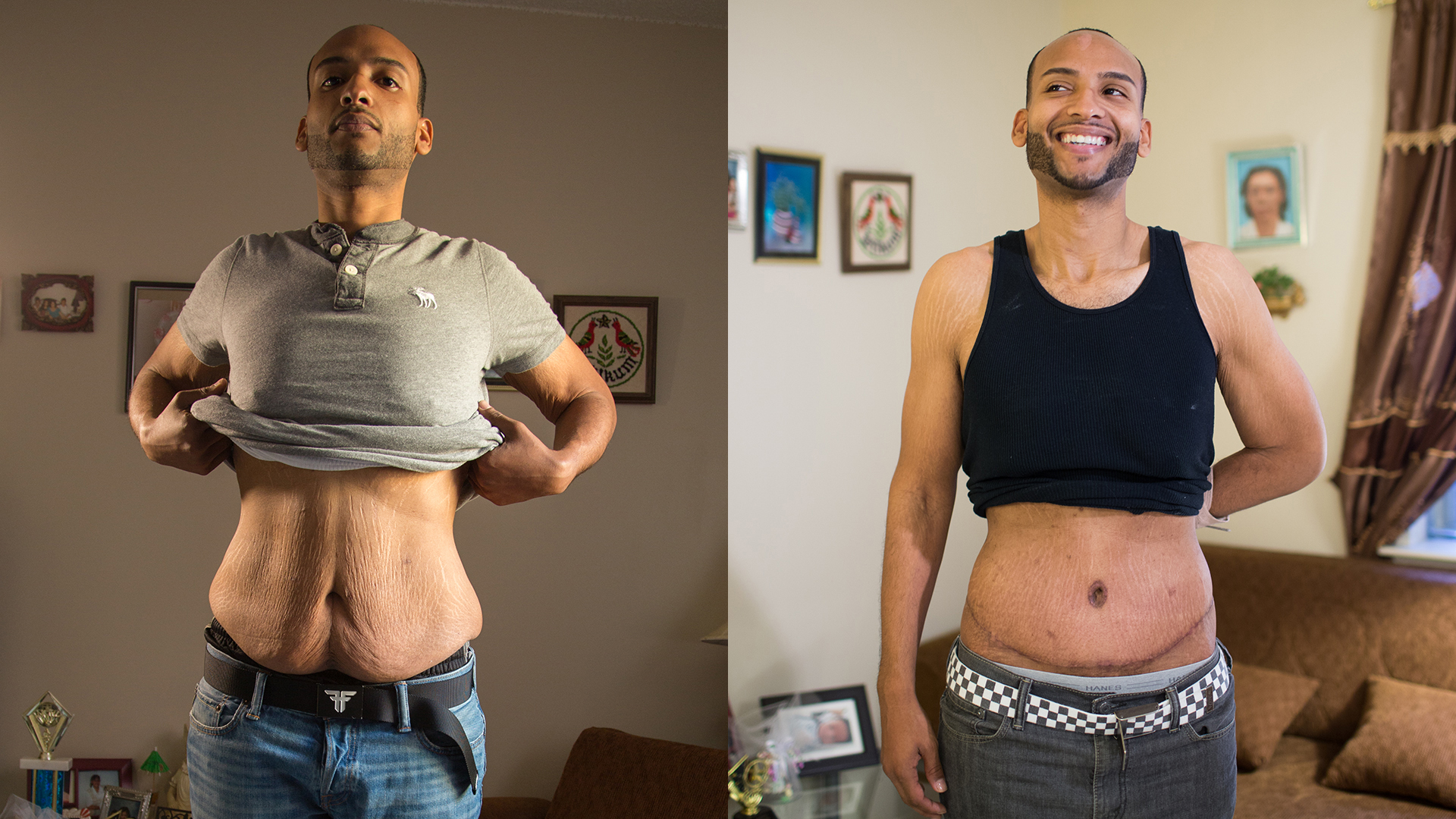
Imagine looking in the mirror after shedding those extra pounds, feeling proud and accomplished, but noticing that your skin hasn’t quite caught up with your new shape. You’ve worked hard to lose weight, but now you’re wondering if your skin will shrink to match your new size.
You’re not alone in this concern, and the answers might surprise you. Understanding how your skin responds to weight loss is crucial, not just for your physical appearance, but for your confidence and overall well-being. Let’s unravel the science behind skin elasticity and explore what you can do to help your skin adjust to your new, healthier body.
Stick around to discover practical tips and expert insights that can make a real difference in your journey.
Credit: www.nbcnews.com
Skin Elasticity Basics
Understanding skin elasticity is key to knowing why skin may not shrink after weight loss. Skin elasticity relates to the skin’s ability to stretch and return to its original shape. This natural process helps the skin adapt to changes in the body. Factors like age, genetics, and lifestyle impact skin elasticity. Let’s explore these elements in detail.
What Is Skin Elasticity?
Skin elasticity is the skin’s ability to stretch and bounce back. Collagen and elastin are proteins that give skin its structure and flexibility. They help maintain firm and youthful skin. With age, collagen and elastin levels decrease, affecting skin elasticity.
Factors Affecting Skin Elasticity
Several factors impact skin elasticity. Age is a major factor. Older skin produces less collagen and elastin, leading to sagging. Genetics also play a role. Some people naturally have more elastic skin. Lifestyle choices like smoking and sun exposure can damage skin fibers. This leads to decreased elasticity over time.
Role Of Hydration And Nutrition
Hydration and nutrition significantly affect skin elasticity. Water keeps skin hydrated and supple. A diet rich in vitamins and minerals supports collagen production. Vitamin C and E, zinc, and protein are essential for healthy skin. Eating a balanced diet promotes better skin elasticity.
Exercise And Skin Elasticity
Regular exercise improves blood circulation. This helps deliver nutrients to skin cells. Exercise also reduces stress, promoting better skin health. Strength training can build muscle under the skin, providing a firmer appearance.
Impact Of Rapid Weight Loss On Skin
Rapid weight loss can challenge skin elasticity. The skin may not shrink as quickly as the body. This can lead to loose skin. Gradual weight loss gives skin time to adjust. It’s crucial to maintain skin health during weight loss.
Factors Affecting Skin Shrinkage
Understanding the factors affecting skin shrinkage can help you manage expectations during your weight loss journey. Skin doesn’t always bounce back immediately after losing weight, and several elements play a role in how well your skin adjusts to your new shape. By exploring these factors, you can plan better and make informed choices for your health and appearance.
Age And Skin Elasticity
Your age significantly impacts your skin’s ability to shrink after weight loss. As you age, your skin loses some of its elasticity, making it harder for it to tighten up after shedding pounds. You might notice this especially if you’re over 40, as collagen production decreases, affecting your skin’s firmness.
Think about how your skin reacted in your younger years when you gained or lost weight rapidly. Was it able to bounce back quickly? This elasticity diminishes over time, making skin shrinkage a slower process.
Consider incorporating skin-friendly foods rich in vitamins C and E, which can support collagen production and improve elasticity.
Duration Of Being Overweight
The length of time you’ve been overweight can influence how your skin shrinks. If you’ve carried extra weight for many years, your skin has stretched and adapted to that size. This makes it more challenging for the skin to return to its original shape.
Reflect on your weight journey. Was there a prolonged period when you maintained a heavier weight? This history can determine how much effort your skin requires to tighten up.
Maintaining a stable weight might help your skin slowly adjust and shrink over time, but patience is key. It’s not an overnight process.
Amount Of Weight Lost
The total pounds you’ve shed play a crucial role in skin shrinkage. Losing a small amount of weight might result in minimal changes to your skin’s tightness. However, significant weight loss can leave more noticeable loose skin.
Consider how much weight you’ve lost or plan to lose. If it’s a substantial amount, you might need to explore additional skin-tightening strategies.
Think about incorporating strength training into your routine. Building muscle can fill out some of the loose skin and improve its appearance.
Now, think about your weight loss goals. What does your journey look like? Are you prepared for the potential skin changes, and how will you address them? Your skin tells a story, and understanding these factors can help you shape it to your liking.
Role Of Collagen And Elastin
Understanding the role of collagen and elastin is crucial for skin elasticity. These proteins are essential for maintaining skin’s firmness and resilience. During weight loss, the skin may not shrink immediately. This is where collagen and elastin play a significant role.
What Is Collagen?
Collagen is a protein that supports skin structure. It provides strength and stability. As we age, collagen production decreases. This leads to sagging and wrinkles.
What Is Elastin?
Elastin gives skin its ability to stretch and return to shape. It complements collagen by maintaining skin’s elasticity. Together, they keep the skin tight and youthful.
Impact Of Weight Loss On Collagen And Elastin
Rapid weight loss can affect collagen and elastin. The skin may lose elasticity, resulting in loose skin. Slow and steady weight loss allows these proteins to adjust.
Boosting Collagen And Elastin Naturally
Certain foods can boost collagen production. Vitamin C-rich fruits, such as oranges, are beneficial. Also, leafy greens support elastin production.
Role Of Hydration
Hydration is key for healthy skin. Drinking enough water supports collagen and elastin. It keeps skin plump and reduces sagging.
Skin Care Practices
Regular moisturizing helps maintain skin elasticity. Using products with retinoids can stimulate collagen. Sunscreen protects collagen from sun damage.
Exercise And Its Benefits
Exercise improves blood circulation. It delivers nutrients to the skin, supporting collagen and elastin. Strength training can also tighten skin.
Credit: www.nbcnews.com
Impact Of Rapid Weight Loss
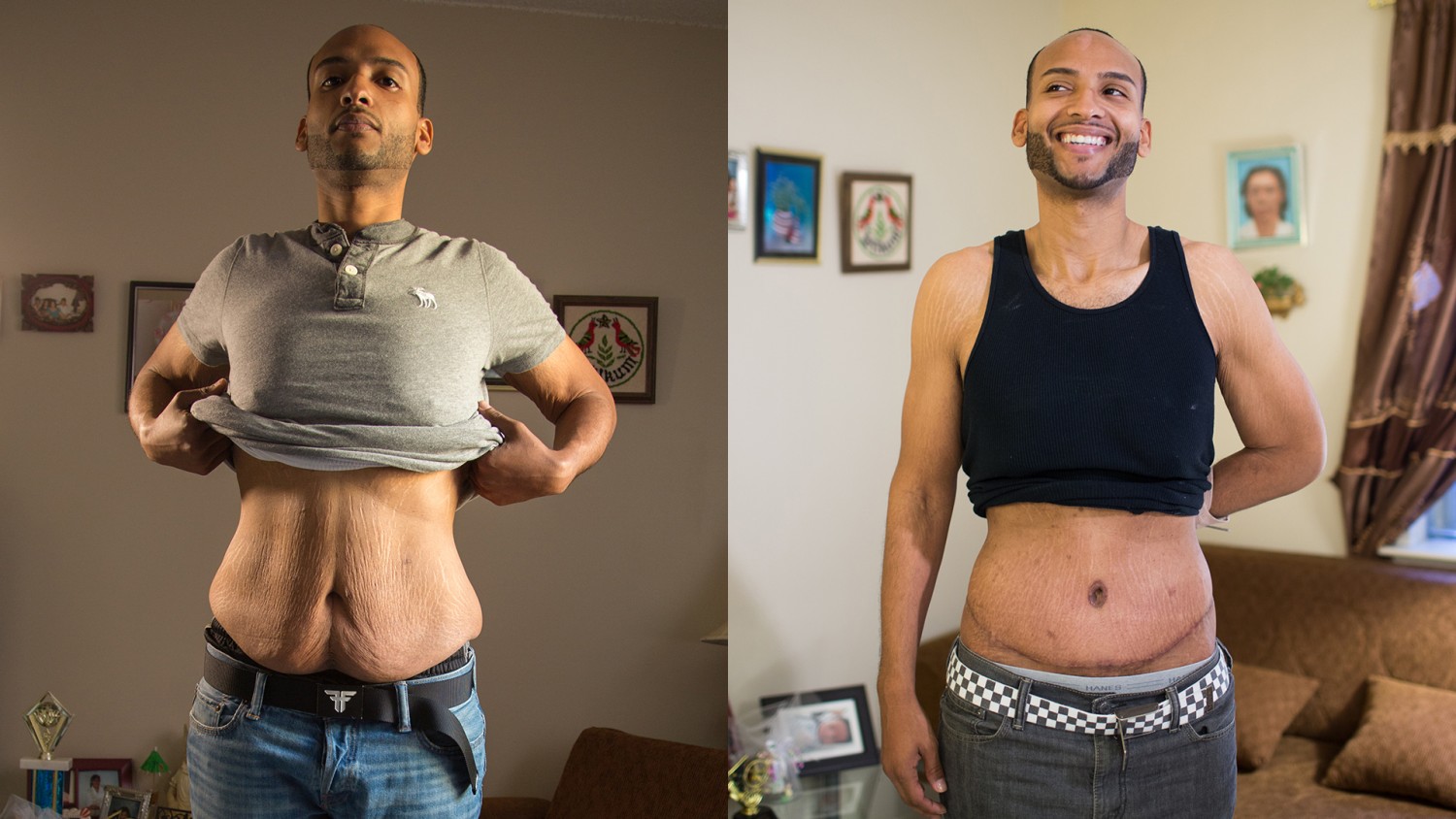
Rapid weight loss often feels like a victory, but it can lead to unexpected challenges. One significant issue is the impact it has on your skin. Losing weight quickly can leave you with loose skin that may not shrink back immediately. This can be frustrating, especially after working hard to shed those pounds. But why does this happen, and what can you do about it?
When you lose weight rapidly, your skin doesn’t have enough time to adjust. It stretches when you gain weight and needs time to shrink as you lose it. Think of it like a rubber band that has been pulled too far; it may not snap back to its original shape.
Imagine going through months of dieting and exercise, only to find that your skin is not as tight as you hoped. This can be discouraging. But the good news is, there are ways to help your skin recover.
How Skin Elasticity Plays A Role
Your skin’s ability to shrink depends on its elasticity. Factors like age, genetics, and the amount of weight lost affect this elasticity. Younger skin tends to bounce back more easily, while older skin may take longer.
Consider adding foods rich in collagen and elastin, like fish and leafy greens, to your diet. They support skin elasticity and may help in the long run.
Importance Of Hydration
Water plays a crucial role in maintaining skin health. Staying hydrated keeps your skin supple and helps it adjust after weight loss. Aim to drink enough water throughout the day.
Have you noticed your skin looking dull or feeling dry? This might be a sign that you need to increase your water intake.
Exercise can be a powerful tool in tightening your skin. Strength training, in particular, helps build muscle mass under the skin, giving it a firmer appearance.
Don’t forget about resistance exercises like squats and push-ups. These can boost muscle tone and improve skin appearance.
Consulting A Professional
If loose skin continues to bother you, consider consulting a dermatologist or a cosmetic surgeon. They can offer treatments like skin tightening procedures or advice tailored to your needs.
Would you be open to exploring these options if they could help you feel more confident in your skin?
Remember, your journey is unique, and patience is key. Celebrate the progress you’ve made and take steps to care for your skin as it adjusts to your new weight.
Importance Of Hydration And Nutrition
Maintaining good hydration and nutrition is crucial when you’re on a weight loss journey. You might be wondering if your skin will shrink back after losing weight. The truth is, how you hydrate and nourish your body plays a significant role in skin elasticity and overall appearance. Let’s dive into why these elements are so important.
Importance Of Hydration
Drinking enough water is not just about quenching thirst. It’s about keeping your skin supple and healthy. Water helps maintain skin elasticity, which is essential for skin to bounce back after weight loss.
Think about your personal routine. Do you often forget to drink water throughout the day? Setting simple reminders to drink a glass every hour can make a big difference.
Your skin is an organ, just like your heart or lungs. If you deprive it of water, it can’t function properly. Proper hydration supports the skin’s ability to repair itself and stay firm.
Feeling thirsty might not be the first sign of dehydration. Dry skin can be an early indicator. Pay attention to your skin’s texture and adjust your water intake accordingly.
Role Of Nutrition
What you eat directly affects your skin’s health. Consuming foods rich in vitamins and minerals can enhance your skin’s ability to shrink after weight loss.
Consider integrating more fruits and vegetables into your meals. These foods are packed with nutrients that support skin elasticity and overall health.
Proteins play a vital role in skin repair and regeneration. Include lean meats, beans, and nuts in your diet to provide your skin with the essential building blocks it needs.
Ever noticed how your skin glows after eating a balanced meal? That’s because your skin thrives on nutrients. It becomes more resilient and better equipped to adjust after weight changes.
Balancing Both Elements
Hydration and nutrition go hand in hand. Drinking enough water and eating a balanced diet together can make a noticeable difference in your skin’s ability to adapt.
Have you tried tracking your water and food intake? Keeping a simple log can help you spot patterns and ensure you’re supporting your skin health effectively.
Ask yourself this: Are you giving your skin the care it deserves through your daily habits? Reflecting on this can lead to small changes that yield significant benefits.
Remember, your skin is your body’s largest organ. Treat it well by prioritizing hydration and nutrition, and it will thank you as it adjusts to your weight loss journey.
Exercise And Skin Tightening
Exercise plays a crucial role in skin tightening after weight loss. As your body sheds pounds, you might notice loose or sagging skin. But don’t worry, incorporating certain exercises can help improve skin elasticity and tone. Let’s dive into how strength training and cardio can enhance your skin’s health and appearance.
Strength Training Benefits
Strength training is not just for building muscles; it’s a powerhouse for skin tightening too. When you lift weights, your muscles grow, filling out the space under your skin. This provides a firmer appearance.
Consider adding exercises like squats, lunges, and push-ups to your routine. These not only target multiple muscle groups but also improve your overall tone. You’ll notice your skin looks more taut and youthful over time.
Have you ever noticed how toned arms seem to have tighter skin? Regular strength training can give you similar results. It’s a win-win for your body and skin!
Cardio And Skin Health
Cardio exercises, such as running, cycling, or swimming, boost your heart rate and improve blood circulation. Better circulation means more nutrients reach your skin, promoting elasticity and health.
Engaging in regular cardio can also help maintain weight loss, preventing further skin sagging. Imagine the glow on your face after a good run—that’s your skin thanking you for the fresh oxygen.
Have you considered how your skin feels after a sweaty workout session? That post-exercise flush is a sign of increased blood flow, which is great for skin health. Keep moving, and your skin will reward you!
Are you ready to embrace exercise as a tool for skin tightening? Remember, consistency is key. Incorporate a mix of strength and cardio exercises into your routine, and enjoy the benefits for both your body and skin.
Medical And Cosmetic Solutions
Skin may not shrink immediately after weight loss. Elasticity varies due to age, genetics, and weight loss speed. Medical and cosmetic treatments can help improve skin tightness.
Losing weight is a significant achievement, but many people face the challenge of loose skin afterwards. This can be discouraging and affect your confidence. Fortunately, there are medical and cosmetic solutions to help your skin adjust and regain its elasticity. Let’s explore some options that could work for you.Surgical Options
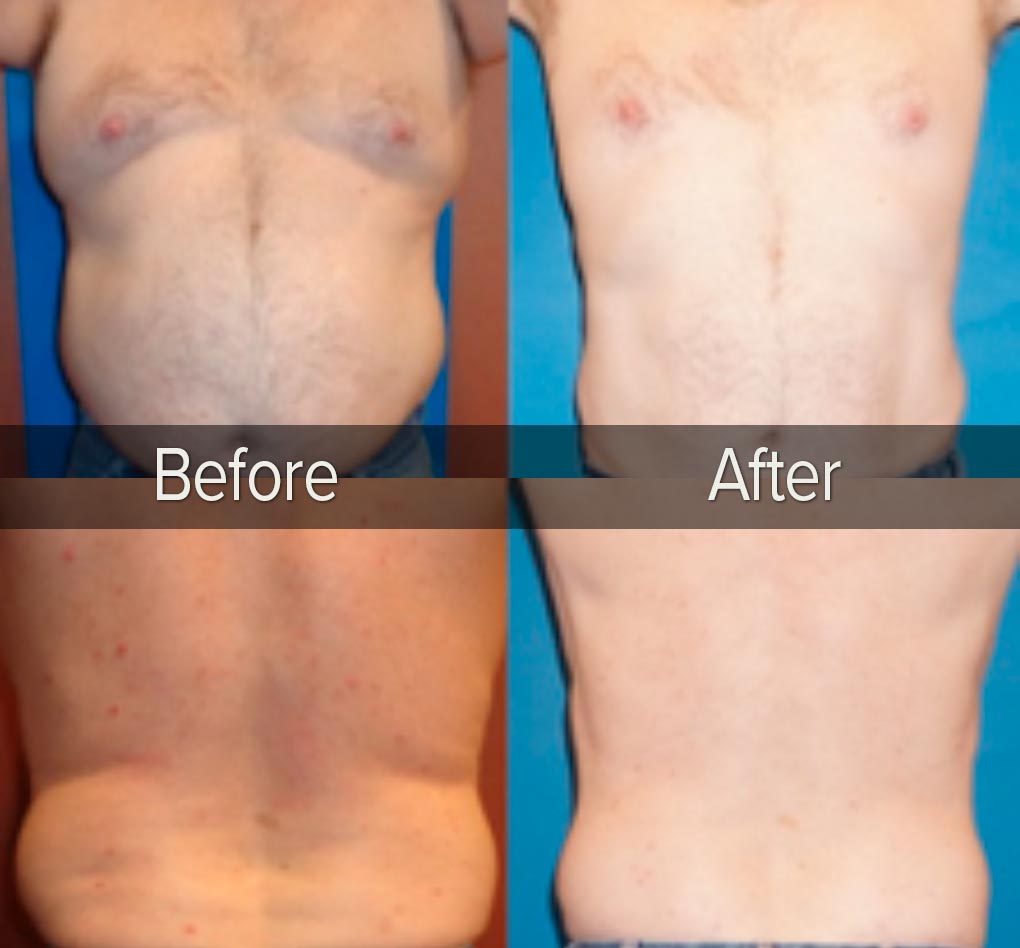
Surgical procedures can be an effective way to remove excess skin. Tummy tucks, arm lifts, and thigh lifts are common options. These surgeries involve making incisions, removing the excess skin, and tightening the remaining skin and tissue. These procedures are often recommended for those who have lost a significant amount of weight, like after bariatric surgery. If you’re considering surgery, consult with a board-certified plastic surgeon. They can provide guidance on whether surgery is a suitable choice for you.Non-surgical Treatments
Non-surgical treatments are increasingly popular for those seeking less invasive options. Laser therapy can help boost collagen production, tightening the skin over time. It’s a popular choice because it involves minimal downtime and offers gradual results. Radiofrequency treatments use energy waves to heat the skin, which encourages collagen production. This method can help improve skin elasticity without the need for surgery. Considering non-surgical options? They can be great if you’re looking for a more gradual change and less recovery time. However, results may vary, and multiple sessions might be necessary. When thinking about these solutions, it’s essential to set realistic expectations. Which option aligns best with your lifestyle and goals? Whether you opt for a surgical procedure or non-surgical treatment, the key is to choose what makes you feel most comfortable in your skin.Preventive Measures
Maintaining hydration and skin elasticity can minimize sagging after weight loss. Regular exercise helps tone muscles beneath the skin. A balanced diet rich in vitamins supports skin health, making it more resilient.
Losing weight is a transformative journey, but what happens to your skin during this process? As pounds shed, skin may not always bounce back to its original form. However, there are preventive measures you can take to maintain your skin’s elasticity. By understanding the strategies below, you can support your skin while achieving your weight loss goals.Gradual Weight Loss
Slow and steady wins the race, especially in weight loss. Rapid weight loss can leave your skin with less time to adjust. This might result in loose skin, making gradual weight loss a healthier approach. Aim for losing one to two pounds per week. This pace allows your skin to shrink alongside your diminishing body size. Think about it: your skin is an organ, and like any other, it needs time to adapt. Have you noticed people who lose weight quickly often struggle with loose skin? That’s because their skin wasn’t given adequate time to catch up.Skin Care Regimens
Taking care of your skin is more than just a daily routine—it’s an investment in your future self. By adopting a consistent skincare regimen, you can support your skin’s elasticity. Consider using moisturizers that contain collagen and elastin. These ingredients can help your skin retain its firmness. Are you protecting your skin from the sun? UV rays can damage skin fibers, so never skip sunscreen. Also, gentle exfoliation can promote blood circulation, encouraging your skin to regenerate. Your skin deserves attention during weight loss. What steps will you take to ensure your skin stays healthy and firm?Psychological Impact Of Loose Skin
Weight loss is a journey. It involves triumphs and challenges. One challenge is loose skin. It can affect mental well-being. This impact is often overlooked. Loose skin can feel like a barrier. It can affect self-image and confidence.
Feeling Of Frustration
Loose skin can be frustrating. Many hope for a toned body after weight loss. Instead, they face sagging skin. This can be demotivating. It might feel like an incomplete achievement. Frustration can affect daily life. It might influence social interactions.
Self-perception Challenges
Loose skin can alter self-perception. People may see themselves differently. Their body image can change. This can lead to dissatisfaction. Negative thoughts may arise. It might affect how one views their success.
Emotional Strain
Loose skin can cause emotional strain. It may lead to feelings of insecurity. People might avoid certain activities. They might feel self-conscious. Emotional strain can affect relationships. It might create distance between loved ones.
Impact On Social Life
Loose skin can influence social life. People may avoid social gatherings. They might feel embarrassed or judged. This can limit social interactions. It may affect friendships. Social life can become less vibrant.
Seeking Professional Help
Professional help can be beneficial. Therapists can offer support. They can help with self-acceptance. Counseling can improve mental health. It can provide coping strategies. Seeking help is a positive step.
Credit: www.newyoubariatriccenter.com
Frequently Asked Questions
How Long Does It Take For Skin To Shrink After Weight Loss?
Skin tightening after weight loss varies. It can take weeks to months, depending on age, skin elasticity, and the amount of weight lost. Maintaining hydration, a balanced diet, and regular exercise can aid the process. Consulting a dermatologist can provide personalized advice for improving skin elasticity.
How Do You Keep Skin Tight When Losing Weight?
To keep skin tight while losing weight, stay hydrated and maintain a balanced diet with enough protein. Incorporate strength training and gradual weight loss to support skin elasticity. Use moisturizers and consider collagen supplements to enhance skin firmness. Regular massages can also help improve circulation and skin tone.
Will Losing 50 Pounds Cause Saggy Skin?
Losing 50 pounds can lead to saggy skin, depending on factors like age, genetics, and skin elasticity. Regular exercise, hydration, and gradual weight loss can help reduce this risk. Consult a dermatologist for personalized advice on maintaining skin firmness after significant weight loss.
Do Skin Flaps From Losing Weight Go Away?
Loose skin from weight loss might not disappear on its own. Factors like age, genetics, and skin elasticity play a role. Regular exercise and hydration may help. Consider consulting a healthcare professional for options like surgery or non-invasive treatments for significant skin sagging.
Conclusion
Losing weight is a big step towards better health. But skin changes might occur. Loose skin can happen when weight loss is rapid. Building muscle helps firm up loose areas. Staying hydrated and eating well also support skin health. Patience is key.
Skin takes time to adjust. Consider talking to a doctor for advice. They can offer guidance tailored to your needs. Remember, every body is different. Celebrate the progress you’ve made. Embrace your journey to a healthier you. Your body is unique and beautiful, no matter the changes.