Have you ever wondered if time under tension is the secret ingredient to building muscle? You’re not alone.
Many fitness enthusiasts and gym-goers are constantly searching for effective ways to enhance their muscle growth. Time under tension, the duration your muscles are under strain during a workout, is a concept that promises results. But does it really deliver on that promise?
Imagine finally unlocking the key to a more efficient workout, one that maximizes your gains without spending extra hours in the gym. This article will dive deep into the science and practical application of time under tension, giving you the insights needed to transform your fitness routine. Stick around to discover if this method could be the game-changer you’ve been searching for in your muscle-building journey.
Time Under Tension Explained
Time under tension involves prolonging muscle stress during workouts. It’s a key factor in muscle growth. By focusing on slow, controlled movements, muscles are engaged longer, promoting strength and size increases.
Time Under Tension Explained If you’ve ever wondered why some workouts leave your muscles screaming while others feel like a breeze, you might be missing the crucial factor of Time Under Tension (TUT). This concept is a game-changer in muscle building. It focuses on how long your muscles are working during a given exercise, rather than just how many reps you complete.What Is Time Under Tension?
Time Under Tension refers to the duration your muscles are under strain during an exercise. It’s not just about lifting heavy weights; it’s about how long your muscles actively engage. Imagine holding a squat for 30 seconds instead of quickly moving through reps. That time spent under tension is what makes your muscles grow.Why Does Time Under Tension Matter?
Muscles respond to stress. The longer they are under tension, the more they adapt and grow. This principle can lead to increased muscle size and strength. Think of it as quality over quantity. You might be doing fewer reps, but the increased tension time is pushing your muscles to new limits.How To Incorporate Time Under Tension In Your Routine
Start by slowing down your movements. Count to four as you lower into a squat, hold for two seconds, then rise. This method can be applied to various exercises like push-ups and lunges. Consider using a timer to track your tension time, ensuring you’re hitting that sweet spot for muscle growth.Common Mistakes With Time Under Tension
Rushing through your reps is a common mistake. Slow down and focus on form. Avoid holding your breath; it can reduce oxygen flow to your muscles. If you’re not feeling a burn by the end, increase your tension time or weight. Be mindful of your limits to prevent injury. By understanding and applying Time Under Tension, you can transform your workout results. Are you ready to feel the difference in your muscle growth?Benefits Of Time Under Tension
Time under tension (TUT) focuses on muscle engagement throughout a workout. This technique involves maintaining stress on muscles for a set duration. Many fitness enthusiasts use TUT for its benefits. It enhances muscle growth, improves endurance, and increases muscle fiber recruitment.
Enhanced Muscle Growth
TUT stimulates muscle fibers effectively. Longer tension periods lead to micro-tears in muscles. These tears repair and strengthen muscles, boosting growth. Consistent TUT workouts can promote muscle size and strength.
Improved Endurance
Muscles adapt to sustained tension over time. This adaptation enhances muscular endurance. Training with TUT helps muscles sustain effort for longer periods. This endurance is crucial for various athletic activities.
Increased Muscle Fiber Recruitment
TUT encourages more muscle fiber activation. Engaging different fibers improves overall muscle performance. This recruitment helps in lifting heavier weights. It also aids in achieving better muscle definition.
Time Under Tension Techniques
Time under tension techniques involve slowing down exercises to maximize muscle growth. Muscles work harder, increasing strength and size. This method boosts muscle endurance and stimulates growth effectively.
Time under tension (TUT) techniques are pivotal for muscle growth, emphasizing the duration your muscles are engaged rather than just the weight lifted. These methods can transform your workout routine, making each session more effective and rewarding. By integrating TUT into your exercises, you can maximize muscle engagement, leading to more significant gains and improved strength. Let’s dive into some practical techniques to enhance your workouts.Eccentric Training
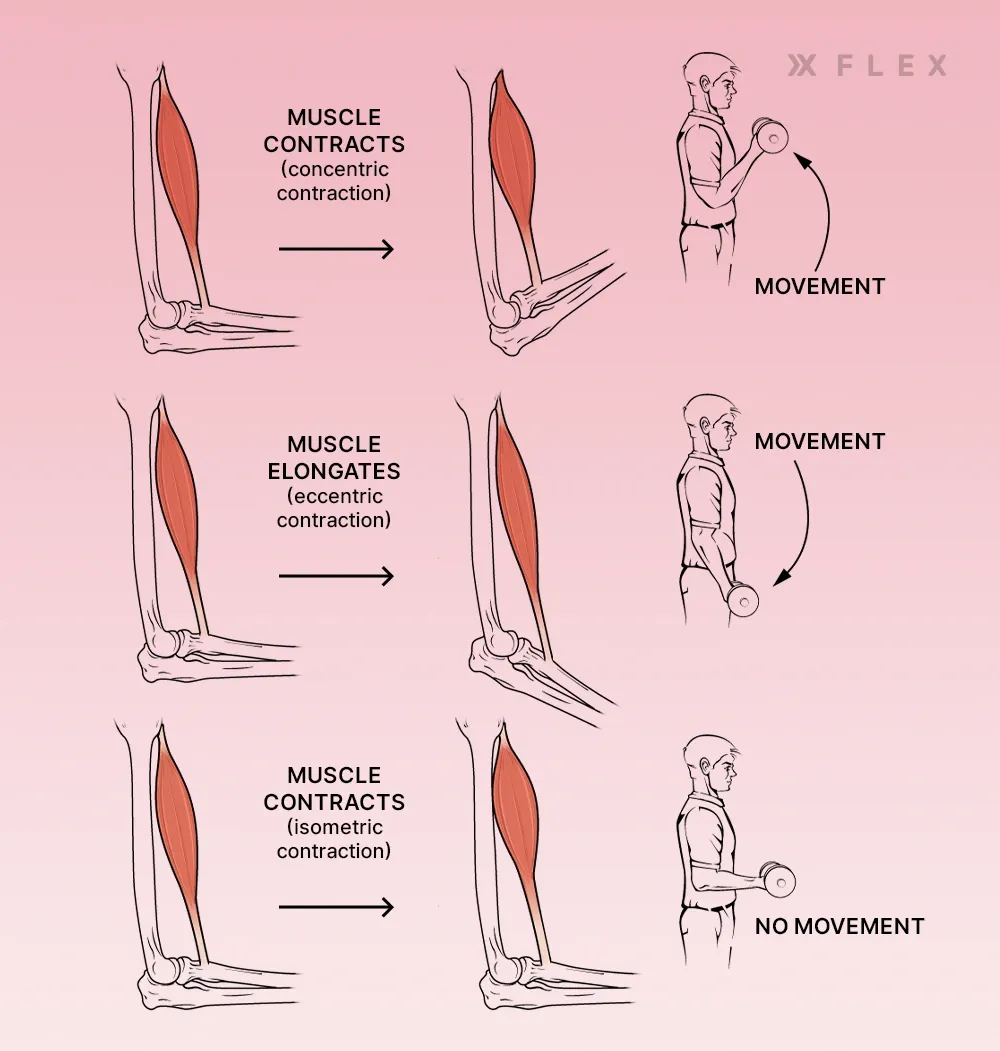
Eccentric training focuses on the lengthening phase of muscle contraction. Think of it as the downward motion in a bicep curl. By slowing down this phase, you increase the time your muscle is under tension. This technique can be particularly beneficial for increasing muscle size and strength. Next time you’re at the gym, try slowing down the lowering phase of your squat or bench press. You’ll feel the burn and notice the difference in muscle activation. Have you ever tried counting to three or five as you lower the weight? This simple adjustment can make a world of difference in how your muscles respond.Isometric Holds
Isometric holds involve maintaining a position without movement. You might have experienced this in a plank or holding a squat at the bottom. These holds can boost endurance and strength by keeping muscles under continuous tension. Imagine holding a push-up halfway down; your muscles are working hard to maintain that position. Adding isometric holds into your routine can be a game changer. They’re perfect for targeting specific muscle groups and improving stability. How long can you hold a position before your muscles start to shake? That’s the challenge!Slow Reps
Slow reps are all about controlling the pace of your exercise. By deliberately reducing the speed of both the lifting and lowering phases, you enhance the TUT. This method ensures that muscles work harder, promoting growth and strength. Try performing slow reps with exercises like dumbbell curls or leg presses. You’ll feel every muscle fiber engaging. Slow reps require focus and control, turning a simple exercise into a powerhouse for muscle growth. Have you noticed how a slower approach can make even lightweight feel heavy? Incorporating these TUT techniques into your workouts can yield impressive results. Which method will you try first?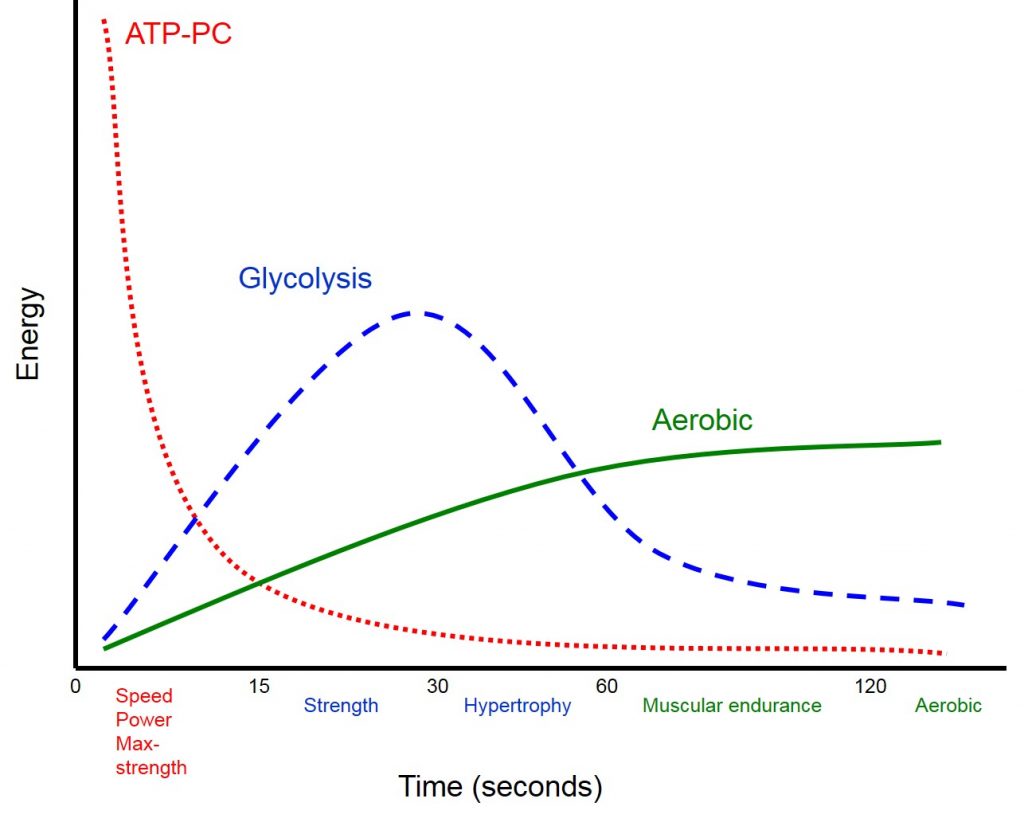
Credit: nzihf.ac.nz
Comparing Time Under Tension With Traditional Methods
In the world of muscle building, different techniques create various results. Time Under Tension (TUT) is gaining attention. It challenges traditional methods by focusing on the duration muscles stay contracted. Let’s dive into how TUT compares to regular workouts.
Time Efficiency
Time Under Tension can save time in workouts. TUT focuses on the quality of each repetition. This approach often requires fewer sets and reps. Traditional methods may need longer sessions to achieve the same muscle activation. For busy individuals, TUT offers a practical solution.
Strength Gains
Strength gains are crucial for muscle growth. TUT emphasizes controlled movements, enhancing muscle strength. Traditional methods rely on heavier weights and more reps. TUT builds strength by engaging muscles for longer periods. This leads to improved endurance and power.
Hypertrophy Results
Hypertrophy refers to muscle size increase. TUT targets muscle fibers effectively. The sustained tension stimulates growth. In contrast, traditional methods focus on lifting heavy weights. TUT’s prolonged contractions cause micro-tears in muscle fibers. This process aids in muscle repair and growth.
Incorporating Time Under Tension Into Workouts
Incorporating time under tension into your workouts can significantly boost muscle growth and overall strength. This technique involves maintaining muscle contraction for an extended period during each exercise. Instead of rushing through reps, you focus on control and pace, which can enhance muscle hypertrophy. But how exactly do you integrate this into your workout routine? Here are some practical steps to make the most of time under tension.
Workout Planning
Planning your workout with time under tension requires a strategic approach. Begin by selecting exercises that engage multiple muscle groups. Compound movements like squats, deadlifts, and bench presses are excellent choices. Allocate specific days for focusing on different muscle groups. This keeps your routine balanced and allows muscles to recover adequately. Consider a plan that mixes time under tension workouts with regular strength training sessions. This variety prevents plateaus and keeps your muscles adapting.
Repetition Guidelines
Adjusting your repetition technique is crucial when applying time under tension. Instead of the typical quick reps, slow down your tempo. Aim for a 4-2-4 count: four seconds lifting, two seconds holding, four seconds lowering. This prolongs the tension on the muscles, encouraging more growth. You might find fewer reps are needed to achieve muscle fatigue. This isn’t a sign of weakness but an indication that your muscles are working hard under sustained pressure.
Rest Period Recommendations
Rest periods are vital to this workout strategy. Shorter rest intervals can maximize the benefits of time under tension. Aim for 30 to 60 seconds between sets to maintain muscle engagement. This keeps the muscles under pressure, fostering growth. However, listen to your body—if you feel exhausted or unable to maintain form, extend the rest period slightly. Balancing rest with activity will optimize your results and prevent burnout.
Remember, implementing time under tension isn’t about making drastic changes overnight. Gradually introduce these principles into your workouts. How will your muscles respond to this new challenge? Try it out and watch your strength and size increase. Don’t forget that every workout is an opportunity to learn more about your body’s capabilities.
Common Mistakes To Avoid
Building muscle through time under tension can be effective. Yet, many make common mistakes that hinder progress. It’s crucial to avoid these pitfalls to see the best results. Understanding the risks and how to prevent them is key.
Overtraining Risks
Many believe more training leads to more muscle. This is not true. Overtraining can cause fatigue and injury. The body needs time to repair and grow. Too much stress on muscles can backfire. Instead, balance workouts with rest days.
Neglecting Recovery
Muscle growth happens during recovery. Some neglect this important phase. Skipping rest days can stall progress. Adequate sleep and nutrition support recovery. Prioritize rest as much as you do workouts. Recovery is essential for muscle gain.
Improper Technique
Using the wrong technique can harm your progress. Proper form ensures muscles work effectively. Poor technique can lead to injuries. Focus on correct posture and controlled movements. This maximizes time under tension and builds muscle safely.
Expert Opinions On Time Under Tension
Experts suggest that time under tension is key for muscle growth. Muscles respond to prolonged stress by getting bigger. Controlled, slow movements during workouts increase this tension, enhancing muscle development.
Expert Opinions on Time Under Tension If you’ve been working out, you’ve probably heard about “time under tension” (TUT). It’s a method where you focus on how long your muscles are stressed during an exercise. But does it actually help in building muscle? Let’s dive into expert opinions to find some answers.Trainer Insights
Many trainers believe that time under tension is crucial for muscle growth. They argue that longer tension times lead to more muscle fibers being worked. This can result in greater strength and size gains. Take a trainer at your local gym, for example. They might suggest slowing down your reps to maximize TUT. You might do a push-up, holding the down position for three seconds before pushing up again.Scientific Studies
Scientific studies have also weighed in on this topic. Some research indicates that longer time under tension can increase muscle protein synthesis. This is a key process in muscle growth. However, not all studies agree. Some suggest that the total volume of work is more important than the time under tension. This leaves room for debate and further exploration.Athlete Experiences
Athletes often have firsthand experiences with TUT. Some swear by it, claiming it has helped them break through performance plateaus. Imagine a weightlifter who struggles to increase their bench press weight. By focusing on time under tension, they might find new strength and endurance. Others might not notice a significant difference. This raises the question: is TUT more effective for some than others? Time under tension is a tool you can experiment with in your fitness journey. What if you adjusted your routine to see how your body responds? Your experience could add valuable insight to this ongoing discussion.
Credit: www.mensjournal.com

Credit: www.pinterest.com
Frequently Asked Questions
Does Time Under Tension Matter For Muscle Growth?
Yes, time under tension is crucial for muscle growth. Longer tension periods enhance muscle activation and increase hypertrophy. Aim for controlled, slow movements to maximize results. Balance tension with proper form to prevent injuries and optimize gains. Adjust your training routine to incorporate varied tension times for effective muscle development.
Is Tut The Best Way To Build Muscle?
Time under tension (TUT) is effective for muscle growth, focusing on slow, controlled movements to maximize gains. It’s not the only method but can enhance strength and size. Combine TUT with varied workouts for optimal results. Always consult a fitness professional for personalized advice.
Does Tension Cause Muscle Growth?
Tension stimulates muscle growth by causing micro-tears in muscle fibers. Muscles repair and grow stronger after these tears. Resistance training increases tension, leading to muscle hypertrophy. Proper nutrition and rest are crucial for optimal growth. Regular exercise helps maintain muscle strength and size.
Does Tensing Build Muscle?
Tensing muscles, known as isometric exercises, can help build muscle strength and endurance. They involve contracting muscles without movement. Regular practice can lead to muscle growth, but results vary based on intensity and frequency. Combining tensing with dynamic exercises maximizes muscle-building potential.
Conclusion
Time under tension plays a key role in muscle growth. Slow and controlled movements boost muscle strength. Focus on quality over quantity in workouts. Feel the burn with longer tension periods. Consistency is your ally in muscle building. Listen to your body.
Adjust workouts for optimal results. Stay patient, as muscle growth takes time. Balanced routines lead to effective progress. Proper nutrition also supports muscle development. Rest is crucial for recovery. Embrace the journey. Build muscles gradually and safely. This approach promotes sustainable gains.