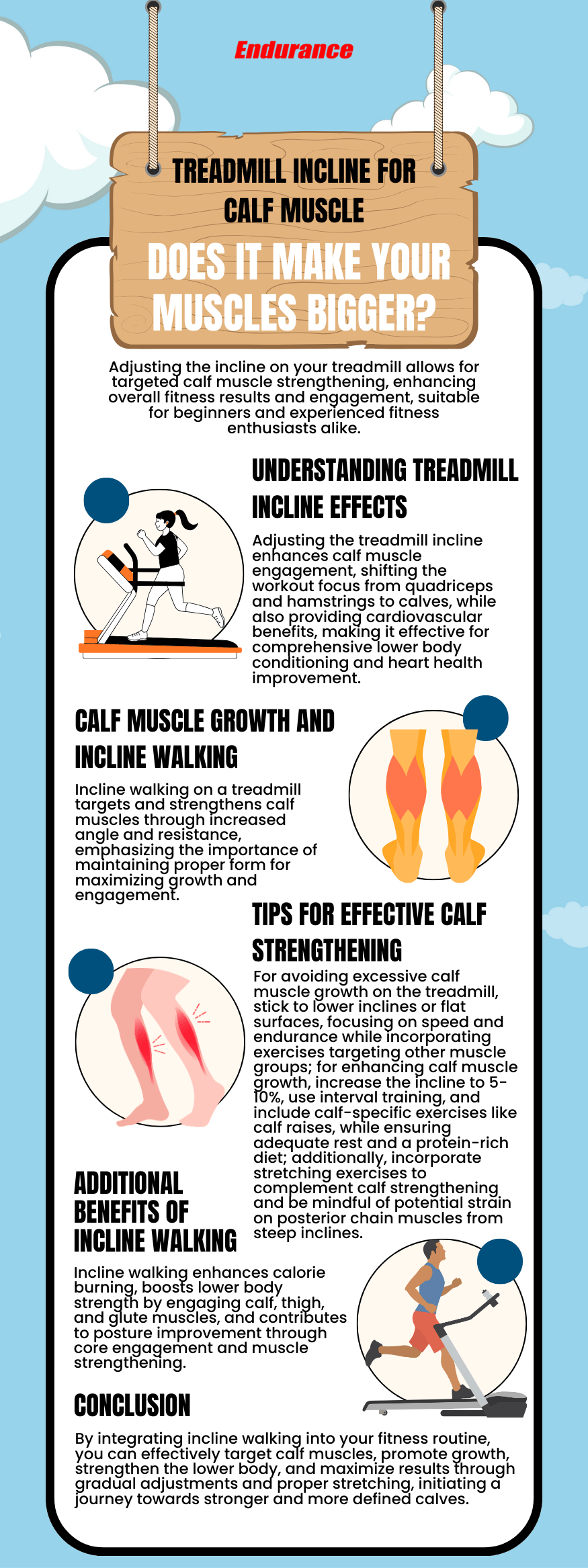
Ever wondered if your uphill walks are doing more than just boosting your heart rate? Could they actually be building muscle and toning your body?
Picture this: each step you take on an incline is like a mini leg workout, subtly sculpting your muscles without the need for a gym membership. This simple, yet powerful activity might be the secret ingredient to enhancing your fitness routine.
But how effective is it really? And which muscles benefit the most? Before you lace up your shoes for your next walk, let’s dive into the fascinating science of walking uphill and discover how it can transform your body. Keep reading to unlock the potential of this underrated exercise and learn how to maximize your results.

Credit: dedeso.sk
Benefits Of Walking Uphill
Walking uphill offers numerous benefits for both body and mind. This simple activity transforms an ordinary walk into a powerful workout. It engages various muscle groups and boosts overall fitness. Let’s explore the key benefits of walking uphill.
Cardiovascular Health
Walking uphill strengthens your heart and lungs. This activity increases your heart rate, improving blood circulation. Better circulation leads to a healthier heart over time. Regular uphill walking can reduce the risk of heart diseases.
Calorie Burn
Burning calories becomes easier with uphill walking. This activity demands more energy than walking on flat surfaces. Your body works harder, leading to more calories burned. It’s an effective way to lose weight or maintain a healthy weight.
Mental Well-being
Walking uphill benefits your mind too. It helps reduce stress and anxiety. The focus needed for the climb clears your mind. You’ll feel refreshed and more at ease after a good uphill walk.
Muscle Groups Engaged
Walking uphill engages various muscle groups, including calves, hamstrings, and glutes. The incline increases resistance, promoting muscle growth. Regular uphill walking can strengthen leg muscles effectively.
Walking uphill is an excellent workout for building muscle. It engages several muscle groups, enhancing strength and endurance. The incline adds resistance, making muscles work harder. This section explores the key muscle groups engaged.Leg Muscles
Walking uphill primarily targets the leg muscles. The calves, quadriceps, and hamstrings work intensely. Each step uphill demands more from these muscles. The calves push the body upward, while the quadriceps extend the knee. The hamstrings assist in bending the knee. This constant activity builds strength and muscle mass.Core Stability
Uphill walking also challenges core muscles. A strong core stabilizes the body on inclines. The abdominals and obliques engage to maintain balance. The back muscles work to keep posture upright. A steady core improves overall walking efficiency. It also reduces the risk of injury.Upper Body Involvement
Though primarily a lower body workout, the upper body plays a role. Arm movement helps propel the body forward. The shoulders and arms swing naturally with each stride. Using walking poles can further engage the arms. This involvement adds a full-body element to the exercise.Comparing Uphill Walking To Other Exercises
Uphill walking offers numerous benefits for muscle building. Many people wonder how it stacks up against other exercises. Let’s explore how uphill walking compares to running, cycling, and weightlifting.
Versus Running
Running is great for cardiovascular health. Uphill walking, though, puts less strain on joints. It targets muscles in the legs and glutes more effectively. The incline forces your muscles to work harder with every step.
For those with joint issues, uphill walking is a better option. It provides strength benefits without the impact of running. This makes it a gentler yet effective muscle workout.
Versus Cycling
Cycling builds endurance and works the lower body. Uphill walking, however, engages more muscle groups. While cycling focuses on the calves and thighs, walking uphill also targets the core and glutes.
Uphill walking can be done without equipment, offering convenience. It provides a comprehensive workout that engages more of your body.
Versus Weightlifting
Weightlifting is excellent for building muscle mass. Uphill walking, by contrast, is an endurance exercise. It tones muscles and builds strength over time.
While weightlifting isolates muscle groups, uphill walking offers a full-body workout. It’s perfect for those who prefer low-impact exercise. Uphill walking builds endurance and muscle definition without the need for weights.

Credit: runtothefinish.com
Techniques For Effective Uphill Walking
Walking uphill can effectively build muscle. The incline challenges your legs, especially calves and thighs, promoting strength. Proper posture and pace enhance the workout, targeting different muscle groups and improving endurance.
Walking uphill can be a great way to build muscle. It requires more effort than walking on flat ground. To maximize benefits, use the right techniques. These methods can help improve your uphill walking experience.Proper Posture
Maintain a straight back. Keep your head up. Look forward, not down. Engage your core muscles. This gives you better balance and stability. Avoid leaning too far forward. It can strain your lower back. Let your arms swing naturally by your sides.Breathing Strategies
Breathe deeply and rhythmically. Inhale through your nose. Exhale through your mouth. This provides your muscles with oxygen. It also helps regulate your pace. Breathe in for two steps. Breathe out for two steps. This keeps you relaxed and focused.Pacing And Consistency
Start at a comfortable pace. Gradually increase your speed. Consistency is key. Walk uphill regularly to see results. Mix short and long uphill walks. This challenges your muscles. Take breaks if needed. Always listen to your body.Incorporating Uphill Walking Into Routine
Walking uphill is more than just a cardio workout. It can sculpt muscles and enhance endurance. To reap the benefits, incorporate uphill walking into your routine strategically. This section explores how to effectively integrate uphill walking into your fitness plan.
Frequency And Duration
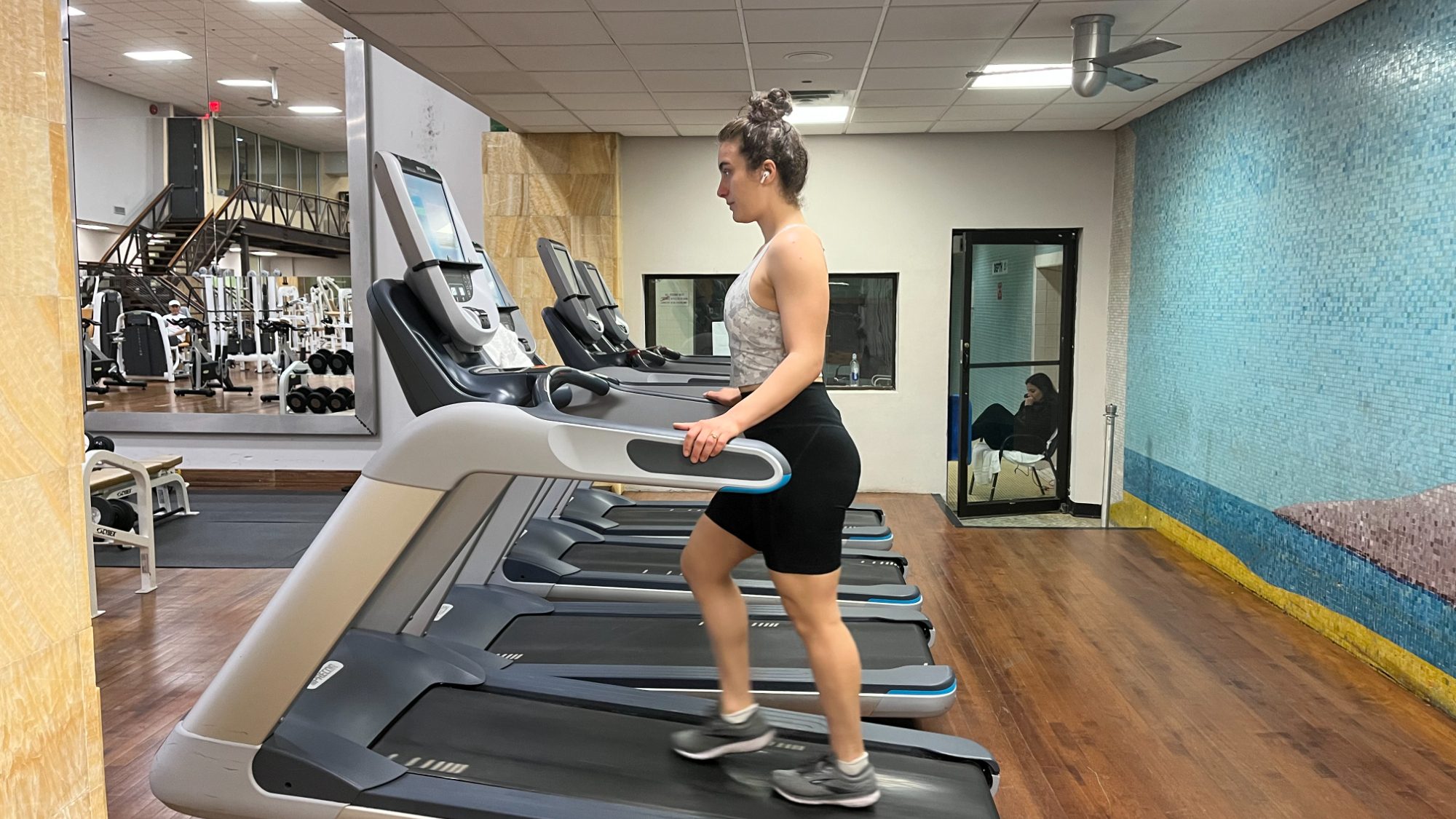
Walk uphill at least three times a week. Each session should last 20 to 30 minutes. Consistency matters more than intensity for muscle building. Gradually increase the duration as your stamina improves.
Combining With Strength Training
Balance uphill walking with strength exercises. Incorporate squats and lunges for comprehensive muscle development. This combination targets multiple muscle groups effectively. Alternating days between walking and strength training enhances results.
Tracking Progress
Keep a journal of your uphill walking sessions. Note the duration and any physical changes. Monitor your endurance improvement and muscle growth. Tracking helps maintain motivation and adjust goals.
Credit: www.fitandwell.com
Potential Risks And Precautions
Walking uphill can strain muscles, increasing the risk of injury. Proper footwear and gradual elevation changes help prevent strain. Maintaining balance and hydration ensures safer workouts.
Walking uphill is a great way to build muscle. It strengthens the legs, improves cardiovascular health, and burns calories. But, there are risks. It’s important to take precautions. To stay safe and healthy, consider the following tips.Avoiding Overuse Injuries
Walking uphill stresses the muscles. Over time, this can lead to overuse injuries. Start with short distances. Gradually increase the intensity. Listen to your body. Rest when you feel pain or discomfort. Stretch before and after walking. This helps in maintaining flexibility and prevents injuries.Monitoring Heart Rate
Walking uphill raises the heart rate. It’s good for cardiovascular health. But, too much can be dangerous. Use a heart rate monitor. Keep your heart rate within a safe range. This ensures you get the benefits without overworking your heart.Choosing The Right Terrain
The terrain affects your workout. Steep hills can be challenging. Start with gentle slopes. Gradually move to steeper inclines. Avoid slippery or uneven surfaces. These can cause falls or injuries. Choose a path that is safe and comfortable for your level. By following these tips, you can enjoy a safe uphill walk.Frequently Asked Questions
Can You Gain Muscle From Walking Uphill?
Yes, walking uphill can help build muscle. It targets your calves, thighs, and glutes effectively. Uphill walking increases resistance, which strengthens muscles over time. For better results, maintain a consistent uphill walking routine.
What Happens If I Walk Up A Hill Every Day?
Walking up a hill daily boosts cardiovascular health, strengthens muscles, and improves endurance. It aids weight management and enhances mood. This routine increases stamina and burns calories efficiently. Over time, it can lead to better posture and balance, contributing to overall well-being.
What Does 30 Minutes Of Incline Walking Do?
Walking on an incline for 30 minutes boosts cardiovascular health, burns calories, and strengthens leg muscles. It enhances endurance and aids in weight management. This low-impact exercise improves balance and core stability while reducing stress levels. Regular incline walking supports overall fitness and well-being.
Is Uphill Walking A Good Workout?
Uphill walking is an effective workout. It strengthens muscles, boosts cardiovascular health, and burns more calories. This exercise improves endurance and enhances overall fitness levels. Walking uphill challenges the body, making it a great way to increase physical activity. Enjoy the benefits of nature while getting fit.
Conclusion
Walking uphill strengthens muscles. It targets calves, thighs, and glutes. A simple, effective workout. Boosts cardiovascular health too. Regular uphill walks build endurance. Plus, they burn calories. A perfect addition to your fitness routine. Start slow and increase intensity. Listen to your body and stay hydrated.
Walking uphill is accessible and budget-friendly. No fancy equipment needed. Just determination and a good pair of shoes. Embrace the challenge, enjoy the fresh air. Feel the power of your muscles growing. Give it a try. Your body will thank you.