Have you ever noticed more hair strands on your brush or pillow while shedding those extra pounds? If you have, you’re not alone.
The journey to weight loss can be thrilling and empowering, but sometimes it comes with unexpected changes, like hair loss. You might wonder, “Is my new diet or exercise routine to blame? ” Understanding the connection between weight loss and hair loss can be your key to maintaining those luscious locks while achieving your health goals.
We’ll dive into why hair loss might occur during weight loss and what you can do to prevent it. Imagine the relief of knowing how to keep both your body and hair healthy. With insights backed by science and practical tips, this read promises to transform your approach to wellness. So, get ready to uncover the truth and take control of your health journey.
Credit: www.obesityaction.org
Connection Between Weight Loss And Hair Loss
Losing weight can sometimes lead to hair loss due to nutritional deficiencies or stress. Diet changes might limit essential vitamins needed for healthy hair. Balanced nutrition and proper care are important to prevent thinning hair during weight loss journeys.
Embarking on a weight loss journey can bring about many changes, both physically and emotionally. Among the myriad of benefits, there can be unexpected side effects, like hair loss. Understanding the connection between weight loss and hair loss is crucial for anyone aiming to achieve a healthier lifestyle while maintaining their locks.What Causes Hair Loss During Weight Loss?
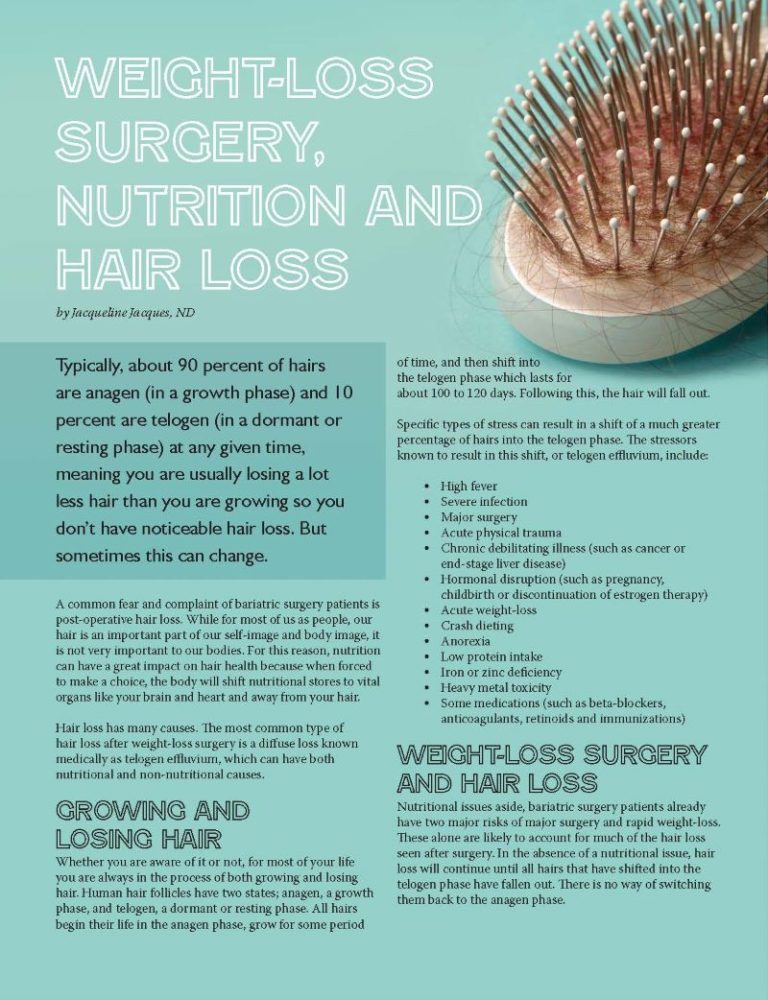
Rapid weight loss can sometimes shock your system. Your body might struggle to adjust to sudden changes, leading to temporary hair loss. This is often due to a decrease in essential nutrients that are vital for hair health.The Role Of Nutritional Deficiencies
When you cut calories significantly, you might miss out on necessary vitamins and minerals. Nutrients like iron, zinc, and vitamin D are crucial for hair growth. Without them, your hair may become brittle and fall out more easily.The Impact Of Stress On Hair
Weight loss can be stressful, especially if you’re pushing yourself too hard. Stress can lead to a condition known as telogen effluvium, where hair follicles prematurely enter a resting phase. This can result in noticeable hair shedding.How To Minimize Hair Loss During Weight Loss
Focus on a balanced diet that includes a variety of nutrients. Incorporate lean proteins, healthy fats, and a mix of fruits and vegetables. Consider speaking with a nutritionist to ensure you’re meeting your body’s needs.Personal Experience
When I first started my weight loss journey, I noticed more hair on my brush. It was disheartening, but I realized my diet was lacking essential nutrients. By adjusting my meal plan and adding a daily multivitamin, I saw a positive change in my hair health.Is Hair Loss Permanent?
In most cases, hair loss due to weight loss is temporary. Once your body adjusts to a balanced diet and stress levels decrease, hair growth typically resumes. Maintaining a healthy lifestyle is key to preventing future issues. Reflect on your own experiences. Are you prioritizing your overall well-being as you work towards your weight loss goals? Remember, achieving a healthy balance is essential, not only for your weight but for your hair too.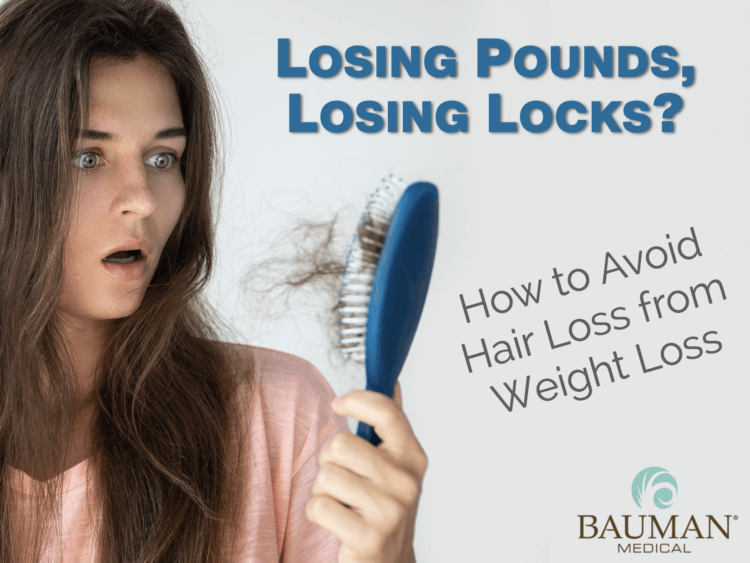
Credit: www.baumanmedical.com
Common Causes Of Hair Loss
Sudden weight loss might lead to hair thinning due to nutritional deficiencies. The body lacks essential nutrients, affecting hair growth. Stress from dieting can also contribute to hair shedding. Proper nutrition is vital for maintaining healthy hair during weight management.
Hair loss can be a distressing experience, especially when you’re on a weight loss journey. While some hair shedding is normal, significant hair loss can be alarming. Understanding the common causes of hair loss can help you tackle the issue effectively. Let’s explore some of the reasons why you might be seeing more strands in your brush than usual.Nutritional Deficiencies
Your body needs a variety of nutrients to function optimally, and your hair is no exception. When you reduce calorie intake, you might inadvertently cut out essential vitamins and minerals. Iron, zinc, vitamin D, and protein are crucial for healthy hair growth. Imagine skipping a meal, thinking it’s just one day. But over time, this could lead to a deficiency that affects your hair. Are you consuming enough nutrients in your diet? A simple blood test can reveal what you might be missing.Hormonal Changes
Hormones are powerful chemicals in your body that influence a wide range of functions, including hair growth. Weight loss can sometimes cause hormonal shifts. This is particularly true for women, who may experience changes in estrogen and thyroid hormone levels. Have you noticed changes in your menstrual cycle or mood swings? These could be signs that your hormones are out of balance. Consulting with a healthcare provider can help you manage these changes and their impact on your hair.Stress And Emotional Impact
Weight loss journeys can be stressful, especially with the pressure to achieve quick results. Stress triggers the release of hormones like cortisol, which can disrupt the hair growth cycle. Consider how stress might be affecting not just your mind but also your hair. Have you been feeling overwhelmed or anxious? Taking time for self-care, like meditation or gentle yoga, can help reduce stress levels. Reflecting on your emotional well-being is as important as your physical health. Understanding these common causes of hair loss can empower you to make informed decisions. What steps will you take today to support your hair health while pursuing your weight loss goals?Role Of Diet In Hair Health
Diet plays a crucial role in maintaining hair health. Nutrients in food influence hair growth and strength. A balanced diet can prevent hair loss. Poor nutrition leads to weak and brittle hair. Understanding the right foods helps maintain healthy hair.
Essential Nutrients For Hair
Protein is vital for hair structure. Hair is mostly made of protein. Without enough protein, hair becomes weak and breaks. Vitamin A supports sebum production in the scalp. Sebum keeps hair moisturized. Biotin, a B-vitamin, strengthens hair and nails. Iron helps carry oxygen to hair roots, promoting growth. Omega-3 fatty acids nourish hair follicles. This leads to shiny, healthy hair.
Impact Of Crash Diets
Crash diets often cause nutrient deficiencies. Rapid weight loss can lead to hair loss. The body prioritizes essential functions over hair growth. Lack of calories and nutrients weakens hair. This results in increased shedding and thinning. Healthy weight loss should be gradual and balanced. This ensures your body gets enough nutrients.
Understanding Hair Growth Cycle
When you embark on a weight loss journey, you might notice changes in your body, and sometimes in your hair. Understanding the hair growth cycle is crucial in tackling concerns about hair loss. Hair grows in cycles, and disruptions in these cycles could lead to thinning hair or hair loss. Is weight loss one of those disruptors? Let’s explore the hair growth cycle to find out.
Anagen Phase
The anagen phase is the growth stage of the hair cycle, where your hair actively grows. It can last anywhere from two to seven years. If you have ever wondered why some people have longer hair than others, the duration of their anagen phase is often the answer.
During weight loss, your body undergoes various changes, including hormonal shifts and nutritional adjustments. These factors can sometimes shorten the anagen phase, leading to less hair growth. Have you noticed your hair feeling thinner during your weight loss journey?
Telogen Effluvium
Telogen effluvium is a temporary condition that causes hair to shed. It occurs when more hairs enter the resting phase (telogen phase) prematurely. Stress, dietary changes, or hormonal fluctuations, common during weight loss, can trigger this condition.
Imagine losing weight and feeling great, but you see more hair in your brush. It’s unsettling, right? With telogen effluvium, this shedding is usually temporary. Adjusting your diet to include hair-nourishing nutrients like vitamins and proteins can help your hair regain its strength.
So, does weight loss cause hair loss? Not directly, but the changes your body experiences can influence the hair growth cycle. Have you ever had to tweak your diet during weight loss to support hair health? Share your thoughts and experiences below!
Safe Weight Loss Practices
Losing weight quickly might lead to hair loss due to nutrient deficiencies. Eating balanced meals helps prevent this. Include proteins, vitamins, and minerals for healthy hair.
When you’re on a journey to lose weight, it’s crucial to ensure your health remains a priority. Hair loss can be an unwelcome side effect if you’re not careful. The key to safe weight loss is adopting practices that promote overall well-being. Let’s explore some strategies that can help you shed pounds without compromising your hair health.Balanced Diet Strategies
A balanced diet is essential for safe weight loss. Make sure your meals include a variety of nutrients. Focus on adding lean proteins like chicken or fish. These help maintain muscle mass. Whole grains such as quinoa or brown rice can keep you full longer. They prevent overeating and provide energy. Vegetables and fruits are packed with vitamins. These nutrients are vital for both your hair and overall health. Consider making a meal plan. This ensures you get the right nutrients each day.Importance Of Gradual Weight Loss
Rapid weight loss can shock your system. Your body needs time to adjust to changes. Losing weight slowly is more sustainable. It reduces the risk of losing hair and helps maintain muscle. Aim for losing 1-2 pounds a week. This pace is healthy and realistic. Think about how you feel when you rush things. Are you often stressed or overwhelmed? Gradual weight loss keeps your stress levels in check. It allows your body to adapt naturally. Safe weight loss practices are about making choices that support your health. They ensure you look and feel your best.When To Seek Medical Advice
Experiencing hair loss can be alarming, especially if you’re on a weight loss journey. While some hair shedding is natural, significant hair loss may raise concerns. It’s essential to know when to seek medical advice to address this issue effectively. You might wonder if your weight loss efforts are affecting your hair health, and it’s crucial to understand the signs that warrant professional consultation.
Recognizing Severe Hair Loss
How do you know if your hair loss is severe? Consider the volume of hair you find on your brush or shower drain. If clumps of hair fall out consistently, it may be more than typical shedding.
Pay attention to your scalp. If you notice thinning areas or bald spots, it’s a sign that the hair loss could be significant. Hair can become brittle and break easily during washing or styling, further indicating a problem.
It’s also worth noting if your hair loss is accompanied by other symptoms. Changes in nail texture, unexplained fatigue, or sudden weight loss might suggest an underlying health issue.
Consulting Healthcare Professionals
When should you consult a healthcare professional? If you’re experiencing severe or prolonged hair loss, it’s wise to seek advice. A doctor can help determine if your hair loss is related to nutritional deficiencies or other medical conditions.
Prepare for your appointment by keeping a journal of your hair loss patterns and any other symptoms. This information can assist your healthcare provider in diagnosing the issue accurately.
Consider consulting a dermatologist or a trichologist, a specialist in hair and scalp health. They can provide targeted advice and treatment options to manage your hair loss effectively.
Your health is paramount, and addressing hair loss early can prevent more significant issues. Don’t hesitate to reach out to professionals who can guide you toward healthier hair.
Have you noticed any sudden changes in your hair health? Seeking timely advice could make all the difference.
Tips For Maintaining Healthy Hair
Experiencing hair loss during weight loss can be concerning. A balanced diet supports hair health, promoting growth and strength. Ensure adequate protein and vitamins to minimize hair thinning and maintain vibrant locks.
Are you worried about losing hair while trying to shed those extra pounds? You’re not alone. Many people experience hair thinning during weight loss, often due to nutritional deficiencies or stress on the body. But don’t worry! There are simple steps you can take to keep your hair healthy and vibrant. Below are some practical tips to help you maintain luscious locks while on your weight loss journey.Nutritional Supplements
Consider adding nutritional supplements to your diet to support hair health. Biotin is well-known for strengthening hair and nails. If your diet lacks protein, a collagen supplement could be beneficial. Iron and zinc are also crucial for hair growth. Make sure you’re getting enough of these minerals, either through your diet or with a multivitamin. Always consult with a healthcare provider before adding new supplements to ensure they fit your specific needs.Effective Hair Care Routines
A consistent hair care routine can make a huge difference. Use a gentle shampoo and conditioner to protect your hair from damage. Avoid excessive heat styling, as it can weaken hair strands. Instead, embrace air-drying or use a heat protectant if styling tools are a must. Regular trims keep split ends at bay, promoting healthier growth. Consider adding a weekly deep-conditioning treatment to your regimen for extra nourishment. Have you ever noticed how your hair feels after a day at the beach? Saltwater can leave your hair feeling rough but adds texture. Similarly, a sea salt spray can give your hair volume without heat damage. Try it as a fun experiment! Taking these steps can help you maintain strong, healthy hair even as you focus on losing weight. What changes will you make to your hair care routine?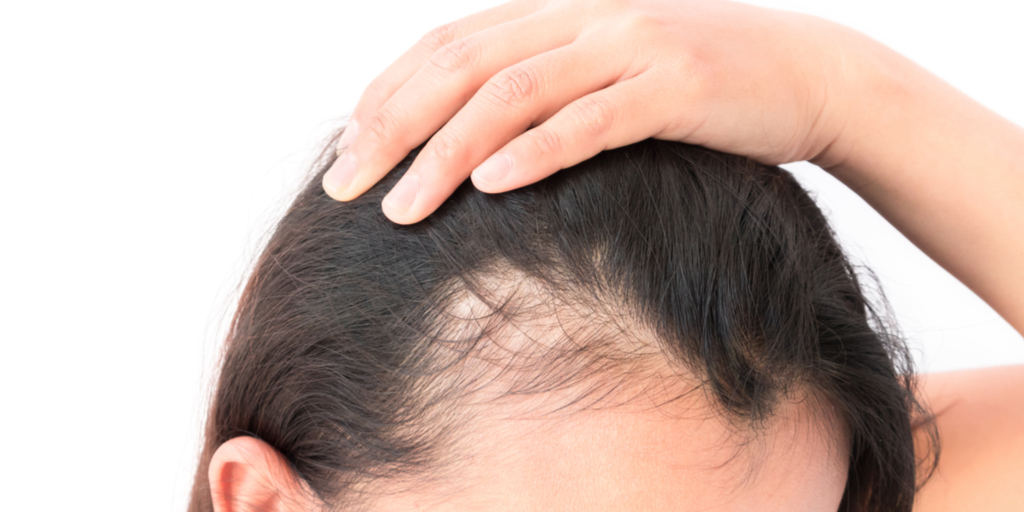
Credit: www.olivaclinic.com
Frequently Asked Questions
Does Hair Loss From Weight Loss Grow Back?
Hair loss from weight loss often grows back. Proper nutrition and stress management can support healthy hair regrowth. Consult a healthcare professional for personalized advice.
How To Stop Hair From Falling Out With Weight Loss?
Maintain a balanced diet rich in proteins, vitamins, and minerals. Ensure adequate hydration and manage stress levels effectively. Incorporate biotin and omega-3 supplements. Avoid crash diets and sudden weight loss. Consult a healthcare professional for personalized advice.
Can Losing 20 Pounds Cause Hair Loss?
Losing 20 pounds rapidly can cause temporary hair loss. This is due to stress and nutrient deficiencies. Ensure balanced nutrition and gradual weight loss to minimize this risk. Consulting a healthcare professional can provide personalized advice to prevent hair loss during weight loss.
What Vitamin Am I Lacking If My Hair Is Falling Out?
Hair loss may indicate a deficiency in vitamins like Vitamin D, Biotin, or Iron. Ensure a balanced diet rich in essential nutrients to promote healthy hair growth. Consult a healthcare professional for personalized advice and possible supplementation.
Conclusion
Hair loss during weight loss can worry many people. It’s usually temporary. Stress and nutrient deficiency often cause this issue. Balanced diet helps maintain healthy hair. Include proteins, vitamins, and minerals in meals. Stay hydrated and reduce stress. Consulting a doctor can offer guidance.
Hair health improves with time and care. Focus on overall wellness. Healthy lifestyle supports both weight and hair. Keep calm and patient during this phase. Hair will recover with proper attention.