Imagine walking into your workplace feeling energized, focused, and genuinely cared for. What if your employer offered more than just a paycheck—something that boosts your health, mood, and overall happiness?
That’s exactly what employee wellness programs aim to do. These programs are designed with your well-being in mind, helping you feel better both physically and mentally. Curious how such initiatives can transform your daily work life and even improve your productivity?
Keep reading to discover the powerful benefits of employee wellness programs—and how they can make a real difference for you.

Credit: ninjathlete.com
Benefits Of Wellness Programs
Employee wellness programs boost health and reduce stress at work. They help increase focus and lower sick days, creating a happier workplace.
Employee wellness programs are becoming a staple in workplaces across the globe. These initiatives aren’t just about offering gym memberships or organizing occasional yoga classes. They represent a holistic approach to improving the overall health and productivity of employees. But what are the tangible benefits that these programs bring to the table?Improved Employee Health
Implementing wellness programs can lead to significant improvements in employee health. When your workplace offers regular health screenings, nutritional advice, and fitness challenges, employees tend to adopt healthier lifestyles. Imagine seeing your colleagues more energetic, less stressed, and free from frequent minor ailments. This positive shift can be contagious, fostering a culture of health and well-being throughout the office.Reduced Absenteeism
A healthier workforce naturally leads to reduced absenteeism. When employees take fewer sick days, it not only benefits them but also boosts overall productivity. Consider the ripple effect of having a team that’s consistently present and engaged. Projects move faster, deadlines are met with ease, and the morale remains high. Isn’t it time to rethink the traditional approach to employee well-being?Enhanced Mental Wellbeing
Wellness programs often emphasize mental health, offering resources such as counseling services, stress management workshops, and meditation sessions. These initiatives can make a world of difference in how employees handle work-related stress. Picture a workplace where employees feel supported and understood, where mental health is prioritized. Wouldn’t you agree that this environment is conducive to both personal growth and professional success? By focusing on these areas, wellness programs do more than just enhance the workplace—they transform it. So, what steps will you take to ensure your workplace reaps these benefits?Key Components Of Effective Programs
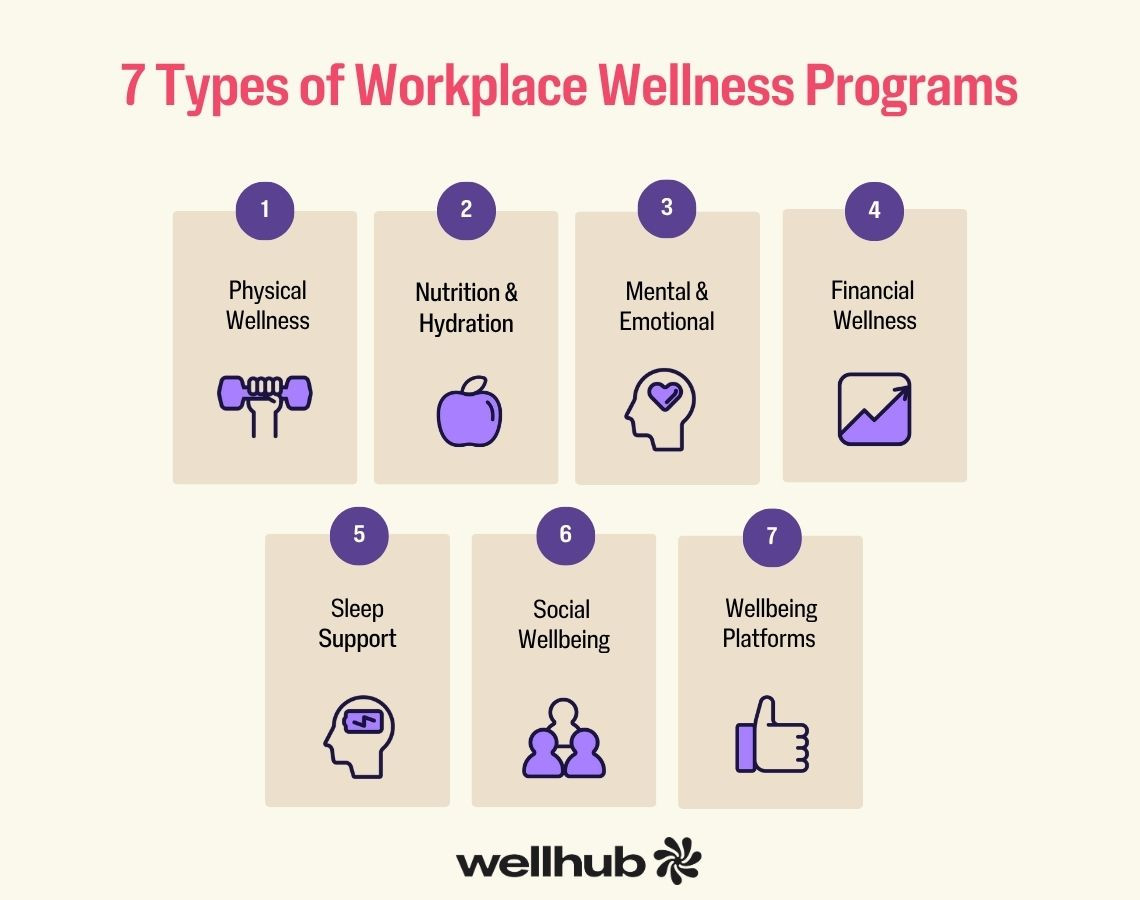
Effective employee wellness programs focus on key areas that improve health and happiness. These programs create habits that boost energy, reduce illness, and increase productivity. A strong wellness program covers physical health, nutrition, mental well-being, and balance between work and life.
Physical Fitness Initiatives
Regular physical activity helps employees feel stronger and more alert. Programs often include gym memberships, group exercise classes, or walking challenges. Simple activities encourage movement throughout the day, reducing health risks and improving mood.
Nutrition And Healthy Eating
Good nutrition supports body and mind. Wellness programs promote healthy eating by offering nutrition workshops, healthy snacks, and meal planning tips. Educating employees about balanced diets helps them make better food choices.
Stress Management Techniques
Stress affects focus and health. Effective programs teach relaxation skills like deep breathing, meditation, and time management. Offering quiet spaces or counseling helps employees manage stress and stay calm.
Work-life Balance Support
Balancing work and personal life reduces burnout. Programs provide flexible schedules, remote work options, and paid time off. Supporting employees in managing their time improves job satisfaction and overall wellness.
Strategies To Boost Productivity
Boosting productivity through employee wellness programs requires targeted strategies that respect individual work styles and promote balance. It’s not just about pushing harder but working smarter. Small changes in how your workday flows can make a big difference in output and overall satisfaction.
Incorporating Flexible Scheduling
Allowing employees to choose their work hours can drastically improve focus and efficiency. Some people hit their stride early in the morning, while others find their peak productivity later in the day.
Giving this freedom reduces stress and helps employees work when they feel most alert. Think about the last time you worked at your best—was it tied to a specific time or environment?
Flexible scheduling also helps balance personal commitments, which means fewer distractions during work hours. This approach can lead to a more motivated and engaged team.
Encouraging Regular Breaks
Taking short, frequent breaks refreshes the mind and prevents burnout. It might seem counterintuitive, but stepping away from your desk often leads to better focus when you return.
Encourage employees to stand up, stretch, or take a quick walk every hour. These small pauses help sustain mental clarity and reduce fatigue.
Have you noticed how a brief break can spark new ideas or solve a problem you were stuck on? Building this habit into your workday can unlock consistent productivity.
Setting Realistic Work Goals
Clear, achievable goals give your day direction and purpose. When targets are too high or vague, it’s easy to feel overwhelmed and lose momentum.
Break larger projects into smaller tasks with specific deadlines. This makes progress visible and motivates continuous effort.
Ask yourself: Are your goals pushing you forward or causing unnecessary stress? Setting realistic expectations helps maintain steady productivity without sacrificing well-being.
Ways To Elevate Employee Morale
Elevating employee morale is key to a happier and more productive workplace. Small changes can create big impacts on how employees feel about their jobs. Boosting morale helps reduce stress, improve teamwork, and increase job satisfaction. Below are effective ways to raise employee spirits and create a supportive work culture.
Recognition And Rewards
Recognizing employees’ hard work shows appreciation and respect. Simple thank-you notes or public praise can boost confidence. Rewards like gift cards, extra break time, or small bonuses motivate employees to keep performing well.
- Regularly acknowledge achievements in meetings.
- Create an employee of the month program.
- Offer personalized rewards based on interests.
Team Building Activities
Team activities help coworkers bond and communicate better. Fun and relaxed settings encourage trust and cooperation. Activities can be simple, like group lunches or outdoor games, making work feel less stressful.
- Organize monthly team lunches or coffee breaks.
- Plan outdoor activities like sports or picnics.
- Host problem-solving games or workshops.
Creating A Positive Work Environment
A positive atmosphere helps employees feel valued and comfortable. Clean, bright spaces with good lighting improve mood. Open communication and support from leaders build trust and reduce anxiety.
- Encourage open feedback without fear of judgment.
- Maintain clean, organized, and well-lit work areas.
- Promote work-life balance through flexible hours.
Measuring Program Success
Measuring the success of your employee wellness program is key to understanding its real impact. Without clear data, you risk continuing efforts that might not be working or missing opportunities to improve. Let’s explore practical ways you can track and evaluate your program’s effectiveness to ensure it truly benefits your team.
Tracking Health Metrics
Health metrics provide concrete evidence of how your program affects employee well-being. You can track things like blood pressure, BMI, cholesterol levels, and even stress indicators. Collecting this data regularly helps you spot trends and measure improvements over time.
Imagine noticing a steady drop in average blood pressure across your staff after introducing a fitness challenge. That’s a clear sign your program is making a difference. But remember, privacy matters—make sure data collection is voluntary and confidential to keep employees comfortable.
Employee Feedback Surveys
Numbers tell part of the story, but your employees’ voices complete the picture. Use surveys to gather honest feedback on what they like, what they don’t, and what they wish was different. Ask specific questions about program elements, ease of participation, and perceived benefits.
One company I worked with found that while their gym membership perk was popular, employees wanted more mental health resources. This insight led to adding mindfulness sessions, which boosted overall satisfaction. What questions will you ask to get meaningful answers from your team?
Analyzing Productivity Data
Wellness programs should ideally lead to better focus and fewer sick days. Look at productivity indicators like absenteeism rates, task completion times, and overall output before and after program implementation. Changes here can reveal how wellness affects work performance.
For instance, a drop in sick days after launching a nutrition education series could show employees are feeling healthier and more energized. However, ensure you consider external factors too—seasonal changes or workload shifts can influence productivity independently of wellness efforts.
Credit: www.bodyspec.com
Overcoming Common Challenges
Employee wellness programs offer many benefits but face common hurdles. These challenges can slow progress and reduce impact. Addressing them early helps create a healthier workplace. Here are key strategies for overcoming typical issues.
Engaging Reluctant Participants
Some employees may hesitate to join wellness programs. They might feel shy or unsure about the activities. Building trust is crucial to increase participation.
- Start with simple, low-pressure activities.
- Share success stories from other employees.
- Offer incentives that appeal to different interests.
- Provide clear information about program benefits.
- Encourage managers to lead by example.
Small steps can turn doubt into enthusiasm over time.
Managing Budget Constraints
Budgets for wellness programs are often limited. This can restrict program size and variety. Smart planning maximizes impact without overspending.
- Use free or low-cost wellness resources online.
- Partner with local gyms or health providers for discounts.
- Focus on activities that need minimal equipment.
- Encourage peer-led sessions to reduce costs.
- Track spending carefully to avoid waste.
Creative solutions can stretch funds to support many employees.
Maintaining Long-term Interest
Keeping employees engaged over months or years is tough. Programs can lose appeal if they stay the same. Variety and relevance help sustain interest.
- Rotate activities and introduce new challenges regularly.
- Gather feedback to adjust programs to employee needs.
- Celebrate milestones and recognize progress publicly.
- Offer flexible options to fit diverse schedules.
- Keep communication frequent and positive.
Ongoing effort keeps wellness programs fresh and motivating.
Future Trends In Wellness Programs
The future of employee wellness programs is evolving fast. Companies are moving beyond the basics to create experiences that truly support individual needs and improve overall well-being. What changes will shape the next generation of wellness initiatives? Let’s take a closer look at some key trends that could impact your workplace.
Technology Integration
Technology is no longer just a tool; it’s becoming the backbone of wellness programs. Wearable devices and health apps provide real-time data that helps employees track their progress and stay motivated.
Imagine having a personalized dashboard that suggests activities based on your sleep patterns or stress levels. This kind of insight makes wellness feel more relevant and achievable every day.
Could your company use AI-powered chatbots to offer instant health advice? This kind of on-demand support keeps wellness front and center, even during busy work hours.
Personalized Wellness Plans
One-size-fits-all wellness programs often miss the mark. Employees have different health goals, lifestyles, and challenges that require tailored approaches.
Personalized plans can include customized fitness routines, nutrition advice, and stress management techniques. When you get a plan that fits your unique needs, sticking to it feels much easier.
Have you noticed how much more motivated you are when a program understands your specific struggles? Offering personalized options can boost participation and results dramatically.
Focus On Mental Health
Mental health is becoming a top priority in wellness programs. Companies are offering more resources like counseling, mindfulness sessions, and resilience training.
Supporting mental health isn’t just about crisis management; it’s about creating a culture where employees feel safe to express their challenges and seek help.
Think about how much your productivity and satisfaction improve when your workplace truly supports your mental well-being. What steps can your employer take to make mental health a daily focus?

Credit: www.crazehq.com
Frequently Asked Questions
What Are Employee Wellness Programs?
Employee wellness programs are initiatives by companies to improve workers’ health. They promote physical, mental, and emotional well-being through activities and resources.
How Do Wellness Programs Benefit Employees?
Wellness programs reduce stress, improve fitness, and boost morale. Employees gain healthier habits, increased energy, and better work-life balance.
Why Should Companies Invest In Wellness Programs?
Investing in wellness programs lowers healthcare costs, reduces absenteeism, and increases productivity. Healthy employees contribute to a stronger, more engaged workforce.
What Activities Are Included In Wellness Programs?
Common activities include fitness challenges, health screenings, nutrition workshops, and mental health support. Programs often offer personalized coaching and wellness resources.
Conclusion
Employee wellness programs help create a healthier work environment. They support both physical and mental health for staff. Healthy employees often feel happier and work better. Companies benefit from fewer sick days and higher productivity. Wellness programs can include exercise, nutrition, and stress management.
Small steps in wellness can lead to big improvements. Investing in employee health is a smart choice. It builds a stronger, more focused team. Overall, wellness programs bring lasting benefits to everyone.