Are you curious about the future of the food on your plate? FDA lab meat is changing the way we think about what’s for dinner.
This new kind of meat is grown in a lab, not on a farm, and it promises to be safer, cleaner, and better for the planet. But what does that really mean for you and your family? Keep reading to discover how FDA lab meat could transform your meals and why it’s grabbing so much attention right now.
Lab-grown Meat Basics
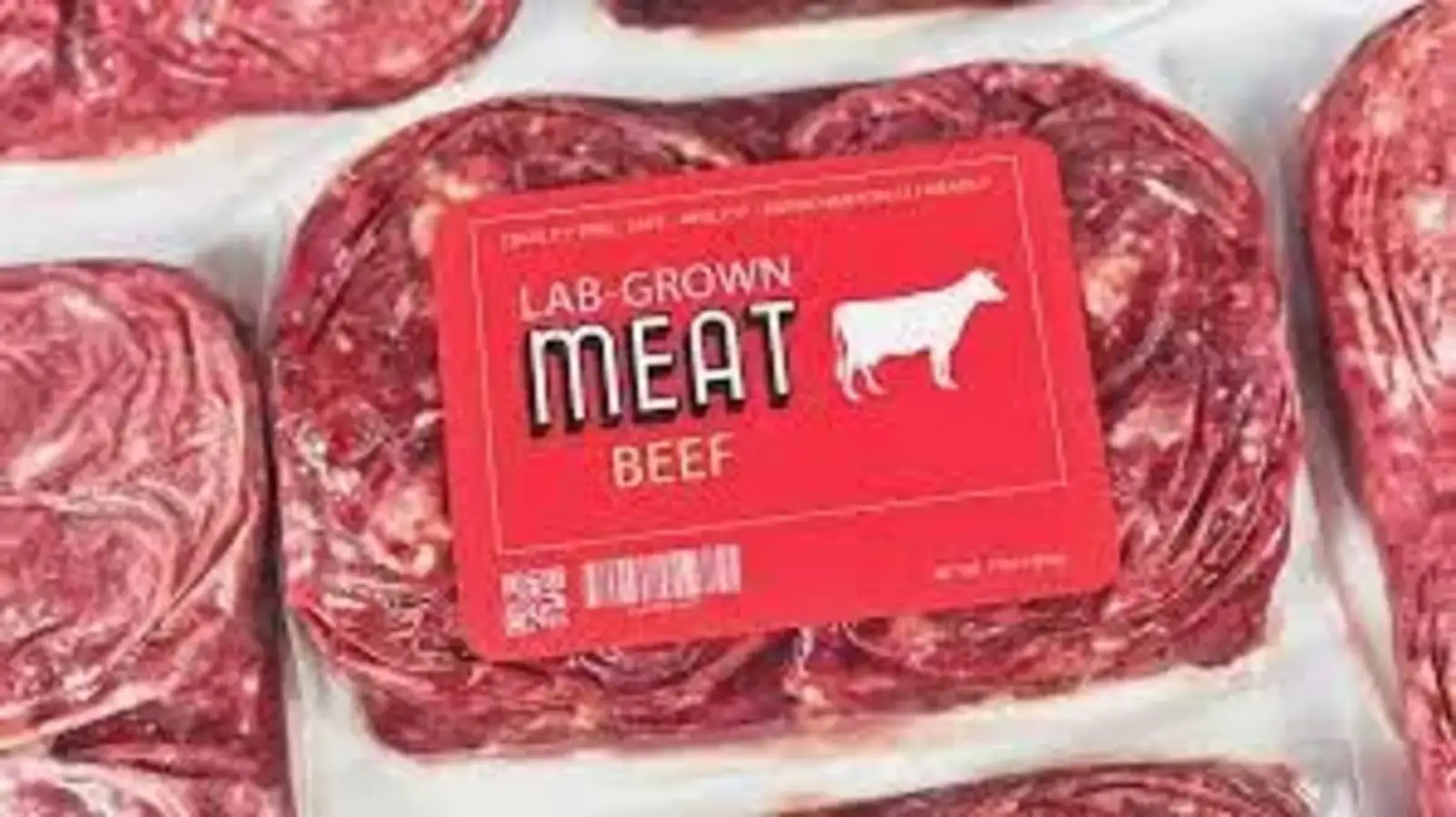
Lab-grown meat is meat produced by culturing animal cells in a lab. It does not require raising or slaughtering animals. Scientists take a small sample of animal cells and feed them nutrients. The cells multiply and form muscle tissue. This tissue looks and tastes like conventional meat.
Lab-grown meat aims to reduce environmental damage and animal suffering. It also offers a way to produce meat with fewer antibiotics and hormones. The FDA oversees the safety and regulation of this new food product. Understanding the basics helps to grasp why it matters.
What Is Lab-grown Meat?
Lab-grown meat, also called cultured or cell-based meat, is real meat. It is made from animal cells, not from whole animals. The cells grow in a controlled environment, forming muscle fibers. The result is meat that is biologically similar to farmed meat.
How Is Lab-grown Meat Made?
Scientists start with a small tissue sample from an animal. They isolate stem cells that can grow into muscle. These cells are placed in a nutrient-rich solution. The cells multiply and develop into muscle tissue. This process takes weeks to produce edible meat.
Benefits Of Lab-grown Meat
- Uses less land and water than traditional farming
- Produces fewer greenhouse gases
- Reduces the need for antibiotics and hormones
- Minimizes animal suffering
- Offers a controlled, safe food production method
Challenges Facing Lab-grown Meat
- High production costs
- Scaling up for mass market
- Consumer acceptance and trust
- Regulatory approvals and standards

Credit: www.msn.com
Fda’s Role In Lab Meat
The FDA plays a key role in the safety and regulation of lab-grown meat. This new type of meat, also called cultured or cell-based meat, needs strict oversight. The FDA ensures that lab meat is safe for people before it reaches the market. Their work builds trust in this innovative food source.
Through careful rules and inspections, the FDA helps guide the lab meat industry. They work with companies to make sure the production process follows health standards. This oversight protects consumers and supports the growth of lab meat technology.
Fda’s Safety Standards For Lab Meat
The FDA sets clear safety rules for lab-grown meat. These include testing for harmful bacteria and toxins. They review the entire process, from cell collection to final product. This ensures every batch is safe to eat.
Collaboration With Other Agencies
The FDA works with the USDA to regulate lab meat. The USDA oversees labeling and inspection after production. This teamwork creates a full safety net for consumers.
Guidance For Industry Developers
The FDA provides advice and guidelines for lab meat companies. This helps businesses meet safety and quality standards. Clear guidance speeds up the approval process.
Monitoring And Enforcement
The FDA monitors lab meat products after approval. They check for compliance with safety rules. Enforcement actions happen if companies break regulations.
Production Process
The production process behind FDA-approved lab-grown meat is a fascinating blend of biology and engineering. It starts with a tiny sample and evolves into a product that could change how you think about your meals. Understanding each step helps you appreciate the science and care involved in creating meat without traditional farming.
Cell Collection
The journey begins with collecting cells from an animal through a painless biopsy. These cells are usually muscle stem cells, chosen for their ability to multiply and develop into meat tissue.
Think about it: instead of raising and slaughtering animals, you only need a small sample. This step is crucial because the quality and type of cells directly affect the final product’s texture and taste.
Cultivation Techniques
Once collected, the cells enter a carefully controlled environment to grow. They receive a mix of nutrients, oxygen, and the right temperature to multiply rapidly.
Scientists use bioreactors, which are like high-tech incubators, to mimic the body’s natural conditions. This stage transforms single cells into muscle fibers, making the meat develop structure and flavor over time.
Scaling Up Production
Producing lab meat in small batches is one thing; making it available for your dinner plate requires scaling up. Companies work on increasing the size of bioreactors and optimizing growth media to reduce costs.
Imagine growing meat in giant vats, where thousands of liters of cell culture can produce enough meat for supermarkets. The challenge is to keep the process efficient while maintaining safety and quality standards approved by the FDA.
Credit: m.economictimes.com
Safety Standards
Safety standards are at the heart of FDA’s approach to lab-grown meat. You might wonder how these new products get approved and what makes them safe to eat. Understanding the processes behind these standards can help you feel confident about trying lab meat.
Regulatory Framework
The FDA works closely with the USDA to regulate lab-grown meat, ensuring it meets strict safety criteria before reaching your plate. They review every step, from cell collection to final product packaging.
This partnership means no shortcuts are allowed. The FDA requires companies to submit detailed information about their production methods, potential hazards, and safety tests.
Have you ever questioned how new food products get approved? The FDA’s transparency and rigorous review process might surprise you.
Quality Control Measures
Lab meat producers follow strict quality control measures to maintain safety and consistency. This includes routine testing for contaminants and verifying that cells grow in clean, controlled environments.
Producers also monitor nutrient levels and check for unexpected changes in the meat’s texture or appearance. These steps help ensure the product meets the same standards as traditional meat.
Imagine how careful you are when preparing your meals. Lab meat companies apply even greater attention to detail to keep their products safe and reliable.
Environmental Impact
The environmental impact of FDA-approved lab meat is a key reason for its growing interest. Lab-grown meat uses innovative methods to reduce harm to the planet. It offers a cleaner, more sustainable option compared to traditional livestock farming.
Lab meat production lowers pollution and resource use. It helps protect ecosystems and combat climate change. The technology supports a healthier planet and a more secure food future.
Reducing Carbon Footprint
Lab meat produces fewer greenhouse gases than animal farming. It cuts methane and carbon dioxide emissions significantly. This reduction helps slow global warming. The controlled environment of lab meat also limits energy waste. Less land and water mean fewer emissions overall.
Conserving Natural Resources
Lab meat uses less water than raising animals. It requires less land, preserving forests and habitats. Fewer crops are needed for animal feed, saving soil and water. The process recycles nutrients efficiently. This conservation supports biodiversity and reduces deforestation.
Nutritional Benefits
Lab-grown meat offers promising nutritional benefits. It is created under controlled conditions, allowing precise control over its composition. This control can lead to healthier meat options. Nutrients can be adjusted to meet dietary needs. The process can reduce harmful elements found in some traditional meats. This makes lab meat a potential choice for better nutrition.
Comparison With Traditional Meat
Lab meat matches traditional meat in protein content. It contains essential amino acids necessary for the body. Fat content can be customized, reducing unhealthy fats. Saturated fats can be lowered to improve heart health. There is less risk of contaminants like antibiotics or hormones. The absence of animal stress may improve meat quality. Lab meat also avoids bacteria often found in farmed animals.
Fortification Opportunities
Lab-grown meat can be enriched with extra nutrients. Vitamins like B12 and iron can be added easily. Omega-3 fatty acids, good for brain health, can be increased. Fortification helps address common nutrient deficiencies. This meat can be tailored for specific health needs. It supports balanced diets for children and the elderly. Such customization is hard to achieve with traditional meat.
Consumer Acceptance
Consumer acceptance plays a crucial role in the success of FDA-approved lab meat. Your willingness to try and trust this new food source depends on many factors, including safety concerns, taste expectations, and ethical considerations. Understanding how people perceive lab-grown meat helps shape its future in the market.
Public Perception
Many people remain unsure about lab meat, often questioning how natural or safe it is. Some worry about the idea of eating meat grown in a lab rather than on a farm. These doubts can make you hesitate before making a purchase.
However, studies show that younger generations are more open to trying lab meat, especially when they learn about its environmental benefits. Sharing clear information about the production process and health standards can ease fears and build trust.
Have you ever avoided a new food simply because it felt unfamiliar? Lab meat faces a similar challenge. The more transparent companies are, the easier it becomes for consumers to accept this innovation.
Market Trends
The market for lab-grown meat is growing steadily, driven by rising demand for sustainable and ethical protein sources. You may notice more products appearing in grocery stores and restaurants as companies expand their offerings.
Some brands focus on creating familiar products like burgers and sausages to make the transition easier for you. These choices help reduce the “yuck” factor by offering something recognizable and tasty.
Many consumers are willing to pay a premium for lab meat if it guarantees better animal welfare and lower environmental impact. This shift in buying habits suggests a promising future for lab-grown meat as part of everyday diets.
- Increased investment from food companies signals confidence in lab meat’s potential.
- Collaborations between startups and established brands help improve product availability.
- Positive media coverage influences public opinion and encourages trial.

Credit: www.msn.com
Ethical Considerations
Ethical considerations around FDA-approved lab meat go beyond just science and safety. They touch on deep questions about how we treat animals and how new food technologies fit into diverse cultures. Understanding these issues helps you make informed choices that align with your values.
Animal Welfare
One of the strongest ethical arguments for lab meat is its potential to reduce animal suffering. Instead of raising and slaughtering billions of animals, lab meat grows muscle tissue in controlled environments.
This means fewer animals face harsh living conditions or painful deaths. If you care about animal rights, lab meat presents a compelling alternative to traditional farming.
However, some worry that lab meat might still rely on animal cells taken from living creatures. Would you feel comfortable eating meat that started this way? What standards should be in place to protect those animals?
Cultural Implications
Food is deeply tied to culture, tradition, and identity. Lab meat challenges long-held beliefs about what counts as “real” food.
Some communities might embrace lab meat for its ethical and environmental benefits. Others could see it as unnatural or disrespectful to their culinary heritage.
Think about your own food traditions. How would lab meat fit into your meals and family gatherings? Would you be open to trying it, or would it feel strange or unacceptable?
Future Prospects
The future of FDA-approved lab meat holds exciting possibilities for both consumers and the environment. As this technology continues to evolve, it promises to reshape how we source and consume protein. Understanding where lab meat is headed can help you make informed choices and prepare for changes in the food industry.
Technological Advancements
Lab meat technology is improving rapidly, making production more efficient and affordable. Scientists are finding ways to grow meat cells faster and with fewer resources, reducing costs and increasing accessibility.
One breakthrough includes developing scaffolding materials that mimic natural tissue, giving lab-grown meat better texture and flavor. You might soon find lab meat that tastes just like traditional cuts, but with a smaller environmental footprint.
How will these innovations change your shopping habits? As quality improves, lab meat could become a staple in your kitchen, offering a reliable, sustainable protein source.
Global Market Expansion
Lab meat is no longer limited to niche markets or select countries. With FDA approval paving the way, more companies worldwide are entering the space, expanding availability.
This growth means you could see lab meat products in supermarkets across continents within the next few years. Countries focusing on sustainability are especially keen to adopt these alternatives.
What will happen to traditional meat industries as lab meat gains popularity? The market shift might lead to new job opportunities in biotechnology and food science, alongside changes in farming practices.
Frequently Asked Questions
What Is Fda Lab Meat Approval Status?
FDA lab meat approval means the agency has reviewed safety data. The FDA ensures lab-grown meat meets health standards before market entry.
How Does Fda Regulate Lab-grown Meat?
FDA regulates lab-grown meat by overseeing production processes. It ensures products are safe, hygienic, and accurately labeled for consumers.
When Will Fda Lab Meat Be Widely Available?
FDA lab meat availability depends on production scale and approvals. Wider availability is expected as companies scale up and meet regulatory requirements.
Is Fda Lab Meat Safe To Eat?
Yes, FDA lab meat is safe after thorough safety evaluations. The agency reviews all scientific data before approving it for consumption.
Conclusion
FDA lab meat shows promise for future food choices. It offers a way to produce meat without raising animals. This could help reduce environmental damage and improve animal welfare. People may find lab-grown meat safer and cleaner. Still, many questions about taste, cost, and acceptance remain.
Watching this technology develop will be interesting. It might change how we eat in the years ahead. The journey of lab meat has just begun.