Are you ready to take control of your health and transform your life? Starting a fitness and diet plan can be overwhelming, but with the right guidance, you can achieve your goals.
This beginner-friendly guide is designed to help you understand the basics of fitness and nutrition, making it easy to integrate healthy habits into your daily routine. Imagine feeling more energetic, confident, and proud of your achievements. You’ll discover simple yet effective strategies that will motivate you every step of the way.
Let’s dive into practical tips and actionable steps that will set you on the path to a healthier you. Get ready to unlock the secrets to a vibrant and fulfilling lifestyle!
Setting Realistic Goals
Embarking on a fitness and diet journey can be both exciting and daunting. The key to success lies in setting realistic goals. When goals are attainable, you stay motivated and make consistent progress. Realistic goals prevent the overwhelming feeling that often leads to giving up. It’s about finding a balance between challenging yourself and being kind to yourself.
Short-term Milestones
Short-term milestones are your stepping stones. They are like the checkpoints in a race that keep you focused and energized. Consider starting with achievable targets like working out for 20 minutes a day or swapping sugary drinks for water. These small changes can lead to noticeable improvements in your energy levels and mood.
Track your progress to see how far you’ve come. Make adjustments as necessary, like increasing workout time gradually or experimenting with new healthy recipes. Celebrate small victories to boost your motivation. Remember, every step forward is progress.
Long-term Vision
Your long-term vision is what keeps you going. Think about where you want to be in six months or a year. Maybe it’s running a 5K or feeling more confident in your clothes. Picture that future version of yourself and what it would take to get there.
Set tangible goals, like losing a certain amount of weight or building strength. Break these larger goals into smaller, manageable tasks. Create a plan that includes regular exercise and balanced meals. Adjust your approach as you learn what works for you.
Are your goals aligned with your lifestyle? Make sure they are realistic and adaptable. Life throws curveballs, and flexibility is key. Reflect on your progress regularly and revise your long-term vision if needed. How do you want to feel a year from now?
Setting realistic goals is a journey. It’s about finding what works for you and tweaking it along the way. Stay committed, stay inspired, and remember: progress is personal.
Understanding Nutrition Basics
Starting a fitness journey involves understanding the basics of nutrition. A balanced diet fuels your body and supports workout goals. Beginners should focus on proteins, carbs, and healthy fats to build strength and energy.
Embarking on a fitness journey can be both exciting and overwhelming, especially when it comes to understanding the basics of nutrition. Grasping these fundamentals is crucial as they lay the groundwork for your overall health and fitness success. Nutrition is not just about eating less or more; it’s about making smart, informed choices that fuel your body efficiently.Macronutrients Explained
Macronutrients are the building blocks of your diet. They include carbohydrates, proteins, and fats. Each plays a unique role in your body. Carbohydrates are your body’s primary energy source. Think of them as the fuel that powers your workouts and daily activities. Whole grains, fruits, and vegetables are excellent sources. Proteins are vital for muscle repair and growth. They also help keep you full longer. Incorporate lean meats, beans, and nuts into your meals. Fats often get a bad rap, but healthy fats are essential. They help with nutrient absorption and brain function. Opt for sources like avocados, olive oil, and fatty fish.Importance Of Hydration
Hydration is often overlooked but is a key element of a healthy diet. Your body is made up of about 60% water, making it essential for all bodily functions. Drinking enough water aids in digestion, keeps your skin healthy, and helps regulate body temperature. Are you drinking enough daily? A simple rule is to drink at least 8 glasses of water a day, but if you’re active, you may need more. Keep a water bottle handy to remind yourself to sip throughout the day. Understanding these nutrition basics can make a huge difference in your fitness journey. What changes will you make to your diet today?Creating A Balanced Diet Plan
Starting a fitness journey involves creating a balanced diet plan. Beginners should focus on nutritious foods like fruits, vegetables, and lean proteins. This helps in building energy and promoting overall health. Consistency in eating habits supports fitness goals effectively.
Creating a balanced diet plan is an essential step for beginners who are embarking on their fitness journey. A well-rounded diet fuels your body, supports your workout routine, and helps you achieve your fitness goals. By focusing on a variety of nutritious foods, you can ensure that your body gets the essential nutrients it needs.Meal Planning Tips
Start by setting realistic goals. Think about what you want to achieve with your diet. Is it weight loss, muscle gain, or simply maintaining a healthy lifestyle? Plan your meals for the week. This can save you time and reduce stress. Use a calendar or an app to jot down your meals. Keep it simple. Choose easy-to-make recipes with ingredients you enjoy. This helps you stick to your plan without feeling overwhelmed. Shop with a list. Head to the grocery store with a clear idea of what you need. This helps avoid impulse buys and keeps you on track. Prepare meals in advance. Cook in bulk and store meals in the fridge or freezer. This makes healthy eating convenient, especially on busy days.Incorporating Variety
Eating the same meals can get boring quickly. Add variety to keep your diet exciting and nutritious. Include different food groups. Mix proteins, carbohydrates, and fats in your meals. Think chicken, rice, and avocado, or tofu, quinoa, and nuts. Try new foods. Explore different fruits and vegetables, grains, and protein sources. This not only diversifies your diet but also introduces new nutrients. Rotate your recipes. Have a few go-to meals, but switch them up each week. This keeps you from falling into a rut. Listen to your body. Craving something different? It’s okay to adjust your plan. Being flexible helps maintain long-term success. Have you ever tried a new dish and found it surprisingly delicious? Experimenting can lead to delightful discoveries. By following these tips, you’ll be on your way to a balanced diet that supports your fitness goals. What small change can you make today to enhance your eating habits?
Credit: fitneswithabhi.lovestoblog.com
Introduction To Exercise
Starting a fitness journey can be exciting. Exercise is essential for health and well-being. It boosts energy and improves mood. Beginners need a plan that is easy to follow. Let’s explore the basics of exercise.
Types Of Workouts
There are many kinds of workouts. Cardio exercises raise your heart rate. Examples include running and cycling. They improve heart health and burn calories. Strength training builds muscles. Lifting weights or using resistance bands are common methods. Flexibility exercises keep your body limber. Yoga and stretching help prevent injuries.
Finding What Works For You
Not every workout suits everyone. Choose exercises you enjoy. This makes it easier to stick to your plan. Try different activities to find your favorites. Listen to your body and adjust as needed. Start slow and gradually increase intensity. This prevents strain and keeps you motivated.
Building A Workout Routine
Creating a beginner-friendly fitness and diet plan involves balanced exercises and nutritious meals. Start with simple workouts to build strength and stamina. Pair these with healthy eating habits to support energy and recovery.
Embarking on a fitness journey can be exciting and rewarding. Building a workout routine is a crucial step for beginners who want to achieve their health goals. It sets the foundation for progress, helping you stay focused and motivated. A well-structured routine not only enhances your physical strength but also boosts your confidence and mental well-being. Let’s dive into crafting an effective workout plan that meets your needs and fits your lifestyle.Frequency And Duration
How often should you exercise? It’s a common question that puzzles many beginners. Aim for consistency rather than intensity. Start with three to four sessions per week. This allows your body to gradually adapt to new physical demands. Each workout session should last between 30 to 45 minutes. This duration is perfect for maintaining focus without feeling overwhelmed. Short but effective sessions keep your energy levels up and prevent burnout. Consider incorporating a mix of cardio, strength, and flexibility exercises. You might find that alternating between these keeps the routine exciting and balanced. What works best for you?Rest And Recovery
Rest days are as important as workout days. They give your muscles time to repair and grow stronger. Schedule one or two rest days each week to prevent overtraining and injuries. Listen to your body. Feeling sore or tired? It might be a sign that your body needs more time to recover. Adjust your routine accordingly to avoid setbacks. Recovery doesn’t just happen during rest days. Ensure you’re getting enough sleep, and stay hydrated and nourished. This holistic approach helps your body heal and prepares you for your next workout. Building a workout routine tailored to your needs is empowering. It’s about finding what works for you and staying committed to your goals. Are you ready to take the first step?
Credit: www.youtube.com
Staying Motivated
Starting a fitness and diet plan can be challenging. Focus on small, achievable goals to stay motivated. Celebrate every success to keep moving forward.
Staying motivated is crucial for beginners starting a fitness and diet plan. It’s easy to feel excited at first, but over time, enthusiasm can wane. To keep the momentum, finding strategies that work for you is essential. Motivation doesn’t always come naturally. Sometimes, it needs a little nudge. Let’s explore practical tips to stay on track and reach your goals.Tracking Progress
Tracking progress can boost your motivation significantly. It shows how far you’ve come and highlights your achievements. Use a journal or app to log your workouts and meals. Record changes in weight, strength, or endurance. Visual evidence of your journey encourages you to continue. Seeing your hard work pay off is rewarding. It creates a sense of accomplishment.Rewarding Yourself
Rewarding yourself can enhance motivation. It provides a tangible benefit for your efforts. Set small goals and celebrate when you achieve them. Rewards can be simple, like a relaxing day or a new workout gear. Choose rewards that won’t derail your progress. They should support your healthy lifestyle. Rewards make the process enjoyable. They keep you excited about reaching the next milestone.Common Mistakes To Avoid
Beginners often overlook balanced nutrition, relying heavily on fad diets. Over-exercising without proper rest can lead to burnout. Proper planning and realistic goals are essential for sustainable fitness and diet progress.
Embarking on a fitness journey is exciting, but beginners often stumble upon common pitfalls that can derail progress. Mistakes are part of the learning curve, yet avoiding them can save you time and energy. Let’s delve into two prevalent missteps: overtraining and ignoring nutrition. Recognizing these can keep you on the path to success.Overtraining
Many beginners are eager to see quick results. This enthusiasm often leads to overtraining. You might think that working out every day will speed up progress. However, your body needs time to recover. Overtraining can lead to injuries, fatigue, and burnout. I once pushed myself to run daily, ignoring the signals of exhaustion. Within weeks, I was sidelined with a knee injury. Rest days are not a sign of weakness; they’re essential for muscle repair and growth. Consider scheduling at least one to two rest days a week. Balance intense workouts with lighter activities like yoga or walking. Listen to your body. Are you feeling unusually tired or sore? It might be a sign to slow down.Ignoring Nutrition
Exercise is only part of the equation. Ignoring nutrition can sabotage your efforts. You might think, “I’ll just burn off the calories later.” But without proper fuel, your body can’t perform at its best. Skipping meals or eating junk food can leave you feeling sluggish. During my early fitness days, I underestimated the power of a balanced diet. I often felt tired despite regular workouts. Adding more fruits, vegetables, and lean proteins improved my energy levels drastically. Create a simple meal plan that includes a variety of nutrients. Aim for balance: carbohydrates for energy, proteins for muscle repair, and fats for overall health. Are you fueling your body adequately? Reflect on your meal choices and their impact on your workouts. Avoiding these common mistakes can set a strong foundation for your fitness journey. Are you ready to make these small changes for big results?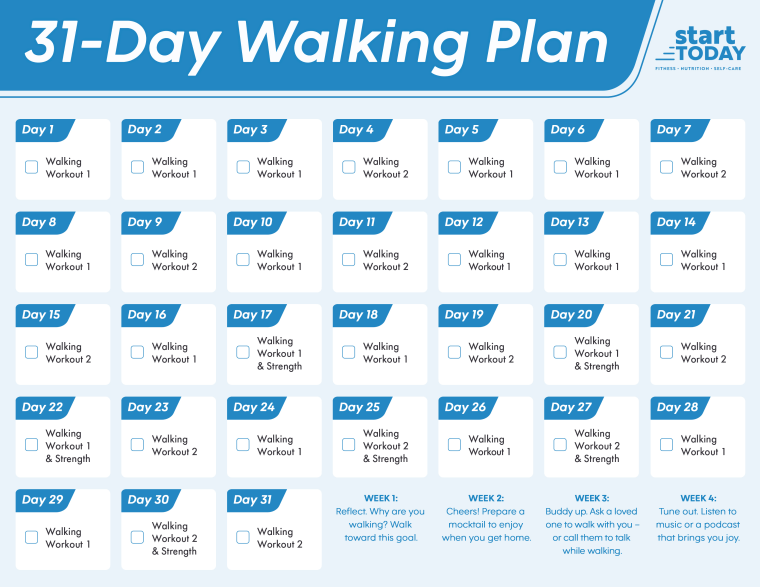
Credit: www.today.com
Seeking Professional Guidance
Starting a fitness and diet plan can be challenging for beginners. Professional guidance helps set realistic goals and creates a personalized approach. This ensures safe and effective progress on your health journey.
Embarking on a fitness and diet plan can feel overwhelming. You might wonder if you’re doing the right exercises or eating the right foods. Seeking professional guidance is a smart move. It ensures you’re on the right track and helps you avoid common pitfalls. Consulting experts can make your journey smoother and more effective.When To Consult A Trainer
You don’t need to be a seasoned gym-goer to seek a trainer. As a beginner, it’s often beneficial. Trainers offer personalized advice tailored to your current fitness level. They help you learn proper techniques to prevent injuries. Sometimes, you might feel stuck or unmotivated. A trainer can reignite your passion. They can introduce new routines to keep things exciting. Ever found yourself doing the same exercises with no visible results? A trainer can adjust your plan for better outcomes.Nutritional Advice
Eating right is crucial. But with so much conflicting information, it can be confusing. Professional nutritional advice cuts through the noise. It provides clear, actionable steps for a balanced diet. You might think you’re eating well. But are you getting all the nutrients you need? A nutritionist can pinpoint gaps and suggest foods to fill them. They also consider your unique needs, like dietary restrictions or allergies. Have you ever wondered if those fad diets work? A nutritionist can help you differentiate between what’s trending and what’s truly beneficial. They ensure your diet supports your fitness goals efficiently.Taking the first step is the hardest. But with professional guidance, you’re not alone in the journey. Have you thought about seeking expert advice for your fitness and diet plan? It might be the game-changer you need.
Frequently Asked Questions
How To Start Diet And Exercise For Beginners?
Begin with setting clear goals and choosing a balanced diet. Incorporate simple exercises like walking or yoga. Gradually increase intensity and duration as you progress. Stay consistent and track your progress for motivation. Consult a professional for personalized advice.
What Is The 3 3 3 Rule For Weight Loss?
The 3 3 3 rule for weight loss involves eating three meals, three snacks, and drinking three liters of water daily. This approach helps maintain metabolism, manage hunger, and keep energy levels stable, promoting healthy and sustainable weight loss. It emphasizes portion control and hydration as key components.
What Is The Best Fitness Plan For Beginners?
A beginner fitness plan should include simple exercises like walking, bodyweight workouts, and stretching. Start with 20-30 minutes, three times a week. Gradually increase intensity and duration. Focus on balanced routines for strength, flexibility, and cardio. Always listen to your body and consult a professional if needed.
How Do I Create A Diet And Fitness Plan?
To create a diet and fitness plan, set clear goals and assess your current health. Choose balanced meals and include regular exercise. Monitor progress and adjust as needed. Consider consulting a nutritionist or personal trainer for guidance. Stay committed and maintain consistency for effective results.
Conclusion
Starting a fitness and diet plan is a great step. It helps improve health and energy. Remember to set realistic goals. Small steps lead to big changes. Stay consistent and patient. Results take time but are rewarding. Listen to your body and adjust as needed.
Enjoy the journey and celebrate progress. Keep learning and stay motivated. Surround yourself with supportive people. Make fitness and healthy eating fun. Try new activities and recipes. Balance is key for long-term success. Your path to a healthier life starts now.
Embrace the change and stay committed. You’ve got this!