Are you ready to kickstart your fitness journey but unsure where to begin? Finding the right fitness goals can make all the difference in staying motivated and achieving success.
You might wonder how to set realistic targets that align with your lifestyle and aspirations. Don’t worry; you’re not alone. Many beginners face the same challenge, and we’re here to guide you through it. Imagine the satisfaction of reaching milestones that once seemed impossible, feeling healthier, stronger, and more confident.
By the end of this article, you’ll have clear, achievable fitness goals that can transform your routine and inspire you to keep moving forward. Let’s dive in and discover how you can turn your aspirations into reality!
Setting Realistic Goals
Starting small with fitness goals is crucial for beginners. Aim to walk 30 minutes daily or try light strength exercises twice a week. Consistency builds confidence and establishes a solid foundation for future achievements.
Setting realistic fitness goals is crucial for beginners embarking on their fitness journey. It’s about aligning your aspirations with achievable milestones, creating a roadmap that leads to sustained progress. This approach prevents burnout and keeps motivation high, encouraging you to celebrate small victories along the way.Understanding Your Why
Before setting your fitness goals, take a moment to understand why you want to pursue them. Is it to feel healthier, boost your confidence, or perhaps to keep up with your kids? Knowing your motivation gives your goals purpose. It’s like having a personal compass guiding your journey. When you’re tempted to skip a workout, your ‘why’ can be the reminder that keeps you moving forward. Reflect on your reasons and write them down. Seeing them in black and white can make them more real and motivating.Assessing Current Fitness Level
Start by evaluating your current fitness level. Do you find it challenging to climb a flight of stairs without panting? Understanding where you stand helps in setting goals that are within reach. It’s not about comparing yourself to others but about recognizing your own strengths and areas for improvement. Consider simple tests like a timed walk or counting how many push-ups you can do. This assessment will serve as a baseline for tracking progress. By setting realistic goals, you ensure each step forward is a victory. As you progress, adjust your goals to keep challenging yourself while staying motivated. What’s one goal you can set today that aligns with your ‘why’? Embrace the journey with enthusiasm and purpose.Short-term Goals
Beginner fitness goals can include walking 10,000 steps daily, completing a 5-minute plank, or attending yoga classes weekly. These small targets help build habits and boost confidence. Setting achievable goals is key for steady progress.
Setting short-term fitness goals can be a game-changer for beginners. These goals are small, manageable targets that keep you motivated and help you build confidence. They act as stepping stones towards your long-term aspirations, making the journey less overwhelming and more enjoyable. Focusing on short-term achievements provides immediate gratification and keeps your enthusiasm high. Let’s dive into some practical short-term fitness goals you can set for yourself.Weekly Activity Targets
Establishing weekly activity targets is a fantastic way to kickstart your fitness journey. Aim to engage in physical activities for at least 150 minutes per week. This could be a mix of walking, cycling, or any activity you enjoy. Break this down into manageable chunks, such as 30 minutes a day over five days. This approach helps you form a routine without feeling pressured. Tracking your weekly progress can also be incredibly rewarding. Imagine the satisfaction of ticking off each day you meet your target. Have you thought about using a fitness app to keep track? These apps can send you reminders and offer a sense of accomplishment as you see your weekly streak grow.Introducing New Exercises
Trying new exercises keeps your routine fresh and exciting. It challenges different muscle groups and prevents boredom. Consider adding one new exercise to your routine every week. Start simple. If you walk regularly, try adding a few minutes of jogging or some basic strength exercises like squats or lunges. This gradual introduction helps your body adapt without causing strain. Remember when you first tried yoga and how it felt awkward? But with time, those poses became more comfortable. That’s the beauty of expanding your exercise repertoire. It’s not just about physical gains but also about mental growth. What new exercise have you been curious about? Take the plunge and add it to your routine. You might discover a new favorite activity that invigorates your workout regimen.Long-term Goals
Setting long-term fitness goals helps beginners stay motivated. Aim for consistent progress, like running longer distances or lifting heavier weights. Gradually increase intensity and focus on building endurance.
Setting fitness goals can be a transformative journey, especially for beginners. Long-term goals provide a roadmap to sustained success and personal growth. They help you stay motivated and track your progress over months and years. Let’s dive into some practical examples that can guide your fitness journey.Building Endurance
Endurance is about how long you can sustain an activity. As a beginner, you might start with a goal of running for 10 minutes without stopping. Gradually, aim to increase this to 30 minutes over several months. Consider joining a local running group or signing up for a 5K race. This gives you a tangible goal to work towards. You’ll be amazed at how your body adapts and your stamina improves.Strength Development
Building strength is not just for bodybuilders—it’s essential for everyone. Start with basic bodyweight exercises like push-ups and squats. Aim to perform sets of 10 with good form. As you get stronger, add weights to your routine. Track your progress by noting how much weight you lift and how many reps you complete. Celebrate each milestone, like when you lift a heavier dumbbell or perform more reps than last week. Reflect on how these goals impact your daily life. Do you find it easier to carry groceries or climb stairs? These achievements, though small, are powerful indicators of your progress. What long-term fitness goals are you setting for yourself? How will they change your life? Share your thoughts and experiences in the comments below.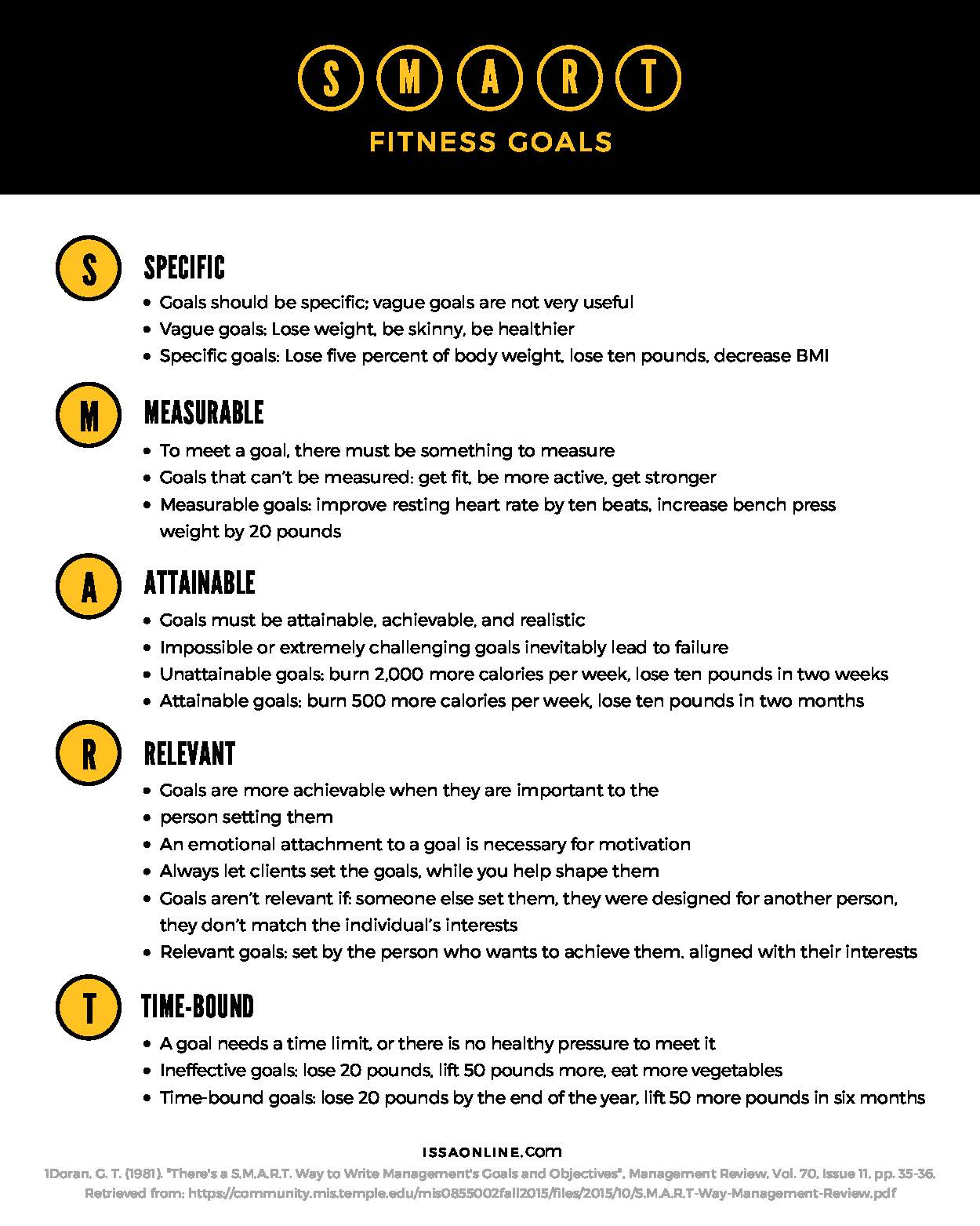
Credit: www.issaonline.com
Nutritional Goals
Setting nutritional goals supports fitness goals for beginners. Focus on balanced meals to fuel workouts. Aim for consistent hydration and portion control to boost energy and recovery.
Setting nutritional goals is a cornerstone for anyone embarking on a fitness journey, especially beginners. Nutrition impacts your energy levels, recovery, and overall health. A solid nutritional plan can make the difference between spinning your wheels and truly progressing towards your fitness objectives. Let’s dive into specific nutritional goals to kickstart your path to a healthier you.Balanced Diet Planning
Crafting a balanced diet is about ensuring you get the right mix of nutrients. Think about including a variety of foods that provide essential vitamins and minerals. Are you getting enough fruits and vegetables each day? They’re packed with nutrients and can be a game changer in your diet. Consider this: when I started my fitness journey, I noticed my energy levels skyrocketed after I added more leafy greens and colorful veggies to my meals. You might discover the same boost! Aim for a plate filled with vibrant colors and diverse textures. A simple way to maintain balance is by creating a meal plan. Make a weekly menu that includes protein, carbohydrates, and healthy fats. Use a table to track what you eat, helping you visualize your diet and make necessary adjustments.Hydration Importance
Hydration is often overlooked but it’s crucial for achieving your fitness goals. Water supports every function in your body, from digestion to muscle repair. Are you drinking enough water to keep your body running smoothly? When I realized the importance of hydration, I started carrying a water bottle everywhere. It was a game changer! Suddenly, my workouts felt less taxing and my recovery was smoother. You might find the same results. Consider setting a daily water intake goal. How about starting with eight glasses a day? Gradually increase as you get used to it. Place reminders around your home or use a water tracking app to keep you motivated. Hydration is more than just drinking water. Think about incorporating foods with high water content like cucumbers and watermelon into your diet. These choices can make staying hydrated easier and more enjoyable. As you set your nutritional goals, remember to personalize them based on your lifestyle and preferences. What works for someone else might not work for you. Are you ready to make changes that can transform your fitness journey?Tracking Progress
Setting fitness goals is a fantastic first step towards achieving a healthier lifestyle. However, the real magic happens when you start tracking your progress. Monitoring your journey not only keeps you motivated but also helps you understand what works for you. Imagine the satisfaction of seeing tangible improvements in your strength or endurance. Are you making the most of the tools available to keep track of your fitness milestones?
Using Fitness Apps
Fitness apps are your pocket-sized personal trainers. They offer a convenient way to log workouts, monitor your daily steps, and even track your calorie intake. Many apps provide detailed analytics, showcasing your progress over weeks and months. This can be a game changer for motivation.
Think of it like having a fitness buddy who never leaves your side. You can set reminders for workouts, get suggestions for new exercises, and even connect with a community of fellow fitness enthusiasts. Have you tried using any apps that sync with your smartwatch?
With options like MyFitnessPal or Fitbit, you’re not just guessing your progress. You’re seeing the numbers and graphs that prove your commitment and growth. A friend once told me she was shocked at how quickly her step count increased after she started using an app. That visual proof can be incredibly rewarding.
Keeping A Workout Journal
If you prefer a more tactile approach, a workout journal might be your best ally. Writing down your workouts can be surprisingly satisfying. It allows you to reflect on each session and adjust your goals as needed.
A journal doesn’t just record your physical activity. It can also capture your mood, energy levels, and any challenges you face. This broader picture helps you identify patterns and make informed decisions about your fitness journey. Do you notice that you’re more tired after a certain workout?
Imagine flipping through your journal and seeing how far you’ve come. A friend of mine was amazed to find she had doubled her squat weight in just a few months. Having that documented proof is a powerful motivation booster. Why not start jotting down your workouts today?
Tracking progress isn’t just about numbers and stats. It’s about celebrating your journey and the small victories along the way. Are you ready to embrace the tools that can help you stay committed and inspired on your path to better health?
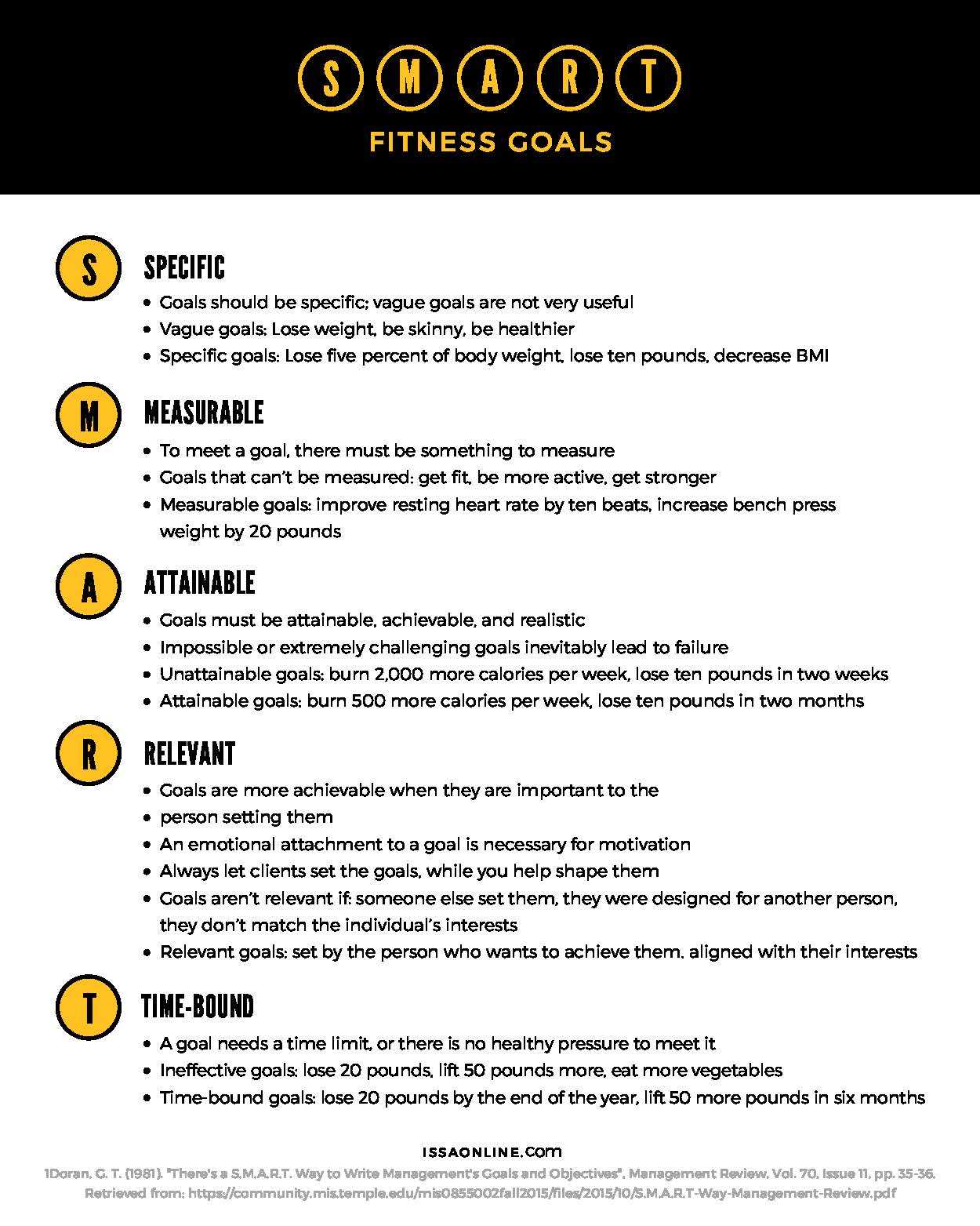
Credit: www.issaonline.com
Motivation Strategies
Starting a fitness journey requires strong motivation. Many beginners struggle to stay committed. Motivation strategies can help you stay on track. These techniques transform your fitness experience into an enjoyable routine.
Finding A Workout Buddy
Having a workout buddy can boost your motivation. A partner keeps you accountable. You both can encourage each other. It’s harder to skip a workout when someone is waiting. You can share fitness tips and celebrate each other’s progress.
Social interactions make workouts fun. You can try new exercises together. This builds a sense of camaraderie. It can lead to lasting friendships.
Reward Systems
Reward systems are effective motivation tools. Set small, achievable goals. Once you reach them, treat yourself. Rewards can be simple. A new workout gear or a relaxing spa day. It creates a positive association with exercise.
Rewards should be non-food related. Keep them aligned with your fitness journey. This encourages healthy habits. It boosts your morale and keeps you eager for progress.
Overcoming Common Barriers
Starting a fitness journey can be daunting. Beginners often face barriers like lack of time and motivation. Setting small, achievable goals helps in building confidence and maintaining consistency.
Setting fitness goals can be a thrilling journey, but it often comes with its fair share of obstacles. As a beginner, you might encounter challenges that can derail your progress. Let’s tackle these common barriers head-on so you can keep pushing towards your fitness aspirations.Time Management Tips
One of the biggest hurdles beginners face is finding time for workouts. You might feel overwhelmed by a busy schedule. Start by identifying pockets of free time in your day. Could you wake up 30 minutes earlier for a quick jog? Or perhaps squeeze in a workout during lunch breaks? Use a planner or a digital calendar to schedule your workouts like you would any important meeting. Consistency is key, so treat your fitness time as non-negotiable. Remember, even short bursts of activity can make a difference. A brisk 10-minute walk is better than no exercise at all.Dealing With Plateaus
Hitting a plateau can be frustrating. Your progress stalls and motivation wanes. When this happens, it’s time to shake things up. Try altering your workout routine to challenge different muscle groups. You could also increase the intensity or duration of your workouts. Consider setting a new, specific goal to reignite your drive. For example, aim to run an extra kilometer by the end of the month. Reflect on your nutrition and rest habits as well. Are you fueling your body adequately? And are you allowing enough time for recovery? Small tweaks in these areas can help break through the plateau. How do you plan to push past these barriers and achieve your fitness goals? Each challenge is an opportunity to learn and grow. Embrace the journey and celebrate every small victory along the way.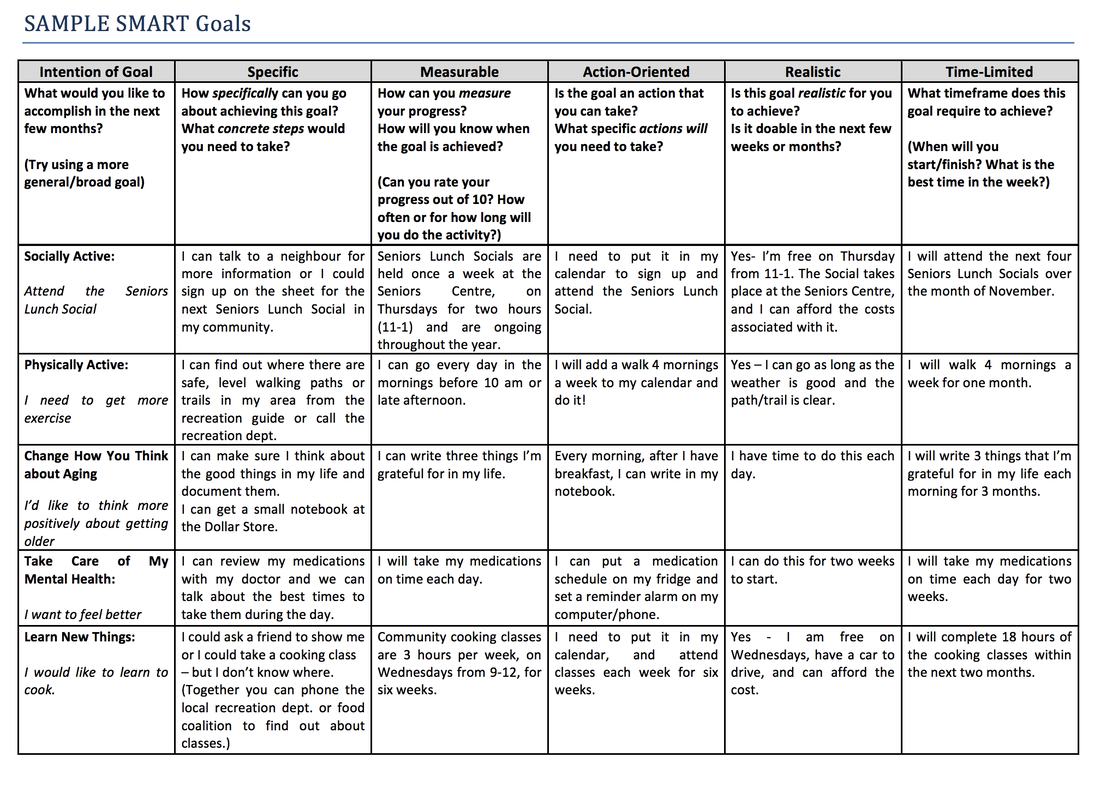
Credit: jamesfranco12.weebly.com
Frequently Asked Questions
What Are Realistic Strength Goals For Beginners?
Beginners should aim for squatting their body weight, bench pressing 75% of their body weight, and deadlifting 1. 5 times their body weight. Consistency and proper form are crucial for progress. These goals provide a solid foundation for building strength and confidence in the gym.
What Is The Most Common Fitness Goal?
The most common fitness goal is weight loss. People aim to shed extra pounds for better health. Achieving a toned physique and improving strength are also popular goals. Many focus on enhancing endurance and flexibility for overall wellness.
What Are The Three Main Goals Of Fitness?
The three main goals of fitness are improving cardiovascular health, enhancing strength and flexibility, and maintaining a healthy weight. Achieving these goals boosts overall well-being and energy levels. Regular exercise and balanced nutrition are essential for reaching these fitness objectives.
What Are The Fitness Goals For A Week?
Set weekly fitness goals like exercising five times, eating balanced meals, staying hydrated, improving strength, and enhancing endurance. Aim for at least 150 minutes of moderate aerobic activity. Include diverse exercises such as cardio, strength training, and flexibility workouts to maintain motivation and achieve balanced health.
Conclusion
Setting clear fitness goals is crucial for beginners. These goals guide your journey. They keep you motivated and focused. Start small with achievable targets. Gradually increase your challenges. Celebrate each milestone you reach. This builds confidence and encourages progress. Remember, consistency is key.
Regular exercise brings results over time. Stay patient and committed. Adjust your goals as you grow stronger. Listen to your body and rest when needed. Fitness is a lifelong journey, not a sprint. Enjoy the process and embrace the change.
You’ve got this!