Foldable racks save floor space; wall-mounted racks offer extra rigidity and stability.
You want a strong home gym without losing your room. This guide breaks down Foldable squat rack vs wall-mounted rack with clear facts and real use tips. I’ve installed both for clients and in my own garage. If you want the best choice for your training, your space, and your budget, keep reading. You will walk away knowing exactly what to buy.
What sets each rack apart
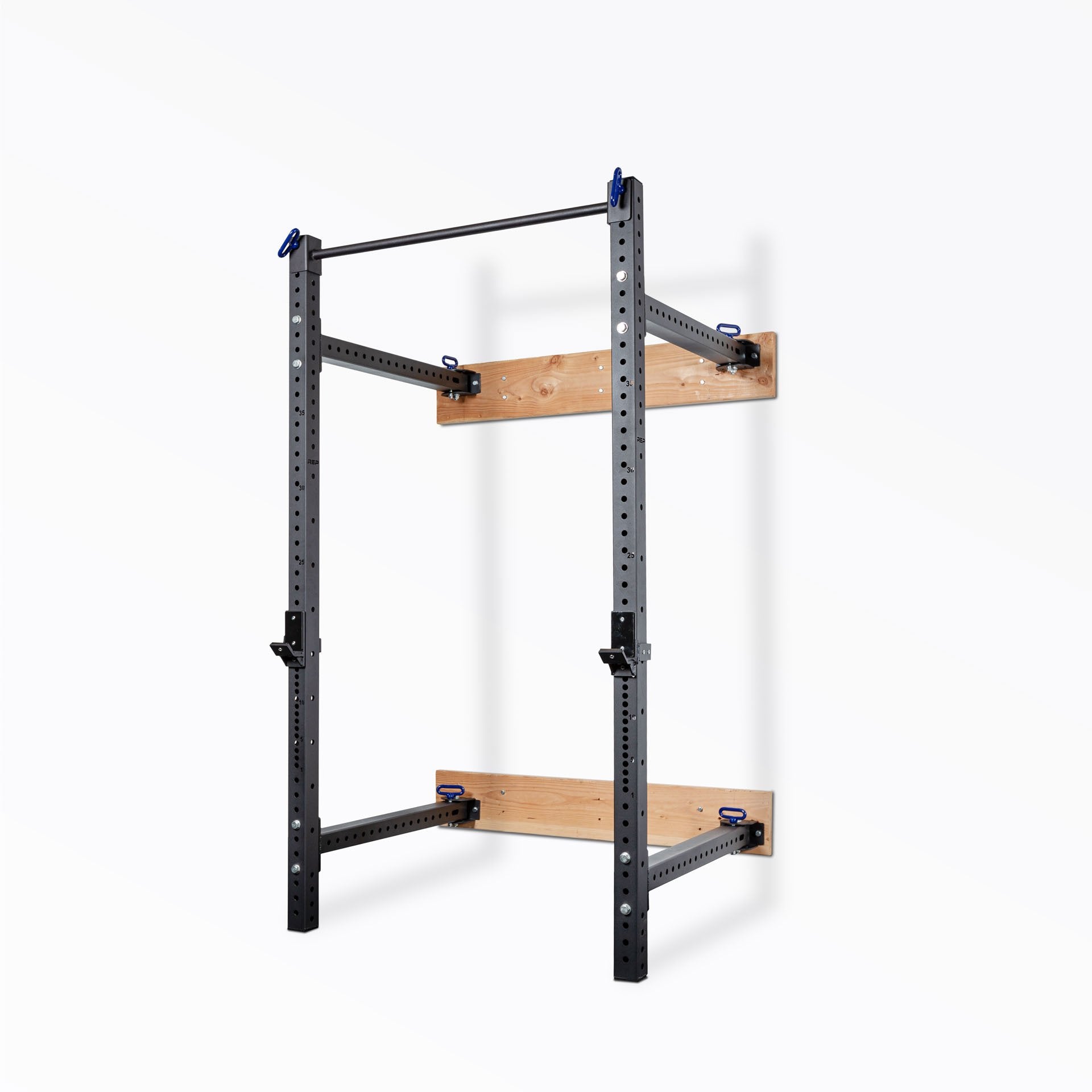
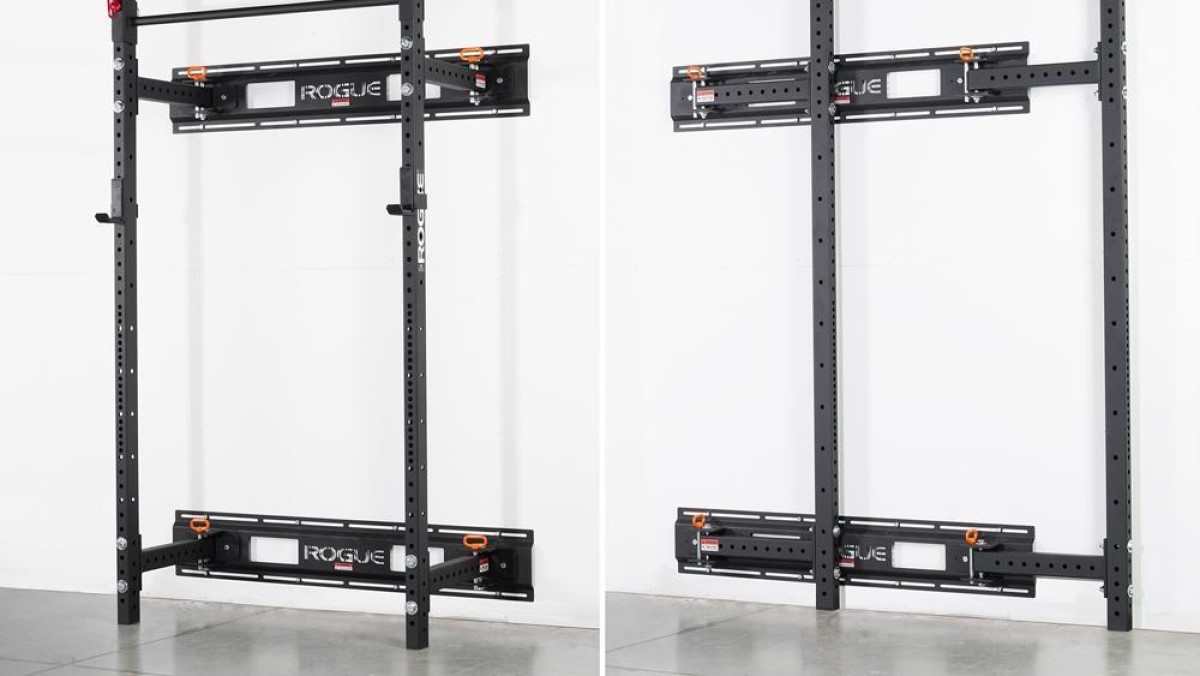
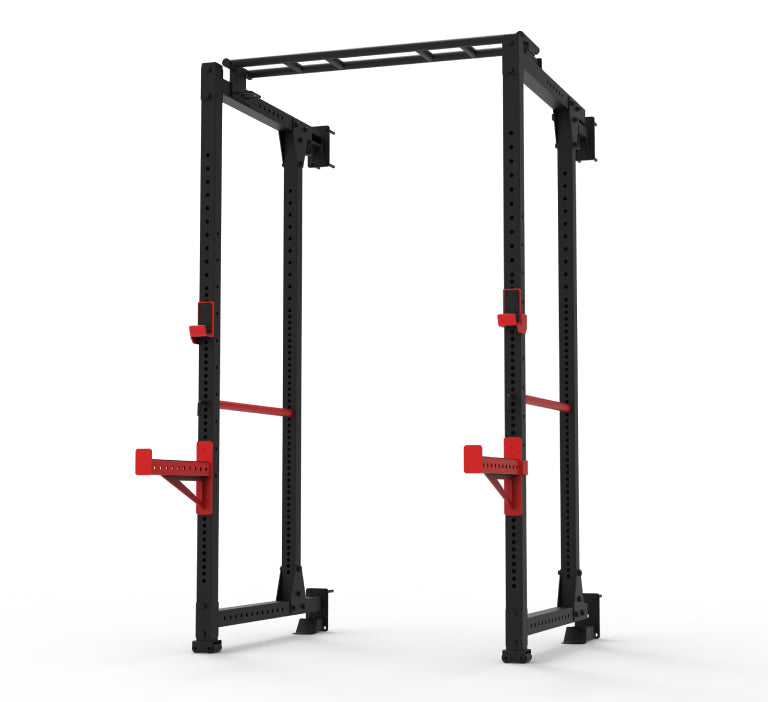
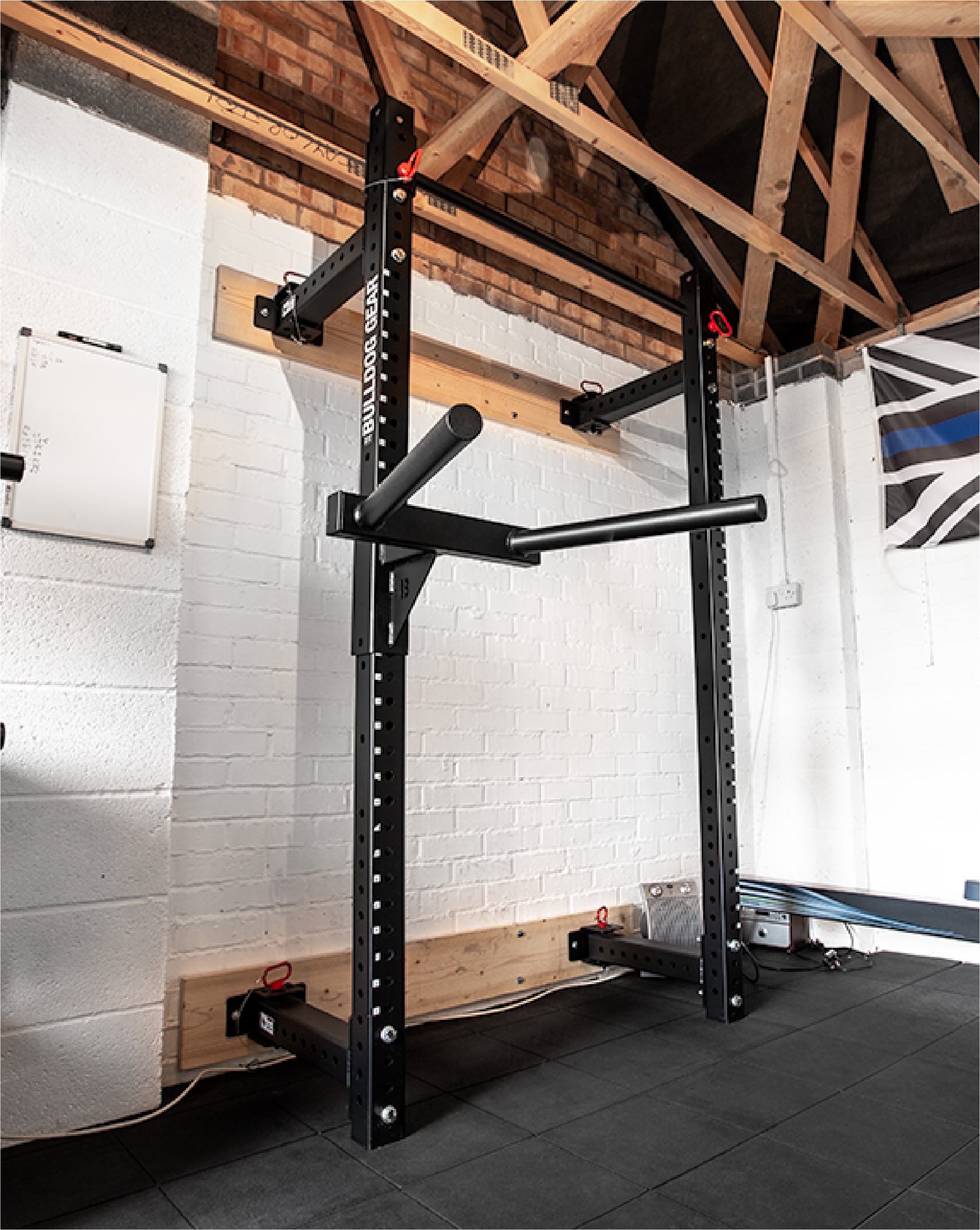
A foldable squat rack mounts to the wall, swings out for training, and folds flat when done. It is a space saver. It shines in tight rooms and shared garages.
A wall-mounted rack also fixes to the wall, but it may not fold. It trades some space gains for a firmer feel. Many lifters prefer the stiff feel under heavy loads.
Both can be strong and safe. The right choice comes down to your room, your goals, and your anchor points. That is the core of Foldable squat rack vs wall-mounted rack.

Pros and cons of foldable squat racks
Foldable racks are great for small homes. They open fast and tuck away in minutes. They look clean and calm next to cars or laundry gear.
Pros:
- Saves floor space when folded
- Easy to reclaim a room after a workout
- Good for renters if you can anchor to studs
Cons:
- More moving joints to check and tighten
- Slight flex under dynamic loads
- Setup adds a step before each lift
These trade-offs matter in the Foldable squat rack vs wall-mounted rack choice, especially for busy homes and garage gyms.

Pros and cons of wall-mounted racks
Wall-mounted racks stay open and ready. They feel solid, like a gym unit. If you lift heavy and hate wobble, this style can help.
Pros:
- Extra rigid feel under the bar
- Fewer moving parts to maintain
- Often easier to add heavy add-ons
Cons:
- Takes floor space all the time
- Harder in shared rooms
- Can be tough for renters or thin walls
In many tests, wall units edge out foldable units in stability. But they lose in space wins, which is key in Foldable squat rack vs wall-mounted rack.
Space, ceiling, and wall needs
Most homes have 8 to 9 foot ceilings. Many racks need 7 to 8 feet clear, plus room to rack a bar. Folding arms also need swing room.
Key checks:
- Studs at 16 inches on center are common
- Masonry needs anchors that match the wall
- Clear floor area of 6 by 8 feet for safe lifting
If your car must fit in the garage, space rules your choice. That is why space is the top factor in Foldable squat rack vs wall-mounted rack. Plan the fold path. Plan where the bar and plates will live.
Stability and safety compared
Stability comes from three things: the frame, the anchors, and the floor. Strong steel and tight bolts help both rack types. But anchors and floor matter most.
What I see in practice:
- Wall-mounted racks feel stiffer in heavy squats and rack pulls
- Foldable racks can match if anchored well and used with safeties
- Good anchors and stall mats cut sway and noise
If you chase PRs often, lean to the firmer feel. That said, solid installs make both safe. Always follow torque specs and use rated anchors. Safety is a core thread in Foldable squat rack vs wall-mounted rack.

Install, setup, and portability
Foldable units have hinges and pins. Install takes care and exact level marks. You must hit studs or solid brick. You also need room to swing.
Wall-mounted units can be simpler. You still need studs, a level, and lag screws. But once set, setup is done for good.
Tips from installs I’ve done:
- Use a stud finder and pilot holes
- Choose 3/8 inch lag screws rated for shear
- Check hinge pins and lock pins each month
If you move often, the foldable style packs down well. That can tip the scale in Foldable squat rack vs wall-mounted rack for renters and students.

Training goals and use cases
Match the rack to your plan. Think about bar path, spotter needs, and add-ons.
Great fits for foldable racks:
- Hypertrophy with moderate loads
- WODs with quick resets and small space
- Shared rooms where gear must hide
Great fits for wall-mounted racks:
- Powerlifting with heavy singles
- Strongman add-ons and heavy safeties
- Frequent benching with tight depth settings
Your goals shape the winner in Foldable squat rack vs wall-mounted rack. Your room sets the limits.
Budget, value, and long-term costs
Foldable racks can cost more due to hinges and beefy arms. Wall units often cost less for the same steel. But add-ons and plates will dwarf rack cost over time.
What to weigh:
- Price of the rack and the install hardware
- Value of your floor space in daily life
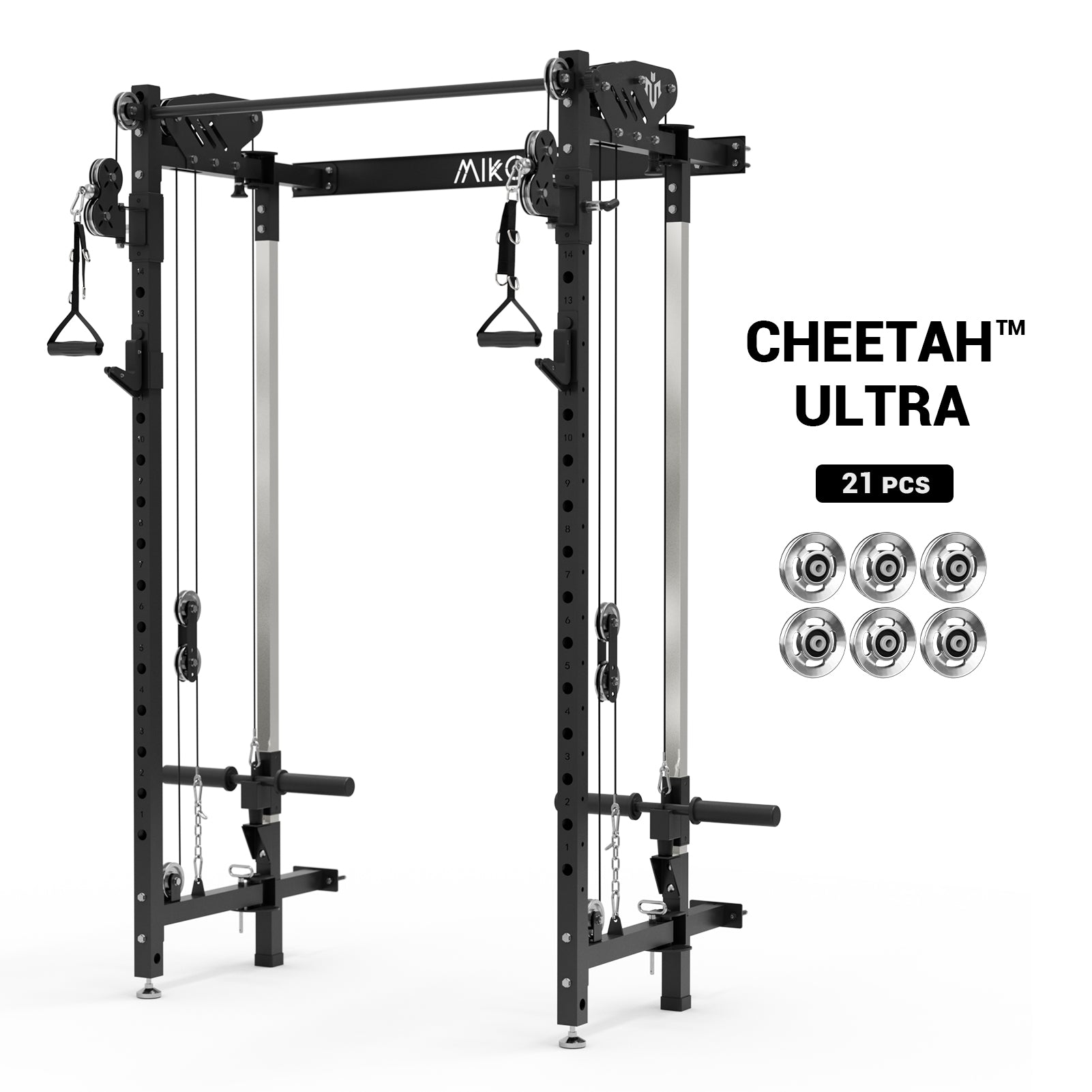
- Future upgrades like monolift arms or cable kits
The best value is the one you can use often without stress. This is the hidden edge in Foldable squat rack vs wall-mounted rack.
Noise, neighbors, and home factors
Metal on metal makes noise. So do drops and re-racks. You can cut noise with small fixes.
Simple wins:
- Use rubber stall mats at least 3/4 inch thick
- Nylon-lined J-cups and safeties
- Barbell pads for tempo work
Foldable racks can add a light clack at hinges if loose. Wall-mounted racks send sound into studs if not damped. Plan for sound as part of Foldable squat rack vs wall-mounted rack.
Real-world notes from the gym floor
In my garage, I used a foldable rack for two years. It saved space and kept my family happy. I folded it in 30 seconds, then parked the car.
In a client’s basement, a wall-mounted rack won. The floor was uneven. The wall was concrete. The unit felt like a tank. Heavy bench days were smooth.
These cases show how room and goals steer Foldable squat rack vs wall-mounted rack. There is no single winner. There is a right fit for you.
Quick checklist to choose
Use this list to make a fast call.
Space and layout:
- Measure ceiling height and the fold swing
- Map studs and clear floor zone
- Note door, car, and storage paths
Training needs:
- Heavy singles or volume work
- Need for safeties and add-ons
- Time to set up before each lift
Home life:
- Noise rules and neighbors
- Rent or own, and move plans
- Budget now and later upgrades
If most boxes say space is king, pick foldable. If lift feel and speed are key, pick wall-mounted. This is the heart of Foldable squat rack vs wall-mounted rack.
Upgrades, care, and maintenance
Small upgrades help both rack types last and feel better.
Smart add-ons:
- Sandwich J-cups to protect knurl
- Pin-pipe or strap safeties for fails
- Spotter arms if benching solo
- Landmine for rows and presses
Care tips:
- Check bolts and hinge pins monthly
- Wipe chalk and sweat after lifts
- Touch up chips to block rust
Both racks can grow with you. With care, they serve for years. This adds more value in the Foldable squat rack vs wall-mounted rack decision.
Mistakes to avoid
Avoid common traps that hurt safety and fun.
Watch-outs:
- Mounting into drywall only
- Skipping a level during install
- Forgetting floor slope and bar clearance
- Ignoring torque specs on lag screws
Fix these early and your rack will feel solid. Clean installs lead to safe lifts. This is key in any Foldable squat rack vs wall-mounted rack setup.
Frequently Asked Questions of Foldable squat rack vs wall-mounted rack
Which rack is safer for heavy lifting?
Both are safe when installed right and used with safeties. Wall-mounted racks often feel stiffer under max loads, which many lifters like.
Can renters install these racks?
Yes, if you have landlord approval and proper studs. Use non-destructive methods where you can and patch holes on move-out.
Do foldable racks wobble more?
They can flex a bit due to hinges, but good anchors reduce it. Quality brands and correct install make a big difference.
What ceiling height do I need?
Aim for at least 8 feet for most lifts and pull-ups. Taller users or overhead presses may need more headroom.
How much weight can these racks handle?
Many are rated from 700 to 1,000+ pounds. Always check the maker’s rating and use proper anchors.
Conclusion
Choose the rack that fits your life, not just your max. If space is tight and you share the room, a foldable unit keeps peace at home. If you want a rock-solid feel and fast start times, a wall-mounted rack shines.
Measure your space, list your goals, and pick the setup you will use four days a week. That is the real win. Ready to build your home gym? Share your layout and goals, and I’ll help you pick the perfect rack.