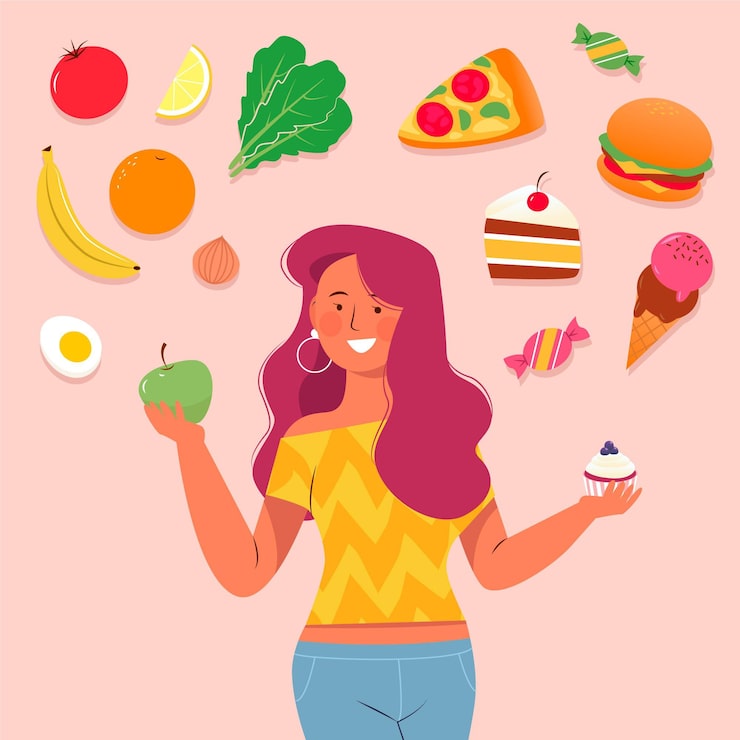
Have you ever stopped to think about how the food you eat affects you—not just your body, but your mind and mood too? Understanding the connection between food and humans can change the way you approach every meal.
What if the right choices could boost your energy, sharpen your focus, and even improve your happiness? This article will reveal simple yet powerful insights about food that you can start using right now. Keep reading to discover how what’s on your plate plays a bigger role in your life than you ever imagined.

Credit: www.dreamstime.com
The Basics Of Nutrition
Nutrition is the foundation of good health. It involves consuming the right foods to fuel the body and keep it working well. Understanding the basics helps you make better food choices every day. This section explains key nutrition concepts.
Macronutrients And Their Roles
Macronutrients provide energy and support body functions. They include carbohydrates, proteins, and fats.
- Carbohydrates:Main energy source. Found in bread, rice, and fruits.
- Proteins:Build and repair tissues. Present in meat, beans, and nuts.
- Fats:Store energy and protect organs. Found in oils, butter, and fish.
Each macronutrient has a unique role. Balancing them ensures steady energy and body repair.
Micronutrients Essential For Health
Micronutrients are vitamins and minerals needed in small amounts. They support immune health, bone strength, and more.
- Vitamins:Help with energy use and cell repair. Examples include vitamin C and vitamin D.
- Minerals:Important for bones, teeth, and muscle function. Examples are calcium, iron, and zinc.
Eating a variety of foods helps get enough micronutrients for daily needs.
Building Balanced Meals
Building balanced meals supports good health and steady energy. It means choosing foods that work well together. Each meal should have the right mix of nutrients. This helps the body grow, repair, and stay strong. A balanced meal is simple to prepare and enjoyable to eat.
Portion Control Tips
Portion control helps avoid eating too much or too little. Use smaller plates to make portions look bigger. Fill half your plate with vegetables or salad. One quarter should be protein like meat, beans, or tofu. The last quarter is for grains such as rice or bread.
- Eat slowly and stop when full.
- Measure servings with cups or scales.
- Avoid eating straight from packages.
- Drink water before meals to curb hunger.
Incorporating A Variety Of Foods
Different foods provide different nutrients. Eating a mix keeps meals interesting and healthy. Include colorful fruits and vegetables for vitamins. Add proteins like fish, eggs, or nuts to build muscle. Whole grains give energy and fiber. Dairy or dairy alternatives supply calcium for strong bones.
- Try new vegetables each week.
- Mix plant and animal protein sources.
- Choose whole grains over refined ones.
- Include healthy fats like olive oil or avocado.
The Impact Of Diet On Mental Health
Diet plays a vital role in mental health. What we eat affects our brain function and mood. Good nutrition supports brain chemicals that regulate emotions. Poor diet can increase the risk of anxiety and depression.
Eating balanced meals helps maintain energy and focus. Food impacts brain structure and its ability to handle stress. Making healthy food choices can improve overall mental well-being.
Foods That Boost Mood
- Fatty fish like salmon and mackerel contain omega-3s
- Dark chocolate can increase serotonin and reduce stress
- Berries provide antioxidants that protect brain cells
- Nuts and seeds offer healthy fats and magnesium
- Leafy greens are rich in folate, which supports mood
- Yogurt and fermented foods promote gut health linked to the brain
Nutrients Linked To Brain Health
| Nutrient | Role in Brain Health | Food Sources |
|---|---|---|
| Omega-3 Fatty Acids | Support brain cell communication and reduce inflammation | Salmon, walnuts, flaxseeds |
| B Vitamins (B6, B12, Folate) | Help produce brain chemicals that regulate mood | Leafy greens, eggs, meat |
| Vitamin D | Protects neurons and supports cognitive function | Fatty fish, fortified milk, sunlight |
| Magnesium | Reduces anxiety and supports nerve function | Nuts, seeds, whole grains |
| Antioxidants | Protect brain cells from damage | Berries, dark chocolate, green tea |
Decoding Food Labels
Food labels are more than just a list on the back of a package—they are your first line of defense in making healthier choices. Understanding what’s really inside your food can change how you shop, cook, and eat every day. Let’s break down how to read these labels so you can gain control over what goes into your body.
Understanding Ingredients
Ingredients are listed in order of quantity, starting with the most abundant. If you see sugar or salt near the top, it means the product contains a lot of it, even if the front label claims “low sugar” or “heart healthy.”
Look out for unfamiliar words that might confuse you. Ingredients like maltodextrin or sodium nitrate often hide in processed foods but can affect your health in ways you might not expect.
Think about the last time you checked a label. Did you notice how many additives and preservatives were in your snack? Knowing this helps you avoid unnecessary chemicals and choose cleaner options.
Identifying Hidden Sugars
Sugar comes in many forms, and not all of them are called “sugar” on the label. Words like dextrose, fructose, corn syrup, and cane juice concentrate are all types of sugar that add calories without nutrients.
Pay close attention to the “Total Carbohydrates” and “Sugars” sections on the Nutrition Facts panel. Sometimes, the total sugars include both natural and added sugars, making it tricky to know how much sugar has been added.
- Check the ingredients list for any type of sugar listed early.
- Be cautious with products labeled “no added sugar” but containing fruit concentrates, which are still sugars.
- Remember, even “healthy” foods like yogurt or granola bars can have surprising amounts of hidden sugars.
Have you ever been shocked by the sugar content in something you considered healthy? Next time you shop, take a moment to decode the sugars. It’s a small habit that can make a big difference in your diet and energy levels.
Healthy Eating On A Budget
Eating healthy doesn’t have to drain your wallet. You can enjoy nutritious meals without spending a fortune. It just takes some smart choices and planning.
Affordable Nutritious Foods
Look for foods that give you the most nutrients for your money. Beans, lentils, and frozen vegetables are packed with vitamins and cost less than fresh or processed options.
Whole grains like brown rice and oats fuel your body and stay fresh longer, reducing waste. Don’t overlook seasonal fruits and veggies—they often come at lower prices and taste better.
- Buy in bulk for staples like rice, beans, and nuts.
- Choose store brands—they usually cost less and have similar quality.
- Visit local farmers’ markets near closing time for discounts.
Have you checked the unit price on the label? Sometimes larger packages aren’t cheaper per serving. Keep an eye on that to get the best deal.
Meal Planning And Preparation Tips
Planning your meals can save time and money. Decide what you’ll eat for the week, then shop with a list to avoid impulse buys.
Batch cooking is a game-changer. Prepare large portions and freeze leftovers for busy days. This prevents ordering takeout and cuts down food waste.
Try to cook simple recipes with few ingredients. It’s easier on the budget and your schedule.
| Tip | Benefit |
|---|---|
| Use slow cookers or pressure cookers | Save energy and create tender, flavorful meals with minimal effort |
| Prep ingredients in advance (chop veggies, portion snacks) | Make cooking faster and reduce the temptation of unhealthy snacks |
| Repurpose leftovers into new meals | Stretch your food budget and keep meals interesting |
What small changes can you make this week to eat healthier and spend less? Sometimes, tweaking your routine just a little can lead to big savings and better health.
The Role Of Hydration
Hydration plays a crucial role in how your body functions daily. Every cell, tissue, and organ depends on water to work properly. Without enough water, your body’s systems can slow down, leaving you feeling tired and less focused.
Daily Water Intake Recommendations
How much water should you drink each day? It varies based on age, activity level, and climate, but a good starting point is about 2 to 3 liters (8 to 12 cups) daily.
- Men generally need around 3 liters (13 cups).
- Women usually require about 2.2 liters (9 cups).
- Active individuals or those in hot climates may need more.
Keep in mind, foods like fruits and vegetables add to your hydration too. Have you noticed how eating watermelon or cucumber feels refreshing? That’s water working its magic.
Hydration And Energy Levels
Feeling sluggish in the afternoon? Your hydration might be the culprit. Even mild dehydration can cause tiredness and reduce your concentration.
When you don’t drink enough water, your blood thickens, making your heart work harder. This can drain your energy quickly. I used to underestimate this until I started carrying a water bottle everywhere—my focus and stamina improved noticeably.
Try drinking a glass of water before you reach for that coffee or snack. How does your energy change? You might find hydration is the natural boost your body needs.
Mindful Eating Practices
Mindful eating practices can transform your relationship with food. They help you tune into your body’s true needs instead of eating out of habit or distraction. This awareness leads to better digestion, satisfaction, and overall well-being.
Recognizing Hunger Cues
Do you often eat without really feeling hungry? Learning to recognize your body’s hunger cues can stop unnecessary snacking and overeating.
Hunger comes in waves, starting with mild signs like a growling stomach or slight irritability. Before reaching for food, pause and ask yourself: Am I truly hungry or just bored?
Try rating your hunger on a scale from 1 to 10. Eat when you feel around a 3 or 4, and stop at 7. This simple technique keeps you in touch with your body’s signals.
Avoiding Emotional Eating
Emotions often drive us to eat, even when we’re not hungry. Stress, sadness, or boredom can trigger cravings for comfort foods.
Next time you feel the urge to snack, check in with your emotions. Are you reaching for food to soothe feelings instead of hunger?
Instead of eating, consider other ways to cope like:
- Taking a short walk
- Journaling your thoughts
- Practicing deep breathing
By breaking the cycle, you gain control over your eating habits and improve your emotional health.

Credit: www.freepik.com
Overcoming Common Eating Challenges
Facing challenges around eating is something almost everyone experiences. Whether it’s battling cravings or navigating menus when eating out, these moments can test your commitment to healthy choices. The key is to find realistic ways to handle these situations without feeling deprived or overwhelmed.
Dealing With Cravings
Cravings often hit when you least expect them, and ignoring them can make them stronger. Instead of fighting your craving, try to understand what your body really needs. Sometimes, a craving for chocolate may actually signal a need for magnesium, or a desire for salty snacks could indicate dehydration.
Keep healthy snacks within reach to satisfy cravings without guilt. Nuts, fresh fruit, or yogurt can be quick go-tos that prevent you from grabbing something less nutritious. Also, drinking a glass of water before eating can help you distinguish between hunger and thirst.
Ask yourself: Is this craving about hunger, boredom, or stress? Recognizing the cause can help you respond better. Next time a craving hits, take a moment to pause and decide if you really want to eat or if there’s another way to address your feelings.
Strategies For Dining Out
Dining out can feel like a minefield for anyone trying to eat well. Menus often highlight rich, calorie-dense options that look tempting. But you can still enjoy your meal without undoing your progress.
- Check menus online:Look up the restaurant’s menu ahead of time and decide what fits your goals.
- Ask for modifications:Don’t hesitate to request grilled instead of fried, or sauces on the side.
- Control portions:Consider sharing a dish or asking for a to-go box right away to save leftovers.
Remember, eating out is about experience, not just food. Engaging in conversation and savoring each bite can make the meal more satisfying. What small changes can you make next time you eat out to stay on track?

Credit: www.dreamstime.com
Frequently Asked Questions
What Is The Connection Between Food And Human Health?
Food provides essential nutrients that impact human health, growth, and immunity. Balanced diets prevent diseases and promote well-being.
How Does Human Digestion Process Food?
Human digestion breaks down food into nutrients through mechanical and chemical processes. Nutrients absorb in the intestines for energy and repair.
Why Is Food Variety Important For Humans?
Food variety ensures intake of all essential nutrients. It prevents deficiencies and supports overall physical and mental health.
How Does Food Affect Human Brain Function?
Nutrients like omega-3 and antioxidants improve brain health. Proper nutrition enhances memory, concentration, and mood regulation.
Conclusion
Food connects us all. It fuels our bodies and minds every day. Choosing healthy options helps us feel better and stay strong. Sharing meals brings joy and builds bonds with others. Remember, simple changes can make a big difference. Enjoying diverse foods can expand your taste and culture.
Keep exploring and appreciating what food offers. Life tastes better with good food and good company.