Imagine having tasty, nutritious meat that lasts for years without spoiling. Freeze dried meat for humans offers exactly that—a convenient way to enjoy real meat anytime, anywhere.
Whether you’re planning for emergencies, looking for easy meal options, or want to add variety to your outdoor adventures, this could be a game-changer for your food storage. Keep reading to discover why freeze dried meat might just become your new favorite pantry staple.
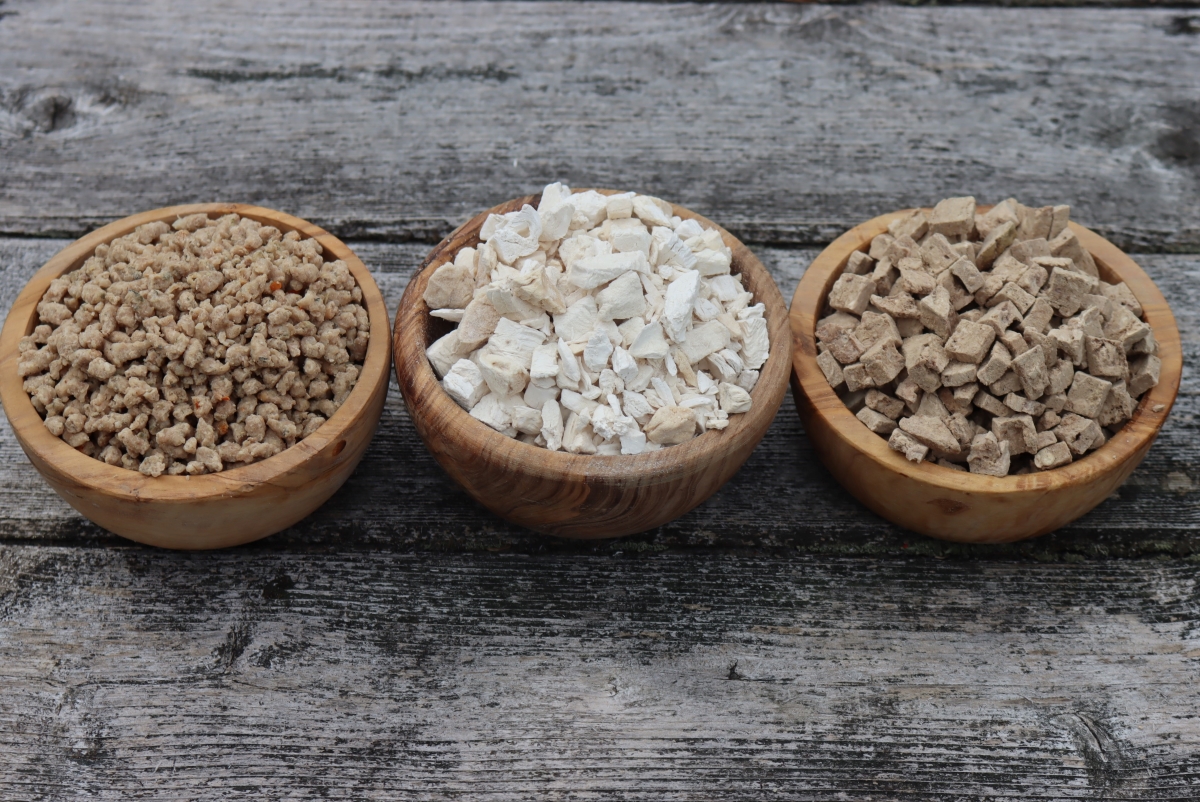
Credit: practicalselfreliance.com
What Is Freeze Drying?
Freeze drying is a special way to preserve meat for humans. It removes moisture from the meat while keeping its shape and flavor. This process helps keep the meat safe and fresh for a long time.
Freeze drying uses cold temperatures and low pressure to remove water. This stops bacteria and mold from growing. The meat becomes lightweight and easy to store.
How Freeze Drying Works
First, the meat is frozen solid. Then, it is placed in a vacuum chamber. The pressure drops, and ice turns directly into vapor. This skips the liquid phase, keeping the meat’s texture intact.
Benefits Of Freeze Drying Meat
- Long shelf life without preservatives
- Lightweight and easy to carry
- Retains flavor and nutrients
- Quick to rehydrate and use
Freeze Dried Meat Vs. Other Preservation Methods
| Method | Moisture Removal | Storage Life | Flavor Retention |
|---|---|---|---|
| Freeze Drying | Almost complete | Years | High |
| Dehydration | Partial | Months | Moderate |
| Canning | None | Years | Variable |
Benefits Of Freeze Dried Meat
Freeze dried meat offers a range of benefits that make it an excellent choice for anyone looking to store protein for the long term or enjoy meals on the go. Its unique preservation process locks in essential qualities while making the meat lightweight and easy to handle. Understanding these benefits can help you decide if freeze dried meat fits your lifestyle and dietary needs.
Nutritional Advantages
Freeze drying preserves most of the meat’s original nutrients, including protein, vitamins, and minerals. Unlike some preservation methods, it doesn’t require high heat, which means fewer nutrients break down during processing.
You still get the full protein punch that your body needs for energy and muscle repair. Have you noticed how some preserved meats lose flavor and nutrients? Freeze drying avoids that, keeping the meat close to its fresh state.
Long Shelf Life
One of the biggest benefits is how long freeze dried meat lasts. It can stay safe and edible for 25 years or more if stored properly, which makes it ideal for emergency kits and long-term food storage.
This shelf life far exceeds what you get with frozen or refrigerated meat. Imagine not having to worry about spoilage or freezer burn for decades. That’s peace of mind you can count on.
Convenience And Portability
Freeze dried meat is incredibly light and easy to carry, making it perfect for hiking, camping, or traveling. Because all the water is removed, it weighs just a fraction of fresh meat.
Rehydrating it only takes a few minutes with hot water, so you can enjoy a hearty meal wherever you are. Have you ever struggled with bulky food while on the move? This solves that problem effortlessly.
Types Of Freeze Dried Meat
Freeze dried meat offers a variety of options for different tastes and recipes. The freeze drying process preserves the meat’s flavor and nutrients. It also makes the meat lightweight and easy to store. There are many types of freeze dried meat available, each with unique qualities. This section explores popular categories of freeze dried meat for humans.
Beef Varieties
Beef is a common choice for freeze drying. Popular options include:
- Ground beef – easy to rehydrate and use in many dishes
- Steak strips – great for snacks or adding to meals
- Roast beef – tender cuts preserved for long-term use
These varieties keep their rich flavor after freeze drying. They are ideal for camping, emergency kits, and quick meals.
Chicken Options
Chicken is lean and versatile. Freeze dried chicken types include:
- Shredded chicken – perfect for soups and salads
- Chicken breast pieces – lean protein for various recipes
- Chicken chunks – easy to add to pasta or rice dishes
Chicken freeze dried meat stays tender and flavorful. It suits many diets and cooking styles.
Pork Choices
Pork is another popular freeze dried meat. Common forms are:
- Pork loin slices – lean and tender cuts
- Pulled pork – flavorful and ready to rehydrate
- Bacon bits – crispy flavor for snacks and meals
Freeze dried pork retains its savory taste. It works well in a variety of dishes.
Exotic Meats
Exotic meats offer unique flavors and nutrients. Examples include:
- Bison – lean and rich in protein
- Venison – game meat with a bold taste
- Kangaroo – low fat and high in iron
These meats are less common but popular among adventurous eaters. Freeze drying preserves their distinct textures and flavors.
Nutritional Profile
Understanding the nutritional profile of freeze dried meat is key to deciding if it fits your diet and lifestyle. This preservation method locks in much of the original nutrients, making it a convenient and healthy option. Let’s break down what you get in terms of protein, vitamins, minerals, fats, and calories.
Protein Content
Freeze dried meat retains a high concentration of protein, essential for muscle repair and energy. Typically, you get around 20-30 grams of protein per 100 grams of freeze dried meat, depending on the type of meat used. This makes it a powerful source for those needing a quick protein boost during outdoor activities or busy days.
Have you ever noticed how your energy levels improve with a protein-rich snack? Freeze dried meat can be that easy, portable fuel.
Vitamins And Minerals
Freeze drying preserves most vitamins and minerals found in fresh meat, including B vitamins like B12 and niacin, which are crucial for brain function and metabolism. Minerals such as iron, zinc, and phosphorus remain largely intact, supporting immune health and bone strength.
One surprising fact: freeze dried meat often contains more concentrated minerals per serving due to water removal. It’s a great choice if you want nutrient density without extra weight.
Fat And Calorie Count
The fat content in freeze dried meat varies based on the original cut but generally remains consistent with fresh meat. You can expect anywhere from 2 to 15 grams of fat per 100 grams, with calorie counts ranging between 150 and 300 calories. This makes it easier to manage your daily intake while still enjoying satisfying portions.
Paying attention to fat type is important too. Leaner cuts offer healthier fats, which can support heart health and provide sustained energy without a heavy calorie load.
Taste And Texture
Freeze dried meat offers a unique eating experience that often surprises those who try it for the first time. The taste and texture are two key factors that determine whether you’ll enjoy this type of preserved food. Understanding how flavor and texture behave through the freeze drying and rehydration process helps you make the best choices for your meals.
Flavor Retention
Freeze drying locks in the natural flavors of meat exceptionally well. Unlike other preservation methods, it removes moisture without cooking the meat, so the original taste stays intact. You might notice a slightly intensified flavor because the freeze drying process concentrates the meat’s essence.
Have you ever noticed how certain dried foods taste stronger than fresh? That’s because removing water concentrates the flavor compounds. This means your freeze dried meat can taste surprisingly close to fresh when properly prepared.
Rehydration Process
Rehydrating freeze dried meat is straightforward but impacts the final flavor and texture. Adding warm water gradually and allowing the meat to soak can help restore juiciness and tenderness. Rushing this step often leads to a drier, less flavorful result.
Try experimenting with the amount of water and soaking time. You might find that a little extra soaking makes the difference between a bland bite and a satisfying meal. How you rehydrate can turn a simple survival food into a gourmet experience.
Texture Comparison
The texture of freeze dried meat differs from fresh or traditionally dried meat. Before rehydration, it’s crisp and lightweight, almost like a crunchy chip. After rehydration, it becomes softer but usually remains slightly chewier than fresh meat.
Some people appreciate this unique texture, especially in camping or emergency scenarios where convenience matters more than exact freshness. Others might miss the tender bite of fresh meat but find the texture acceptable when balanced with good seasoning and proper rehydration.
What texture do you prefer in your preserved meats? Trying different brands and rehydration methods can help you discover what suits your taste best.

Credit: valleyfood.ca
Cooking With Freeze Dried Meat
Cooking with freeze dried meat offers a simple and versatile way to prepare meals. This type of meat keeps its flavor and nutrients for a long time. It is lightweight and easy to store. Using freeze dried meat can save time in the kitchen and reduce food waste.
Freeze dried meat needs rehydration before cooking. This step brings back the meat’s texture and taste. Once rehydrated, it can be used in many recipes. From soups to stews, the options are wide. Knowing how to pair and prepare freeze dried meat helps create tasty dishes.
Rehydration Techniques
Use warm water to rehydrate freeze dried meat quickly. Place the meat in a bowl and cover it with water. Let it sit for 10 to 15 minutes. Drain excess water before cooking. For better flavor, use broth instead of water. Avoid boiling water; it can make the meat tough.
Recipe Ideas
- Hearty beef stew with vegetables
- Chicken and rice soup
- Taco filling with seasoned freeze dried meat
- Spaghetti with meat sauce
- Stir-fry with vegetables and freeze dried meat
These recipes work well with rehydrated freeze dried meat. Cook the meat as usual after rehydration. It blends easily into many dishes.
Pairing Suggestions
| Freeze Dried Meat | Best Pairings |
|---|---|
| Beef | Potatoes, carrots, onions, red wine |
| Chicken | Rice, peas, garlic, light sauces |
| Pork | Apples, cabbage, mustard, root vegetables |
Matching freeze dried meat with the right ingredients enhances taste. Choose sides and sauces that complement the meat’s flavor. Simple pairings make meals more enjoyable.
Storage And Handling
Proper storage and handling of freeze dried meat ensure its quality and safety. This type of meat is lightweight and lasts long, but it needs the right care. Storing it correctly keeps it fresh and tasty for a long time. Handling it with care prevents contamination and spoilage.
Optimal Storage Conditions
Keep freeze dried meat in a cool, dry place. Avoid heat and moisture, which can cause spoilage. Use airtight containers or sealed bags to block air and humidity. Store away from direct sunlight to protect flavor and nutrients. A pantry or cupboard with stable temperature works well.
Shelf Life Considerations
Freeze dried meat can last 20 to 30 years if stored properly. Check the packaging for expiration dates. Once opened, use the meat within a few days for best quality. Keep leftovers in a sealed container. Avoid exposing the meat to air for long periods.
Safety Tips
- Wash hands before handling freeze dried meat.
- Use clean utensils to avoid contamination.
- Do not mix with raw foods.
- Rehydrate meat with clean, safe water.
- Store rehydrated meat in the fridge and consume quickly.
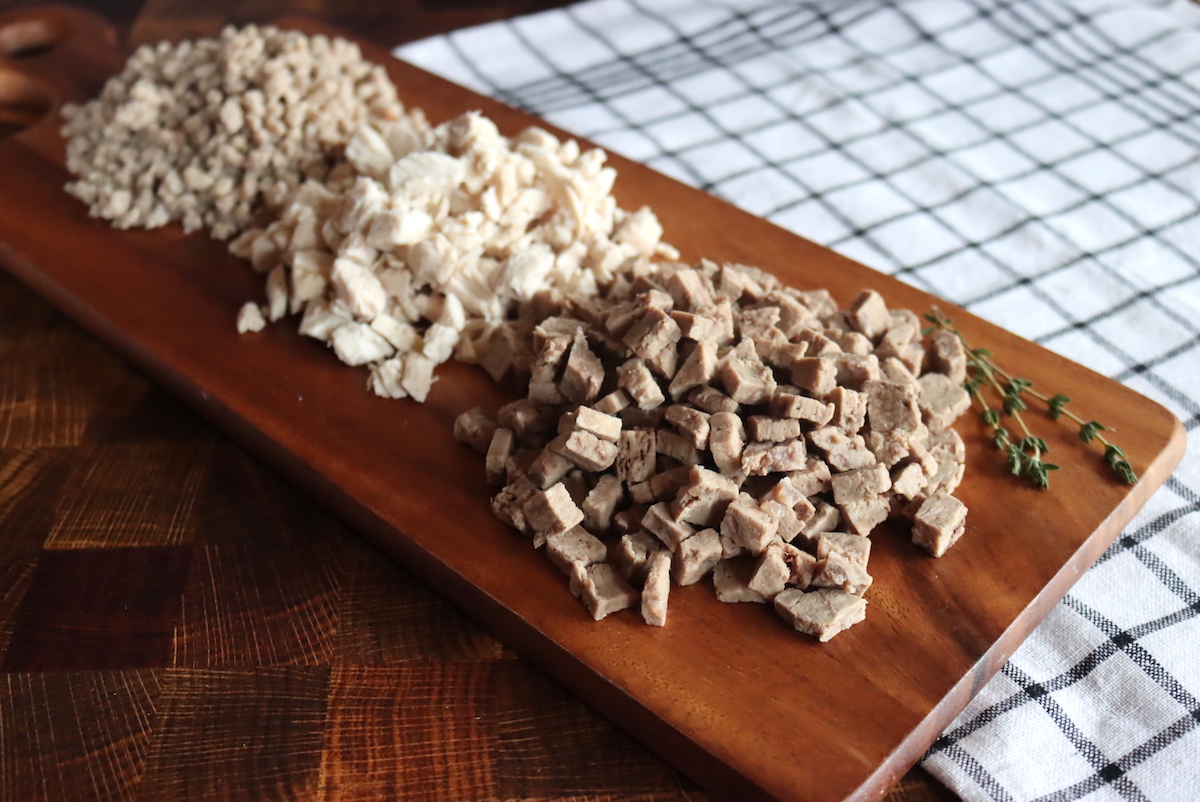
Credit: practicalselfreliance.com
Purchasing Guide
Choosing the right freeze dried meat for your needs can feel overwhelming. There are many options available, and it’s important to know where to look and what to prioritize. This guide will help you make smart choices so you get the best quality meat without wasting money.
Where To Buy
You can find freeze dried meat in specialty outdoor stores, health food shops, and online marketplaces. Online platforms like Amazon, Thrive Market, and dedicated survival gear websites offer a wide variety. Shopping online often gives you access to customer reviews, which can reveal quality and taste details you won’t find in a physical store.
Local farmers’ markets or specialty butchers sometimes carry freeze dried products, especially if they focus on natural or organic foods. Have you checked if your neighborhood has these options? It’s a great way to support local businesses and get fresh, trustworthy products.
What To Look For
- Ingredients:Look for meat with no added preservatives, fillers, or artificial flavors. Pure freeze dried meat retains the original flavor and nutrition.
- Packaging:Airtight, vacuum-sealed bags with oxygen absorbers ensure longer shelf life and freshness.
- Source:Check if the meat is grass-fed, organic, or free-range, depending on your dietary preferences.
- Texture and Rehydration:Read reviews about how well the meat rehydrates and its texture after preparation.
Think about your main use: Are you prepping for emergencies, backpacking, or everyday cooking? This will guide what type of freeze dried meat suits you best.
Price Comparison
| Brand | Type of Meat | Price per Ounce | Package Size |
|---|---|---|---|
| Mountain House | Beef | $1.50 | 7 oz |
| Augason Farms | Chicken | $1.20 | 8 oz |
| Thrive Life | Pork | $1.35 | 6 oz |
Prices vary depending on brand, meat type, and package size. Don’t just pick the cheapest option; consider the quality and whether the meat fits your taste and dietary needs. Have you compared prices and read reviews on multiple sites before buying?
Environmental Impact
The environmental impact of freeze dried meat is an important factor to consider, especially if you’re mindful of sustainability. Freeze drying preserves meat by removing moisture, which significantly extends shelf life and reduces food waste. But how does this process affect the environment compared to fresh meat? Let’s break it down.
Sustainability Factors
Freeze dried meat uses less energy for storage because it doesn’t require continuous refrigeration or freezing. This can cut down on electricity consumption during transportation and storage. However, the freeze drying process itself is energy-intensive, involving freezing and vacuum drying stages.
On the plus side, freeze dried meat reduces spoilage. You might experience less food thrown away from spoilage, which lowers methane emissions from landfills. This benefit can outweigh the initial energy use if you plan your meals well and store the meat for a long time.
Think about your own habits: do you often throw away meat before you use it? Freeze dried options could help you reduce waste and save money, while also lowering your carbon footprint.
Comparison With Fresh Meat
| Aspect | Freeze Dried Meat | Fresh Meat |
|---|---|---|
| Storage Energy | Minimal (no refrigeration needed) | High (needs constant refrigeration) |
| Shelf Life | Years | Days to weeks |
| Food Waste | Lower (long shelf life) | Higher (spoils quickly) |
| Production Energy | Higher (freeze drying process) | Lower (standard processing) |
While fresh meat production uses less energy upfront, it demands more energy for refrigeration and results in more waste. Freeze dried meat shifts energy use from storage to production but cuts down waste and refrigeration needs.
What matters most is how you use and store your meat. Could freeze dried meat be a better option for your lifestyle and environmental goals? Consider your shopping habits and meal planning when deciding.
Frequently Asked Questions
What Is Freeze Dried Meat For Humans?
Freeze dried meat is dehydrated meat with moisture removed under low temperatures. It retains nutrients, flavor, and texture, making it lightweight and shelf-stable for long-term storage.
How Long Does Freeze Dried Meat Last?
Freeze dried meat can last 25 years or more if stored properly. Its long shelf life makes it ideal for emergency food supplies and outdoor adventures.
Is Freeze Dried Meat Nutritious?
Yes, freeze dried meat preserves most nutrients like protein, vitamins, and minerals. It remains a healthy, high-protein food option even after dehydration.
How Do You Prepare Freeze Dried Meat?
Simply rehydrate freeze dried meat by soaking it in water or broth for 10-15 minutes. It can then be cooked or eaten as is, depending on preference.
Conclusion
Freeze dried meat offers a long shelf life and easy storage. It keeps most nutrients and tastes close to fresh meat. Perfect for hiking, camping, or emergency kits. You only need water to prepare it quickly. It saves space and reduces waste.
Many people enjoy it for convenience and quality. Try freeze dried meat to see how it fits your needs. Simple, tasty, and ready when you are.