Have you ever wondered if the foods you eat every day could be quietly harming your body? What if some common items on your plate are doing more damage than good?
Understanding which foods are harmful for humans is crucial for protecting your health and boosting your energy. You’ll discover surprising foods that might be sabotaging your well-being without you even realizing it. Keep reading to learn how to make smarter choices that keep you feeling your best.
Processed Meats
Processed meats like sausages, hot dogs, bacon, and deli slices are common in many diets. They’re convenient and tasty but come with hidden health risks that you might not expect. Understanding these risks can help you make smarter choices about what you eat every day.
Cancer Risks
Several studies link processed meats to a higher chance of developing certain cancers, especially colorectal cancer. Chemicals used in processing, such as nitrates and nitrites, can form harmful compounds in your body.
Have you noticed how often processed meats appear in fast food or ready meals? Regular consumption could quietly increase your cancer risk without obvious warning signs. Reducing intake or choosing fresh alternatives can make a big difference in your long-term health.
Heart Disease Concerns
Processed meats often contain high levels of saturated fats, salt, and preservatives. These ingredients can raise your blood pressure and cholesterol, key factors in heart disease.
Think about how many times you grab a processed meat sandwich for a quick lunch. That habit might be affecting your heart more than you realize. You don’t have to cut them out completely, but balancing with fresh, whole foods can help protect your cardiovascular system.

Credit: www.cnn.com
Sugary Beverages
Sugary beverages are everywhere—from sodas and fruit punches to sweetened coffees and energy drinks. They often seem like a quick way to boost your energy or quench your thirst. But these drinks can have a serious impact on your health, especially if you drink them regularly.
Obesity Epidemic
Drinking sugary beverages adds a lot of extra calories to your diet without making you feel full. Unlike solid foods, these drinks don’t trigger the same feeling of satisfaction, so you might consume more calories overall. Over time, this can lead to weight gain and increase your risk of obesity.
Think about how many cans of soda you might drink in a week. Even a single can contains about 150 calories, mostly from sugar. That adds up fast and can quietly sabotage your efforts to maintain a healthy weight.
Diabetes Risk
Regular intake of sugary drinks can cause spikes in your blood sugar levels. Your body struggles to manage these sudden sugar surges, which over time can contribute to insulin resistance. Insulin resistance is a major step toward developing type 2 diabetes.
Consider your daily habits—do you often reach for a sweetened drink to get through the day? Reducing or cutting out these beverages can lower your risk of diabetes and improve your overall health.
Trans Fats
Trans fats are artificial fats found in many processed foods. They are made by adding hydrogen to liquid oils, making them solid at room temperature. This process extends shelf life and improves texture. Common sources include fried foods, baked goods, and margarine. Trans fats harm health and should be limited or avoided.
Cholesterol Impact
Trans fats raise bad cholesterol (LDL) levels in the blood. High LDL cholesterol clogs arteries and increases heart disease risk. At the same time, trans fats lower good cholesterol (HDL). Low HDL levels reduce the body’s ability to clear bad cholesterol. This double effect worsens heart health.
Inflammatory Effects
Trans fats cause inflammation in the body. Chronic inflammation damages blood vessels and organs. It also increases the risk of diabetes and other diseases. Inflammation from trans fats can cause pain and swelling. Reducing trans fat intake helps lower inflammation and improve overall health.
Artificial Sweeteners
Artificial sweeteners often appear as a tempting alternative to sugar, promising sweetness without calories. Many people, including myself, have reached for diet sodas or sugar-free snacks thinking they’re making healthier choices. However, these substitutes can carry hidden risks that affect your body in surprising ways.
Gut Health Issues
Your gut is home to trillions of bacteria that help digest food and keep your immune system strong. Artificial sweeteners like aspartame, sucralose, and saccharin can disrupt this delicate balance.
Studies show these sweeteners may reduce the number of beneficial bacteria, leading to digestive discomfort, bloating, and even inflammation. Have you ever noticed stomach issues after consuming diet products? That could be a sign your gut is reacting negatively.
- Reduced diversity of gut bacteria
- Increased risk of gut inflammation
- Potential link to irritable bowel symptoms
Metabolic Disruptions
Artificial sweeteners might trick your body in more ways than one. Although they contain few or no calories, they can interfere with your metabolism.
Research suggests these sweeteners confuse your body’s natural responses to sugar. This can lead to cravings, overeating, and impaired blood sugar control.
Think about times when you felt hungrier after a sugar-free snack. It’s not just in your head—your metabolism could be reacting to the artificial sweetness.
- Increased insulin resistance
- Higher risk of developing type 2 diabetes
- Possible weight gain despite low calorie intake
High-sodium Foods
High-sodium foods are everywhere, from the snacks you grab on the go to the sauces you add to your meals. While salt enhances flavor, too much sodium can harm your body in surprising ways. Understanding these risks can help you make smarter food choices every day.
Blood Pressure Dangers
Excess sodium makes your body hold onto water, which increases the volume of blood. This extra volume puts more pressure on your blood vessels, causing high blood pressure. If you’ve ever felt your heart race after eating salty foods, that’s your circulatory system working harder.
High blood pressure often shows no symptoms but quietly damages your arteries. Over time, this can lead to serious problems like heart attacks and strokes. Have you checked your blood pressure recently? Even small reductions in salt intake can make a big difference.
Kidney Damage
Your kidneys filter waste and extra fluids from your blood. When sodium intake is high, kidneys must work overtime to remove excess salt. This constant strain can lead to kidney damage or worsen existing kidney problems.
Think about how your body feels after a salty meal—sometimes bloated or sluggish. That’s partly because your kidneys struggle to balance fluids. Protecting your kidneys means cutting back on high-sodium foods like canned soups, processed meats, and fast food.
Refined Grains
Refined grains are grains that have been processed to remove the bran and germ. This process gives the grains a finer texture and longer shelf life. Common examples include white bread, white rice, and many breakfast cereals. Although they taste good and are easy to cook, refined grains lose many important nutrients during processing.
Nutrient Deficiency
Removing the bran and germ strips away fiber, vitamins, and minerals. Refined grains contain fewer B vitamins, iron, and magnesium. This can lead to nutrient gaps in your diet. Eating refined grains often means missing out on essential nutrients your body needs to function well. Over time, this lack can affect your energy and overall health.
Blood Sugar Spikes
Refined grains break down quickly in the body. This causes rapid rises in blood sugar levels. These spikes can lead to energy crashes and increased hunger soon after eating. Frequent blood sugar spikes raise the risk of insulin resistance and type 2 diabetes. Choosing whole grains can help keep blood sugar steady and support better health.
Excessive Alcohol
Excessive alcohol consumption is a serious health concern that affects millions worldwide. While enjoying a drink occasionally can be part of social life, drinking beyond moderation often leads to harmful consequences. Understanding these risks can help you make better choices for your body and mind.
Liver Damage
Your liver works hard to filter toxins, but too much alcohol overwhelms it. Over time, this can cause inflammation, fatty liver disease, and even cirrhosis, where healthy liver tissue is replaced by scar tissue. You might not notice symptoms early, but persistent fatigue, jaundice, and abdominal pain are red flags.
Consider this: your liver can regenerate, but only up to a point. The longer you ignore excessive drinking, the harder recovery becomes. Would you want to face a lifetime of medical complications because of avoidable habits?
Addiction Risks
Alcohol is addictive, and regular heavy drinking can lead to physical and psychological dependence. This addiction changes brain chemistry, making it harder to quit despite knowing the damage it causes. Withdrawal symptoms like anxiety, shaking, and nausea can make stopping feel impossible.
If you’ve ever tried to cut back but found yourself reaching for another drink, you’re not alone. Recognizing this pattern early can save you from deeper struggles. What steps can you take today to regain control over your drinking habits?
Credit: www.sciencedaily.com
Fried Foods
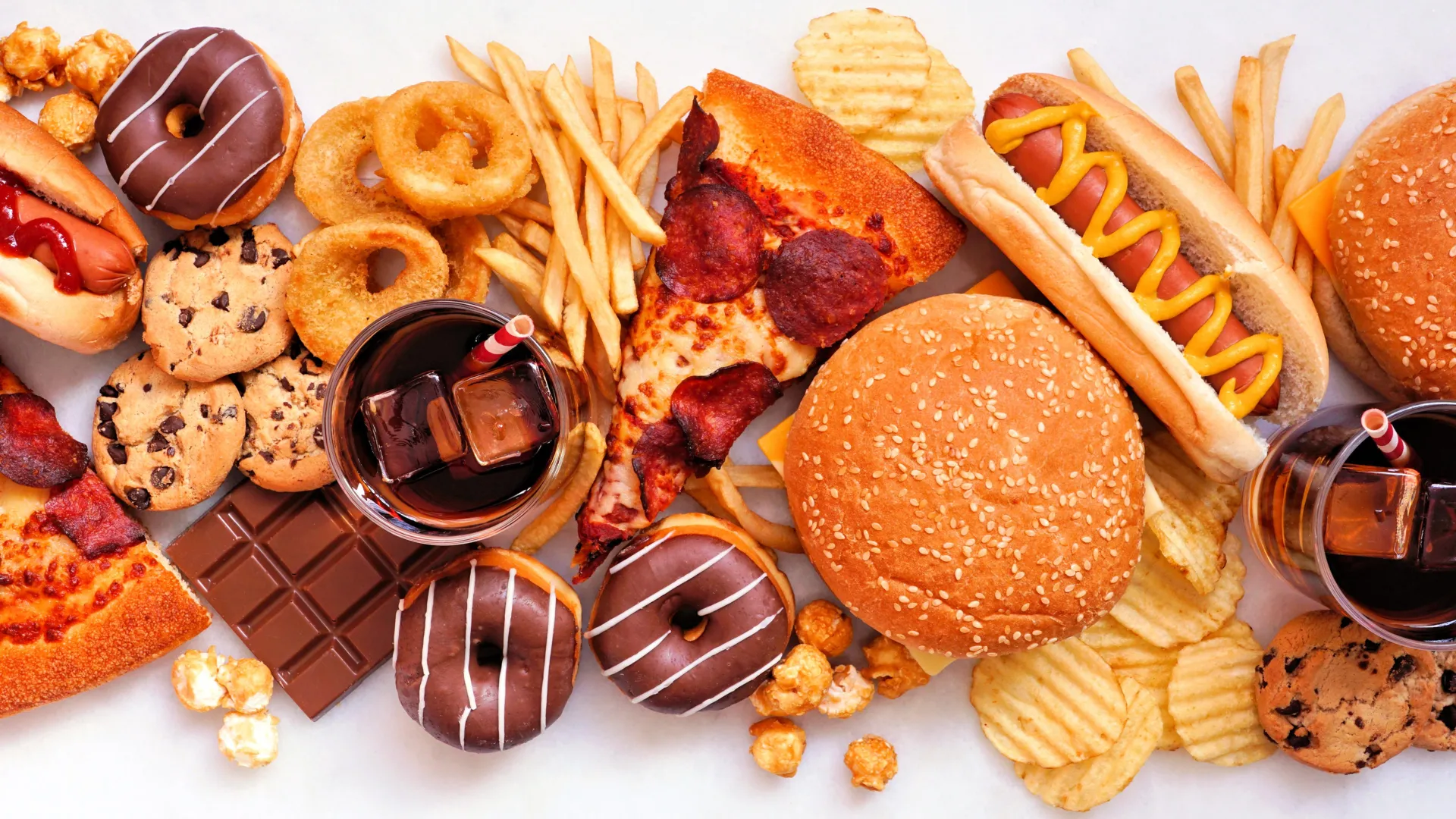
Fried foods are popular and tasty but often harmful to health. Cooking food by frying adds extra fats and calories. This process changes the food’s natural nutrients and can create harmful compounds. Eating fried foods regularly can cause serious health problems. Understanding the risks helps make better food choices.
Weight Gain
Fried foods contain high calories due to oil absorption. These extra calories can lead to quick weight gain. Fried items lack fiber and nutrients that keep you full longer. This causes overeating and frequent hunger. Weight gain raises the risk of diabetes and other illnesses.
Heart Health Issues
Fried foods often use unhealthy oils rich in trans fats. Trans fats increase bad cholesterol and lower good cholesterol. This imbalance clogs arteries and raises blood pressure. Over time, it leads to heart disease and stroke risk. Eating less fried food supports better heart health.
Food Additives
Food additives are substances added to food to improve taste, appearance, or shelf life. Many additives are safe, but some can cause health problems. These chemicals may trigger allergic reactions or affect behavior, especially in sensitive individuals. Understanding these risks helps make better food choices.
Allergenic Reactions
Some food additives cause allergic reactions in certain people. Common triggers include:
- Artificial colors like tartrazine
- Preservatives such as sulfites
- Flavor enhancers like monosodium glutamate (MSG)
Symptoms may include hives, itching, swelling, or breathing problems. These reactions can be mild or severe. People with allergies should read labels carefully and avoid harmful additives.
Behavioral Concerns
Certain additives may impact behavior, especially in children. Studies link artificial colors and preservatives to:
- Hyperactivity
- Attention problems
- Restlessness
These effects are often temporary but can interfere with learning and focus. Choosing natural or additive-free foods can reduce these risks and support better behavior.

Credit: www.consumerreports.org
Frequently Asked Questions
What Foods Are Most Harmful To Human Health?
Processed meats, sugary drinks, excessive salt, and trans fats are most harmful. They increase risks of heart disease, obesity, and diabetes. Avoiding these foods supports better health and longevity.
Can Eating Junk Food Cause Long-term Damage?
Yes, junk food causes long-term damage by raising obesity, diabetes, and heart disease risks. It lacks essential nutrients and promotes inflammation. Limiting junk food improves overall health and prevents chronic illnesses.
Are Artificial Sweeteners Harmful To Humans?
Artificial sweeteners may cause digestive issues and affect gut bacteria. Some studies suggest links to metabolic disorders, but evidence is mixed. Moderation is key until more conclusive research is available.
Why Is Excessive Sugar Intake Dangerous?
Excessive sugar leads to weight gain, insulin resistance, and tooth decay. It raises risks for diabetes and heart disease. Reducing sugar intake helps maintain healthy metabolism and prevents chronic conditions.
Conclusion
Avoiding harmful foods protects your health and boosts energy daily. Choose fresh fruits, vegetables, and whole grains instead. Stay away from too much sugar, salt, and processed snacks. Small changes in eating habits make a big difference. Your body will thank you with better strength and mood.
Remember, good food supports a long, happy life. Keep learning about healthy choices for your well-being. Simple steps lead to lasting health benefits. Take care of yourself by eating smart and staying active.