Do you often find yourself worrying about your health, even when there’s no clear reason to? That constant fear can be exhausting and overwhelming.
But you’re not alone, and more importantly, there are simple ways to manage these feelings. You’ll discover practical health anxiety tips that can help you regain control, ease your mind, and live a calmer life. Keep reading—you deserve to feel better.
Credit: www.facebook.com
Understanding Health Anxiety
Health anxiety can feel overwhelming, especially when your mind constantly worries about your well-being. Understanding what health anxiety really is helps you take control rather than letting fear control you. You might recognize some feelings or thoughts, but knowing the signs and triggers is the first step to managing them.
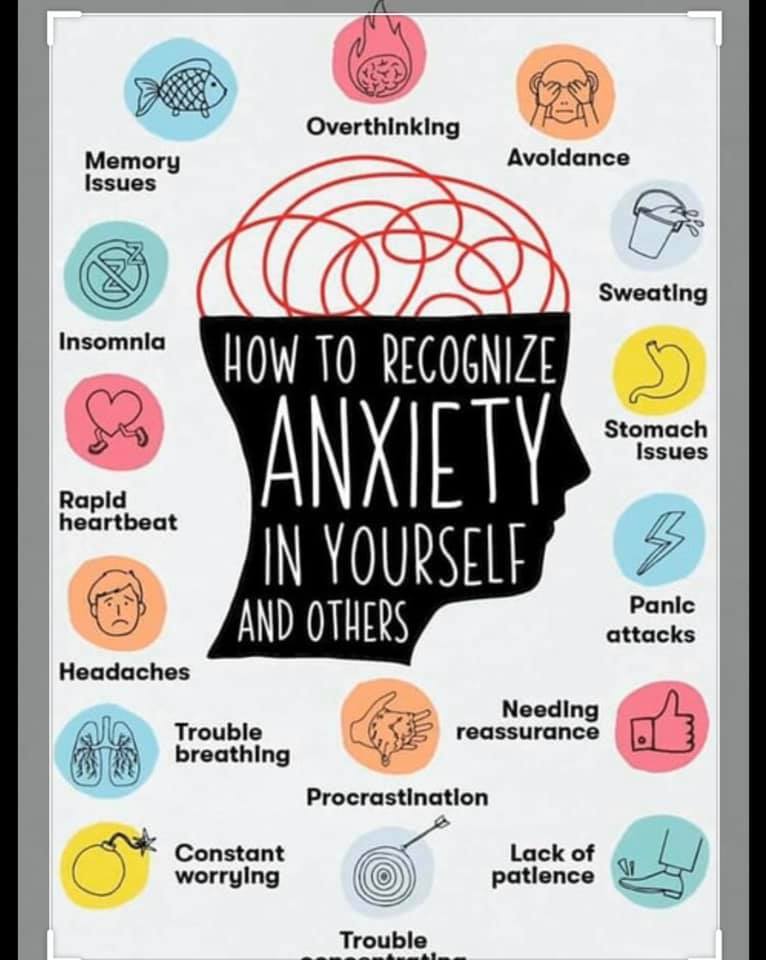
Symptoms And Signs
Health anxiety shows up in many ways, and you might experience some or all of these symptoms:
- Constant worryabout having a serious illness despite medical reassurance.
- Frequent checkingof your body for signs of illness, like lumps or rashes.
- Physical symptomslike headaches or stomachaches that increase your worry.
- Avoiding doctorsor tests out of fear, or conversely, visiting them too often.
- Difficulty concentratingbecause your mind is preoccupied with health concerns.
Have you ever caught yourself scanning your body multiple times a day? That restlessness often hides beneath health anxiety.
Common Triggers
Triggers can spark health anxiety suddenly, even if you weren’t feeling worried before. These often include:
- Reading about illnesses online or hearing about someone’s health problems.
- Experiencing normal body sensations like a headache or fatigue.
- Visiting a doctor or receiving medical news, even if it’s routine.
- Stressful life events that make you more sensitive to health concerns.
Think about the last time you felt a sudden fear about your health. What was happening around you then? Recognizing these triggers helps you prepare for them and reduce their impact.
Cognitive Behavioral Techniques
Cognitive behavioral techniques help manage health anxiety by changing how you think and act. These methods focus on identifying unhealthy thoughts and replacing them with balanced ones. They also teach ways to stay calm and present. Using these techniques regularly can reduce worry and improve your daily life.
Challenging Negative Thoughts
Negative thoughts about health often cause anxiety to grow. Start by noticing these thoughts. Ask yourself:
- Is this thought based on fact or feeling?
- What evidence supports or contradicts it?
- Could there be another explanation?
Write down your answers. Replace extreme worries with realistic ideas. For example, instead of thinking “I must be very sick,” try “I feel worried, but I have no proof of serious illness.”
Mindfulness Practices
Mindfulness means paying attention to the present moment without judgment. It helps stop the mind from racing with health worries. Try these simple steps:
- Focus on your breathing for a few minutes.
- Notice sounds, smells, or sensations around you.
- Accept thoughts as they come, then let them go.
Regular mindfulness can calm your mind and reduce anxiety. It trains you to stay grounded and less caught up in fear.
Lifestyle Modifications
Changing daily habits can greatly reduce health anxiety. Small shifts in lifestyle help calm the mind and improve overall well-being. Focus on simple actions that support body and mind balance. These changes build resilience against worry and stress linked to health concerns.
Exercise And Physical Activity
Exercise helps lower anxiety by releasing feel-good chemicals. Even short walks can boost mood and clear the mind. Aim for at least 30 minutes of moderate activity most days. Choose activities that bring joy, like dancing or cycling. Physical movement improves sleep, which reduces anxious thoughts. Regular exercise strengthens the body and calms the nervous system.
Balanced Nutrition
Eating well supports brain health and stabilizes mood. Focus on whole foods like fruits, vegetables, and whole grains. Limit caffeine and sugar, as they can increase anxiety symptoms. Drink plenty of water to stay hydrated and alert. Balanced meals provide steady energy and prevent mood swings. Good nutrition helps the body manage stress more effectively.
Relaxation Methods
Relaxation methods help calm the mind and reduce health anxiety. These techniques ease tension in the body and lower stress levels. Practicing relaxation regularly can improve your overall well-being. Simple exercises can bring quick relief and help you feel more in control.
Breathing Exercises
Breathing exercises focus on slow, deep breaths to calm the nervous system. They help reduce rapid heartbeat and clear anxious thoughts. Try this simple technique:
- Breathe in slowly through your nose for four seconds.
- Hold your breath for four seconds.
- Exhale slowly through your mouth for six seconds.
- Repeat this cycle five times.
Doing this daily can improve focus and reduce anxiety symptoms. It works well anywhere, anytime you feel stressed.
Progressive Muscle Relaxation
This technique involves tightening and then relaxing different muscle groups. It helps you notice where your body holds tension. Follow these steps:
- Tense your feet muscles for five seconds.
- Release the tension and feel the relaxation.
- Move up to your calves, thighs, and so on.
- Work through all major muscle groups.
Practice this method in a quiet place for best results. It can improve sleep and decrease physical anxiety symptoms.
Building A Support System
Building a support system is essential when dealing with health anxiety. You don’t have to face your worries alone. Having people who understand and guide you can make a big difference in how you manage your feelings and fears.
Seeking Professional Help
Talking to a mental health professional can give you tools to cope with health anxiety effectively. Therapists can help you identify triggers and teach strategies like cognitive-behavioral techniques that calm your mind.
If you ever feel overwhelmed, reaching out to a counselor or psychologist is a smart move. They provide a safe space where your concerns are taken seriously, and you learn practical steps to regain control over your thoughts.
Connecting With Support Groups
Finding others who experience health anxiety can make you feel less isolated. Support groups allow you to share your story and hear how others manage similar challenges.
Many groups meet online or in person, offering flexibility to fit your schedule. Listening to different perspectives might give you fresh ideas on coping and remind you that you’re not alone in this.

Credit: www.simplypsychology.org
Limiting Information Overload
Feeling overwhelmed by endless health updates and news can fuel health anxiety. Your mind races with every new symptom or headline you encounter. Limiting this information overload helps you regain control and calm your thoughts.
Managing Media Consumption
Constant scrolling through health news or social media can spike your anxiety. Try scheduling specific times to check updates instead of browsing all day. This small change cuts down on unnecessary stress and lets you focus on what truly matters.
Choose reliable sources to avoid misleading information. One personal experience taught me that reading too many dramatic health stories made me anxious for no reason. Sticking to trusted websites eased my worries and gave me clear, balanced facts.
Setting Boundaries
Decide how much health information you want to absorb daily. Set a timer or limit the number of articles you read. This simple boundary prevents your mind from becoming overloaded with details that might not apply to you.
Tell friends or family about your limits so they can support you. Saying “I need a break from health talk” can help others understand your needs. Are you noticing how controlling your exposure changes your mindset?
Developing A Routine
Developing a routine helps manage health anxiety by creating structure and predictability. It reduces stress and keeps your mind focused. Having a clear plan can make worries less intense. Small daily habits build a sense of control and calm.
Creating Daily Schedules
Plan your day with simple tasks and fixed times. Write down activities like meals, work, and breaks. Use a planner or phone app for reminders. A steady schedule keeps your mind busy and less prone to anxious thoughts.
- Wake up and sleep at the same time
- Set specific times for meals and snacks
- Include work or study periods with breaks
- Plan light exercise or walks
- Schedule relaxation or hobbies in the evening
Check your schedule daily and adjust if needed. Flexibility helps you stay calm without feeling trapped.
Incorporating Self-care
Self-care is key to reducing health anxiety. It means taking time for your body and mind. Simple actions improve mood and build resilience.
- Practice deep breathing or meditation for 5-10 minutes
- Eat balanced meals and drink enough water
- Get regular sleep and avoid screens before bed
- Engage in activities you enjoy, like reading or music
- Limit news or health-related internet searches
Make self-care a non-negotiable part of your routine. It strengthens your ability to handle stress and worry.
Tracking Progress
Tracking progress helps you see how far you have come in managing health anxiety. It creates a clear picture of your thoughts and feelings over time. This can reduce stress and build confidence. Small steps add up to big changes.
Keeping A Journal
Writing down your thoughts and feelings each day can be very helpful. Note what triggers your anxiety and how you respond. Record any positive moments or coping skills that worked well.
A journal shows patterns and progress. It also gives you a safe place to express worries. Seeing your journey in writing can motivate you to keep going.
Celebrating Small Wins
Recognize every small success, no matter how tiny. Stopping a negative thought or practicing deep breathing counts as a win. These moments build strength and hope.
- Give yourself credit for facing fears.
- Mark improvements in your journal or calendar.
- Share your achievements with a trusted friend or support group.
Celebrating small wins helps keep anxiety in check. It encourages a positive mindset and steady progress.

Credit: www.linkedin.com
Frequently Asked Questions
What Are Common Symptoms Of Health Anxiety?
Health anxiety often includes excessive worry about illness, frequent checking of symptoms, and misinterpreting normal body sensations. People may feel constant fear and stress about their health despite medical reassurance.
How Can I Manage Health Anxiety Effectively?
To manage health anxiety, practice mindfulness, limit health-related internet searches, and maintain a healthy lifestyle. Cognitive-behavioral therapy (CBT) and professional support can also reduce anxiety symptoms significantly.
When Should I Seek Professional Help For Health Anxiety?
Seek professional help if health worries interfere with daily life or cause severe distress. Persistent anxiety, panic attacks, or compulsive health checks are signs that therapy or counseling may be needed.
Can Lifestyle Changes Reduce Health Anxiety Symptoms?
Yes, regular exercise, balanced diet, sufficient sleep, and stress management techniques can lower anxiety levels. These habits improve overall well-being and help reduce the intensity of health-related fears.
Conclusion
Managing health anxiety takes time and patience. Small steps help reduce worry and stress. Focus on facts, not fears. Talk to someone you trust for support. Practice deep breathing to stay calm. Remember, you are not alone in this. Keep using these tips every day.
Your mind will feel clearer and lighter. Health anxiety can become easier to handle. Stay kind to yourself during the process. You have the strength to get through this.