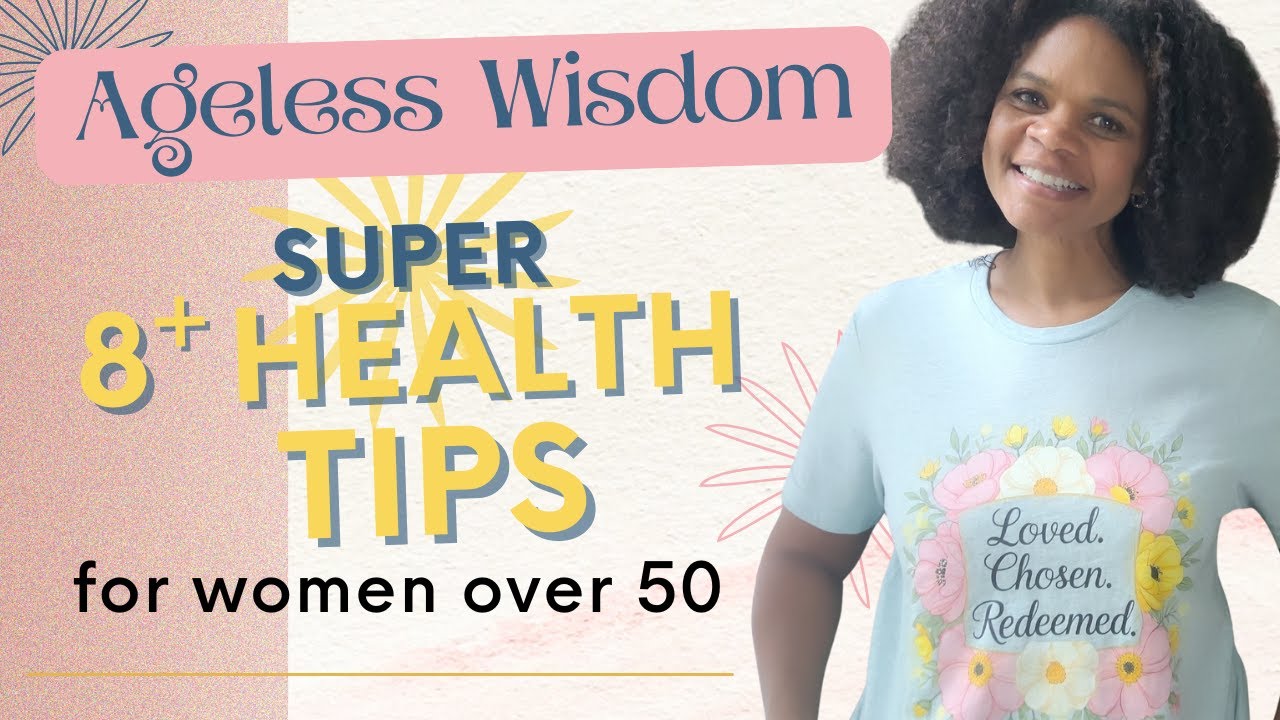
Turning 50 is a powerful milestone, and your health deserves special attention now more than ever. You might notice changes in your body, energy, and mood that feel new or unexpected.
But here’s the good news: with the right steps, you can feel stronger, more vibrant, and in control of your well-being. This article gives you simple, effective health tips designed just for women over 50. Keep reading, and discover how small changes can make a big difference in your life starting today.

Credit: www.youtube.com
Balanced Nutrition
Balanced nutrition supports health and energy for women over 50. It helps maintain strong bones, healthy skin, and a sharp mind. Eating the right foods supplies essential nutrients for overall well-being. Focus on variety and portion control to meet your body’s changing needs.
Key Vitamins And Minerals
Vitamins and minerals play crucial roles in the body. Calcium and vitamin D strengthen bones and prevent fractures. Vitamin B12 helps maintain nerve function and energy levels. Iron supports healthy blood and prevents fatigue. Magnesium aids muscle function and heart health. Include foods like leafy greens, dairy, lean meats, and fortified cereals.
Dietary Fiber Importance
Fiber promotes digestion and prevents constipation. It helps control blood sugar and lowers cholesterol. Eating enough fiber supports a healthy weight. Choose whole grains, fruits, vegetables, and legumes. Aim for at least 25 grams of fiber daily. Drink plenty of water to help fiber work well.
Healthy Fats
Healthy fats support brain function and heart health. They reduce inflammation and improve cholesterol levels. Sources include avocados, nuts, seeds, and olive oil. Avoid trans fats and limit saturated fats. Balance fats with proteins and carbohydrates for energy and cell repair.
Regular Exercise
Regular exercise is vital for women over 50 to maintain good health and energy. It helps keep muscles strong, bones healthy, and the heart working well. Exercise also improves mood and supports weight control. Even small daily activities make a big difference over time.
Strength Training Benefits
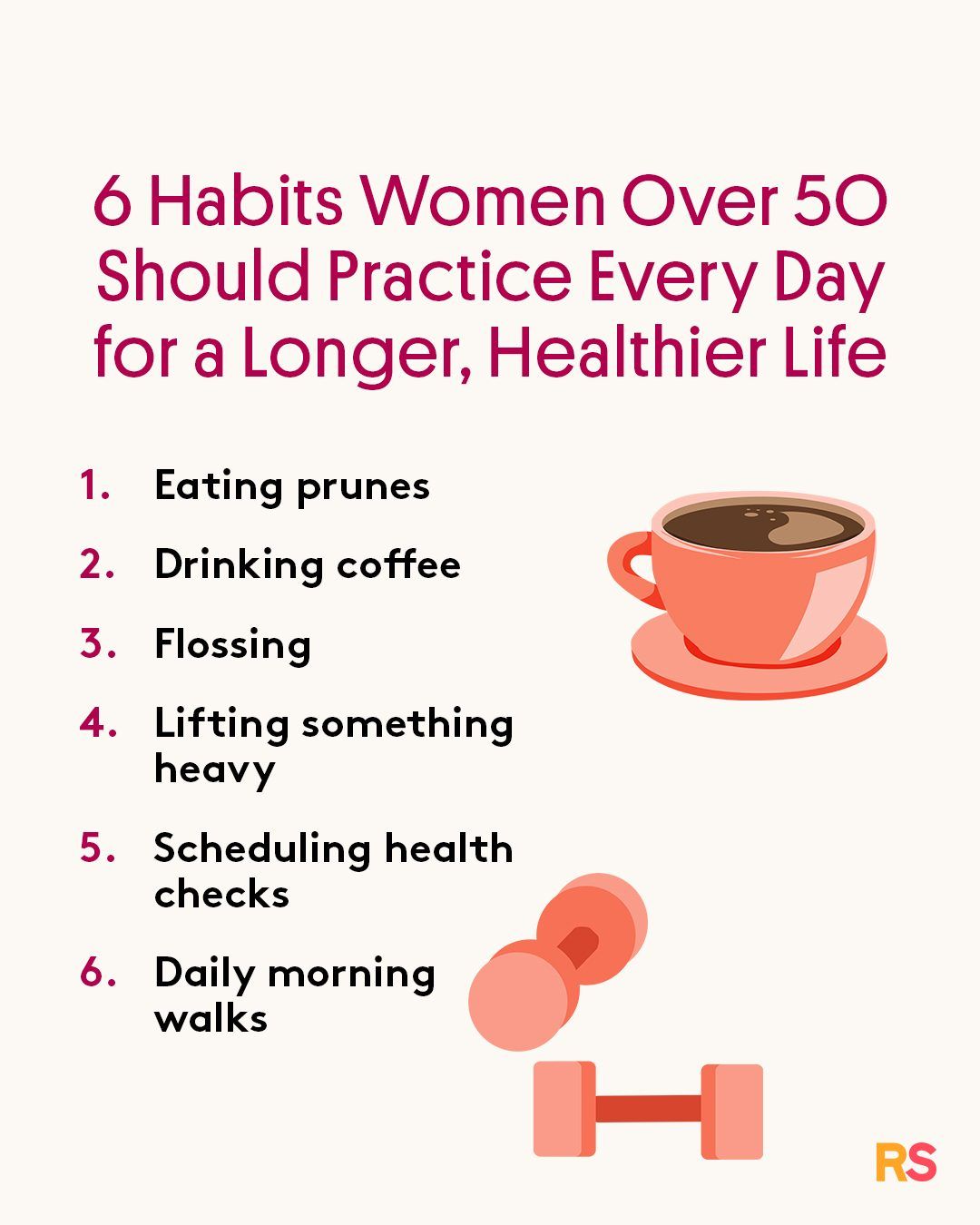
Strength training builds muscle and prevents bone loss. It helps improve posture and balance. Lifting weights or using resistance bands is effective. Strong muscles make daily tasks easier and reduce injury risk. Aim for two sessions per week to start.
Flexibility And Balance
Flexibility exercises keep joints moving smoothly. Stretching daily reduces stiffness and pain. Balance exercises lower the chance of falls. Simple practices like yoga or tai chi work well. These activities enhance coordination and body awareness.
Cardiovascular Activities
Cardiovascular exercises strengthen the heart and lungs. Walking, swimming, or cycling boost endurance and energy. Aim for at least 150 minutes of moderate activity weekly. These activities help control weight and improve sleep quality.
Mental Wellbeing
Mental wellbeing is a key part of health for women over 50. It helps keep the mind sharp and emotions balanced. Good mental health supports better sleep, lower stress, and stronger immunity. Taking care of mental wellbeing improves overall quality of life at any age.
Stress Management Techniques
Stress can affect both body and mind. Managing stress helps reduce anxiety and improves mood. Simple techniques include deep breathing, light exercise, and setting small daily goals. Avoiding overcommitment and taking breaks during tasks also helps. Regular relaxation lowers blood pressure and clears the mind.
Mindfulness Practices
Mindfulness means paying full attention to the present moment. It reduces worries about past or future problems. Try focusing on breathing or sensations during daily activities. Short sessions of meditation can calm a busy mind. Mindfulness boosts concentration and brings peace in everyday life.
Social Connections
Strong social ties support mental health and reduce feelings of loneliness. Talking with friends or family lifts the spirit. Joining clubs or groups creates a sense of belonging. Sharing experiences helps process emotions and builds confidence. Social connections provide comfort and stimulate the brain.
Bone Health
Bone health is essential for women over 50. Bones become thinner and weaker with age. Strong bones reduce the risk of fractures and osteoporosis. Caring for bone health improves mobility and quality of life.
Calcium And Vitamin D
Calcium builds and maintains strong bones. Women over 50 need about 1,200 mg of calcium daily. Dairy products, leafy greens, and fortified foods are good sources.
Vitamin D helps the body absorb calcium. Without enough vitamin D, bones can become brittle. Sunlight exposure and supplements provide vitamin D. Aim for 600 to 800 IU daily.
Bone Density Exercises
Exercise strengthens bones and muscles. Weight-bearing activities like walking or dancing apply gentle stress to bones. This stress helps maintain bone density.
- Try brisk walking for 30 minutes most days.
- Include strength training twice a week using light weights or resistance bands.
- Balance exercises reduce fall risk and protect bones.
Consistent exercise improves bone health and overall strength.
Hormonal Changes
Hormonal changes are a natural part of aging for women over 50. These changes affect many body functions and overall health. Hormones regulate mood, energy, sleep, and metabolism. A shift in hormone levels can cause new symptoms and challenges. Understanding these changes helps manage health better during this stage of life.
Menopause Management
Menopause marks the end of menstrual cycles. It usually occurs between ages 45 and 55. Estrogen and progesterone levels drop, causing symptoms like hot flashes and night sweats. Many women experience mood swings and sleep problems.
Simple ways to ease menopause symptoms include:
- Eating a balanced diet rich in fruits and vegetables
- Regular exercise to boost mood and bone strength
- Practicing relaxation techniques such as yoga or meditation
- Staying hydrated and avoiding caffeine or spicy foods
Consulting a healthcare provider is important. They can suggest treatments like hormone therapy or natural supplements. Every woman’s experience is unique, so personalized care works best.
Hormonal Imbalance Symptoms
Hormonal imbalances can cause various symptoms beyond menopause. Common signs include:
- Fatigue and low energy
- Weight gain, especially around the belly
- Changes in skin and hair quality
- Sleep disturbances
- Mood changes such as anxiety or depression
Tracking symptoms helps identify hormonal issues early. Blood tests can confirm hormone levels. Managing imbalances improves quality of life and reduces health risks.

Credit: www.instagram.com
Regular Health Screenings
Regular health screenings become essential as you cross the 50-year mark. These check-ups help you stay ahead of potential health issues and maintain your well-being. They offer a clear picture of your current health and guide you on necessary lifestyle adjustments.
Recommended Tests
Knowing which tests to prioritize can make a big difference. Here are key screenings every woman over 50 should consider:
- Mammogram:Detects breast cancer early, improving treatment success.
- Bone Density Test:Checks for osteoporosis risk, important as bones weaken with age.
- Blood Pressure Check:Monitors heart health and helps prevent strokes.
- Cholesterol and Blood Sugar Tests:Identify risks for heart disease and diabetes.
- Colonoscopy:Screens for colon cancer, a common risk after 50.
- Eye Exam:Detects glaucoma and other vision problems early.
Have you had all these tests recently? If not, scheduling them soon can be a smart move.
Early Detection Importance
Early detection saves lives. It allows you to catch diseases before symptoms appear, making treatment easier and more effective.
Think about a friend who found breast cancer early through a routine mammogram. She started treatment immediately and is now thriving. What if she had waited for symptoms? Early screenings gave her a crucial advantage.
Regular check-ups also help you track changes over time. This ongoing monitoring can reveal trends that single tests might miss. Don’t wait for discomfort—your health signals can be subtle but significant.
Sleep Quality
Quality sleep becomes more important and sometimes more elusive as you move past 50. Your body needs rest to repair and recharge, but changes in hormone levels and lifestyle can disrupt sleep patterns. Understanding how to improve your sleep quality can make a big difference in your energy, mood, and overall health.
Improving Sleep Environment
Your bedroom should be a sanctuary for rest. Start by keeping the room cool—around 65°F (18°C) is ideal for most people. Too hot or too cold can disturb your sleep cycles.
Invest in a good mattress and pillows that support your body comfortably. If your mattress is older than 7-10 years, it might be time for a replacement. Consider blackout curtains to block out light and reduce noise with earplugs or a white noise machine.
Have you noticed how small changes like removing electronic devices from your bedroom can impact your sleep? Light from screens tricks your brain into thinking it’s still daytime, making it harder to fall asleep.
Sleep Hygiene Tips
Establish a calming bedtime routine that signals your body it’s time to wind down. This might include reading a book, gentle stretching, or deep breathing exercises. Avoid screens at least an hour before bed.
Watch what you eat and drink in the evening. Heavy meals, caffeine, and alcohol can interfere with your sleep stages. Try to finish eating at least 2-3 hours before going to bed.
Consistency is key. Going to bed and waking up at the same time every day helps regulate your internal clock. Even on weekends, try not to stray too far from your schedule.
Have you tried journaling before bed? Writing down your thoughts can clear your mind and reduce anxiety that might keep you awake.
Credit: www.facebook.com
Heart Health
Heart health is a key concern for women over 50. The risk of heart disease rises with age. Simple steps can help keep your heart strong and healthy. Small changes in daily habits make a big difference.
Blood Pressure Control
High blood pressure strains the heart and arteries. Regular checks help spot problems early. Aim to keep your blood pressure below 130/80 mm Hg. Reduce salt intake and avoid processed foods. Physical activity, like walking, lowers blood pressure. Stress management techniques support healthy blood pressure too.
Cholesterol Management
Cholesterol affects heart health. Too much bad cholesterol clogs arteries. Eat foods high in fiber and healthy fats. Examples include oats, nuts, and olive oil. Limit saturated fats found in red meat and butter. Regular exercise helps raise good cholesterol levels. Talk to your doctor about cholesterol testing and medicines.
Skin Care
Taking care of your skin becomes more important as you age. After 50, skin changes in texture and moisture levels. Proper skin care helps keep it soft and healthy. Simple habits can improve your skin’s appearance and feel. Focus on hydration, moisturization, and protection from the sun.
Hydration And Moisturizing
Skin loses moisture faster with age. Drinking water supports skin hydration from inside. Use a gentle cleanser that does not strip oils. Apply moisturizer daily to lock in moisture. Choose creams with ingredients like hyaluronic acid or glycerin. These help keep skin soft and plump. Moisturizing also reduces dryness and rough patches.
Sun Protection
Sun damage causes wrinkles and dark spots. Use sunscreen with at least SPF 30 every day. Apply it even on cloudy days and indoors near windows. Wear hats and sunglasses to protect your face and eyes. Avoid long sun exposure, especially midday. Protecting skin from UV rays slows aging and skin cancer risk.
Healthy Habits
Healthy habits build a strong foundation for women over 50. Small changes help protect health and boost energy. These habits support the body’s natural strength and reduce risks of illness. Focus on daily routines that promote wellness and balance.
Smoking And Alcohol
Smoking harms lungs and increases the risk of many diseases. Quitting smoking improves breathing and heart health quickly. Avoid secondhand smoke for even better protection.
Alcohol affects the liver and can weaken bones. Limit drinks to support healthy aging. Choose water or herbal teas instead of alcoholic beverages.
Routine Health Checkups
Regular checkups catch health problems early. Doctors can monitor blood pressure, cholesterol, and bone health. Screenings for cancer and diabetes are important too.
Keep a list of questions and symptoms for each visit. This helps you get the most from your doctor’s advice. Stay up to date with vaccines and tests recommended for your age.
Frequently Asked Questions
What Are Essential Health Tips For Women Over 50?
Women over 50 should focus on a balanced diet, regular exercise, and routine health screenings. Staying hydrated and managing stress also improve overall well-being. Prioritize bone health and heart health through calcium, vitamin D, and cardiovascular workouts.
How Can Women Over 50 Maintain A Healthy Weight?
To maintain a healthy weight, women over 50 should eat nutrient-rich foods and control portion sizes. Regular physical activity, including strength training, boosts metabolism. Avoid processed foods and sugary drinks for better weight management.
What Exercises Are Best For Women Over 50?
Low-impact exercises like walking, swimming, and yoga are excellent for women over 50. Strength training helps maintain muscle mass and bone density. Aim for at least 150 minutes of moderate aerobic activity weekly to support heart health.
How Important Is Bone Health After 50?
Bone health is critical after 50 due to increased osteoporosis risk. Consuming calcium and vitamin D supports bone strength. Weight-bearing exercises and avoiding smoking help reduce fracture risk and maintain mobility.
Conclusion
Taking care of your health after 50 helps you feel your best. Eat balanced meals and stay active every day. Regular check-ups catch problems early. Sleep well to keep energy high. Manage stress with simple relaxation techniques. Small changes make a big difference over time.
Your body deserves kindness and attention now. Keep learning about your health needs. Stay positive and enjoy each moment fully. Good habits bring a stronger, happier life.