
Are you ready to feel better in your body and mind every single day? Holistic health is about caring for your whole self—your body, mind, and spirit—so you can live with more energy and balance.
Imagine waking up refreshed, managing stress with ease, and enjoying a clear mind. This isn’t a distant dream; it’s within your reach. Keep reading to discover simple, effective tips that can change how you feel from the inside out. Your journey to true wellness starts here.
Mindful Nutrition
Mindful nutrition means paying close attention to what and how you eat. It helps improve your energy, mood, and overall health. Eating with awareness allows your body to get the right fuel. Choosing nutritious foods supports your mind and body in the best way.
Balanced Diet Essentials
A balanced diet includes a mix of different food groups. Eating a variety ensures your body gets all needed nutrients. Focus on:
- Fruits and vegetables for vitamins and fiber
- Whole grains for energy and digestion
- Lean proteins for muscle and repair
- Healthy fats for brain and heart health
Try to avoid too much sugar and processed foods. Eat meals at regular times to keep your metabolism steady.
Superfoods For Health
Superfoods are nutrient-rich and help boost health. Add these to your diet:
- Blueberries – rich in antioxidants
- Spinach – packed with iron and vitamins
- Chia seeds – high in fiber and omega-3
- Salmon – great source of healthy fats
Include superfoods in small portions with other healthy foods. They support immunity and reduce inflammation.
Hydration Importance
Water is vital for every body function. Staying hydrated improves focus and digestion. Drink water throughout the day. Signs of dehydration include tiredness and dry skin.
- Carry a water bottle to remind yourself
- Eat water-rich foods like cucumber and watermelon
- Aim for about 8 cups daily, more if active
Limit sugary drinks and caffeine as they can dehydrate. Pure water is the best choice.
Physical Activity
Physical activity is a key part of holistic health. It not only strengthens your body but also improves your mood and energy levels. Moving your body regularly can help you feel more balanced in everyday life.
Exercise Routines
Choose exercise routines that fit your lifestyle and interests. You don’t need a gym to start; bodyweight exercises like push-ups and squats can be very effective. Aim for at least 30 minutes a day, mixing cardio, strength, and flexibility exercises.
Have you noticed how consistent movement changes your energy during the day? Keeping a simple routine helps you stay motivated and track progress easily.
Yoga And Meditation
Yoga combines gentle movement with mindful breathing. It helps reduce stress and improves flexibility. Even 10 minutes a day can calm your mind and loosen your muscles.
Meditation, paired with yoga, deepens your focus and relaxation. Try guided sessions or simply sit quietly and watch your breath. How does a few minutes of stillness affect your stress levels?
Outdoor Activities
Getting outside adds fresh air and natural light to your physical activity. Walking, hiking, or cycling in nature boosts your mood and helps you connect with your surroundings.
Try to find a local park or trail. Notice how the change in environment makes your workout feel less like a chore and more like a break. What outdoor activity could you enjoy this week?
Mental Wellbeing
Mental wellbeing is the foundation of a balanced and fulfilling life. It affects how you think, feel, and handle stress daily. Taking care of your mental health means paying attention to your emotions and thoughts as much as your physical body.
Stress Management
Stress can sneak up on you in unexpected ways, impacting your mood and energy. Learning to manage stress is crucial for maintaining mental clarity and emotional calm.
Try breaking your day into smaller, manageable tasks instead of overwhelming yourself with everything at once. You could also experiment with physical activities like walking or stretching, which help reduce tension and clear your mind.
Have you noticed how your body reacts during stressful moments? Recognizing these signs early can help you take action before stress builds up.
Mindfulness Practices
Mindfulness is about paying attention to the present moment without judgment. This simple habit can shift your perspective and calm restless thoughts.
Start with short breathing exercises—just a few minutes a day can make a difference. When you focus on your breath or surroundings, you create space between your thoughts and reactions.
Imagine how your day might change if you pause and fully experience a quiet moment instead of rushing through it. What small mindful moments can you add to your routine?
Positive Thinking
Your thoughts shape your reality more than you might realize. Cultivating positive thinking doesn’t mean ignoring challenges but rather approaching them with a constructive mindset.
Try keeping a gratitude journal where you note down simple things that bring you joy or comfort. This habit can help you focus on what’s working well in your life, even during tough times.
Next time a negative thought crosses your mind, ask yourself: Is this thought helping me or holding me back? Shifting your internal dialogue can boost your mental resilience.
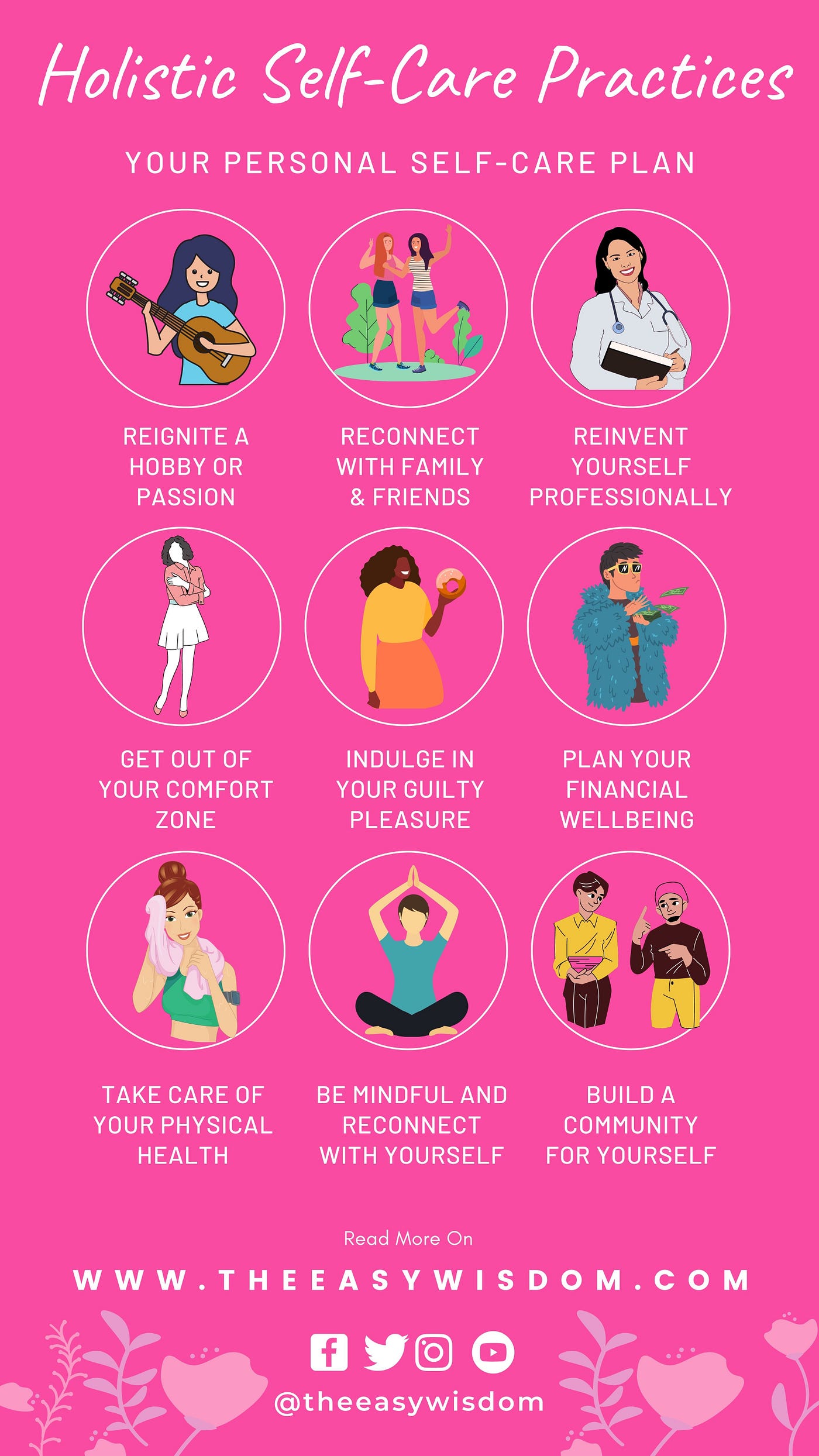
Credit: medium.com
Sleep Quality
Improving your sleep quality can transform your overall health more than you might expect. Sleep doesn’t just refresh your mind; it repairs your body and balances your emotions. If you often wake up tired or restless, it’s time to rethink how you approach your nightly rest.
Sleep Hygiene Tips
Creating a sleep-friendly environment is key. Keep your bedroom cool, dark, and quiet to help your body relax naturally. Try to go to bed and wake up at the same time every day, even on weekends, to regulate your internal clock.
- Avoid screens at least an hour before bedtime; the blue light disrupts melatonin production.
- Limit caffeine and heavy meals close to bedtime to prevent sleep disturbances.
- Choose a comfortable mattress and pillows that support your sleeping posture.
Sleep Disorders
Not all sleep problems are due to poor habits. Conditions like sleep apnea, restless leg syndrome, or insomnia might be the real culprits. If you snore loudly, gasp during sleep, or feel exhausted despite enough hours in bed, consult a healthcare professional to get a proper diagnosis.
Ignoring these disorders can lead to serious health issues like heart disease or depression. Have you noticed a pattern in your sleep struggles? Identifying the exact issue can help you find the right treatment faster.
Relaxation Techniques
Calming your mind before bed can improve how deeply you sleep. Simple practices like deep breathing, progressive muscle relaxation, or gentle yoga can signal your body it’s time to rest. I once started a five-minute nightly breathing exercise, and it drastically reduced my time to fall asleep.
- Try guided meditation apps designed specifically for sleep.
- Write down your thoughts or worries earlier in the evening to clear your mind.
- Use aromatherapy with lavender or chamomile scents to create a soothing atmosphere.
What small change could you make tonight to enjoy better sleep tomorrow?
Holistic Therapies
Holistic therapies focus on healing the whole person—mind, body, and spirit. These approaches often combine natural techniques and ancient wisdom to support your overall well-being. You might find that adding one or more holistic therapies to your routine can bring surprising benefits beyond just physical health.
Aromatherapy Benefits
Aromatherapy uses essential oils to influence your mood and health. Scents like lavender can help you relax after a stressful day, while peppermint might boost your energy and focus.
Try diffusing essential oils in your room or adding a few drops to your bath. You may notice improvements in sleep quality and reduced anxiety without any side effects.
Acupuncture Insights
Acupuncture involves inserting thin needles into specific points on your body. This stimulates your nervous system and can relieve pain, reduce inflammation, and improve circulation.
Many people report feeling more balanced and energized after just a few sessions. If you struggle with chronic pain or stress, acupuncture could be a valuable option to explore.
Herbal Remedies
Herbs have been used for centuries to support health naturally. Chamomile tea, for example, can soothe your digestive system and promote relaxation.
Before trying herbal remedies, research their effects and check for possible interactions with medications. Simple additions like ginger for nausea or turmeric for inflammation might make a noticeable difference in your daily comfort.

Credit: m.facebook.com
Social Connections
Social connections play a crucial role in your overall well-being. They influence your mental health, reduce stress, and even impact your physical health. Building meaningful relationships and engaging with your community can bring a sense of belonging and purpose to your life.
Building Relationships
Strong relationships start with genuine interest and consistent effort. Take time to listen actively and share your thoughts openly. Small actions like checking in with friends or scheduling regular meetups can strengthen bonds.
Think about someone you admire for their social skills. What do they do differently? Often, they show empathy and make others feel valued. Try to add these habits to your daily interactions and notice how your relationships improve.
Community Engagement
Getting involved in your community expands your social circle and gives you a sense of contribution. Join clubs, volunteer groups, or attend local events that interest you. This helps you connect with people who share your passions and values.
Ask yourself: What community activities excite you? If you enjoy gardening, look for community gardens. If you like books, join a local reading group. Being part of a community can boost your mood and provide new learning opportunities.
Support Networks
Having a reliable support network is essential during tough times. Surround yourself with people who listen without judgment and offer encouragement. This network could include family, friends, mentors, or support groups.
Consider who you turn to when facing challenges. Are these connections strong enough? If not, take steps to build or reconnect with people who can support your journey. Remember, asking for help is a sign of strength, not weakness.
Environmental Influences
Your environment plays a powerful role in shaping your overall health. The air you breathe, the spaces you spend time in, and the habits you adopt all influence your physical and mental well-being. Understanding these environmental influences helps you make smarter choices that support a healthier lifestyle every day.
Nature’s Impact
Spending time outdoors can lower stress and boost your mood. Even a short walk in a park or garden helps reduce anxiety and improves focus. Have you noticed how fresh air and greenery make you feel more energized and clear-headed?
Sunlight exposure also supports your body’s natural rhythms and vitamin D levels. Try to get at least 15 minutes of sunlight daily, but protect your skin from overexposure. Nature isn’t just a backdrop—it actively supports your body’s healing and balance.
Healthy Living Spaces
Your home or workspace should nurture your health, not harm it. Simple changes like adding houseplants can improve air quality and create a calming atmosphere. Clean regularly to reduce dust, mold, and allergens that might trigger respiratory issues.
Think about lighting, noise, and clutter. Bright, natural light helps regulate your sleep cycle, while too much noise can increase stress. A tidy, well-organized space promotes mental clarity and reduces overwhelm. What small changes could make your environment more supportive?
Eco-friendly Habits
Adopting eco-friendly habits benefits both you and the planet. Choosing reusable items over single-use plastics reduces toxins in your environment. Using natural cleaning products cuts down on harmful chemicals in your home.
Consider walking or biking instead of driving to reduce pollution. Eating locally grown foods supports sustainable agriculture and usually means fewer pesticides on your plate. How can your daily habits shift to protect your health and the earth simultaneously?
Personal Growth
Personal growth plays a crucial role in holistic health. It shapes how you respond to challenges and how you nurture your well-being every day. Focusing on personal growth helps you build resilience, improve relationships, and deepen your understanding of yourself.
Goal Setting
Setting clear, achievable goals gives your personal growth direction. Start by writing down what you want to improve or accomplish in the short and long term.
Break big goals into small steps to avoid feeling overwhelmed. For example, if you want to improve your fitness, begin with a 10-minute walk daily before increasing intensity.
Tracking progress keeps motivation alive and helps you adjust your approach as needed. What goals are you currently working on that push you outside your comfort zone?
Continuous Learning
Learning new skills or knowledge fuels your mind and keeps you adaptable. It doesn’t have to be formal education—reading articles, watching tutorials, or attending workshops count too.
Challenge yourself to learn something different regularly. This habit not only expands your perspective but also builds confidence in handling life’s uncertainties.
Think about what interests you but feels just out of reach. How can you take one small step toward learning it today?
Self-reflection
Taking time to reflect on your actions and feelings deepens self-awareness. Journaling or quiet contemplation can reveal patterns in your behavior and thought process.
Ask yourself questions like, “What worked well today?” or “What could I do differently next time?” This simple practice helps you identify strengths and areas for growth.
Reflection encourages you to make conscious choices rather than reacting impulsively. When was the last time you paused to really think about your personal progress?

Credit: www.instagram.com
Frequently Asked Questions
What Is Holistic Health And Why Is It Important?
Holistic health focuses on the whole person: mind, body, and spirit. It promotes overall wellness and balance. This approach prevents illness and improves quality of life by addressing physical, emotional, and mental health together.
How Can Diet Improve Holistic Health Naturally?
Eating a balanced diet with whole foods supports body and mind. Nutrient-rich foods boost energy, immunity, and mental clarity. Avoid processed foods and sugar for better holistic well-being.
What Role Does Exercise Play In Holistic Health?
Regular exercise strengthens the body and reduces stress. It enhances mood, improves sleep, and supports heart health. Combining cardio, strength, and flexibility exercises benefits holistic wellness.
How Does Mindfulness Contribute To Holistic Health?
Mindfulness reduces stress and increases self-awareness. Practicing meditation or deep breathing improves mental clarity and emotional balance. It helps create harmony between mind and body.
Conclusion
Taking care of your body, mind, and spirit is key. Small daily steps build strong, lasting health. Eat well, move often, and rest enough. Practice kindness to yourself and others. Balance brings peace and energy to life. Choose habits that support your whole being.
Health grows from simple, steady actions. Keep these tips close for a happier you.