You love using your iPhone to track your fitness journey, but have you ever wondered just how accurate those fitness apps really are? You rely on them to count your steps, monitor your heart rate, and even keep track of calories burned.
But, can you trust the data they provide? Knowing the truth can change how you set your goals, measure your progress, and ultimately, achieve the fitness results you’re aiming for. We’ll dive into the accuracy of fitness apps on your iPhone and explore what makes them tick.
You’ll discover insights that could reshape your approach to your health routine. Are you ready to uncover the secrets your fitness app might be hiding? Keep reading to find out more!

Credit: www.reddit.com
Tracking Technologies
Fitness apps on iPhone use advanced tracking technologies to monitor activities. Their accuracy varies with different exercises. Walking and running often yield precise results, but complex activities might show inconsistencies. Regular updates and user feedback help improve these apps. Still, they provide useful insights for most fitness enthusiasts.
Tracking Technologies Fitness apps on iPhone leverage advanced tracking technologies to help you monitor your health and fitness goals. These technologies are designed to provide insights into your daily activities, but how accurate are they? Let’s dive into the components that make these apps tick and see how they measure up.Sensors And Algorithms
Your iPhone is equipped with a variety of sensors that collect data as you move through your day. These sensors include accelerometers and gyroscopes, which detect movement and orientation. Algorithms then analyze this data to estimate metrics like step count and calories burned. The accuracy of these estimates can vary based on how you use your phone. For instance, carrying your phone in your hand might give more accurate step counts than leaving it in your bag.Heart Rate Monitoring
Heart rate monitoring is another feature many fitness apps offer. This is often done through an Apple Watch paired with your iPhone. The watch uses photoplethysmography—shining a light through your skin to measure blood flow. While generally reliable, it might not always be perfect. Factors like wrist position or skin tone can affect readings. It’s a good idea to cross-check your heart rate with manual methods, especially during workouts.Gps And Distance Measurement
iPhones also utilize GPS technology to track your location and measure distance during activities like running or cycling. GPS can offer highly accurate distance and pace data when you’re outdoors. However, signal issues in dense urban areas or forests can lead to discrepancies. It’s crucial to be aware of these limitations if precision is important to you. Are you relying solely on your fitness app for health data? Consider how these technologies work together and where they might fall short. Understanding these nuances can help you get the most out of your fitness journey.Data Accuracy
Fitness apps on iPhone have become essential tools for health enthusiasts, but how accurate are they? Data accuracy plays a crucial role in ensuring you get the most out of these apps. From tracking steps to monitoring sleep, the precision of the data can significantly impact your fitness journey. You might wonder whether your app is providing trustworthy information. Let’s dive into the specifics.
Step Counting Reliability
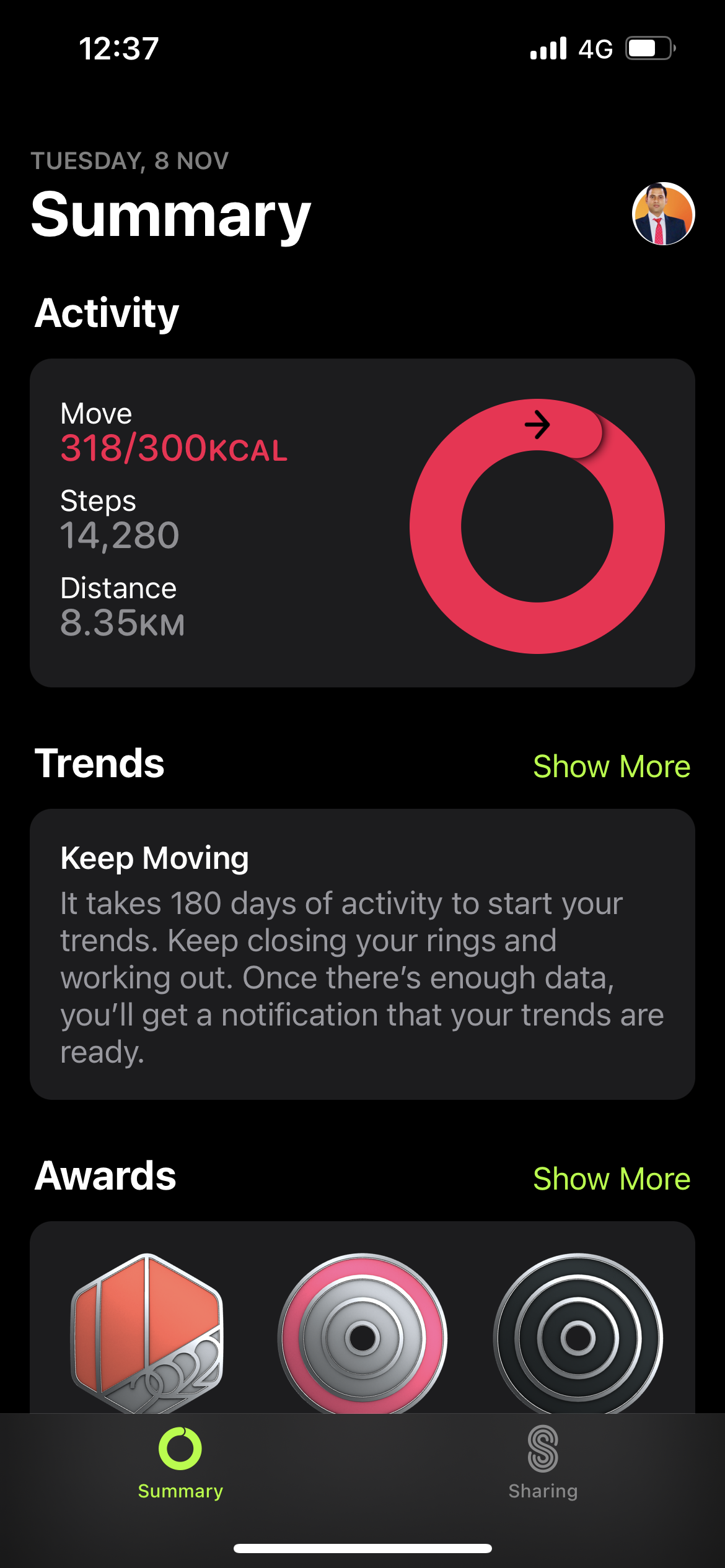
Are you really walking 10,000 steps a day? iPhone’s fitness apps use sensors to count your steps, but accuracy can vary. Consider the impact of carrying your phone in different positions. For instance, having it in your hand versus your pocket might result in different counts. Regular calibration and updates can improve accuracy. So, check if your app’s settings are optimized.
Calorie Burn Calculations
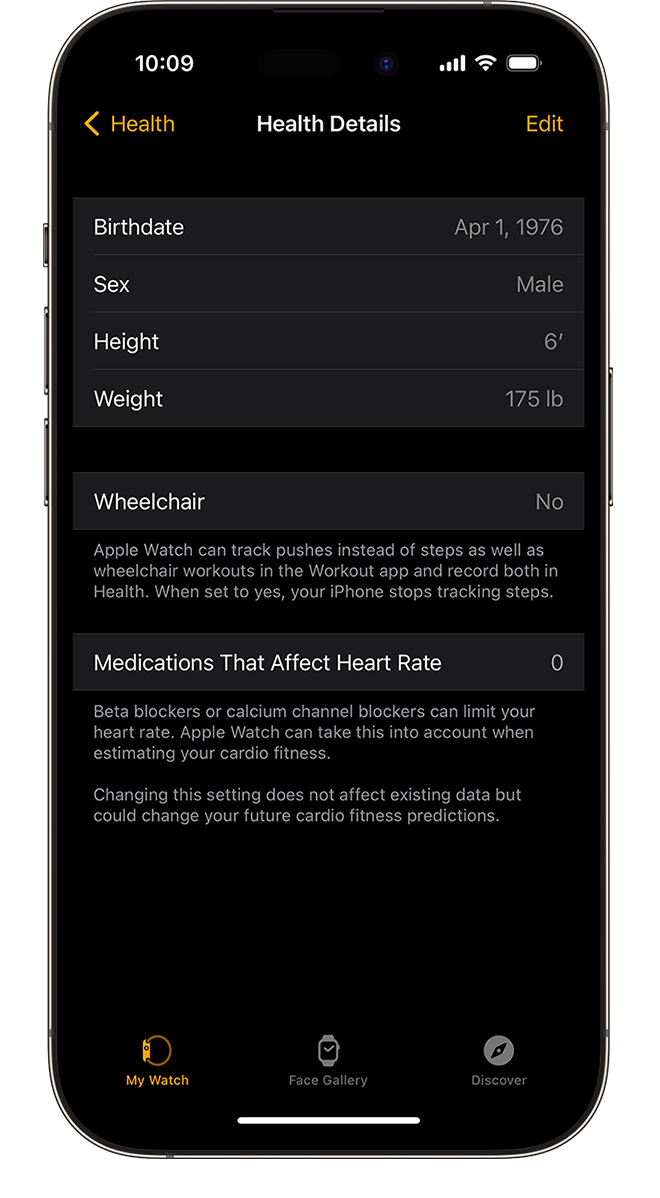
Tracking calories burned is a popular feature, but how precise is it? These calculations depend on various factors like weight, age, and exercise intensity. Have you ever noticed discrepancies in calorie burn between different apps? It’s crucial to input correct personal data for better results. You should also remember that estimated calories can guide you, but they’re not absolute.
Sleep Tracking Precision
Do you wake up feeling more tired than your app suggests? Sleep tracking relies on movement and sometimes heart rate data. Yet, factors like bed sharing or frequent waking can affect accuracy. It’s wise to cross-reference with your own sleep patterns. Can your app detect subtle sleep disruptions? Understanding its limitations can help you interpret the data more effectively.
Data accuracy in fitness apps can be a game-changer for your health goals. With mindful adjustments and awareness, you can make the most out of your iPhone’s tracking features. Have you ever questioned the accuracy of your app? Share your thoughts on how it impacts your daily routine.
Comparing With Other Devices
Fitness apps on iPhone often show reliable accuracy compared to other devices. Many users find them useful for tracking daily activities. The app’s features provide detailed insights, making it a popular choice for fitness enthusiasts.
When assessing how accurate fitness apps on iPhones truly are, comparing them with other devices is crucial. You might wonder if your iPhone app is as reliable as the fitness band your friend swears by or the professional equipment at the gym. Understanding these differences can help you make informed choices about your fitness tracking needs.Smartwatches And Fitness Bands
Smartwatches and fitness bands are popular for tracking activity. They often provide more detailed metrics than a standard iPhone app. With built-in sensors like heart rate monitors, they offer real-time data directly on your wrist. Personal experience with a smartwatch reveals its convenience during workouts. You can track your heart rate and step count without pulling out your phone. This immediacy can motivate you to push a bit harder or slow down when necessary. However, not everyone finds smartwatches more accurate. Discrepancies in data between a smartwatch and an iPhone app can occur, especially if both devices are not synchronized properly. Consider whether the added features and potential accuracy of a smartwatch justify the investment for you.Traditional Pedometers
Traditional pedometers may seem outdated but still have a place in fitness tracking. They are designed to count steps, a simple yet effective measure of daily activity. If you’ve ever used a basic pedometer, you might recall the satisfaction of hitting the 10,000-step mark. Many people appreciate their simplicity and reliability, as they require no charging or syncing. Yet, pedometers lack the advanced features of iPhone apps or smartwatches. They don’t track heart rate or calculate calories burned. Reflect on whether basic step tracking is sufficient for your goals or if you need more comprehensive data.Professional Fitness Equipment
Professional fitness equipment often offers the most accurate data. Machines like treadmills and ellipticals have built-in sensors to monitor your workout. They provide precise metrics like distance, speed, and calories burned. During a gym session, you might notice the treadmill’s calorie count differing from your iPhone app. These discrepancies could arise from different algorithms or user input errors. Consider whether you trust gym equipment more because it’s designed specifically for fitness tracking. Or do you prefer the convenience of having all your data on your phone? Understanding the differences between these devices helps you decide what works best for your fitness journey. What features matter most to you in a fitness tracker?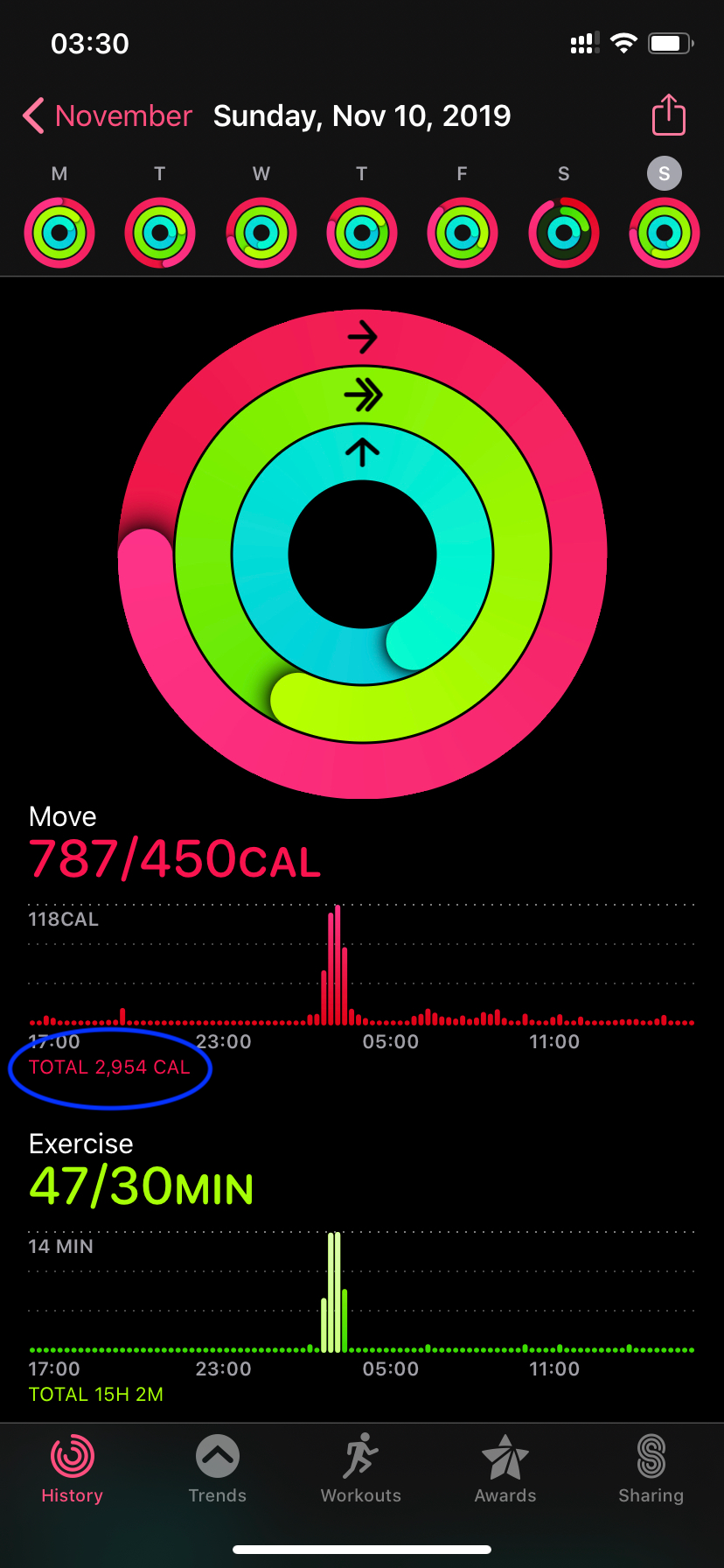
Credit: medium.com
Factors Affecting Precision
Fitness apps on iPhone face accuracy challenges due to sensor quality, user input errors, and varied algorithms. Different models might also affect tracking precision, leaving users with mixed results in fitness data.
When using a fitness app on your iPhone, you might wonder how precise it truly is. Several factors can influence its accuracy. Understanding these can help you get the most from your app and improve your fitness tracking.User Input And Calibration
Your input plays a crucial role in the app’s accuracy. Entering your weight, height, and age correctly ensures better results. Calibration is equally important. If the app requires you to calibrate it with a specific activity, follow those instructions closely. Skipping this step might lead to inaccurate tracking.Environmental Conditions
Environmental factors can also affect precision. Wearing loose clothing might interfere with heart rate sensors. Additionally, walking in areas with poor GPS signal can skew distance tracking. Consider these elements when analyzing your app’s data. Have you noticed discrepancies in your step count when hiking in dense forests? This could be why.Software Updates
Keeping your app updated is essential. Developers constantly improve algorithms to enhance tracking accuracy. An outdated app may not leverage the latest advancements. Check for updates regularly. An update could solve that nagging issue you’ve been experiencing with step count accuracy. Are these factors something you’ve thought about? Reflecting on them can lead to more reliable fitness tracking and better results.User Experiences
Fitness apps on iPhones have become widely popular. These apps promise accurate tracking of workouts, steps, and calories. Users have varying experiences with these apps. Some praise their precision, while others find faults. This section explores user experiences with fitness apps on iPhones.
Positive Feedback
Many users appreciate the accuracy of fitness apps. They find the step count reliable. Heart rate monitoring is often praised. These features help users stay on track. Some notice improvements in their fitness levels. The app’s ease of use is a big plus. Users enjoy setting goals and tracking progress. The integration with other apps is seamless. Many find this feature helpful.
Common Complaints
Some users report inaccuracies in data. Step counts can be off at times. Heart rate readings may vary. This frustrates some users. Battery drain is a frequent complaint. The app can use too much power. GPS tracking can be inconsistent. Users expect reliable location data. Syncing issues also arise sometimes. These problems affect user satisfaction.
Case Studies And Testimonials
John, a regular runner, shares his experience. He finds the step count precise. Heart rate monitoring helps him adjust workouts. Sarah, a busy mom, loves tracking her daily activity. She finds the app easy to use. Mike had syncing issues initially. Updates improved his experience. He now trusts the app for tracking. Real stories highlight varied user experiences. These testimonials provide insights into app accuracy.
Credit: support.google.com
Improving Accuracy
Fitness apps on iPhone strive to deliver precise tracking of activities and health metrics. These apps use advanced sensors to measure steps, heart rate, and calories burned. While generally reliable, variations may occur due to device positioning and external factors.
In today’s tech-driven world, having an accurate fitness app on your iPhone can be a game-changer for your health journey. Yet, how reliable are these apps in tracking your steps, heart rate, or calories burned? Improving their accuracy is crucial for those who rely on them for maintaining a healthy lifestyle. Let’s delve into some best practices, potential technological advancements, and manufacturer recommendations to enhance the precision of these fitness apps.Best Practices For Users
To get the most accurate readings from your iPhone fitness app, start by keeping your personal information up to date. Ensure your height, weight, and age are correctly entered. This data helps the app calculate more precise metrics. Calibrate your app regularly. Walking a known distance and adjusting the app settings can improve accuracy. Don’t forget to sync your app with other health devices you use, like smartwatches or heart rate monitors, to ensure consistent data. Consider your phone placement. Where you carry your phone can impact its ability to track your movements correctly. Try different placements like pockets or armbands to see what works best for you.Potential Technological Advancements
Imagine a world where your fitness app not only tracks steps but also predicts your health trends with stunning accuracy. Developers are working on integrating AI and machine learning to analyze your fitness data better. This could mean personalized health insights tailored just for you. Advancements in sensor technology might soon enable apps to detect even the slightest changes in your body movements. This could dramatically improve the accuracy of tracking exercises like yoga or pilates. What if your app could sync with environmental data to adjust your workout plans based on air quality or weather conditions? Such tech could ensure you’re always exercising in the safest and most efficient way possible.Manufacturer Recommendations
Apple suggests keeping your iPhone software up to date to ensure the best performance from your fitness apps. Updates often include improvements in accuracy and new features. They recommend wearing your Apple Watch snugly for optimal heart rate tracking. A loose fit can lead to inaccurate readings. Review the app’s permission settings. Allow it access to necessary sensors like GPS and motion to ensure it captures all required data. Following these steps can significantly enhance the accuracy of your iPhone fitness app. Are you ready to take control of your fitness journey with precise, actionable data? Implement these tips and witness the difference in your health tracking experience.Frequently Asked Questions
Does Apple Fitness Overestimate Calories Burned?
Apple Fitness may overestimate calories burned. Factors like individual metabolism and device position can affect accuracy. Regular calibration and updates help improve precision. Users should consider these variables and use the data as a general guide.
How Accurate Is Iphone Distance Walked?
IPhone distance tracking is generally accurate due to built-in sensors and GPS. Accuracy may vary with terrain and signal. Regular updates improve precision. Users often find discrepancies minimal, making it reliable for everyday use. For better accuracy, calibrate motion settings and ensure GPS and location services are active.
Do Fitness Apps Overestimate Calories Burned?
Yes, fitness apps can overestimate calories burned. They often rely on general algorithms. Individual factors like age, weight, and metabolism vary. Accuracy improves with personalized data inputs. To achieve reliable results, use apps with detailed tracking features. Always cross-check with other methods for the most accurate assessment.
Is Apple Fitness Accurate For Weight Loss?
Apple Fitness can assist with weight loss by tracking workouts and calories burned accurately. It offers personalized workouts, motivating users to achieve their fitness goals. However, results depend on individual effort and consistency. Always consult a healthcare professional for personalized advice.
Conclusion
Fitness apps on iPhone offer helpful insights into your health. They track steps, calories, and heart rate. Yet, their accuracy can vary. Factors like phone placement affect results. Regular updates improve functions. Users should compare app data with manual tracking.
This ensures better accuracy. Consider using multiple apps for a fuller picture. Fitness apps are not perfect but useful. They motivate users to stay active. Always check app settings for better results. Remember, these tools assist your fitness journey. Real-life activities matter more than app numbers.
Stay active, monitor your progress, and enjoy your health journey.