Have you ever walked into a gym and wondered just how big it really is? Maybe you’re planning to join a gym and want to know if it’s spacious enough for your workouts.
Or perhaps you’re setting up a home gym and need to understand the size requirements. Understanding the size of a gym can make a huge difference in your fitness experience. It can affect everything from your comfort to the variety of equipment available.
We’ll break down what makes a gym big or small, and why it matters to you. Stick around to find out how the size of a gym can influence your workout routine and ultimately, your results.
Gym Size Varieties
Gym sizes vary widely. Some gyms offer compact spaces for quick workouts, while others boast sprawling areas with diverse equipment. Choices depend on personal preferences and fitness goals, ensuring a perfect fit for every enthusiast.
Choosing the right gym size can significantly impact your fitness journey. Each gym size offers unique benefits, catering to different preferences and fitness goals. Whether you’re looking for a cozy space that feels like a second home or a massive complex with endless options, understanding gym size varieties can help you make an informed decision.Small Gyms
Small gyms offer an intimate setting that often fosters a strong sense of community. They typically range from 1,000 to 3,000 square feet and may include basic equipment like free weights, a few cardio machines, and possibly a small studio for classes. The charm of small gyms lies in their friendly atmosphere. You might find personalized attention from trainers, making it easier to stay motivated. If you value personal relationships and a quiet environment, a small gym could be your perfect fit.Medium-sized Gyms
Medium-sized gyms offer a balanced experience with more amenities than small gyms without the overwhelming scale of large ones. These facilities generally span 3,000 to 10,000 square feet, providing a wider range of equipment and classes. In a medium-sized gym, you can enjoy variety without feeling lost in the crowd. They often include specialized areas like functional training zones or group fitness studios. If you’re seeking diversity in your workouts without sacrificing a sense of community, consider this option.Large Gyms
Large gyms are expansive facilities, often exceeding 10,000 square feet, designed to cater to a broad spectrum of fitness needs. They house an extensive range of equipment, multiple studios, swimming pools, and even sports courts. These gyms offer the ultimate flexibility in workout options. You can try a new activity every day, from yoga to basketball. However, with size comes anonymity; you may need to make an effort to connect with fellow members. Are you ready for the endless opportunities a large gym presents? Choosing the right gym size depends on what you value most in your fitness routine. Whether it’s the personal touch of a small gym, the variety of a medium-sized one, or the comprehensive offerings of a large gym, each has its unique appeal. What kind of environment motivates you to achieve your fitness goals?Space Allocation
Understanding how a gym allocates its space helps optimize workouts. Each gym has unique layouts. These layouts focus on specific areas for various activities. The goal is to provide comfort and efficiency for all gym-goers.
A well-organized gym enhances your fitness journey. It offers distinct spaces for different exercises. Let’s explore how gyms allocate space into different zones.
Workout Areas
Workout areas form the heart of a gym. These spaces are usually large and open. They allow for free movement and exercises like yoga or pilates. You’ll find mats, mirrors, and sometimes stretching bars here.
Gyms design these areas to inspire and motivate. Open spaces encourage everyone to reach their fitness goals. They also foster a sense of community among members.
Equipment Zones
Equipment zones house machines and weights. These areas are strategically organized. Machines are often grouped by type, like cardio or strength. Free weights are usually in a separate section.
Clear pathways make it easy to move between machines. This reduces waiting time and boosts workout efficiency. Proper spacing also ensures safety during workouts.
Group Class Spaces
Group class spaces are essential for community fitness. These areas host activities like Zumba, spinning, or HIIT classes. They are usually isolated from other zones to minimize noise.
Spaciousness allows for larger class sizes. This creates a fun and energetic environment. Many gyms offer flexible class schedules. This ensures accessibility for everyone.
Factors Affecting Gym Size
The size of a gym varies due to multiple factors. These factors influence the layout, equipment, and overall environment. Understanding these elements helps gym owners and members maximize space. Here are key factors affecting gym size:
Location Constraints
Location plays a crucial role in determining gym size. Urban areas often have limited space. Buildings in cities may have smaller footprints. This restricts the ability to expand horizontally. In rural areas, space is more abundant. Gyms can be larger with more room for equipment. Accessibility also impacts location choice. A gym near public transport might have less space. Parking availability affects gym dimensions too.
Target Demographic
Understanding the target demographic is essential. Different groups have different needs. A gym catering to families may need more space. This allows room for family-friendly amenities. Gyms targeting professionals might focus on efficiency. Smaller, well-equipped spaces suit busy lifestyles. Age groups influence the gym layout too. Older adults might prefer more open areas for safety. Youth-focused gyms may prioritize areas for group activities.
Budget Considerations
Budget significantly impacts gym size. Larger spaces require more investment. Construction, maintenance, and utilities add up. Smaller gyms can be cost-effective. They need less equipment and staff. Budget dictates design choices. High-end facilities need more room for luxury items. Budget-friendly gyms focus on essential equipment. This helps manage costs while serving members effectively.

Credit: bigskyfitness.com
Designing Efficient Gym Layouts
Designing an efficient gym layout is crucial to creating a welcoming and functional environment for users. A well-thought-out design can enhance the workout experience, increase safety, and maximize the use of available space. Whether you’re setting up a home gym or a commercial fitness center, understanding the key elements of a gym layout can make a significant difference.
Maximizing Space Utilization
Have you ever felt cramped in a gym, struggling to find space for your workout routine? Utilizing space effectively is the backbone of a great gym layout. Start by considering the dimensions of the equipment and the need for free movement around them. Prioritize essential equipment and arrange them to optimize floor space.
Think vertically. Use wall-mounted racks and high shelves to store smaller equipment like dumbbells and kettlebells. This not only saves floor space but also keeps the gym looking tidy. Remember, a clutter-free gym encourages more effective workouts.
Flow And Accessibility
Imagine navigating your gym with ease, transitioning smoothly from one exercise to another. That’s the power of good flow and accessibility. Create clear pathways between equipment and workout zones, ensuring users can move without obstacles. This not only improves workout efficiency but also enhances user satisfaction.
Consider the placement of equipment in relation to entrances and exits. Ensure that popular machines are easily accessible and avoid bottlenecks in high-traffic areas. Your gym should feel inviting and easy to navigate for everyone.
Safety And Comfort
Safety and comfort are paramount in a gym setting. Have you ever tripped over loose weights or struggled to find a safe spot for stretching? Make sure that safety measures are integrated into your layout from the start. Arrange equipment with adequate spacing to prevent accidents.
Implement padded flooring in areas prone to heavy lifting to minimize injury risk. Provide ample lighting to ensure visibility, especially in darker workout zones. Comfortable environments reduce stress and help users focus on their fitness goals.
Designing a gym layout isn’t just about placing equipment—it’s about creating a space that motivates and enables effective workouts. How can you rearrange your current gym setup to improve your exercise experience? Consider these elements and watch your gym transform into a more efficient and inviting space.
Adapting To Trends
Gym sizes vary widely, adapting to fitness trends and community needs. From compact boutique studios to expansive fitness centers, each gym caters to different workout preferences. Choosing the right size depends on personal goals and the facilities offered.
In today’s fast-paced world, gyms are constantly evolving to keep up with ever-changing fitness trends. This evolution is not just about expanding physical space but about adapting to what fitness enthusiasts value most. As a fitness lover, have you ever wondered how your gym stays relevant and exciting? Let’s dive into how gyms adapt to current trends and keep you motivated on your fitness journey.Incorporating New Fitness Trends
Gyms now offer a variety of classes and equipment to suit different fitness preferences. From high-intensity interval training (HIIT) sessions to yoga and dance workouts, there’s something for everyone. Have you tried a new class at your gym recently? It might be the perfect way to shake up your routine and discover something new. Many gyms are also introducing flexible spaces that can transform based on the activity. This adaptability allows gyms to cater to both solo workouts and group classes. Next time you visit, notice how your gym’s layout might change throughout the day.Technology Integration
Technology is reshaping how we experience workouts. From virtual trainers to fitness apps, gyms integrate tech to enhance your exercise experience. Using a fitness app to track your progress can provide motivation and accountability. Smart equipment is also making its way into gyms, offering personalized workouts and real-time feedback. Have you used a treadmill that adjusts speed based on your heart rate? These innovations make workouts more efficient and engaging.Sustainable Practices
Sustainability is becoming a priority for many gyms. Eco-friendly practices are not just a trend but a necessity. Gyms are adopting energy-efficient machines and reducing waste to minimize their environmental impact. Some gyms even offer incentives for members who bring reusable water bottles or participate in clean-up events. Your small actions can contribute to a healthier planet and a more sustainable gym environment. Being part of a gym that values sustainability can make your workouts feel even more rewarding. How does your gym contribute to a greener future? With these trends in mind, gyms are continuously evolving to meet your needs and expectations. So, next time you step into your gym, take a moment to appreciate how it adapts to the latest trends to enhance your fitness journey.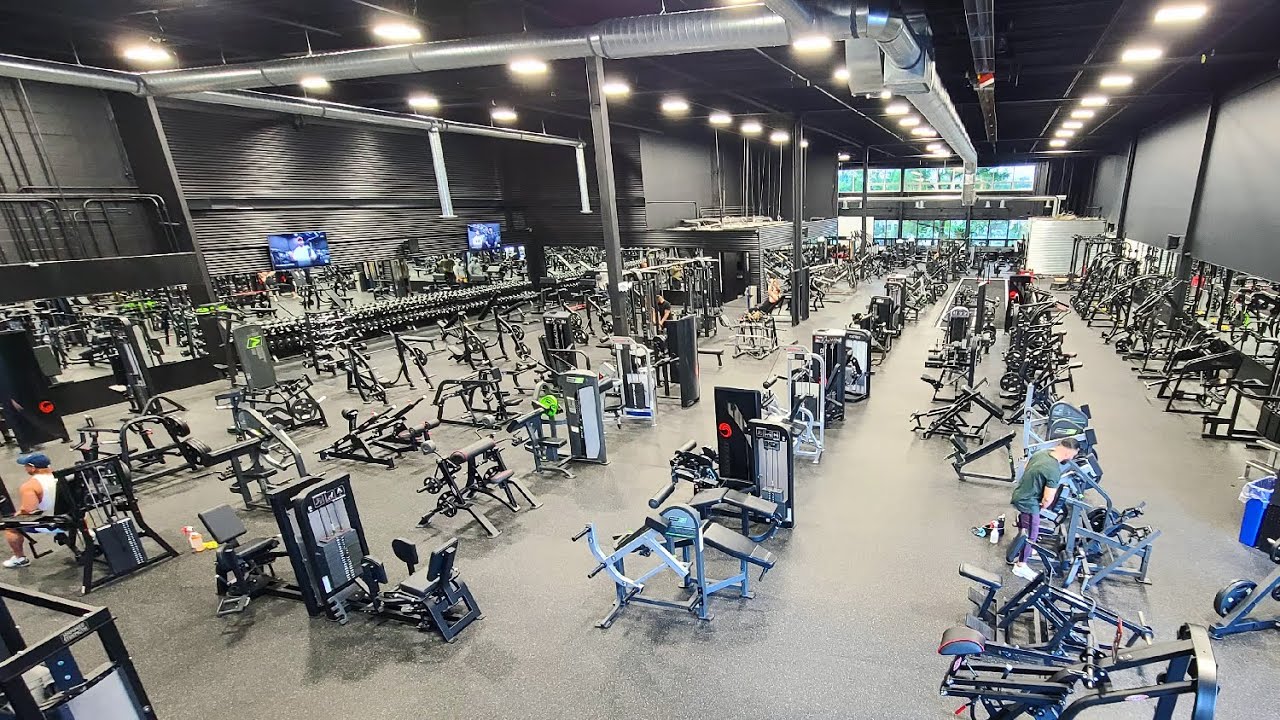
Credit: www.youtube.com
Examples Of Unique Gym Spaces
When it comes to gyms, the size can vary widely, offering unique spaces that cater to different fitness needs. Whether you’re a seasoned athlete or a beginner, understanding the variety of gym spaces available can help you choose the right environment for your workout journey. Let’s dive into some examples of unique gym spaces that might just surprise you.
Boutique Studios
Boutique studios are small but mighty. They often focus on specialized workouts like yoga, Pilates, or high-intensity interval training. These spaces offer a more personalized experience, often with intimate class sizes and tailored instruction.
Think about the last time you craved a community vibe while working out. Boutique studios provide just that. You’re not just another face in the crowd; you’re part of a focused group with shared goals.
Consider the advantages of these spaces: a sense of belonging, expert guidance, and a focused workout environment. Do you prefer a tailored workout in a close-knit community?
Multi-purpose Fitness Centers
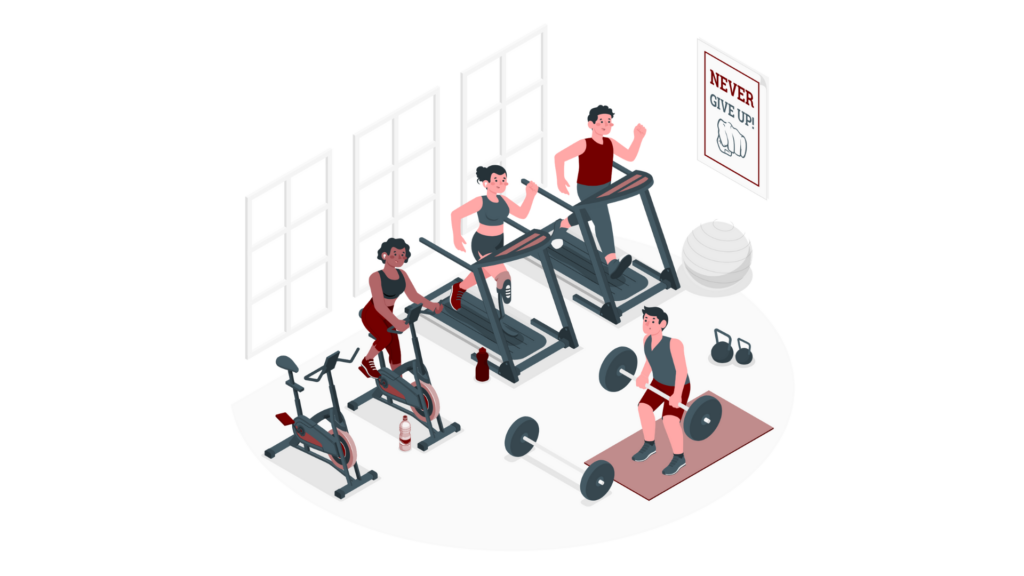
Multi-purpose fitness centers are the Swiss army knives of gym spaces. They offer a wide range of equipment and classes, catering to diverse fitness interests. From swimming pools to weight rooms, these centers have it all.
Imagine walking into a space where you can lift weights, swim laps, and take a dance class—all under one roof. These gyms provide flexibility and variety, keeping your workouts exciting and fresh.
But here’s a thought: with so many options, how do you stay focused on your fitness goals? It’s essential to plan your workouts to make the most of this diverse environment.
Outdoor Fitness Areas
Outdoor fitness areas blend exercise with nature. They’re perfect for those who enjoy fresh air and sunshine while breaking a sweat. Whether it’s a park with fitness stations or a beach with yoga classes, these spaces offer unique benefits.
Have you ever felt the invigorating rush of completing a workout outside? The natural surroundings can boost your mood and energy levels. Plus, it’s a great way to escape the confines of indoor environments.
So, next time you’re planning your workout, consider stepping outside. How does your environment influence your motivation and performance?
These unique gym spaces offer something for everyone. Whether you seek personalized attention, variety, or a connection with nature, there’s a space that fits your needs. Explore these options and find the perfect gym that aligns with your fitness journey.
Credit: wod.guru
Frequently Asked Questions
What Is The Average Size Of A Gym?
The average gym size ranges from 3,000 to 5,000 square feet. Boutique gyms may be smaller, around 2,500 square feet. Larger fitness centers can exceed 20,000 square feet. Gym size varies based on services, equipment, and location. Consider your needs and local offerings when determining the appropriate gym size.
Is 1000 Sq Ft Enough For A Gym?
A 1000 sq ft space is typically sufficient for a small gym. It can accommodate essential equipment like treadmills, weights, and benches. Consider layout optimization and equipment selection to maximize usage. For larger classes or more equipment, additional space may be needed.
What Size Do You Need For A Gym?
A gym typically requires 150 to 250 square feet per person. For a home gym, 200 square feet suffices. Larger commercial gyms need more space, about 3,000 to 5,000 square feet, to accommodate various equipment and activities. Consider your equipment needs and the number of users when planning.
How Much Space Is Needed For A Total Gym?
A total gym typically requires around 6 to 10 feet of floor space. Ensure there’s enough room for full range of motion during exercises. Consider ceiling height if using attachments. Check specific model dimensions for accurate space needs.
Conclusion
Choosing the right gym size matters for your fitness goals. Small gyms offer a cozy, personal touch. Large gyms provide more equipment and classes. Think about your needs. Convenience and comfort play a big role too. Visit a few gyms before deciding.
Check space, amenities, and crowd size. A perfect gym size boosts motivation and enjoyment. Remember, your ideal gym supports your fitness journey. Make your choice wisely, and happy exercising!