Ever wondered how your fitness app knows every step you take? It might seem like magic, but it’s a blend of technology and clever algorithms.
These apps are more than just fancy pedometers; they’re your personal cheerleaders, nudging you toward your health goals. But how exactly do they keep track of your every move? By delving into the fascinating mechanics behind fitness apps, you’ll uncover the secrets of how they count your steps with such accuracy.
Understanding this can not only enhance your fitness journey but also empower you to make the most of these digital companions. Ready to unravel the mystery and take control of your fitness journey? Read on to discover how these tiny tech marvels work tirelessly to keep you moving and motivated.
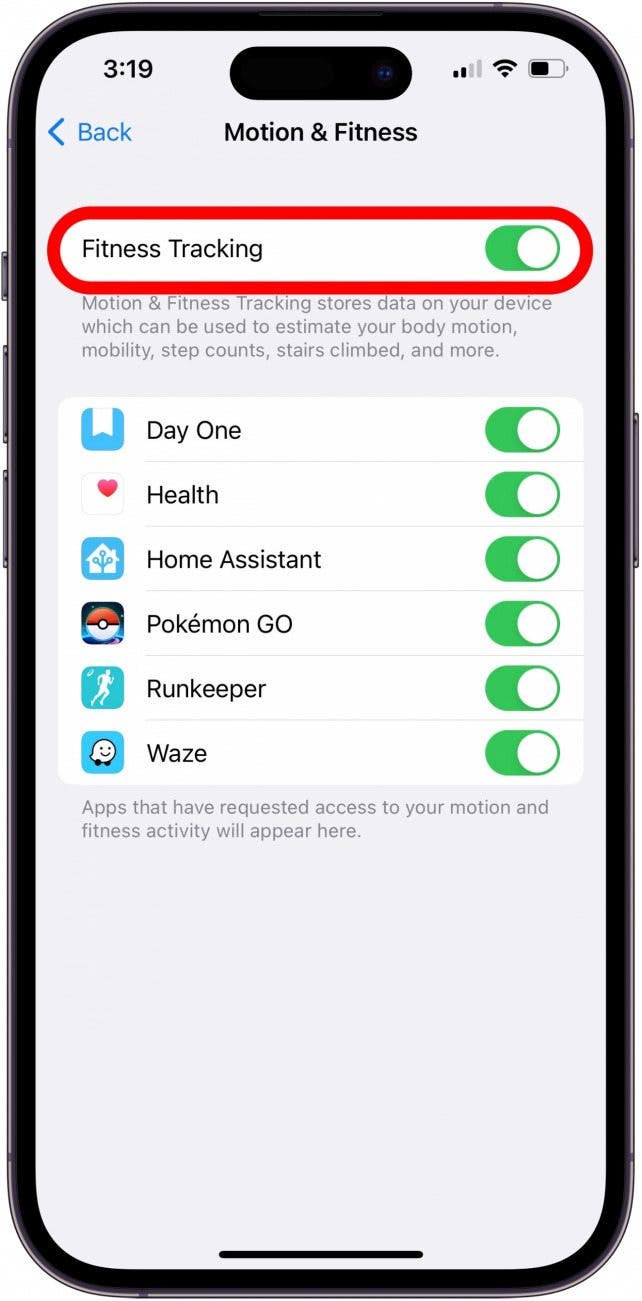
Credit: www.iphonelife.com
Step Tracking Technology
Ever wondered how your smartphone or fitness tracker counts your steps with such precision? Step tracking technology is the backbone of fitness apps, enabling them to monitor your movements seamlessly. By understanding the different components like accelerometers, gyroscopes, and GPS systems, you can appreciate how these devices keep you on track with your fitness goals.
Accelerometers
Accelerometers are tiny sensors that measure acceleration. They detect changes in your movement and translate these into steps. Picture walking down the street; every time your foot hits the ground, the accelerometer senses this motion. It’s like having a mini motion detector in your pocket.
These sensors are incredibly sensitive. They can distinguish between walking, jogging, and even standing still. This sensitivity ensures that your step count is accurate, whether you’re strolling through a park or sprinting for the bus.
Gyroscopes
Gyroscopes complement accelerometers. They measure rotation, helping to refine the accuracy of step tracking. Imagine holding your phone while moving your arm; the gyroscope detects the tilt and rotation, ensuring your steps are counted correctly.
Without gyroscopes, your device might confuse arm movements with walking. This technology ensures that the app knows when you’re actually moving forward, not just waving your phone around. Next time you’re at a concert, check your step count and see how well it differentiates between dancing and walking!
Gps Systems
GPS systems offer a broader perspective. They track your location, providing data on distance and speed. When you head out for a run, GPS systems map your route, offering insights into your pace and progress. It’s like having a digital coach guiding you on your path.
While GPS is great for outdoor activities, it might struggle indoors. Do you notice fewer steps on rainy days? That’s the GPS system’s limitations. However, combined with accelerometers and gyroscopes, it still offers a comprehensive tracking experience.
Step tracking technology is a fascinating blend of science and innovation. By understanding these components, you can better utilize your fitness apps to reach your health goals. So, next time you lace up your sneakers, think about the technology working tirelessly to keep you moving forward. What new paths will you explore with this knowledge in your pocket?
Data Processing Methods
Fitness apps have become a staple for tracking steps, but have you ever wondered how they process all that data? Behind the scenes, these apps use sophisticated methods to ensure accuracy and reliability. Understanding these methods can enhance how you use these tools for your fitness journey.
Algorithm Design
Algorithms are the brains behind step tracking. They interpret data from your phone or wearable device to count your steps. These algorithms are designed to differentiate between walking, running, or other movements to provide accurate step counts.
Imagine walking in a crowded market, where each step matters for your daily goal. The app’s algorithm adjusts and learns to count steps accurately despite the hustle and bustle. This adaptability makes your fitness app a reliable partner in your fitness goals.
Sensor Fusion
Sensor fusion involves combining data from multiple sensors to improve step tracking accuracy. Your phone or wearable might use an accelerometer, gyroscope, and GPS to gather data. By merging this information, the app can provide a clearer picture of your movements.
Think about hiking in the mountains, where terrain varies significantly. Sensor fusion helps your app adjust to different walking patterns and inclines. This means your step count remains precise, whether you’re on a flat trail or climbing a steep hill.
Have you ever compared your step count from two different devices and noticed a discrepancy? This is where sensor fusion plays a crucial role. It ensures consistency and precision, offering a reliable account of your fitness activities.
Data processing methods like algorithm design and sensor fusion make your fitness app more than just a step counter. They enhance its capability to adapt to your lifestyle, providing you with valuable insights. How will you use this knowledge to achieve your fitness goals more effectively?
Accuracy And Limitations
Fitness apps use sensors to track steps, but accuracy varies. Movement patterns like driving can confuse step count, leading to errors. Regular app updates aim to enhance tracking precision and reduce these limitations.
Fitness apps have become an integral part of many people’s lives, offering a convenient way to track daily activity, especially steps. However, while these apps boast cutting-edge technology, they are not without their flaws. Understanding the accuracy and limitations of fitness apps can help you better interpret the data they provide.Factors Affecting Accuracy
The accuracy of step tracking in fitness apps can vary based on several factors. Device positioning plays a crucial role; a phone in your pocket may track steps differently than one in a backpack. The type of activity is another factor. Walking on a smooth sidewalk might register more accurately than hiking on a rugged trail. Moreover, the underlying technology can make a difference. Some apps use GPS, while others rely on motion sensors or a combination of both. Each method has its strengths and weaknesses, impacting the precision of your step count.Common Limitations
Despite their popularity, fitness apps have limitations. One common issue is the detection of non-walking activities as steps. If you’ve ever clapped your hands and seen your step count increase, you’ve experienced this firsthand. Battery life can also be a concern. Using GPS continuously can drain your device quickly, leading to an incomplete step count for the day. Additionally, discrepancies between different brands and models of devices can lead to variations in data. Have you ever questioned the reliability of your fitness app? Knowing these limitations can help you use your app more effectively. It’s important to remember that while these apps are useful tools, they’re not perfect. Always use them as a guide rather than an absolute measure of your activity.Integration With Smartphones
Fitness apps have become an integral part of our daily routines, helping us track our steps and monitor our health with ease. The magic happens when these apps integrate seamlessly with smartphones, making fitness tracking almost effortless. Have you ever wondered how your phone knows exactly how many steps you’ve taken without you even thinking about it?
Bluetooth Connectivity
Bluetooth connectivity plays a crucial role in step tracking. It acts as a bridge between your fitness tracker and smartphone. When you pair your device via Bluetooth, it ensures that data is transferred in real-time.
This means that every step you take is promptly recorded and displayed on your phone. Remember the last time you saw your step count update instantly after a brisk walk? That was Bluetooth at work.
Think of Bluetooth as the silent communicator. It quietly updates your app without needing a single tap from you.
App Synchronization
App synchronization ensures your fitness data is always up-to-date. This process aligns the data from your fitness tracker with your smartphone app. But how often does this sync occur?
Most apps allow you to customize sync settings. You can choose between automatic updates or manual syncs, depending on your preference.
Imagine checking your phone after a day of activity and seeing a comprehensive summary of your movements. This instant gratification can motivate you to stay active and surpass your goals.
Have you adjusted your sync settings to match your lifestyle? A quick tweak can offer you more control over your fitness journey.
Popular Fitness Apps
Fitness apps have become essential tools for tracking steps. They offer users insights into their daily activity levels. With numerous options available, selecting the best app can be challenging. Popular fitness apps cater to various needs. They provide different features and user experiences. Let’s explore some of the most popular ones.
Features Comparison
Different apps offer unique features. Step tracking is just one aspect. Some apps provide calorie tracking and heart rate monitoring. Others focus on goal setting and progress tracking. GPS integration helps in mapping routes. Social sharing features enhance user interaction. Compatibility with various devices is crucial. Some apps sync with smartwatches. Others link with health platforms. Choosing the right app depends on personal preferences.
User Reviews
User feedback is vital for app selection. Positive reviews often highlight ease of use. Many users appreciate intuitive interfaces. Some apps receive praise for accuracy in tracking. Customer support and app updates are often mentioned. Negative reviews may focus on battery usage. Some users report connectivity issues. Reading reviews helps in making informed decisions.
Privacy And Data Security
Fitness apps are popular for tracking steps and improving health. But, they collect personal data. Users often worry about privacy and data security. How do these apps protect your information? This section explores the measures taken by fitness apps to secure user data.
Data Encryption
Data encryption is crucial for protecting user information. Fitness apps use encryption to keep your data safe. This means your information is scrambled. Only authorized systems can read it. Encryption prevents hackers from accessing your personal details. You can rest assured your data stays private.
User Consent
User consent is important in data protection. Fitness apps request permission before accessing your data. They explain what data they collect and why. You can choose to allow or deny access. This gives you control over your information. Always read the consent forms carefully. Understand what you’re agreeing to.
Future Trends In Step Tracking
Fitness apps track steps using sensors like accelerometers in smartphones and wearables. They count each step through motion detection. Future trends may include enhanced accuracy and health insights, providing users with a more comprehensive view of their physical activity.
As technology continues to evolve, the future of step tracking is looking more promising and exciting than ever before. Fitness apps are not just about counting steps anymore; they are becoming smarter and more integrated into our daily lives. With advancements in wearables and artificial intelligence, step tracking is set to become more precise, personalized, and insightful.Wearable Innovations
Wearable devices are becoming sleeker, more comfortable, and packed with new features. Think of smart shoes that track your steps directly from your feet or wearables that can be seamlessly integrated into your clothing. This means step counting could become more accurate, as these devices are closer to your point of movement. Imagine a future where your smart glasses can track your steps while providing you with real-time feedback on your health. This level of integration could make step tracking more intuitive and less reliant on traditional devices like smartphones or wristbands. How would your daily routine change if your clothing or accessories could track your fitness without any extra effort?Ai And Machine Learning
Artificial intelligence and machine learning are game-changers in the world of step tracking. These technologies can analyze your walking patterns, providing insights into your fitness levels and potential health issues before they arise. They can even suggest personalized goals based on your activity patterns and lifestyle. Picture a scenario where your fitness app learns from your behavior and adjusts your daily step goals according to your schedule. If you usually have a busy workday, it might suggest a lower step count, compensating with a higher target on weekends. This personalized approach makes fitness tracking more adaptable and supportive of your unique lifestyle. The future of step tracking is not just about counting steps. It’s about providing you with a comprehensive understanding of your health. How ready are you to embrace these innovations and take your fitness journey to the next level?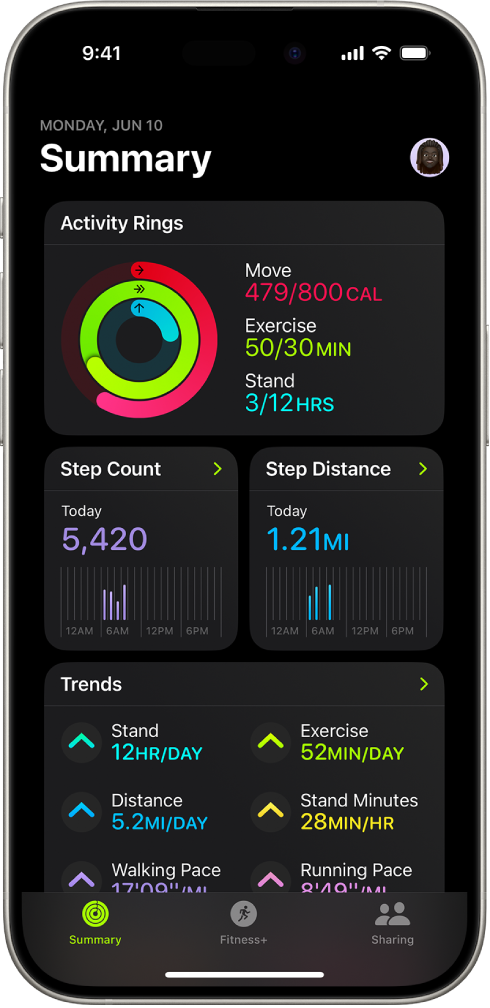
Credit: support.apple.com

Credit: www.reddit.com
Frequently Asked Questions
How Accurate Is The Fitness App With Steps?
Fitness app step accuracy varies based on device and activity. Most apps provide a general estimate. For best results, ensure proper device calibration and placement. Some apps may overestimate or underestimate steps, especially during non-walking activities. Regular updates and app reviews can improve tracking precision.
Does An Iphone Have To Be In The Pocket To Track Steps?
No, an iPhone doesn’t need to be in your pocket to track steps. It can track steps from a bag or hand. Ensure the iPhone’s motion sensors are active for accurate step tracking.
Do Fitness Trackers Overestimate Steps?
Yes, fitness trackers can sometimes overestimate steps due to arm movements or sensitivity settings. Calibration improves accuracy. Regular updates ensure better performance. Choose a reliable brand and model for more precise tracking. Always verify data with manual counting for best results.
Fitness trackers offer useful insights but aren’t always perfect.
How Does An App Know How Many Steps You Take?
An app uses your smartphone’s accelerometer and gyroscope sensors to track movement. These sensors detect steps by measuring motion patterns. The app processes this data to count steps accurately, providing insights into your daily activity levels.
Conclusion
Fitness apps make step tracking easy and accessible. They use sensors to count movements. GPS helps in tracking routes and distance. Algorithms ensure accuracy. These features encourage daily activity. Users can monitor progress. Set goals. Stay motivated. Fitness apps are handy tools for health.
They fit into our busy lives. Easy to use. Helpful for improving fitness levels. By tracking steps, they support active lifestyles. Try one today. Feel the difference in your routine. Stay active and healthy with technology.