Building muscle without weights might sound like a challenge. You might wonder if it’s even possible.
The good news is that it is entirely achievable, and you can start right where you are, no expensive gym membership or heavy equipment needed. Imagine sculpting your physique using just your body weight and a few simple techniques. Curious about how this works?
Picture yourself harnessing your own strength and seeing real results, all from the comfort of your home or wherever you choose. This approach not only saves you time and money but also empowers you to take control of your fitness journey. By the end of this article, you’ll discover effective strategies to maximize your muscle gains using nothing but your own body. Ready to learn how? Keep reading to unlock the secrets to building muscle without weights.
Bodyweight Exercises
Building muscle without weights relies on bodyweight exercises like push-ups, squats, and planks. These activities use your own weight for resistance. Consistent practice and increasing repetitions help develop strength and muscle definition.
Building muscle without weights might sound challenging, but it’s entirely possible with bodyweight exercises. These exercises use your own body as resistance and can be just as effective as lifting weights. They are convenient, require no equipment, and can be done anywhere, making them perfect for those who prefer working out at home or while traveling.Push-ups
Push-ups are a classic exercise that targets your chest, shoulders, triceps, and core. Start by placing your hands slightly wider than shoulder-width apart on the floor. Keep your body in a straight line from head to heels, and lower your body until your chest nearly touches the ground. Push back up to the starting position. You can modify push-ups to increase or decrease difficulty. Try knee push-ups if you’re just starting out, or elevate your feet to add more challenge. Push-ups offer endless variety to keep your workouts exciting.Squats
Squats are a powerhouse move for building strength in your legs and glutes. Stand with your feet shoulder-width apart and lower your hips back and down as if sitting in a chair. Keep your chest up and your heels grounded. Push through your heels to return to standing. Squats can be spiced up by trying jump squats or adding a pause at the bottom. They improve balance and coordination while torching calories.Lunges
Lunges are fantastic for working your quads, hamstrings, and glutes. Step forward with one leg and lower your hips until both knees are bent at about a 90-degree angle. Make sure your front knee is directly above your ankle. Push back to the starting position and switch legs. Walking lunges or reverse lunges add variety and challenge. Lunges also help improve your stability and strengthen your core. These bodyweight exercises can effectively build muscle and improve your fitness. What’s your favorite bodyweight exercise, and how has it transformed your workout routine? Remember, the key is consistency and challenging yourself progressively.Plyometric Movements
Plyometric movements help build muscle without weights by using explosive exercises like jump squats and burpees. These exercises increase muscle power and strength through quick, intense movements. Perfect for those seeking strength gains without equipment.
Building muscle without weights might seem challenging, but it’s entirely possible with the right approach. Plyometric movements are a powerful way to enhance strength, speed, and muscle growth using nothing but your own body. These explosive exercises focus on quick, powerful movements that engage multiple muscle groups, providing an intense workout that can rival any gym session.Jump Squats
Jump squats are a fantastic exercise to boost your leg muscles and cardiovascular health. Begin in a regular squat position. Push through your heels and jump as high as you can, landing softly back into the squat stance. I remember adding jump squats to my routine when I couldn’t access a gym. The burn in my quads and glutes was a satisfying reminder that my muscles were working hard. Try adding a set of 10 to 15 reps to your workout and feel the difference.Burpees
Burpees are the epitome of a full-body workout. Start in a standing position, drop into a squat, kick your feet back into a plank, return to the squat, and leap into the air. It’s a workout that tests your endurance and agility all at once. I used to dread burpees until I realized how efficiently they build strength and stamina. They’re challenging, but the sense of accomplishment afterwards is unmatched. Aim for 5 to 10 reps and gradually increase as you build endurance.Box Jumps
Box jumps are perfect for enhancing lower body power. Find a sturdy box or platform. Stand with your feet shoulder-width apart, bend your knees, and jump onto the box, landing softly with bent knees. The first time I tried box jumps, I was surprised at how much focus they required. They taught me the importance of precision and control. If you’re new to box jumps, start with a lower platform to build confidence and skill. Plyometric movements are not just about building muscle; they also enhance your coordination and balance. Have you tried these exercises before? What was your experience? Remember, consistency is key. Keep challenging yourself and track your progress.Isometric Holds
Building muscle doesn’t always need weights. Isometric holds are effective exercises to build muscle strength. These exercises involve holding a position without moving. They focus on maintaining tension in your muscles. Isometric holds increase strength and endurance. They can be done anywhere without equipment. Let’s explore some popular isometric holds.
Planks
Planks are fantastic for core strength. Start by lying face down. Place your forearms on the ground. Keep elbows under shoulders. Lift your body off the ground. Only toes and forearms should touch the floor. Hold this position. Keep your body straight. Engage your core muscles. Breathe steadily.
Wall Sits
Wall sits work your legs and glutes. Stand with your back against a wall. Slide down into a seated position. Your thighs should be parallel to the floor. Keep knees over ankles. Hold this position. Feel the burn in your thighs. Maintain a straight back. Breathe normally.
Static Lunges
Static lunges target your legs and balance. Start by stepping one foot forward. Bend both knees. Keep your front knee over your ankle. Your back knee should hover above the ground. Hold this position. Engage your core. Feel the muscles in your legs work. Switch legs after holding.

Credit: www.fitmole.org
Calisthenics Techniques
Calisthenics techniques offer an effective way to build muscle without weights. These exercises use body weight for resistance. They are accessible and can be done anywhere. Calisthenics improves strength and flexibility. It also enhances balance and coordination. Explore these fundamental techniques to start your muscle-building journey.
Pull-ups
Pull-ups target your back, shoulders, and arms. Find a sturdy bar to hang from. Grip the bar with palms facing away. Pull your body up until your chin is above the bar. Lower yourself slowly to the starting position. Repeat for multiple repetitions. Pull-ups build upper body strength effectively.
Dips
Dips focus on your triceps, chest, and shoulders. Use parallel bars or any stable surface. Position your hands on the bars. Lower your body by bending your elbows. Keep your torso upright. Push back up to the starting position. Dips help strengthen and tone your upper body muscles.
Leg Raises
Leg raises work your lower abs and hip flexors. Lie flat on your back. Place your hands under your glutes for support. Lift your legs until they are perpendicular to the floor. Lower them slowly without touching the ground. Repeat for several repetitions. Leg raises enhance core strength and stability.
Resistance Bands
Resistance bands offer a versatile way to build muscle. They are portable and inexpensive. Great for workouts at home or on the go. They create tension. This helps muscles grow without weights. Using bands can target different muscle groups.
Band Rows
Band rows strengthen your back. Stand on the band with feet shoulder-width apart. Hold the ends with both hands. Pull the band towards you. Keep elbows close to your body. Squeeze your shoulder blades. This exercise improves posture. It also enhances back muscle definition.
Band Presses
Band presses work your chest and arms. Secure the band behind you. Hold the ends in each hand. Push forward like a chest press. Keep your core tight. This helps build upper body strength. It also tones your chest. Repeat for several reps.
Band Squats
Band squats are great for legs. Step on the band with feet shoulder-width apart. Hold the ends with hands by your shoulders. Lower into a squat. Keep knees aligned with toes. Stand back up. This exercise builds leg muscles. It improves balance and coordination.

Credit: www.wikihow.fitness
Functional Fitness
Functional fitness focuses on exercises that improve daily life movements. It enhances your strength, flexibility, and endurance. These exercises help you build muscle without weights. They engage multiple muscle groups, making your body work as a unit. Functional fitness improves overall physical performance.
Balance Exercises
Balance exercises are crucial for stability and muscle growth. They strengthen your core and lower body. Try standing on one leg for 30 seconds. Then switch to the other leg. You can also walk heel-to-toe in a straight line. These exercises improve your balance and coordination.
Coordination Drills
Coordination drills enhance your body’s ability to work harmoniously. They improve muscle control and timing. Practice hand-eye coordination with a simple ball toss. Bounce the ball against a wall and catch it. Jumping jacks are also effective for coordination. These drills make you more agile and responsive.
Agility Workouts
Agility workouts boost your speed and quickness. They involve quick changes in direction and movement. Set up cones or markers for a zigzag run. Sprint to each marker with quick turns. Ladder drills also enhance agility. Quick foot movements on a ladder improve speed. Agility workouts build muscle while improving reflexes.
Nutrition For Muscle Growth
Building muscle without weights focuses on nutrition and bodyweight exercises. Consume protein-rich foods like eggs, chicken, and beans. Pair them with complex carbs and healthy fats. These provide energy and support muscle repair. Regular exercises like push-ups and squats help strengthen muscles.
Building muscle without weights might seem challenging, but it’s entirely possible with the right nutrition. Your diet plays a crucial role in muscle growth, providing the essential building blocks your body needs. Let’s dive into the key components of a muscle-building diet.Protein Intake
Protein is the cornerstone of muscle development. Aim to include high-quality protein sources in every meal. Think eggs, chicken, or even plant-based options like lentils and chickpeas. How much protein is enough? A good rule of thumb is to consume about 1.6 to 2.2 grams of protein per kilogram of your body weight daily. Consistency is key. Even if you’re not lifting weights, your muscles need a steady supply of protein to repair and grow.Healthy Fats
Don’t shy away from fats. They are essential for hormone production, including testosterone, which is crucial for muscle growth. Choose sources like avocados, nuts, seeds, and olive oil. These not only provide energy but also support overall health. When I started adding more healthy fats to my diet, I noticed a significant improvement in my energy levels and recovery time. Try it, and you might experience the same benefits.Carbohydrate Sources
Carbs are your primary energy source. They fuel your workouts and help with recovery. Opt for complex carbohydrates like whole grains, sweet potatoes, and quinoa. They release energy slowly, keeping you fueled for longer. Have you ever felt sluggish during a workout? It could be due to a lack of carbs. Ensuring you have enough in your diet can make your workouts more effective and enjoyable. Are you ready to optimize your nutrition for muscle growth? Start by evaluating your current diet and see where these adjustments can fit in. Remember, building muscle is a journey, and every small step counts.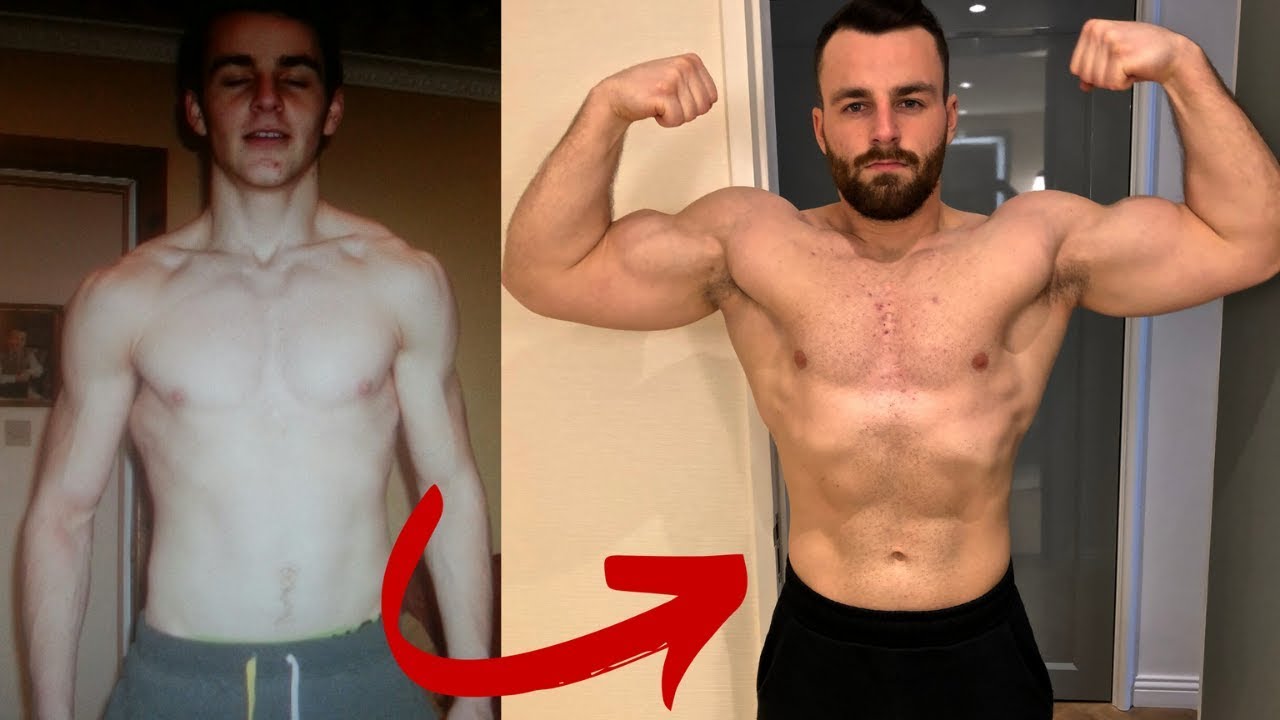
Credit: www.youtube.com
Recovery Strategies
Building muscle without weights demands effective recovery strategies. Your muscles need time and care to grow stronger. Recovery is a crucial part of the muscle-building process. It helps prevent injuries and ensures progress. Let’s explore some key recovery methods.
Rest Days
Rest days are vital for muscle recovery. They allow your muscles to repair and grow. Taking breaks prevents overtraining. It reduces the risk of muscle strain. Incorporate rest days into your weekly routine. Listen to your body’s signals. If you feel sore, take a day off. This helps your muscles recover efficiently.
Stretching
Stretching is essential after workouts. It keeps your muscles flexible and strong. Stretching enhances blood flow to your muscles. This aids in faster recovery. It also reduces muscle tightness and soreness. Spend 10-15 minutes stretching daily. Focus on major muscle groups. This routine improves flexibility and prevents injuries.
Sleep Quality
Quality sleep plays a significant role in muscle recovery. During sleep, your body repairs damaged tissues. Aim for 7-9 hours of sleep each night. Good sleep boosts muscle growth and recovery. Ensure your sleep environment is comfortable. Limit screen time before bed. This promotes better sleep quality and supports muscle building.
Frequently Asked Questions
Is It Possible To Build Muscle Without Weights?
Yes, building muscle without weights is possible. Use bodyweight exercises like push-ups, squats, and planks. Consistent workouts and proper nutrition enhance muscle growth. Incorporate resistance bands for added challenge. Stay committed and gradually increase intensity to achieve desired results.
What Is The 6 12 25 Rule?
The 6 12 25 rule is a budgeting guideline for online advertising. Spend 6% of your budget on testing, 12% on optimization, and 25% on scaling successful campaigns. This rule helps allocate resources effectively, maximizing ROI by balancing experimentation, improvement, and growth in digital marketing strategies.
What Kills Muscle The Most?
Overtraining, poor nutrition, and lack of rest hinder muscle growth. Chronic stress and inadequate protein intake also damage muscle. Prioritize balanced diets, sufficient sleep, and proper training to maintain muscle health. Avoid excessive alcohol and ensure proper hydration to support muscle preservation.
Is Working Out 30 Minutes A Day Enough To Build Muscle?
Yes, 30 minutes of exercise daily can help build muscle. Focus on strength training and progressive overload. Consistency and proper nutrition are crucial. Tailor workouts to target muscle groups for effective results. Ensure exercises challenge muscles sufficiently to stimulate growth and development.
Conclusion
Building muscle without weights is entirely possible. Consistent effort is key. Use bodyweight exercises like push-ups and squats. These strengthen and tone muscles effectively. Prioritize good form to avoid injury. Mix in different activities to keep workouts interesting. Don’t forget to rest.
Rest helps muscles recover and grow. Nutrition also plays a crucial role. Eat protein-rich foods to support muscle growth. Stay hydrated for better performance. Progress may be slow at first. Keep going. Results will come with dedication and patience. Achieve fitness goals with persistence and a balanced routine.