Ever wondered how your fitness app knows exactly how many steps you take each day? It feels almost magical, doesn’t it?
But there’s actually a lot of science and technology working hard behind the scenes. You might be curious about how a small device in your pocket or on your wrist can track your every move with such precision. This is where the magic of fitness apps comes in, transforming your everyday strolls into data that helps you reach your health goals.
Stick around as we unravel the mystery behind this technology, showing you how these apps empower your fitness journey and keep you motivated. Understanding this could be the key to unlocking a healthier, more active lifestyle. Ready to dive in?
Credit: www.iphonelife.com
Step Tracking Technology
Step Tracking Technology is at the heart of every fitness app, helping users monitor their daily activity levels with precision. As you lace up your sneakers for a morning walk, you might wonder how your phone or smartwatch counts each step. This technology relies on a mix of sensors and systems, making your step count more than just a number—it’s a science. Let’s dive into how these technologies work to keep you on track.
Accelerometers In Devices
Accelerometers are key players in step counting. They measure the change in velocity, or speed, of your movements. When you walk, run, or even jog in place, the accelerometer detects these movements and translates them into steps.
Most smartphones and fitness trackers come equipped with this tiny sensor. Think of a time when you felt a gentle buzz in your pocket with every stride. That’s the accelerometer working, capturing each step as you move.
Gyroscope Functions
The gyroscope is another essential component in your device’s step tracking arsenal. It measures the orientation and rotation of your device. When paired with an accelerometer, it provides a more accurate step count.
Imagine holding your phone while swaying your hand naturally as you walk. The gyroscope helps differentiate between intentional steps and random motions. This ensures that the steps counted are genuine, not just random shakes.
Global Positioning System
Global Positioning System (GPS) is not just for navigating road trips. It plays a crucial role in tracking your steps, especially in outdoor activities. GPS tracks your path, distance, and pace using satellite signals.
Have you ever checked your fitness app after a long hike to see a detailed map of your route? That’s GPS at work, painting a picture of your journey. It helps verify the steps counted by other sensors, ensuring accuracy.
So, next time you tie your shoelaces and hit the pavement, think about the technology quietly working away in your pocket or on your wrist. How can you use this knowledge to enhance your fitness journey? With a deeper understanding, you might find new ways to challenge yourself and reach those step goals. What’s your favorite feature in your fitness app?

Credit: www.reddit.com
Algorithms Behind Step Counting
The magic behind fitness apps tracking steps lies in smart algorithms. These algorithms transform raw movement data into steps counted. They work silently, ensuring accuracy and consistency in tracking.
Data Processing Techniques
Fitness apps collect data from accelerometers in your device. These sensors detect movement in three dimensions. The app processes this data to distinguish steps from other activities. It filters out noise and irrelevant movements. This ensures only genuine steps are counted.
Pattern Recognition In Movement
Recognizing patterns in movement is crucial. Algorithms analyze repetitive movements that resemble walking or running. They identify distinct patterns in your step cycle. Each step has a unique signature. The app learns to recognize this signature over time.
Accuracy And Calibration
Accuracy in step counting is vital for users. Algorithms undergo regular calibration to maintain precision. They adjust to different walking styles and speeds. Calibration helps the app adapt to individual users. This ensures step counts remain reliable and accurate.
Smartphone Vs. Wearable Devices
In today’s digital age, tracking your steps has become as easy as picking up your smartphone or strapping on a wearable device. But which one is truly better for tracking your daily activity? Each has its own set of advantages and considerations. Whether you’re a fitness enthusiast or just someone who enjoys a daily walk, understanding these differences can help you make an informed choice.
Comparing Sensors
Smartphones and wearable devices use different types of sensors to track steps. Your smartphone typically uses a built-in accelerometer. This sensor detects movements and changes in velocity. It’s efficient for tracking steps but can sometimes misinterpret movement, especially when you’re driving or moving in a vehicle.
Wearable devices, on the other hand, often combine accelerometers with gyroscopes. This combination provides more accurate tracking. Wearables are designed to be on your wrist, capturing every movement of your arms as you walk or run. Have you ever noticed how your wearable seems to track steps even more accurately during brisk walks?
Battery Life Considerations
Battery life is a crucial factor when choosing between smartphones and wearables. Smartphones are notorious for battery drain, especially when multiple apps are running in the background. Keeping your fitness app active all day might mean more frequent charges.
Wearable devices generally have longer battery life due to their sole focus on tracking activity. They’re designed to be worn all day without constant recharging. Imagine going for a weekend hike without worrying about your device dying halfway through.
User Interface Differences
The user interface can greatly affect your experience with step tracking. Smartphones offer a more comprehensive display with larger screens. This makes it easy to navigate through stats and graphs. However, this can sometimes be overwhelming if you’re just looking for simple step counts.
Wearables usually have a simpler interface focused on essential information. With quick glances, you can check your step count without diving into detailed stats. Which do you prefer—a detailed breakdown on a smartphone or a quick update on your wrist?
When choosing between a smartphone and a wearable device for tracking steps, consider what matters most to you: accuracy, battery life, or ease of use. Your lifestyle and fitness goals can guide your decision. What will you choose to track your journey towards better health?
Impact Of Environmental Factors
Fitness apps use advanced technology to track steps accurately. Yet, environmental factors can impact their precision. Understanding these factors helps users get better results from their fitness apps.
Surface And Terrain Effects
Walking on different surfaces changes step tracking accuracy. Flat surfaces like sidewalks give consistent results. Uneven surfaces, like gravel, can affect step count. Fitness apps may record fewer steps on challenging terrains.
Movement Variability
Walking patterns vary from person to person. Some people take long strides, while others take short ones. This variability can influence step tracking. Fitness apps use algorithms to try to account for these differences.
Weather Conditions
Weather also plays a role in tracking steps. Cold weather might make people walk slower. Wet conditions can cause slips or pauses. These factors may lead to inaccurate step counts. Fitness apps may struggle to adjust for these changes.
Integration With Health Metrics
Fitness apps have evolved beyond simple step tracking. Integration with health metrics adds depth. These apps can connect with various health sensors. This integration offers a comprehensive picture of your physical activity. It helps users understand their overall health better.
Linking To Heart Rate Monitoring
Many fitness apps link with heart rate monitors. This connection allows real-time heart rate tracking. Users can see how their heart responds to exercise. Monitoring heart rate can inform workout intensity. It provides valuable insights into cardiovascular health.
Tracking Calories Burned
Fitness apps often estimate calories burned. They use data from movement and heart rate. Accurate calorie tracking helps manage diet and exercise. Knowing calories burned aids in achieving weight goals. It complements step tracking for a fuller health picture.
Syncing With Health Apps
Fitness apps can sync with other health apps. This sync creates a unified health profile. Users can view all their health data in one place. It simplifies tracking progress and setting goals. Integration with health apps enhances the user experience.
Privacy And Data Security
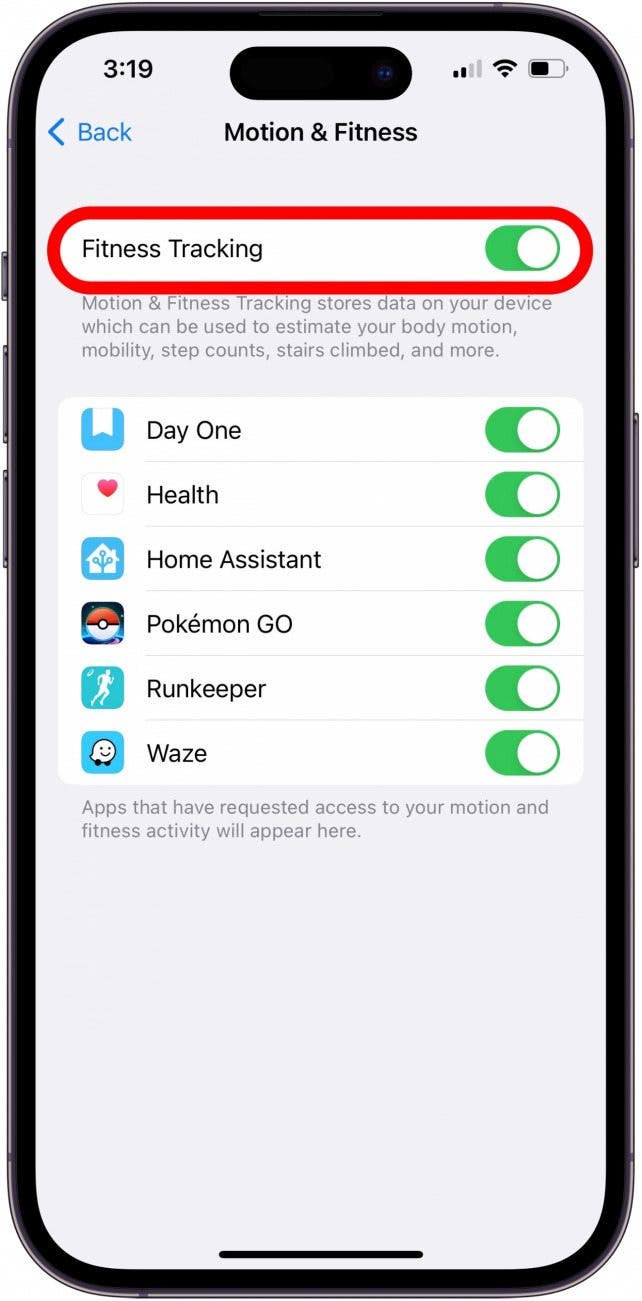
Fitness apps track steps using sensors in your smartphone. These sensors measure movement and convert it into step counts. Data is often stored securely on your device, ensuring privacy.
In today’s digital age, your fitness app is more than just a step tracker. It collects a significant amount of personal data. This raises important questions about privacy and data security. Are you confident that your personal data is safe when you use these apps? Understanding how your information is protected can help you make informed decisions.Data Encryption Methods
Fitness apps use data encryption to protect your information. Encryption turns your data into a code that can only be read by someone with the correct key. This ensures that, even if someone intercepts your data, they can’t understand it without this key. Most reputable apps use advanced encryption standards. They protect your data both during transmission and when it’s stored on their servers. Always check if your app uses these methods to safeguard your information.User Consent And Control
You have the right to know what data your app collects. Most apps will ask for your consent before accessing your information. This usually happens when you first download and set up the app. Do you feel in control of your data? Many apps allow you to decide what data they can access. Look for privacy settings in the app to manage your preferences.Risks Of Data Sharing
Sharing your data can have risks. Some apps share your information with third parties for marketing or research purposes. This can lead to unwanted advertisements or, worse, data breaches. Consider this: Is the convenience of the app worth the potential risk to your privacy? Always read the app’s privacy policy. This document will tell you if your data is being shared and with whom. Being informed about privacy and data security empowers you to use fitness apps confidently. Prioritize apps that respect your privacy and offer transparency about their data practices.Future Of Step Tracking
Fitness apps track steps using sensors in smartphones or wearable devices. These sensors detect movement and count steps. Advanced algorithms ensure accuracy. They differentiate between walking, running, and other motions. The future of step tracking includes more precise sensors and integration with other health metrics.
The future of step tracking is not just about counting steps. It’s about revolutionizing how we understand and improve our health. With technology advancing at an unprecedented rate, the way fitness apps track steps is becoming more sophisticated and insightful. Imagine a world where your fitness tracker does more than tally your steps—it understands your health needs and guides you towards a better lifestyle.Advancements In Sensor Technology
Sensor technology in fitness apps is leaping forward. Modern sensors can now differentiate between walking, running, and even cycling. These advancements make your step count more accurate and reliable. Have you ever wondered how your tracker knows when you are climbing stairs or taking a leisurely stroll? It’s all thanks to these tiny sensors working tirelessly on your wrist or in your pocket.Integration With Artificial Intelligence
Artificial Intelligence is playing a pivotal role in enhancing step tracking. AI can analyze patterns in your movement and provide personalized insights. Imagine your app suggesting the best time for a walk based on your previous activity data. AI can help transform your fitness journey into a personalized experience. It’s like having a personal trainer who knows you better than you know yourself.Potential Health Benefits
Tracking your steps is more than just a numbers game. It can be a powerful tool for improving your health. For instance, consistent step tracking can help you maintain a healthy weight, improve cardiovascular health, and even boost mental well-being. Have you ever felt the rush of endorphins after meeting your step goal for the day? That’s your body thanking you for staying active. The future of step tracking could offer even more health insights, encouraging you to take proactive steps towards a healthier you. The evolution of step tracking technology invites us to ask: How will these innovations change the way we live and move? With every step, you’re not just moving forward physically, but also towards a future where tech and health go hand in hand. What do you think your fitness app will be able to do in the next five years?Credit: www.businessinsider.com
Frequently Asked Questions
How Accurate Is The Fitness App With Steps?
The Fitness app’s step count is generally accurate but may vary due to device placement and movement type. Regular updates enhance precision. Users report minor discrepancies, particularly during activities like cycling or pushing strollers. For best results, ensure the device is worn correctly and consistently.
How Does The Fitness App Know I’m Walking?
The Fitness app detects walking using your phone’s accelerometer and GPS. It tracks movement patterns and location changes to determine walking activity. This technology allows the app to accurately monitor steps and distance, providing users with reliable activity data.
Does Apple Fitness Automatically Track Steps?
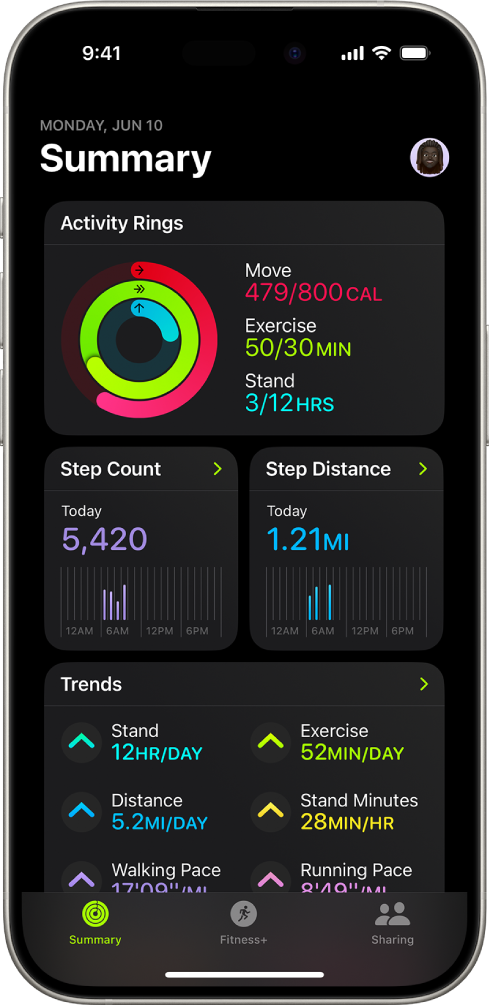
Yes, Apple Fitness automatically tracks steps. It uses the iPhone’s built-in sensors to record your movement. You can view your step count in the Fitness app. Ensure your iPhone is with you to accurately track steps throughout the day.
Does The Iphone Count Actual Steps?
Yes, the iPhone accurately counts steps using its built-in accelerometer. It tracks physical activity automatically. You can view your step count in the Health app. The feature works without needing additional apps or devices. It’s a convenient way to monitor daily fitness activities.
Conclusion
Fitness apps simplify tracking steps daily. They offer helpful insights into activity levels. Using sensors, they count steps accurately. Simple graphs and charts display your progress. This motivates users to move more. Goals can be set and achieved easily. The technology is user-friendly and accessible.
Anyone can benefit from these features. Staying active becomes fun and rewarding. Overall, fitness apps assist in maintaining a healthy lifestyle. Tracking steps is now straightforward and engaging.