Have you ever wondered how fitness apps actually work? With countless options available, these digital tools promise to transform your smartphone into a personal trainer, nutritionist, and health coach all in one.
But what’s happening behind the scenes? When you open that app and start a workout or track your meals, how does it all come together to help you achieve your fitness goals? Understanding this can make a difference in how effectively you use these apps to enhance your lifestyle.
Dive into the mechanics of fitness apps with us, and discover how they can truly become your secret weapon in reaching your health targets.
Features Of Fitness Apps
Fitness apps have transformed how we approach health and wellness. They offer a variety of features that cater to different fitness needs and goals. From tracking workouts to monitoring nutrition, these apps provide tools to help users stay on top of their fitness journey. Let’s explore some key features that make fitness apps effective and popular.
Tracking Workouts
Most fitness apps allow users to log their exercises. You can record your running, cycling, or weightlifting sessions. This feature helps you keep a detailed record of your progress. Users can also see patterns in their workout habits. Some apps even offer personalized workout plans based on your goals.
Monitoring Nutrition
Nutrition tracking is essential for achieving fitness goals. Many apps offer a food diary where you can log meals. This helps you understand your daily calorie intake. Users can track macronutrients like protein, carbs, and fats. Some apps have a barcode scanner for easy food logging. This makes keeping track of what you eat simple and efficient.
Setting Goals
Goal setting is crucial for motivation and progress. Fitness apps let users set achievable targets. You can aim for a certain number of workouts per week. Or set a weight loss goal. Apps often send reminders to keep you on track. Seeing progress towards these goals can be incredibly motivating.
User Interface Design
Fitness apps simplify exercise tracking with user-friendly interfaces. Clear icons and menus guide users through workouts and progress. Easy navigation ensures users find features quickly, enhancing their fitness journey.
The user interface design of a fitness app is crucial in shaping your experience. A well-crafted interface can make navigating the app intuitive, engaging, and enjoyable. It’s not just about how the app looks, but how it feels when you use it. Let’s explore how effective user interface design can enhance your fitness journey.Navigation Elements
Easy navigation is the backbone of any successful app. Imagine opening your fitness app and instantly knowing where to go for workouts, tracking progress, or finding community support. Clear navigation elements, like simple menus and intuitive icons, guide you effortlessly. They ensure you spend less time figuring out the app and more time focusing on your fitness goals. Have you ever felt lost in an app with too many options? A streamlined navigation system can prevent that, making sure your experience is smooth and frustration-free.Visual Appeal
Visual appeal plays a significant role in keeping you motivated. Vibrant colors, clean layouts, and engaging graphics can make your fitness app feel more inviting. Think about how a well-designed dashboard with vivid, easy-to-read statistics can boost your motivation. It’s not just about aesthetics; it’s about creating a space where you want to return and track your progress. A fitness app that looks good can actually inspire you to use it more. What colors and styles motivate you to stay engaged?User Engagement
User engagement is about interaction. How does the app keep you involved in your fitness journey? Features like progress badges, personalized workout plans, and interactive challenges can enhance your experience. When an app congratulates you for hitting a milestone, it creates a sense of achievement. This kind of engagement keeps you coming back for more, turning your fitness goals into a fun challenge rather than a chore. Do you find apps more engaging when they offer rewards or recognition for your efforts? Understanding what drives your engagement can help you choose an app that best supports your fitness journey.Integration With Devices
Fitness apps offer a seamless experience by integrating with various devices. This integration enhances functionality and provides a comprehensive view of your health data. Understanding how these connections work can help maximize your fitness journey.
Wearable Technology
Wearable technology includes devices like smartwatches and fitness bands. These gadgets track activities like steps, heart rate, and calories burned. They communicate with the fitness app via Bluetooth. This connection ensures real-time data sharing. Users can easily monitor progress and set goals. Wearables often provide notifications and alerts. This feature keeps users motivated and on track.
Smartphones And Tablets
Smartphones and tablets serve as the primary interface for fitness apps. They display data collected from wearables and other sources. The app uses the phone’s GPS to track outdoor activities. Users can log workouts, meals, and hydration levels. Notifications on these devices provide reminders for workouts and goals. This constant connectivity keeps users engaged with their fitness journey.
Syncing Data
Syncing data is vital for a comprehensive fitness overview. The app consolidates information from various devices. This synchronization occurs automatically, often requiring no user input. It ensures all progress is up-to-date and accurate. Users can view detailed reports and trends over time. This insight helps in making informed health decisions.
Personalization Options
Fitness apps offer a wide range of personalization options. These options help users achieve their fitness goals more efficiently. Personalization makes the app feel unique and user-friendly. It aligns with individual fitness needs and preferences.
Customizable Plans
Users can create workout plans that suit their lifestyle. They can choose from various exercise types. The app allows adjustments in intensity and duration. This flexibility is essential for progress and motivation.
Adaptive Recommendations
The app tracks user activity and progress. Based on this data, it offers adaptive recommendations. It suggests workouts and routines that match user performance. This ensures continuous improvement and engagement.
User Preferences
Every user has unique preferences. The app considers these preferences for a better experience. Users can select their favorite exercises and training times. They can also set reminders for their workouts.
Data Privacy And Security
Understanding how fitness apps protect your data is crucial. These apps collect sensitive information like heart rate and location. Protecting this data is essential for user trust. Learn about encryption, consent, and sharing policies.
Encryption Techniques
Fitness apps use encryption to secure data. Encryption scrambles information so only authorized users can access it. This prevents hackers from stealing sensitive details. Strong encryption standards are vital for safety.
User Consent
User consent is necessary before data collection. Apps require permission to access certain information. Consent ensures users understand what data is being collected. Transparency builds trust and safeguards privacy.
Data Sharing Policies
Clear data sharing policies are important. These policies explain how apps use and share data. Users should know if their information is shared with third parties. Detailed policies protect user privacy and offer peace of mind.
Credit: discussions.apple.com
Community And Social Features
Fitness apps have changed how people connect and stay motivated. Community and social features play a big role in this. They allow users to interact, share progress, and support each other. These features make workouts more fun and engaging. Let’s explore some key aspects of these features.
Social Sharing
Social sharing lets users post their fitness achievements. They can share workouts, milestones, and personal bests. This feature connects users with friends and family. Sharing achievements boosts motivation and accountability. It creates a sense of accomplishment and pride.
Community Challenges
Community challenges offer fun ways to stay active. These challenges bring people together for common goals. Users can join, compete, and track progress with others. Challenges encourage teamwork and friendly competition. They push users to try harder and achieve more.
Support Groups
Support groups provide a safe space for users. They offer emotional and motivational support. Users can share experiences, tips, and advice. These groups connect people with similar fitness goals. They help users feel less alone in their journey.
Benefits Of Using Fitness Apps
Fitness apps help track workouts, monitor progress, and set goals. They offer personalized plans and reminders. Users can easily follow routines, ensuring consistency and motivation.
The rise of fitness apps has transformed how people approach their health and exercise routines. These digital companions offer a multitude of benefits, making it easier to maintain a healthy lifestyle in today’s fast-paced world. Whether you’re a seasoned athlete or just starting your fitness journey, these apps provide tools that can enhance your workout experience and help you achieve your goals more effectively.Convenience
Fitness apps bring the gym to your fingertips. Gone are the days of needing to drive to a fitness center or schedule a session with a personal trainer. You can now work out anytime, anywhere, fitting exercise seamlessly into your busy life. Imagine squeezing in a quick yoga session during your lunch break or doing a high-intensity workout in your living room. Fitness apps provide a variety of workouts that cater to all fitness levels. This flexibility ensures you can stay consistent with your routine, no matter how hectic your schedule might be.Motivation And Accountability
Staying motivated can be tough, especially when you’re working out alone. Fitness apps tackle this challenge by offering features that boost your motivation and hold you accountable. Many apps have built-in reminders and notifications to keep you on track. Sharing your progress with friends or joining virtual workout communities can also create a sense of accountability. Have you ever felt the rush of motivation after seeing a friend’s workout post? Fitness apps let you connect with others, share achievements, and even participate in challenges. This social aspect can be a powerful motivator to keep pushing forward.Progress Tracking
Tracking your progress is crucial for staying motivated and seeing results. Fitness apps provide detailed insights into your performance, helping you understand what works and what needs improvement. You can log workouts, track calories burned, and monitor changes in your physical stats. Visualizing your progress with charts and graphs makes it easier to set realistic goals and celebrate milestones. Have you noticed improvements in your stamina or strength? Regular tracking can help you pinpoint these changes, reinforcing your commitment to your fitness journey. How rewarding is it to look back and see how far you’ve come? Incorporating a fitness app into your routine can transform your approach to health and wellness. By offering convenience, motivation, and detailed tracking, these apps empower you to take charge of your fitness journey. Are you ready to take the next step and enhance your workouts with the power of technology?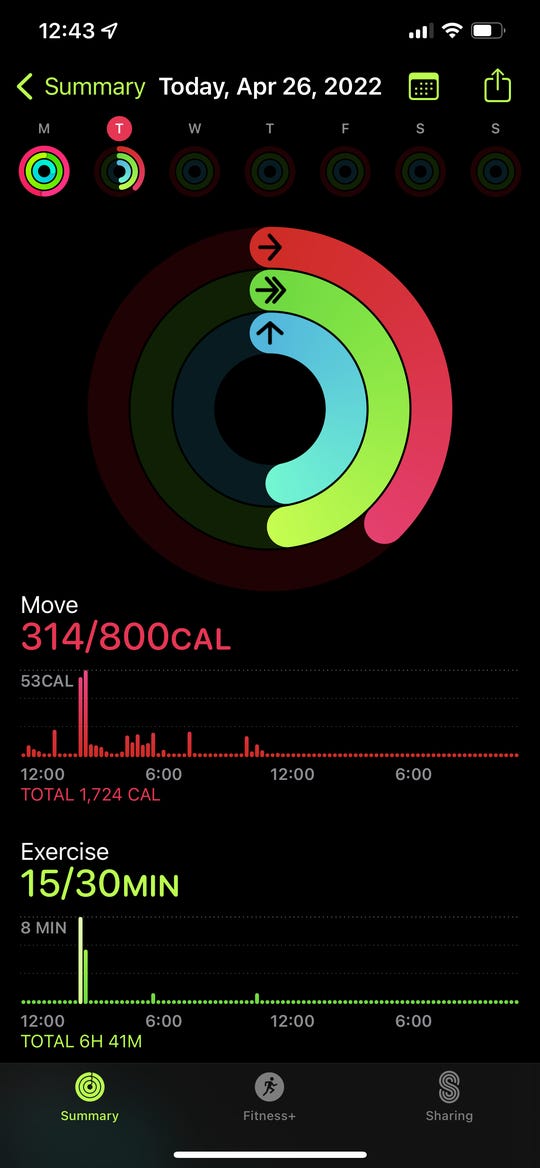
Credit: www.zdnet.com
Choosing The Right Fitness App
Choosing the right fitness app can be a game-changer for your workout routine. With countless options available, it’s easy to feel overwhelmed. But finding the perfect app doesn’t have to be complicated. By focusing on your specific needs, comparing features, and reading reviews, you can pinpoint the app that’s just right for you.
Identifying Needs
First, think about what you really want from a fitness app. Are you looking to track your runs or perhaps need a virtual personal trainer? Maybe you want to monitor your diet or join a community for motivation. Knowing your goals will help narrow down your choices. I once realized I needed an app with a strong community feature to keep me motivated. Identifying this need made it easier to choose wisely.
Comparing Features
Once you know your needs, start comparing app features. Look for apps that offer personalized workout plans, nutrition tracking, or integration with other devices like smartwatches. Some apps even offer live classes or virtual challenges. Create a simple table to compare what each app offers. You might discover surprising features that could enhance your fitness journey.
Reading Reviews
Never underestimate the power of user reviews. Reading reviews can give you real insights into an app’s usability and effectiveness. Pay attention to both positive feedback and common complaints. Is the app user-friendly? Does it crash often? Reviews can reveal details you might not find in the app description. Have you ever chosen an app based solely on glowing reviews, only to find out it didn’t meet your expectations? Learning from others’ experiences can save you from frustration.
Choosing the right fitness app requires a bit of research, but it’s worth the effort. Are you ready to take your fitness journey to the next level? Start by identifying your needs, comparing features, and reading reviews. Your ideal app is out there, waiting to help you reach your goals.

Credit: blog.luthresearch.com
Frequently Asked Questions
How Does The Fitness App Work On An Iphone?
The Fitness app tracks your activity using the iPhone’s sensors. It monitors steps, workouts, and heart rate. You can view daily progress on the Activity rings. Sync with Apple Watch for enhanced features. It offers personalized workout suggestions and motivational alerts to keep you active and healthy.
How Does The Fitness App Know I’m Walking?
The Fitness app detects walking through your device’s accelerometer and GPS. It tracks movement patterns, speed, and distance. This technology helps determine if you’re walking, running, or stationary.
How Does Apple Fitness Know When You’re Exercising?
Apple Fitness detects exercise using motion sensors, heart rate monitors, and GPS. It tracks your movement patterns and intensity. The data collected helps identify when you’re active, ensuring accurate workout tracking. This seamless integration provides users with real-time feedback and personalized fitness metrics.
Is The Fitness App On Iphone Accurate?
The Fitness app on iPhone generally provides accurate data for steps and distance. It uses sensors and algorithms to track activity. Accuracy may vary based on usage and external factors. Regular updates improve precision. Always consult a professional for health-related insights.
Conclusion
The fitness app simplifies your workout journey. Easy steps guide you through exercises. Track progress with clear visuals and stats. Set goals and watch improvement. Alerts keep you motivated daily. Connect with friends for fun challenges. Personalized tips help you stay on track.
Enjoy workouts at your pace. No need for fancy equipment. Just focus on fitness and health. Your journey starts with small steps. Every workout counts. Feel better, stronger, and healthier. Let this app support your goals. Stay active and enjoy your fitness journey!