Have you ever wondered how heavy the bars at the gym really are? You’re not alone.
Whether you’re a seasoned lifter or just starting out, understanding the weight of these bars is crucial for your workout routine. Knowing the exact weight can help you track your progress, avoid injury, and optimize your training sessions. By the end of this article, you’ll have a clear understanding of the different types of bars and their weights, empowering you to lift with confidence.
So, are you ready to uncover the secrets of gym bars and elevate your fitness game? Keep reading to find out everything you need to know!
Types Of Gym Bars
Understanding the types of gym bars is crucial for effective workouts. Each bar serves a unique purpose and offers different benefits. Knowing their differences can enhance your gym experience and improve your workout results.
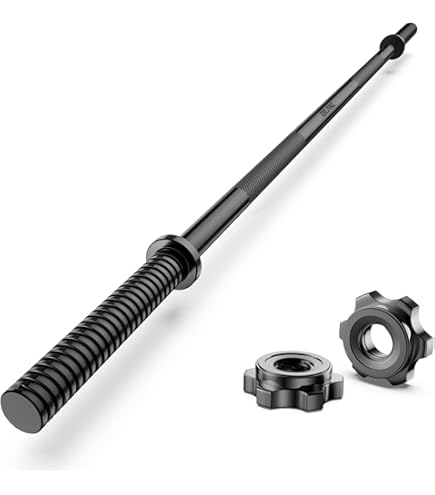
Standard Barbells
Standard barbells are common in most gyms. They usually weigh about 20 pounds. These bars are ideal for beginners and basic exercises. Their diameter is smaller, making them easier to grip. Standard barbells are perfect for exercises like bicep curls and bench presses.
Olympic Barbells
Olympic barbells are heavier than standard ones. They typically weigh 45 pounds. These bars are designed for serious lifting. Olympic barbells are longer and have rotating sleeves. This feature helps reduce wrist strain during lifts. They are essential for Olympic-style lifts.
Ez Curl Bars
EZ curl bars are shorter and lighter. They weigh around 15 to 20 pounds. These bars have a zigzag shape. This design reduces wrist strain during curls. EZ curl bars are excellent for bicep and tricep exercises. Their unique shape offers a comfortable grip.
Trap Bars
Trap bars are also known as hex bars. They usually weigh about 55 pounds. These bars have a unique hexagonal shape. Trap bars are great for deadlifts and shrugs. Their design allows you to stand inside the bar. This position reduces stress on your back and improves lifting form.
Smith Machine Bars
Smith machine bars are attached to a guided track. They typically weigh between 15 and 25 pounds. These bars offer stability during lifts. The guided track helps beginners maintain proper form. Smith machine bars are ideal for squats and bench presses. They provide a safe option for lifting heavy weights.

Credit: www.reddit.com
Standard Barbell Weight
The standard barbell is a staple in many gyms. It’s important to know its weight, especially for beginners. A standard barbell typically weighs 45 pounds. This is the weight most commonly found in gyms across the world. Knowing this helps you track your progress effectively.
What Is A Standard Barbell?
A standard barbell is a long, straight bar used for weightlifting exercises. It is often used for squats, bench presses, and deadlifts. The length of a standard barbell is typically 7 feet. This makes it versatile for various workouts. Its design ensures even weight distribution.
Why Is The Weight Important?
The weight of the barbell impacts your workout intensity. It’s crucial to know the weight to avoid injury. Beginners should start with lighter weights. Gradually increase the load as you gain strength. Always prioritize proper form over lifting heavier weights.
Common Uses In Training
Standard barbells are used in strength training exercises. They are key for building muscle and improving endurance. Exercises include bench presses, squats, and deadlifts. These workouts engage multiple muscle groups. This leads to efficient and effective training sessions.
Olympic Barbell Specifications
Understanding Olympic barbell specifications is essential for gym-goers. Each barbell serves a unique purpose and weight category. The bars are designed for specific exercises and athletes. Knowing their weights can enhance training experiences and ensure safety.
Men’s Olympic Bar
The men’s Olympic bar weighs 20 kilograms. This bar is standard in weightlifting competitions. It is about 2.2 meters long and has a diameter of 28 millimeters. The bar can hold heavy weights, making it ideal for powerlifting. Its strength and durability cater to experienced lifters.
Women’s Olympic Bar
Women’s Olympic bars weigh 15 kilograms. They are slightly shorter at 2.01 meters. The diameter is 25 millimeters, offering a comfortable grip. These bars suit female athletes and beginners. They provide stability and support for various exercises.
Youth Olympic Bar
Youth Olympic bars weigh 10 kilograms. These bars are designed for young athletes. They are smaller in size for easier handling. The lighter weight helps in learning proper techniques. It encourages safe practice and builds confidence in young lifters.

Credit: www.amazon.com
Specialty Bar Weights
When you step into the gym, you’ll notice that not all bars are created equal. Understanding the weights of specialty bars can enhance your workout routine and ensure you’re lifting accurately. Whether you’re trying to target specific muscles or mix up your training, knowing the weight of each specialty bar is crucial. Let’s dive into the specifics.
Ez Curl Bar Weight
The EZ Curl Bar is designed for comfort and efficiency, especially for arm workouts. Typically, these bars weigh between 18 to 25 pounds. The unique design helps reduce strain on your wrists, making it perfect for curls and triceps extensions. Next time you pick up an EZ Curl Bar, remember its lighter weight allows for more controlled movements.
Trap Bar Weight
Have you ever wondered why deadlifts feel different with a trap bar? This specialty bar generally weighs around 50 to 60 pounds. Its hexagonal shape allows you to stand inside, aligning the weight closer to your center of gravity. This makes it great for deadlifts and shrugs, offering a balanced lift that targets your quads and traps effectively.
Smith Machine Bar Weight
The Smith Machine is a staple in many gyms, but did you know its bar weight can vary? Most Smith Machine bars weigh between 15 to 25 pounds. The mechanism’s support reduces the effective weight, making it ideal for beginners or those focusing on form. Consider how this can impact your training regimen and adjust your weights accordingly.
Knowing the actual weight of these specialty bars can make a significant difference in your workout results. What adjustments will you make in your routine now that you know the truth behind these bars?
Factors Affecting Bar Weight
Bar weight at the gym varies based on type, material, and purpose. Standard bars weigh around 45 pounds, while specialty bars can differ. Consider the specific exercise to determine the appropriate bar weight.
Factors affecting the weight of gym bars can be intriguing. Understanding these factors can help you choose the right equipment. Each bar’s weight is influenced by several key elements. Let’s explore them.Material Composition
The material of a bar plays a major role in its weight. Steel bars are common in gyms. They offer strength and durability. Stainless steel bars are slightly heavier. This is due to their dense composition. Aluminum bars are lighter. They are perfect for beginners or those needing less weight.Bar Length And Diameter
Bar length affects its weight significantly. Longer bars tend to weigh more. Standard Olympic bars are about 7 feet long. Shorter bars, like curl bars, weigh less. Diameter also impacts weight. Thicker bars are heavier. This is because they use more material.Brand Variations
Different brands produce bars with slight weight differences. Brands use unique manufacturing techniques. This results in variations in bar weight. Some brands focus on lightweight designs. Others prioritize strength and durability. Always check the brand specifications before purchasing.
Credit: www.amazon.com
Choosing The Right Bar
Choosing the right bar at the gym involves knowing their weights. Standard Olympic bars weigh 20 kilograms. Lighter bars, often used in beginner workouts, weigh around 15 kilograms.
Choosing the right barbell can significantly impact your workout experience and results. You might think all bars are the same, but each type serves a unique purpose. Understanding which bar suits your needs can enhance your fitness journey.Fitness Goals
Your fitness goals play a crucial role in determining the best bar for you. If you’re focusing on powerlifting, a standard 20kg Olympic bar might be your best bet. It’s designed for heavy loads and stability. For those interested in CrossFit or high-rep workouts, a lighter bar with whip can improve your performance. Consider what you want to achieve and select a bar that aligns with those objectives.Skill Level
Your skill level is another essential factor. Beginners often benefit from using lighter bars as they learn proper form. A 15kg training bar can be a great start. As you advance, transitioning to heavier bars can challenge your strength. Test different options to find one that feels right for your current skills.Safety Considerations
Safety should never be overlooked when choosing a bar. Ensure the bar has proper knurling for grip and is rated for the weight you plan to lift. Inspect the bar for any defects or damage before use. Have you ever lifted a bar that felt off or uneven? It’s crucial to ensure your equipment is in top condition to prevent injuries. Choosing the right bar is like picking the right tool for a job. Take the time to evaluate your goals, skill level, and safety needs. What bar will elevate your workout and keep you safe?Tips For Accurate Weighing
Understanding the weight of gym bars aids accurate lifting. Standard Olympic bars typically weigh 20 kilograms or 45 pounds. Always check with gym staff for specific bar weights if unsure.
When lifting weights, knowing the exact weight of gym bars is crucial. Accurate weighing ensures your workout plan is safe and effective. Whether you’re a beginner or a seasoned lifter, understanding the weight of bars can enhance your training. Here are some tips for accurately weighing gym bars.Using A Scale
To determine the exact weight, use a reliable scale. Place the bar on the scale carefully to avoid damage. Digital scales provide precise measurements. Ensure the scale is on a flat surface for accuracy. Check the scale’s calibration regularly to maintain its precision.Checking Manufacturer Specifications
Examine the bar for any markings or labels. Manufacturers often include weight details on the bar itself. Visit the manufacturer’s website for more detailed specifications. This information can be valuable if markings are absent.Consulting Gym Staff
Ask gym staff about the bar’s weight if you’re unsure. Gym staff are usually knowledgeable about the equipment they provide. They can offer insights or direct you to additional resources. Having accurate information ensures you lift safely and effectively.Frequently Asked Questions
How Much Do Gym Bars Weigh?
Standard Olympic bars weigh 20 kg (44 lbs). Women’s Olympic bars typically weigh 15 kg (33 lbs). Smaller training bars can weigh around 10 kg (22 lbs). Curl bars usually weigh between 5 to 11 kg (11 to 25 lbs).
Exact weight varies by type and manufacturer.
Are All Gym Bars 45 Pounds?
Not all gym bars weigh 45 pounds. Standard Olympic bars weigh 45 pounds, but other bars vary in weight. Curl bars, training bars, and specialty bars have different weights, typically ranging from 15 to 35 pounds. Always check the weight of the bar before use to ensure accurate lifting.
How Heavy Is A Fitness Bar?
A fitness bar typically weighs between 15 to 45 pounds. Standard Olympic bars weigh 45 pounds. Lighter bars are often used for beginners or specific exercises. Check the bar’s specifications for exact weight.
Is The Bar At Planet Fitness 45 Pounds?
Yes, the standard barbell at Planet Fitness typically weighs 45 pounds. Always confirm at your specific location.
Conclusion
Understanding gym bar weights helps plan effective workouts. Each bar type has a unique weight. Olympic bars, often used in lifting, weigh 20 kilograms. Standard bars can weigh less, usually around 15 kilograms. Knowing these weights aids in setting fitness goals.
It also ensures safe lifting practices. Beginners should check bar weights before exercise. This prevents strain and injury. Always consult gym trainers for guidance. Proper knowledge boosts confidence in the gym. Informed choices lead to better results. Stay safe and enjoy your fitness journey.