Have you ever wondered how much time people actually spend at the gym? Whether you’re a fitness enthusiast or a beginner trying to find your groove, understanding the typical gym time can help you make the most of your workout.
You might be surprised to learn that the answer varies widely, depending on goals, routines, and personal commitments. But why does this matter to you? Knowing the average gym duration can help you tailor your schedule, maximize your efforts, and achieve your fitness goals more effectively.
Stick with us as we uncover the hidden truths and strategies behind gym time management, helping you transform not just your workout but your entire approach to fitness.
Average Gym Time
Understanding average gym time is important for fitness planning. People have varied schedules and goals, impacting how long they spend at the gym. Knowing the typical duration can help in setting realistic expectations and achieving fitness objectives.
Typical Session Duration
A typical gym session lasts between 45 minutes to 90 minutes. Beginners often start with shorter sessions. Experienced gym-goers may spend longer periods. Cardio and weight training influence session length. Shorter workouts are ideal for busy schedules. Longer sessions may include detailed workouts.
Factors Influencing Time
Several factors influence gym time. Personal fitness goals are crucial. Some focus on weight loss, others on muscle gain. Workout type affects duration. Cardio may take less time than strength training. Gym equipment availability can extend sessions. Personal motivation and energy levels play a role. Schedule flexibility impacts how long one can stay.
Impact Of Workout Goals
When you step into the gym, what drives your workout? The time you spend there often hinges on your specific goals. Whether aiming for weight loss or muscle building, understanding the impact of workout goals on your gym routine can transform your fitness journey. Let’s explore how different objectives shape the duration and intensity of your gym sessions.
Weight Loss Objectives
If shedding pounds is your priority, your gym time may vary greatly. Many focus on cardio exercises like running, cycling, or rowing, which can extend sessions to 45 minutes or more. Cardio burns calories, making it a key player in weight loss.
Consider adding strength training to your routine. It not only tones your body but also increases metabolism. This dual approach can make your time at the gym more efficient. Think about how you can balance cardio and strength training to maximize your results.
A friend of mine dedicated 30 minutes to intense cardio and another 30 to weight lifting. She saw quicker progress by keeping her workouts varied yet targeted. How might adjusting your routine speed up your weight loss journey?
Muscle Building Goals
Building muscle often demands more than just time; it requires focused effort. You might spend 60 to 90 minutes at the gym, with the bulk of your time dedicated to lifting weights. Muscle growth is all about pushing limits and gradually increasing resistance.
Rest periods are crucial in muscle building. Short breaks between sets can enhance your strength gains. However, these breaks can extend your gym time, but they are necessary for muscle recovery and growth.
Consider how strategic rest and focused lifting affect your routine. A colleague once shared that reducing rest time between sets increased his endurance and muscle mass. How can you tweak your rest periods to amplify your muscle-building efforts?
As you evaluate your workout goals, reflect on how they shape your gym visits. Are you maximizing your time? Could a tweak in your routine make a significant impact? Your gym sessions are a reflection of your aspirations and dedication. Remember, every minute counts towards your fitness success.
Common Gym Activities
People typically spend about 45 minutes to an hour at the gym. This time includes activities like cardio, weightlifting, and stretching. Each session varies based on individual fitness goals and schedules.
When you walk into a gym, you might notice a diverse range of activities happening around you. Each person is engaged in their own unique routine, tailored to their fitness goals. Common gym activities are the backbone of any workout regimen. They not only shape how long people spend at the gym but also define the intensity and focus of their sessions. Let’s explore some of these activities.Cardio Workouts
Cardio workouts are a staple in most gym routines. They’re fantastic for boosting heart health and burning calories. You might see people on treadmills, ellipticals, or stationary bikes, each engrossed in their own rhythm. Some folks prefer the simplicity of a brisk walk, while others enjoy the challenge of high-intensity interval training (HIIT). I remember my first HIIT session; it was intense, yet invigorating. Have you tried varying your cardio routine to keep things exciting?Strength Training
Strength training is key to building muscle and improving overall strength. It often involves exercises with weights, resistance bands, or body weight. You might find people lifting free weights, using weight machines, or doing push-ups and squats. The beauty of strength training is its adaptability. Whether you’re a beginner or a seasoned lifter, there’s always a way to challenge yourself. Have you considered mixing compound exercises, like squats or deadlifts, into your routine to work multiple muscle groups at once? Strength training not only enhances muscle tone but also supports bone health. The sense of accomplishment after lifting heavier weights is unmatched. How do you feel after a good strength training session? Incorporating both cardio and strength workouts into your gym routine can provide a balanced approach to fitness. It keeps your sessions dynamic and engaging. Have you found the right mix of these activities for your goals?
Credit: www.instagram.com
Time-saving Strategies
Finding time to squeeze in a gym session can be challenging with today’s busy lifestyles. However, you can optimize your workout time with some clever strategies. Let’s explore how you can make the most of your gym visits without spending hours on end.
Efficient Exercise Routines
One of the best ways to save time at the gym is by adopting efficient exercise routines. Consider focusing on compound exercises that work multiple muscle groups simultaneously. Squats, deadlifts, and bench presses can help you maximize your workout without spending extra time on isolated movements.
Think about your gym routine. Are there exercises you can combine or modify to fit into a shorter timeframe? Challenge yourself to streamline your workouts. You’ll find that you can achieve the same results in less time.
Also, planning your routine before you hit the gym can save precious minutes. Having a clear workout plan helps you stay focused and eliminates the need for decision-making on the spot.
High-intensity Interval Training
High-Intensity Interval Training (HIIT) is a powerful time-saving strategy. With short bursts of intense activity followed by brief rest periods, HIIT workouts can be completed in as little as 20 minutes. It’s a great option if you’re looking to burn calories and build endurance quickly.
Have you ever tried a HIIT workout? Many people find them more engaging than traditional cardio. Plus, the afterburn effect means you’re still burning calories even after your workout ends.
Consider incorporating HIIT into your routine a few times a week. You might be surprised at how effective such a short workout can be. It’s perfect for those days when you have limited time but still want to make your gym session count.
Ultimately, it’s about making smarter choices with your time. By implementing these strategies, you can maintain your fitness goals without sacrificing other important commitments. How will you transform your gym routine today?
Utilizing Technology
Tracking gym time is easier with technology. Fitness apps log hours spent exercising efficiently. Many people dedicate 30-60 minutes daily to working out.
Utilizing technology in fitness has changed how we approach gym time. With advancements in tech, gym-goers now have tools to boost their workouts. These tools help track progress, set goals, and stay motivated. Let’s explore how fitness apps and wearable devices help people at the gym.Fitness Apps
Fitness apps have become a staple for gym enthusiasts. They offer workout plans tailored to individual needs. Users can choose from strength training, cardio, or yoga routines. These apps also track workout duration and intensity. This helps users monitor their progress over time. Many apps feature video tutorials for proper exercise form. This reduces injury risk and improves technique. Social features in apps allow users to share achievements. This creates a sense of community and support.Wearable Devices
Wearable devices are popular among fitness fans. They provide real-time data during workouts. Devices like smartwatches monitor heart rate and calories burned. This data helps users adjust their workout intensity. Wearables often track steps and distance, encouraging daily activity. Many devices sync with fitness apps for comprehensive insights. Sleep tracking features offer a look into rest patterns. This informs users about their recovery needs. Wearables also send reminders to move, keeping users active throughout the day.
Credit: www.performancelab.com
Optimizing Gym Visits
Many wonder how long to spend at the gym for maximum results. The answer varies for each person, but optimizing gym visits can help. Making each minute count is crucial. Efficient workouts save time and boost fitness.
Pre-workout Planning
Plan your workout before arriving at the gym. Decide on exercises and set goals. This approach reduces time spent deciding what to do. Write down your routine. It keeps you focused and organized. Warm up before starting intense exercises. Stretch and do light cardio. It prepares your body and prevents injuries.
Post-workout Recovery
Recovery is essential after a gym visit. Cool down with stretching exercises. It relaxes muscles and reduces soreness. Hydrate well to replenish lost fluids. Water aids in muscle repair and recovery. Consume a balanced meal after your workout. Protein and carbs support muscle growth and energy restoration. Adequate sleep improves recovery. Aim for seven to eight hours of sleep every night.
Balancing Time And Results
People often spend 30 to 90 minutes at the gym, depending on their fitness goals. It’s important to balance time spent exercising with the desired results, ensuring workouts are effective without being overly time-consuming. Finding the right routine helps maintain motivation and achieve fitness targets efficiently.
Balancing time at the gym with achieving desired results is a common challenge. You want to see progress without spending endless hours working out. The key is finding a balance that fits your lifestyle while ensuring effective results. This balance isn’t just about the physical benefits but also how it aligns with your daily routine and commitments.Setting Realistic Goals
Setting realistic goals is the foundation for balancing gym time and results. If you aim too high, you might spend excessive time at the gym, leading to burnout. Consider your current fitness level and time availability. For instance, if you can only spare 30 minutes a day, focus on high-intensity workouts. Short, effective sessions can be as beneficial as longer ones. Remember, consistency is more important than duration. Ask yourself, what do you want to achieve? Weight loss, muscle gain, or endurance? Tailor your goals to match the time you can commit, ensuring they are attainable and sustainable.Monitoring Progress
Monitoring progress is crucial in understanding if your gym time is yielding results. Use a notebook or digital app to track workouts, noting changes in strength, endurance, or weight. Regularly evaluate your progress, not just physically but mentally. Are you feeling more energetic? Is your mood improving? These are signs that your gym routine is effective. Feedback is essential. If you’re not seeing results, adjust your routine. Sometimes minor tweaks can enhance outcomes. Be patient, as changes may take time, but remain observant and flexible. Balancing gym time and results is a personal journey. It’s about creating a routine that fits your life while achieving what you desire. Are you ready to find your balance?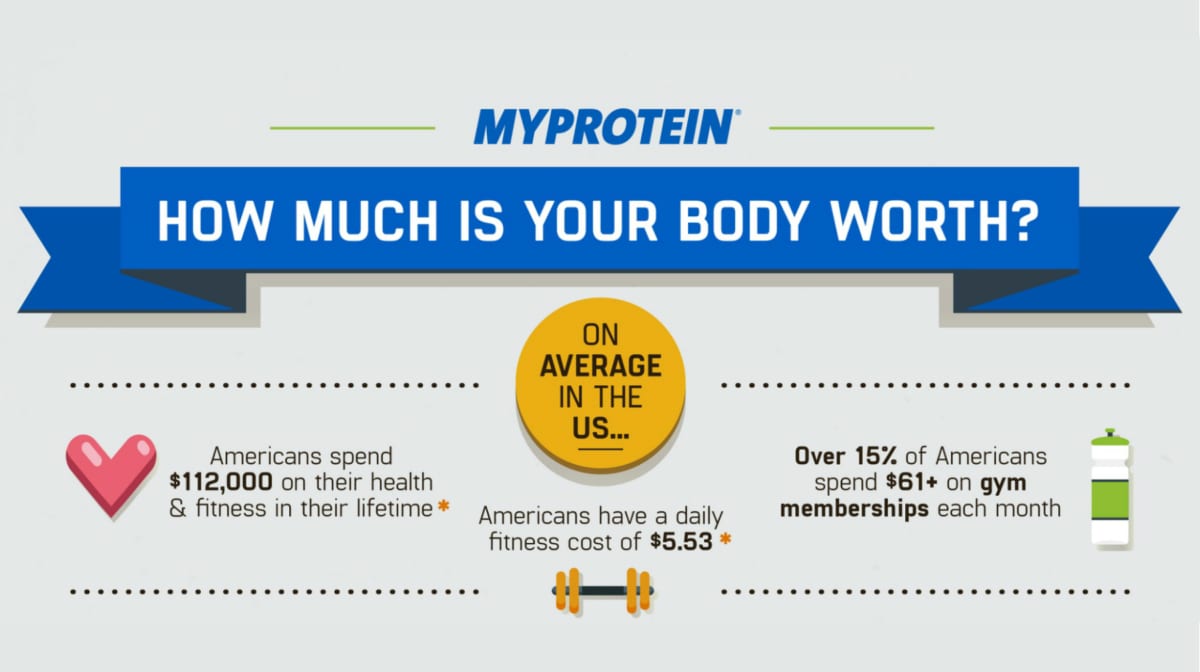
Credit: us.myprotein.com
Frequently Asked Questions
How Long Does An Average Person Stay In The Gym?
Most people spend about 45 minutes to 1 hour at the gym. This includes warm-up, workout, and cool-down. Duration varies based on personal goals, workout intensity, and fitness level. Consistent gym visits help achieve fitness targets effectively.
Is 2 Hours Of Gym Too Much?
Two hours of gym can be beneficial if balanced with rest and nutrition. It depends on fitness goals and experience. Beginners should start slow to avoid overtraining and injuries. Always listen to your body and consult a fitness professional if unsure.
Quality matters more than quantity in workouts.
How Long Do Normal People Spend In The Gym?
Most people spend about 45 to 60 minutes in the gym. This duration includes warm-up, workout, and cool-down. Time varies based on individual goals and fitness levels. Regular sessions ensure consistent progress and maintain motivation. Balancing intensity and duration helps achieve optimal results without burnout.
What Is The 70/30 Rule Gym?
The 70/30 rule in the gym emphasizes that 70% of results come from nutrition and 30% from exercise. Focus on a balanced diet to support your workouts and achieve fitness goals effectively.
Conclusion
Finding the right gym routine takes time. Most people spend about 45 minutes to an hour. It’s important to balance exercise and rest. Listen to your body. Some days need more effort, while others need less. Consistency matters more than time spent.
Make the gym a habit. Enjoy the process. Your health and fitness will improve gradually. Remember, everyone is different. What works for one person might not work for another. Stay motivated and keep pushing your limits. Your gym journey is personal.
Make it enjoyable and rewarding.