You’ve just crushed your workout at the gym, and now you’re feeling unstoppable. Your muscles are pumped, your energy is soaring, and you’re ready to take on the world.
But how long does this amazing post-gym pump last? Understanding the duration of your gym pump isn’t just about looking good in the mirror; it can impact how you plan your workouts, diet, and recovery. We’re diving into the science behind the pump, what influences its duration, and how you can make the most of it.
Stick around to uncover the secrets of your post-workout glow and learn how to keep that powerhouse feeling long after you leave the gym.
The Concept Of The Pump
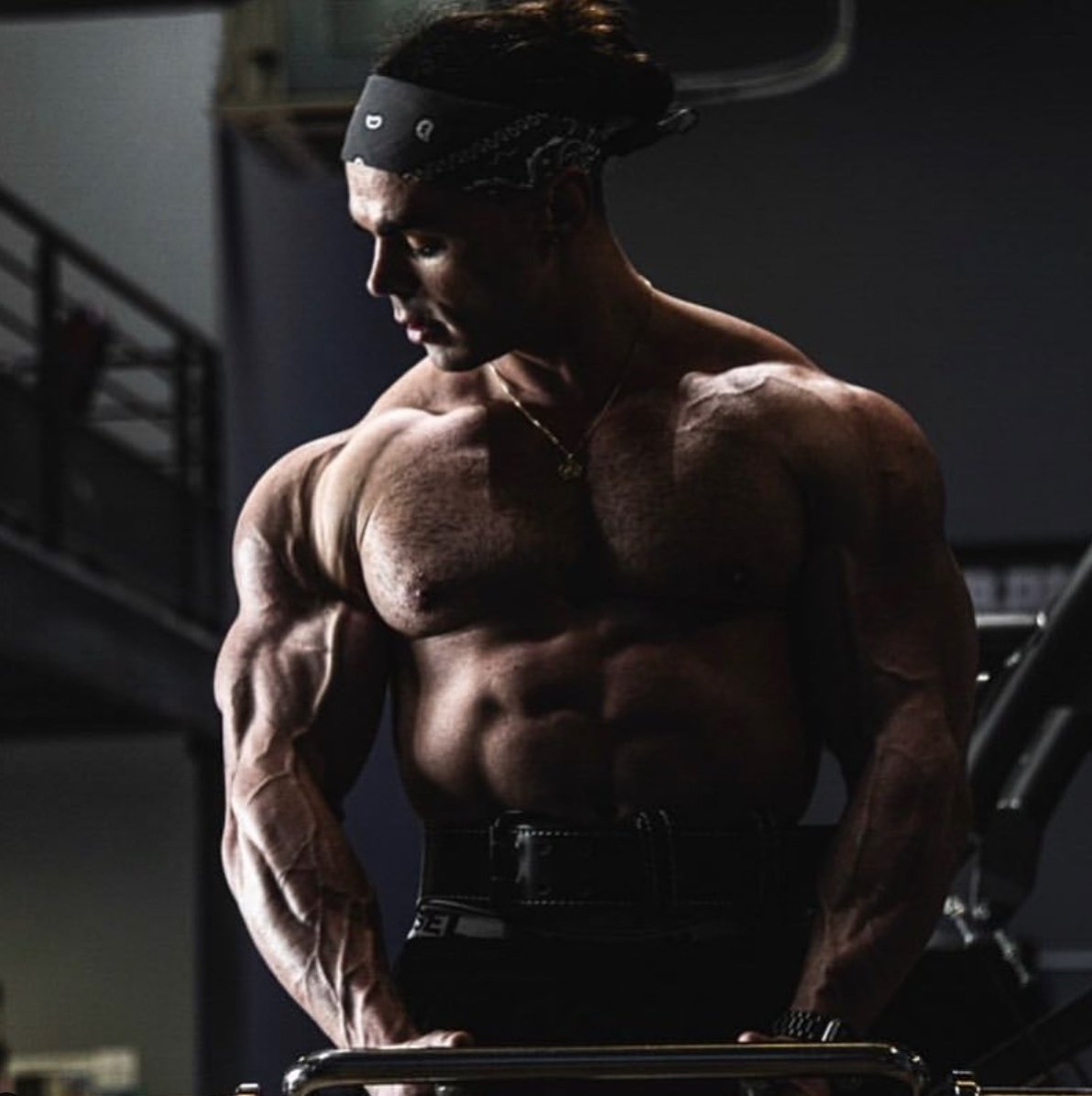
The gym pump is a favorite phenomenon for fitness enthusiasts. It refers to the temporary increase in muscle size after a workout. This sensation leaves muscles feeling full and tight. The pump is not just about looks. It offers both physical and psychological benefits.
What Is The Pump?
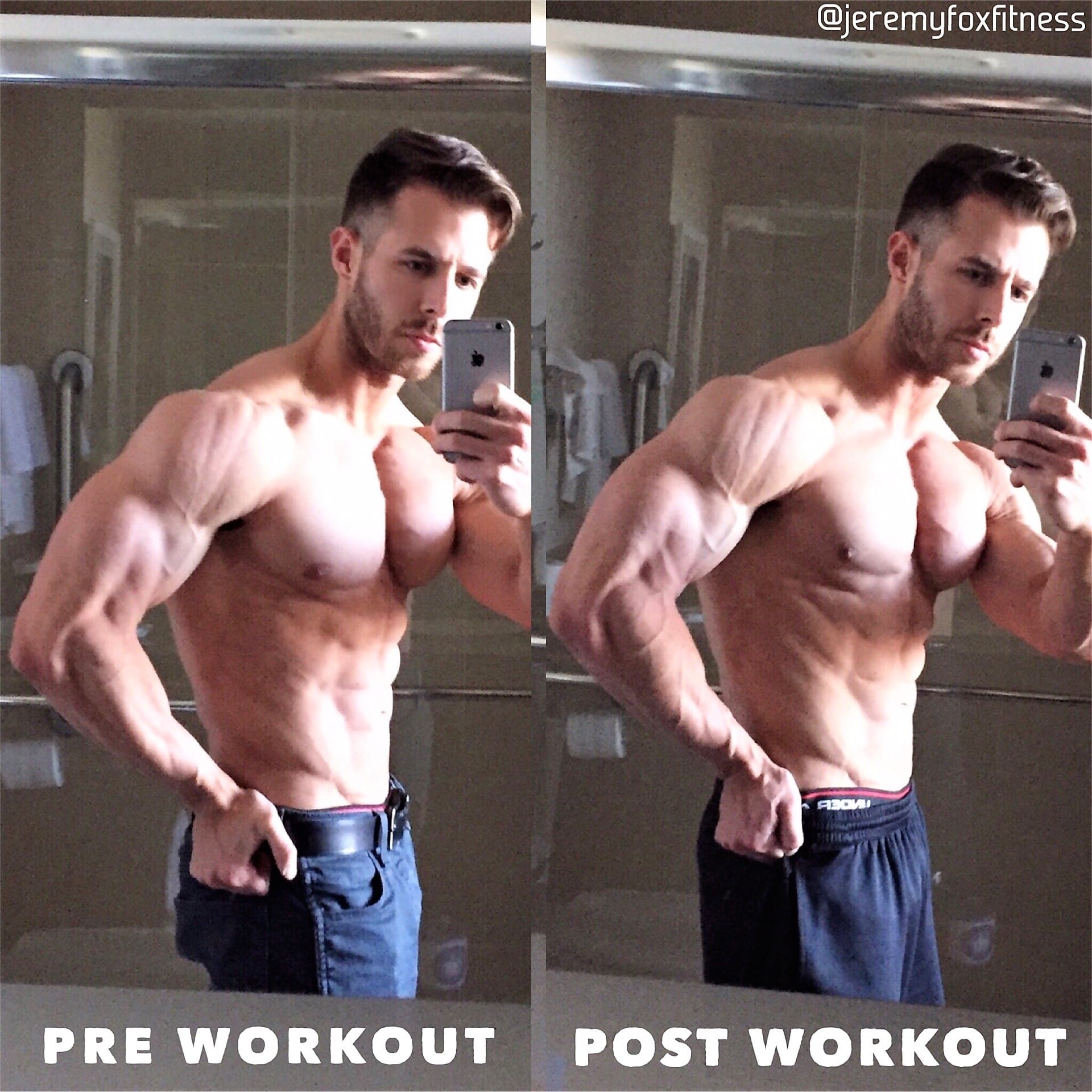
The pump occurs when blood flows into muscles during exercise. Muscles become engorged with blood, nutrients, and oxygen. This leads to a noticeable size increase. It’s a sign that your muscles are working hard. The pump usually lasts a few hours post-exercise.
Physical And Psychological Benefits
The pump can enhance physical performance. Increased blood flow delivers essential nutrients to muscles. This helps repair and grow muscle fibers more efficiently. The pump also aids in faster recovery after workouts.
Psychologically, the pump boosts motivation. Seeing muscles swell can encourage continued workout efforts. It provides a sense of accomplishment and progress. Feeling strong and capable enhances self-esteem. This psychological boost can improve overall workout consistency.
Factors Affecting Pump Duration
Experiencing a muscle pump after a workout can be exhilarating. It’s that feeling of tightness and fullness in your muscles. How long this pump lasts can vary widely. Understanding the factors affecting pump duration helps in planning workouts.
Intensity Of Workout
High-intensity workouts often lead to longer-lasting pumps. Intense exercises increase blood flow to the muscles. This heightened circulation keeps muscles swollen for a longer period. Lower intensity workouts might result in shorter-lasting pumps. The more effort you put in, the more your muscles respond.
Type Of Exercise
Different exercises impact pump duration differently. Resistance training often leads to a more sustained pump. Lifting weights causes micro-tears in muscle fibers. This results in an extended sensation of fullness. Cardio exercises may offer shorter-lived pumps. They focus on endurance rather than muscle growth.
Individual Physiology
Everyone’s body reacts differently to workouts. Genetics play a role in how long a pump lasts. Some individuals naturally maintain a pump longer. Hydration levels also affect pump duration. Well-hydrated muscles retain a pump better than dehydrated ones. Nutrition and muscle recovery also contribute significantly.
Post-gym Pump Longevity
Muscle pump after workouts can last anywhere from 2 to 3 hours. It varies with exercise intensity and individual body responses. Proper hydration and nutrition can help maintain the effect longer.
After a great workout at the gym, nothing feels better than the satisfying pump in your muscles. This post-gym pump is more than just a visual treat; it’s a sign of your hard work paying off. But how long does this pump actually last? Understanding the longevity of your post-gym pump can help you maximize its benefits and keep you motivated on your fitness journey.Typical Duration
The duration of a post-gym pump can vary, but it typically lasts anywhere from 30 minutes to a couple of hours. This timeframe depends on several factors, including the intensity of your workout, your hydration levels, and the specific muscle groups you targeted. For example, an intense weightlifting session focusing on larger muscle groups like the chest or legs might result in a longer-lasting pump compared to a lighter workout. Have you ever noticed your muscles deflating faster on days you skip your pre-workout hydration? Ensuring you’re well-hydrated before and after exercise can extend the life of your pump.Signs Of Pump Decline
As the pump begins to decline, you might notice a reduction in muscle fullness and vascularity. Your muscles may feel less tight and appear smaller as the blood flow decreases. This is a natural process, but it can be disappointing if you’re not expecting it. One way to monitor this is by observing your muscle definition in the mirror or how your clothes fit post-workout. Do you find that your energy levels dip as your pump fades? This could be an indication that your body needs nutrients to replenish lost energy and support muscle recovery. Monitoring these signs can help you fine-tune your post-workout nutrition and hydration strategies. What changes can you make to keep that pumped feeling a little longer? These insights not only enhance your understanding of the post-gym pump but also empower you to maintain that invigorating feeling for as long as possible. How will you adjust your routine to maximize your pump longevity next time you hit the gym?Strategies To Extend The Pump
After a rigorous gym session, the coveted muscle pump often fades too quickly. Many gym enthusiasts seek ways to prolong this satisfying feeling. Extending the pump isn’t just about aesthetics; it can enhance muscle growth and performance. By adopting specific strategies, you can make your pump last longer.
Dietary Approaches
Nutrition plays a crucial role in maintaining your muscle pump. Consuming a balanced meal with proteins and carbohydrates before your workout can help. Carbohydrates provide energy, while proteins support muscle repair. Foods rich in nitrates, like spinach and beets, enhance blood flow. This keeps your muscles looking full for longer.
Supplement Recommendations
Supplements can help extend the pump. Consider adding L-citrulline or arginine to your routine. These supplements improve blood flow to the muscles. Creatine is another option. It increases water content in muscle cells. This results in a prolonged pump effect.
Hydration Importance
Proper hydration is key to maintaining a muscle pump. Muscles are mostly water. Dehydration can make your pump vanish quickly. Drink water before, during, and after your workout. Electrolyte-rich drinks can also support sustained hydration. This helps maintain a fuller muscle look.
Training Techniques For Better Pumps
Getting that pumped-up feeling after a workout is one of the best rewards for your hard work. But how can you make that pump last longer? By focusing on specific training techniques, you can enhance your post-gym pump and maybe even carry that energized feeling with you throughout the day. Let’s dive into some methods that can help you achieve better pumps.
High-volume Training
High-volume training involves doing more sets and reps than usual. This approach increases blood flow to your muscles, enhancing the pump effect. Try adding an extra set or two to your routine and notice how your muscles respond.
Think about your last workout. Did you push through those extra reps? High-volume training requires you to challenge your limits, pushing your muscles to fatigue. This not only boosts your pump but also promotes muscle growth over time.
Progressive Overload
Progressive overload is all about gradually increasing the weight you lift. This method encourages muscle adaptation and growth. As your muscles get stronger, your pumps will feel more intense.
Start by adding small increments of weight to your routine. Keep track of your progress and celebrate your improvements. How can you tell if it’s working? Your muscles will feel fuller and tighter during and after workouts.
Rest-pause Method
The rest-pause method involves taking short breaks during your sets. This technique allows you to push beyond normal fatigue levels. It’s a simple yet powerful way to increase the intensity of your workout.
Here’s how you can try it: perform a set until failure, rest for 10-15 seconds, then resume with as many reps as you can manage. Notice the difference in your pump? This method can be a game-changer for those looking to maximize their gym results.
Have you tried any of these techniques in your training? These strategies not only enhance your gym performance but also extend the satisfying feeling of a post-workout pump. What adjustments will you make to your routine today?

Credit: gunsmithfitness.com
Lifestyle Choices To Enhance Pumps
Enhancing your gym pump isn’t just about lifting weights. Lifestyle choices can significantly impact how long a pump lasts after the gym. By integrating specific habits into your daily routine, you can make your pumps more sustainable and effective. Let’s explore some lifestyle choices that can boost your pump duration.
Adequate Sleep
Sleep is crucial for muscle recovery and growth. A restful night’s sleep allows your muscles to repair themselves. Aim for 7-9 hours of quality sleep each night. This helps enhance the effectiveness of your workouts and improves overall muscle health. Lack of sleep can reduce pump duration.
Stress Management
Chronic stress can hinder your body’s ability to maintain a pump. Stress releases hormones that can interfere with muscle growth and repair. Practicing stress management techniques like meditation or deep breathing can be beneficial. These activities help keep your body in an optimal state for muscle building.
Consistent Training Routine
Regular exercise is key to maintaining muscle pumps. Establish a consistent training routine that works for you. Consistency leads to better muscle memory and pump longevity. Mix strength training with cardio for balanced muscle development. This combination can maximize pump duration after workouts.
Common Misconceptions About Pumps
Many gym enthusiasts chase the elusive “pump.” They believe it signals growth. Yet, misconceptions about pumps often cloud understanding. Some see the pump as a sign of success. Others think it leads directly to muscle growth. These views can mislead. Let’s explore common misconceptions about pumps.
Pump Vs Muscle Growth
A pump occurs when blood fills your muscles. They swell temporarily. This doesn’t mean you’re growing muscles. Muscle growth requires more than a pump. You need consistent exercise and proper nutrition. The pump can be a part of the process, but it’s not the main factor. Many assume a big pump equals big muscles. This is misleading. It can motivate, but it’s not a guarantee of growth.
Pump As An Indicator Of Success
Some believe a pump means a successful workout. It’s easy to see why. Muscles look bigger and feel stronger. Yet, a pump isn’t the best success indicator. A good workout involves more. You should focus on technique and endurance. Feeling pumped is nice, but it’s not the full picture. Success comes from progress over time. A pump is just a small part of your fitness journey.
Credit: www.bodybuildingmealplan.com

Credit: www.thewellnesscorner.com
Frequently Asked Questions
How Long Does A Gym Pump Last?
A gym pump typically lasts between 2 to 3 hours. It occurs when blood flows to muscles during exercise, enhancing their appearance temporarily. Hydration, nutrition, and workout intensity can influence its duration. For prolonged effects, maintain a balanced diet and consistent workout routine.
Why Does My Pump Go Away So Fast?
Muscle pumps fade quickly due to decreased blood flow after workouts. Hydration, carbs, and sodium levels can impact pump duration. Ensure proper nutrition and hydration to help maintain your pump longer. Regular strength training and balanced diet can enhance muscle pump retention.
How Long Does A Post Pump Last?
A post pump typically lasts between 5 to 15 years, depending on usage and maintenance. Regular inspections can extend lifespan. High-quality materials also contribute to durability. Proper installation and care are crucial for longevity. Always consult manufacturer guidelines for specific details on maintenance and replacement.
How Long Do Pump Gains Last?
Pump gains typically last a few hours after a workout. These temporary increases in muscle size result from increased blood flow. To maintain muscle growth, focus on consistent exercise and nutrition.
Conclusion
The gym pump is a temporary boost. It usually lasts a few hours. Many factors influence its duration. Nutrition, hydration, and rest play key roles. Regular workouts help maintain muscle tone. Enjoy the sensation while it lasts. Remember, consistency leads to long-term results.
Don’t stress if the pump fades quickly. Focus on a balanced fitness routine. Patience and persistence are vital. Celebrate small victories in your fitness journey. Keep pushing forward with determination. You’ll see progress over time.