Are you eager to transform your arms into a powerhouse of strength and definition? You’re not alone.
Building arm muscle is a common goal for many who hit the gym, but the timeline can often seem elusive. You might be wondering, “How long does it really take to build arm muscle? ” Understanding this can help you set realistic goals and maintain motivation along your fitness journey.
We’ll uncover the factors that influence muscle growth and provide you with a clearer picture of what to expect. Whether you’re a beginner looking to tone your arms or someone aiming to bulk up, knowing the process will empower you to stay committed. Get ready to dive in and discover how you can make those gains happen faster than you might think.
Factors Affecting Muscle Growth
Building arm muscle depends on several factors like diet, exercise routine, and genetics. Consistent workouts and proper nutrition can show noticeable results within weeks. Patience and dedication are key for optimal muscle growth.
Building arm muscle isn’t just about lifting weights; it’s a complex process influenced by various factors. Understanding these factors can help you tailor your approach for optimal results. Whether you’re a gym newbie or a seasoned lifter, knowing what affects muscle growth is crucial to making the most of your workouts.Genetics
Your genetic makeup plays a significant role in how quickly you can build muscle. Some people are naturally predisposed to gain muscle faster. This doesn’t mean you can’t achieve your goals if you’re not genetically gifted. It just means you might need to be more strategic. Consider tracking your progress and adjusting your routine to fit your body’s unique responses.Age
Age can also impact muscle growth. Younger individuals often find it easier to gain muscle due to higher levels of hormones like testosterone. As you age, muscle-building might require more effort. This doesn’t mean it’s impossible—it just means you might need to focus more on recovery and maintaining consistency. If you’re older, pay attention to how your body feels and recover adequately to avoid injury.Diet And Nutrition
What you eat directly affects your muscle-building efforts. Consuming enough protein is essential, as it’s the building block of muscle. But don’t forget about carbohydrates and fats—they provide energy and support hormonal balance. Are you eating enough to fuel your workouts? You might need to track your macronutrients to ensure you’re providing your body with what it needs.Training Intensity
The intensity of your workouts can make or break your muscle growth. It’s not just about how much weight you lift; it’s also about how hard you push yourself. Are you challenging your muscles enough? Incorporating progressive overload—gradually increasing the weight or resistance you use—can help. Keep your workouts diverse, and don’t shy away from trying new exercises to keep your muscles guessing. Understanding these factors can help you build your arm muscles more effectively. Your journey might be unique, but with the right approach, you can achieve your muscle-building goals. Are you ready to assess your routine and make necessary changes? The power to grow stronger lies in your hands.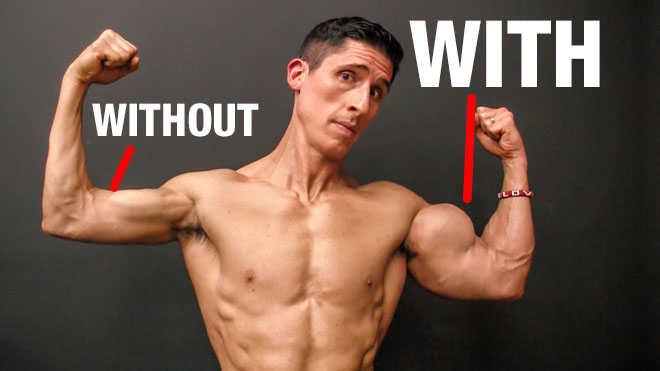
Credit: learn.athleanx.com
Workout Frequency
Building arm muscles requires the right workout frequency. Consistent training is key. But how often should you train? Understanding the balance is crucial. Too much can lead to burnout. Too little might slow progress. Let’s dive into optimal training days and the importance of rest.
Optimal Training Days
Training arms 2-3 times a week is effective. This frequency allows muscles to grow. Each session should target biceps and triceps. Focus on different exercises. This keeps muscles challenged. Avoid repeating the same routine. Change is good for muscle growth. Your muscles adapt over time. Keep them guessing for better results.
Rest And Recovery
Rest days are vital for muscle repair. Muscles grow during rest. Never skip rest days. Overtraining can lead to injuries. Listen to your body. Feel fatigued? Take a break. Sleep also plays a role. Aim for 7-9 hours of sleep each night. Proper sleep boosts recovery. A balanced diet supports muscle repair. Include protein-rich foods in your meals.
Effective Exercises For Arm Muscle
Building arm muscle takes time and dedication. Regular exercises such as bicep curls and tricep dips are essential. Results typically appear in several weeks, depending on consistency and nutrition.
Building arm muscle is not just about spending hours in the gym. It’s about doing the right exercises that target the biceps and triceps effectively. Have you ever wondered why some people seem to have bulging biceps and firm triceps effortlessly? They have likely found a workout routine that works for them. Let’s explore some effective exercises that can help you build those arm muscles efficiently.Bicep Workouts
For many, biceps are the show muscle. They’re the muscles you flex when someone asks to see your strength. One of the most effective exercises for biceps is the classic bicep curl. Whether you use dumbbells, barbells, or resistance bands, this exercise helps in maximizing muscle growth. Hammer curls are another excellent choice. They work on the muscles from a different angle, offering a more comprehensive workout. When I first started with hammer curls, I noticed my grip strength improved significantly. This can be a game-changer for you too. Pull-ups are often overlooked as a bicep workout. They engage your biceps along with your back, providing a compound movement that boosts arm strength. If regular pull-ups are challenging, start with assisted pull-ups and work your way up.Tricep Workouts
Triceps make up a large portion of your arm, but they often get less attention. Tricep dips are a fantastic exercise you can do almost anywhere. All you need is a bench or a sturdy chair. They not only strengthen your triceps but also engage your shoulders and core. Close-grip bench presses are another effective way to target triceps. By bringing your hands closer together on the bar, you shift the focus from your chest to your triceps. This exercise provides the added benefit of working on your chest and shoulders simultaneously. Skull crushers, despite their intimidating name, are incredibly effective. They isolate the tricep muscles, providing a focused workout. I remember the first time I tried them, my arms were sore for days—but the results were worth it. Incorporating these exercises into your routine could be the key to building those strong, defined arms you’ve been dreaming of. Have you tried any of these exercises yet? If not, why not start today and see the difference for yourself?Role Of Nutrition
Building arm muscle requires more than just lifting weights. Nutrition plays a crucial role. Proper nutrition fuels muscle growth and repair. Without it, gains can be slow or nonexistent. Your diet directly impacts your muscle-building progress.
Protein Intake
Protein is essential for muscle repair and growth. Aim for a protein-rich diet to support your muscles. Foods like chicken, fish, and beans are excellent sources. Consistent protein intake helps muscles recover and grow faster. Consider protein shakes for added convenience.
Caloric Surplus
To build muscle, consume more calories than you burn. This is known as a caloric surplus. It provides the energy your body needs to create new muscle tissue. Include nutrient-dense foods in your meals. Think whole grains, nuts, and healthy fats. A balanced diet promotes efficient muscle growth.
Supplements And Muscle Growth
Building arm muscle with supplements takes time. Typically, noticeable growth can be seen in 8 to 12 weeks. Consistent exercise and a balanced diet enhance results.
Building arm muscle is a journey that combines dedication, nutrition, and sometimes, supplements. While supplements can play a role in muscle growth, it’s essential to understand which ones might actually be beneficial and how they impact your progress. You might wonder if adding supplements to your routine could be the secret ingredient to stronger arms. Let’s dive into the common supplements and their impact on growth.Common Supplements
Navigating the supplement aisle can be overwhelming. Among the myriad of options, protein powders, creatine, and branched-chain amino acids (BCAAs) are popular choices for muscle growth. Protein powders, such as whey and plant-based options, are often used to boost daily protein intake. Creatine is another widely used supplement that supports energy production during intense workouts. BCAAs, comprising leucine, isoleucine, and valine, are thought to support muscle recovery and reduce soreness. Are these supplements the magic pill you’ve been searching for?Their Impact On Growth
Adding supplements to your diet can provide that extra push toward muscle growth, but they are not miracle workers. Protein supplements can help meet your protein needs, especially if you struggle to get enough through food alone. Creatine has shown promising results in improving muscle mass and strength over time. However, it’s important to use it correctly to avoid potential side effects. BCAAs might help with recovery, but their impact on muscle growth is less significant compared to whole protein sources. Supplements should complement a balanced diet and workout routine. Have you ever tried a supplement and felt a noticeable difference? Your experience might vary, as individual responses can differ widely. Ultimately, the effectiveness of supplements depends on factors like diet, exercise intensity, and consistency. Rather than relying solely on supplements, focus on a holistic approach to muscle building. How can you enhance your routine to maximize growth without over-relying on supplements? Consider these insights as you refine your strategy for arm muscle development.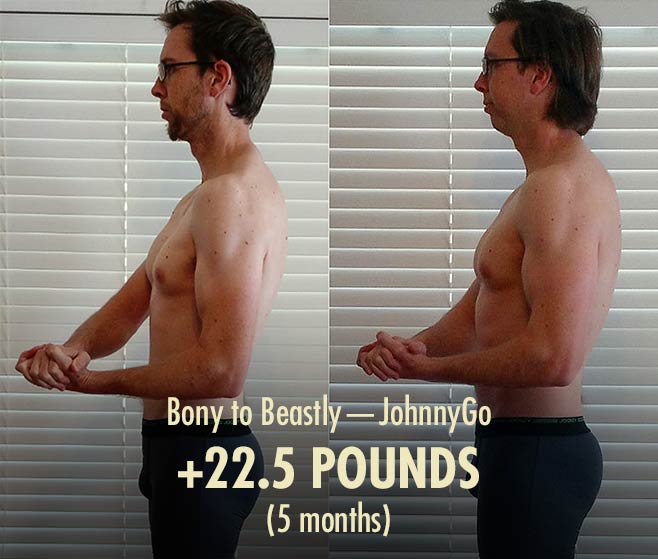
Credit: bonytobeastly.com
Tracking Progress
Building arm muscle takes dedication and consistency. Tracking your progress is essential. It helps you understand what works and what doesn’t. Regular monitoring keeps you motivated and on track.
Let’s explore some effective methods to track your arm muscle growth. Measuring size and monitoring strength are key indicators. They help you see real results from your efforts.
Measuring Size
Measure your arm size to track muscle growth. Use a flexible tape measure for accuracy. Wrap it around the widest part of your bicep. Record the measurement every few weeks. This helps you see how much muscle you’ve gained. Consistent measuring shows your progress over time.
Monitoring Strength
Strength gains indicate muscle growth. Track the weight you lift in your workouts. Note the number of repetitions and sets. As your strength increases, your muscles are growing. Challenge yourself to lift heavier weights. This encourages continued muscle development.
Keep a journal of your workouts. Record the exercises, weights, and reps. This helps you see patterns and improvements. It also helps in setting new goals for strength training.
Common Mistakes To Avoid
Building arm muscle requires time, dedication, and the right approach. Many people make common mistakes that slow progress. Understanding these errors can help you gain muscle faster and more efficiently.
Overtraining
Overtraining is a common mistake in muscle building. Many believe more is better. This is not true for muscle growth. Muscles need rest to grow. Overworking them leads to fatigue and injuries. Rest days are vital for recovery and growth. Plan your workouts wisely. Include breaks to allow muscles to repair and strengthen.
Poor Form
Poor form during exercise is another common issue. Correct form ensures muscles work properly. Using incorrect form can lead to injuries. It also reduces the effectiveness of your workout. Focus on technique before lifting heavy weights. Start with lighter weights to perfect your form. This practice prevents injuries and promotes better muscle development.
Credit: fitnesscfgyms.com
Realistic Timeframes
Building arm muscles takes time. Consistent workouts and balanced nutrition are key. Expect visible results in 8 to 12 weeks. Patience and persistence are essential for muscle growth.
Building arm muscle requires patience and dedication. Understanding realistic timeframes helps set achievable goals. Muscle growth varies with factors like genetics, diet, and workout intensity. Knowing what to expect helps maintain motivation.Short-term Gains
In the first few weeks, noticeable changes might occur. Beginners often experience rapid progress initially. This is due to the body’s adaptation to new stresses. Increased muscle tone and definition can be seen. Strength improves as muscles respond to regular workouts. Consistent training leads to visible results. These gains motivate further effort.Long-term Growth
Building significant muscle takes months or years. Consistency is key for long-lasting results. Progress slows as the body adapts. Muscle fibers grow stronger with time. A balanced diet supports growth. Continued workouts challenge muscles and aid development. Sustainable growth requires dedication and patience. Realistic expectations ensure steady motivation.Frequently Asked Questions
What Is The Fastest Way To Build Arm Muscle?
To build arm muscle fast, focus on compound exercises like push-ups, pull-ups, and bench presses. Include high-intensity interval training and ensure adequate protein intake. Consistent workout routines and progressive overload are crucial for rapid muscle growth. Rest and recovery are vital to prevent injury and enhance muscle repair.
How Long Do Arm Muscles Take To Show?
Arm muscles typically take 4 to 8 weeks to show visible results with consistent workouts. Factors such as diet, exercise intensity, and genetics influence muscle growth. Ensure a balanced routine, including strength training and proper nutrition, to enhance muscle visibility.
Regular progress tracking helps maintain motivation and adjust plans effectively.
Are Arm Muscles Easy To Build?
Building arm muscles varies by individual. Consistent workouts, proper nutrition, and rest are key. Genetics influence muscle growth speed. Most people see progress with regular strength training. Tailor exercises like bicep curls and tricep dips to your fitness level. Patience and persistence yield better results.
How Long To See Arm Muscle Growth?
Arm muscle growth typically begins within 4-6 weeks of consistent training. Visible changes depend on various factors like diet, workout intensity, and genetics. Focus on progressive overload and proper nutrition to enhance results. Patience and consistency are key to achieving noticeable arm muscle gains over time.
Conclusion
Building arm muscle takes time and dedication. Patience is key. Results don’t appear overnight. Regular workouts are essential. Consistency matters for muscle growth. Balanced diet supports progress. Protein fuels muscle repair and growth. Rest days help muscles recover. Track your progress to stay motivated.
Adjust routines if needed. Every body is unique. Some see changes fast. Others may take longer. Stay focused on your goal. Celebrate small victories. Keep learning and adapting. Remember, commitment leads to success. Enjoy the journey to stronger arms. Your efforts will pay off with time.
Keep pushing forward.