When you step into the gym, one question might pop into your mind: “How long should I be here?” You’re not alone in wondering about the ideal duration for your workout.
It’s a common question with no one-size-fits-all answer. Yet, understanding the right balance can transform your fitness journey. Imagine leaving the gym feeling accomplished, energized, and knowing you’ve made the most out of your time. That’s exactly what you can achieve with the right approach.
By the end of this article, you’ll discover the sweet spot that matches your fitness goals and lifestyle. So, let’s dive in and uncover the secrets to maximizing your gym time.
Credit: www.chicagoathleticclubs.com
Ideal Gym Duration
Finding the right gym duration can improve your fitness goals. Spending too much or too little time can affect your progress. So, what is the ideal gym duration? Let’s explore how long your gym sessions should last.
Understanding Your Fitness Goals
Your fitness goals determine your gym duration. Want to lose weight? Aim for a session lasting 30-60 minutes. Focus on cardio exercises to burn calories. Building muscle? Plan for 45-90 minutes. Include strength training in your routine.
Considering Your Fitness Level
Your fitness level impacts how long you should work out. Beginners should start with shorter sessions, about 20-30 minutes. As your stamina improves, increase your workout time gradually. Advanced athletes can handle longer sessions, up to 90 minutes.
Balancing Cardio And Strength Training
Balance cardio and strength training for optimal results. Cardio sessions can last around 20-40 minutes. Strength training may require 30-60 minutes. Mixing both ensures a well-rounded workout.
Listening To Your Body
Pay attention to your body’s signals. Feeling fatigued? Cut your session short. Pushing too hard can lead to injury. A healthy gym duration varies for each person.
Factoring In Recovery Time
Include recovery time in your routine. Rest days are crucial for muscle repair. Overworking your body can lead to burnout. Plan for at least one rest day per week.
Adapting To Your Schedule
Your daily schedule influences your gym time. Short on time? Opt for high-intensity workouts. These can be effective in just 20-30 minutes.
Remember, there’s no one-size-fits-all answer. Adapt your gym duration based on your needs and goals.
Factors Affecting Workout Length
Determining how long to spend at the gym involves several factors. Each person has unique goals and needs. Understanding these factors helps tailor an effective workout routine. Here, we explore key elements that influence workout length.
Fitness Goals
Your gym time depends largely on your fitness goals. Want to build muscle? Aim for longer sessions with focused strength exercises. If weight loss is the goal, consider shorter, intense workouts. Cardiovascular health might require moderate, steady sessions. Align your gym time with what you want to achieve.
Experience Level
Beginners and experienced gym-goers differ in needs. Newcomers should start with shorter sessions to build stamina. As you gain experience, gradually extend your workout duration. Advanced fitness enthusiasts may handle longer, more intense routines. Know your limits, and progress steadily.
Workout Type
Different workouts require different time commitments. Strength training might take longer due to rest periods between sets. Cardio sessions can vary in length based on intensity. High-Intensity Interval Training (HIIT) offers a quick, effective option. Choose the type that aligns with your schedule and goals.
Recommended Time For Beginners
When you first step into the gym, it can be overwhelming. You might wonder how much time you should spend there to see results. As a beginner, it’s crucial to find the right balance. Too little time might not give you the benefits you seek, while too much could lead to burnout or injury. Let’s explore the recommended time for beginners to spend at the gym.
Are you starting your fitness journey? It’s important to ease into your gym routine. Aim for 30 to 45 minutes per session. This duration is manageable and effective for beginners.
Why this timeframe? It allows you to focus on key exercises without feeling overwhelmed. You can gradually build stamina and strength, ensuring you’re not overdoing it.
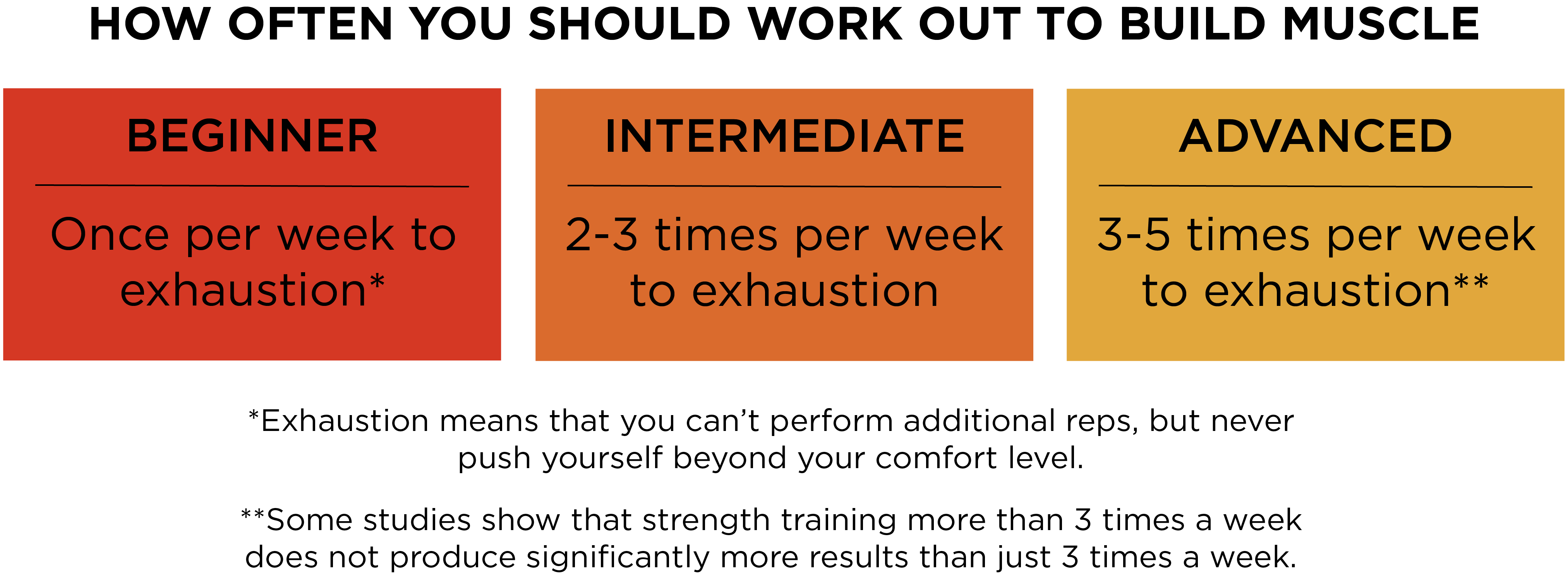
Think about your schedule. Can you carve out this time a few days a week? Consistency is vital. Start with two to three days and gradually increase as you get comfortable.
Balancing Cardio And Strength Training
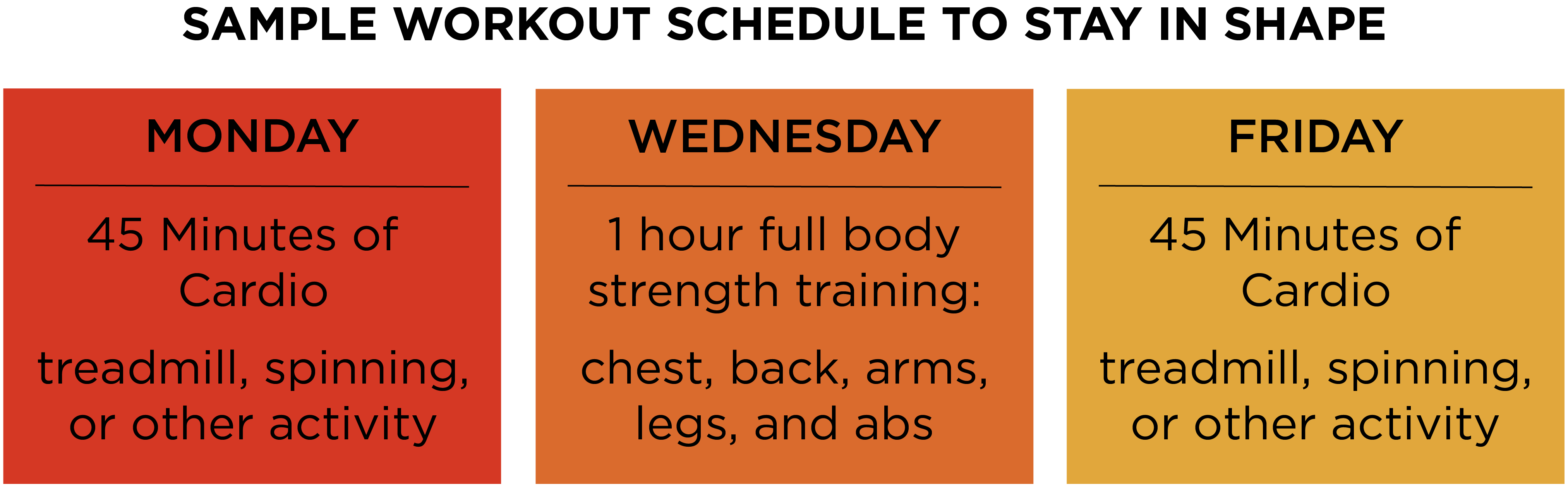
How should you spend these 30 to 45 minutes? Mix it up! Consider dividing your time between cardio and strength training. This balance ensures you’re working different muscle groups effectively.
Try dedicating 15 minutes to cardio and the remaining time to strength exercises. As a beginner, your body adapts quickly, and this mix helps prevent boredom and plateauing.
Listening To Your Body
Your body is your best guide. Feeling exhausted or sore? It’s okay to take a break or reduce your workout time. Rest is part of the process.
Pay attention to how your body responds and adjust accordingly. Pushing through pain isn’t always beneficial. Aim for gradual progress rather than quick fixes.
Setting Realistic Goals
What are your fitness goals? Setting realistic and achievable targets keeps you motivated. Avoid aiming for perfection on day one.
Consider tracking your progress. Celebrate small victories, like completing an extra set or increasing your weights. These milestones keep you engaged and excited.
Seeking Professional Guidance
Ever felt lost or unsure about your routine? Consulting a personal trainer can be beneficial. They can tailor a plan suited to your needs and ensure you’re using the equipment properly.
Trainers provide insights that might surprise you, like the importance of posture or breathing techniques. Their guidance helps you maximize your gym time.
In your journey, remember that patience and perseverance are key. How do you plan to make the most of your gym sessions as a beginner?
Credit: www.defrancostraining.com
Advanced Training Sessions
Explore optimal gym durations in our advanced training sessions. Discover how long workouts should be for best results. Learn to balance intensity and time for effective fitness routines.
Advanced training sessions at the gym are an exciting step forward in your fitness journey. They require more intensity and focus, aiming to push your boundaries and enhance your physical capabilities. But how long should these advanced sessions actually last to maximize your results without overtraining?Understanding Your Goals
First, clarify what you’re aiming for with your advanced sessions. Are you looking to build muscle, increase endurance, or improve overall strength? Each goal may require different time commitments. For example, strength training might need about 60-90 minutes, including warm-up and cool-down, while high-intensity interval training (HIIT) could be effective within 30-45 minutes.Quality Over Quantity
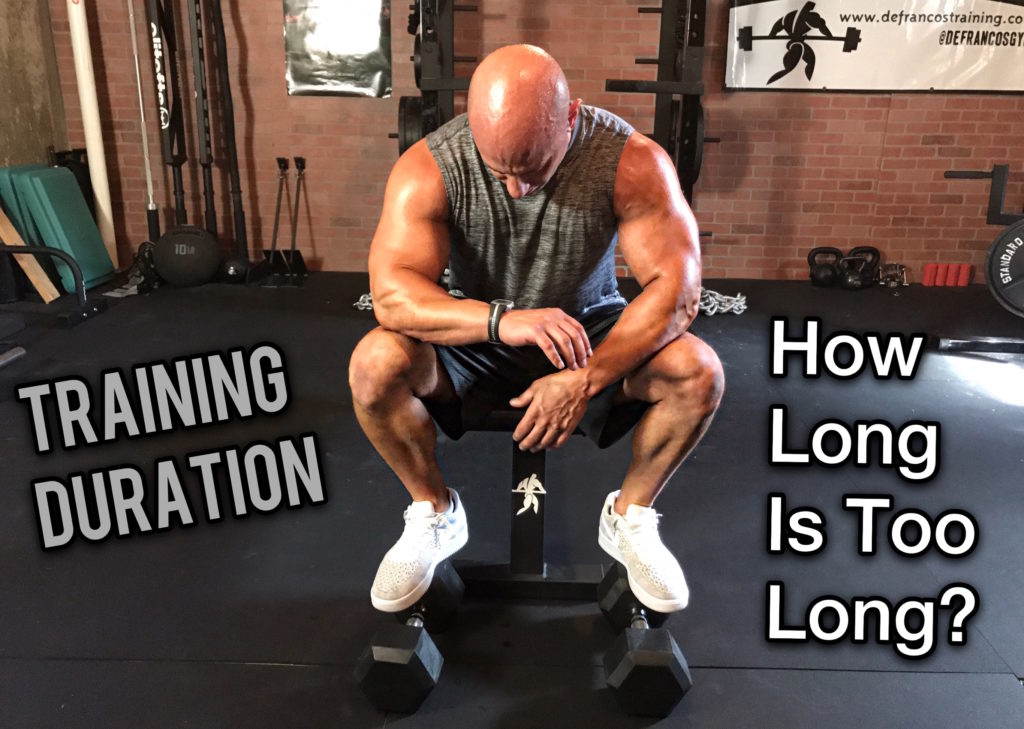
It’s easy to think longer gym sessions will yield better results. However, focusing on the quality of your workouts is crucial. A well-structured 45-minute session with high intensity and focus can be more beneficial than a 2-hour workout where you’re just going through the motions. Consider this: Would you rather spend more time in the gym with minimal progress or optimize your time for maximum gains?Listen To Your Body
Your body is a great communicator. Pay attention to how you feel during and after your workouts. If you find yourself consistently exhausted or not recovering well, it might be time to reassess your session length. Adjusting the duration can help prevent burnout and keep you motivated. Have you ever noticed how a slight change in routine can make a big difference in how you feel?Personal Experience: Finding Balance
When I first transitioned to advanced sessions, I struggled with finding the right duration. Initially, I pushed myself for two-hour workouts, believing longer was better. However, I soon realized that shorter, focused sessions left me feeling stronger and more energized. This shift not only improved my performance but also allowed me more time for other life activities.Practical Tips For Advanced Training Sessions
– Plan Ahead: Have a clear plan before hitting the gym to avoid wasting time. – Mix It Up: Combine different exercises to keep your workouts exciting and balanced. – Rest and Recovery: Ensure you have enough rest days to allow your muscles to recover and grow. How long do you usually spend at the gym? It might be time to rethink your strategy and see how adjustments can lead to better results.Balancing Time And Intensity
Finding the right gym routine involves balancing time and intensity. Aim for 45 minutes to an hour of focused exercise. This duration helps boost fitness while maintaining energy levels.
Balancing time and intensity at the gym is crucial. Finding the right balance can enhance your workout results. Too much time can lead to fatigue. Too little time might not yield desired outcomes. Understanding your body’s needs helps in tailoring effective gym sessions.Importance Of Rest
Rest is vital for recovery. Muscles need time to repair after workouts. Adequate rest prevents injuries. It also improves overall performance. Schedule rest days in your routine. Listen to your body’s signals. Rest supports long-term fitness goals.Preventing Overtraining
Overtraining can hinder progress. It leads to exhaustion and burnout. Symptoms include persistent fatigue and decreased performance. Balance intensity with recovery time. Track your workouts regularly. Adjust your routine if needed. Preventing overtraining maintains motivation and energy levels.Utilizing Gym Time Efficiently
Spending hours at the gym doesn’t guarantee results. It’s all about using your time wisely. Being efficient during workouts can help you see better results. You can finish faster and feel accomplished. Let’s explore ways to make the most of your gym time.
Prioritizing Exercises
Focus on exercises that work multiple muscles. Compound exercises like squats and deadlifts are great choices. They save time and boost strength. Include them in your routine for maximum benefits. Decide which muscles you want to target each day. This helps you plan and stick to important exercises. Avoid spending too much time on isolated exercises. They are less effective for overall fitness.
Time Management Tips
Set a timer for each set. This keeps you on track and prevents long breaks. Plan your workout before you arrive. Know which exercises you will do and in what order. Limit socializing during workout time. It can distract and waste valuable minutes. Use a stopwatch or app to monitor your progress. Staying aware of time helps maintain focus and efficiency.
Adjusting Duration For Specific Goals
Adjusting the duration of your gym sessions can make a significant difference in achieving your specific fitness goals. Whether you aim to shed pounds, build muscle, or enhance endurance, the time you spend working out should align with your aspirations. Let’s dive into how you can tailor your gym time to suit different objectives.
Weight Loss
Are you focusing on losing weight? Spending around 45 to 60 minutes at the gym can be effective. Incorporate a mix of cardio and strength training to maximize calorie burn. You might consider high-intensity interval training (HIIT) to keep your heart rate up and burn fat even after leaving the gym.
During my weight loss journey, I found that short bursts of intense activity, followed by brief recovery periods, kept me motivated and increased my calorie expenditure. Have you tried alternating between treadmill sprints and weight lifts? It’s a game-changer.
Muscle Gain
If muscle gain is your goal, you may want to extend your workouts to about 60 to 90 minutes. Focus on resistance training and progressively increase weights. Prioritize compound movements like squats, deadlifts, and bench presses. They target multiple muscle groups and enhance overall strength.
Building muscle can be a rewarding experience. I remember the first time I upped my weights and saw progress. Tracking your lifts and seeing improvement can be a powerful motivator. Are you keeping a gym journal to track your progress?
Endurance Building
Endurance building requires a different approach, often demanding longer sessions. Consider spending 60 to 120 minutes working on activities like running, cycling, or swimming. Gradually increase the duration and intensity to enhance stamina.
When I trained for my first marathon, I focused on gradually increasing my running distance. It was challenging but immensely satisfying. Have you set a long-term endurance goal that keeps you going?
Remember, the key to effective gym sessions is aligning your workout duration with your goals. Whether you’re shedding pounds, gaining muscle, or boosting endurance, listen to your body and adjust accordingly. What works for you might be different from the next person. So, what’s your gym goal today?
Signs Of Effective Workouts
Recognizing the signs of an effective workout can transform your gym experience. It helps you understand when your efforts are paying off and when you might need to tweak your routine. But how can you tell if your workout is hitting the mark?
Consistency In Progress
Are you noticing small but steady improvements in your strength or endurance? This could mean more reps, heavier weights, or a quicker pace. These gradual changes show that your body is responding positively to your workouts.
Feeling Energized Post-workout
Contrary to popular belief, a good workout should leave you energized, not drained. If you find yourself feeling more alert and focused after your gym sessions, that’s a sign you’re on the right track. It’s your body’s way of saying “thank you” for the effort.
Improved Mood And Sleep
Have you noticed a shift in your mood or sleep patterns? Regular exercise can boost your mood and help regulate sleep. Feeling happier and sleeping better are strong indicators of effective workouts.
Muscle Soreness Vs. Pain
It’s normal to experience mild soreness after a workout, but pain is different. Pain can be a sign of injury or overexertion. Understanding the difference helps you gauge whether your workouts are pushing you in the right way.
Positive Changes In Body Composition
Are your clothes fitting differently or are you noticing changes in your physique? This could be a sign of muscle gain or fat loss. These physical changes are tangible markers of effective workouts.
What does your body tell you after a workout? Listening to these signs can guide you towards a more effective gym routine, ensuring that your time spent at the gym is truly beneficial. Remember, the goal is not just to work hard but to work smart. Keep these signs in mind next time you hit the gym floor, and see if your workout is actually working for you.
Credit: www.chicagoathleticclubs.com
Frequently Asked Questions
Is 2 Hours Gym Too Much?
Two hours at the gym can be excessive for beginners. It depends on your fitness level and goals. Listen to your body and avoid overtraining. Balance with rest days to prevent injury. A well-structured workout plan, typically 45-90 minutes, can be effective and sustainable.
What Is The 3/2/1 Rule In Gym?
The 3/2/1 rule in the gym refers to a workout method. Perform three sets of two main exercises, followed by one accessory exercise. This structure helps balance strength and conditioning efficiently. It’s a popular technique for maximizing workout effectiveness within a short time.
What Is The 5-3-1 Rule In Gym?
The 5-3-1 rule is a strength training program focusing on compound lifts. Train each lift once weekly, progressing through cycles of 5 reps, 3 reps, and 1 rep. This method aids consistent strength gains and muscle growth, allowing for manageable improvements over time.
How Long Should A Person Stay In A Gym?
A gym session should last 45 minutes to 1 hour. This duration ensures effective workouts without overtraining. Adjust time based on goals and fitness level. Quality matters more than duration, so focus on proper form and intensity. Listening to your body is crucial for optimal results and avoiding injury.
Conclusion
Finding the right gym time takes patience and self-discovery. Everyone’s needs differ. Listen to your body. It tells you when to push or rest. Start with short sessions, then gradually increase. Consistency matters more than duration. Balance is key for sustainable progress.
Overworking can lead to burnout or injury. So, it’s okay to have rest days. Focus on quality over quantity. Enjoy your workouts. Make them a positive part of your routine. This approach leads to long-term fitness success. Remember, fitness is a personal journey.
Stay committed and enjoy the process.