You’re committed to getting fit, but there’s one nagging question: “How long should I go to the gym for?” You’re not alone.
Many people struggle with finding the right balance between working out enough to see results and not overdoing it. The answer isn’t one-size-fits-all, and that’s where things get interesting. Imagine maximizing your gym time so you can achieve your goals more efficiently.
What if you could spend less time working out and get even better results? This article will unravel the mystery and empower you to make the most of your gym sessions. Keep reading to discover the optimal workout duration tailored just for you.
Optimal Gym Session Duration
The question of how long you should spend at the gym can feel overwhelming, especially with all the conflicting advice out there. Finding the optimal gym session duration involves striking a balance that fits your lifestyle and fitness goals. It’s not just about clocking hours; it’s about maximizing efficiency and effectiveness during your workout.
Factors Influencing Workout Length
Several elements play a role in determining how long your gym session should last. Your fitness level is a key consideration. If you’re a beginner, shorter sessions might be more beneficial to avoid burnout. Experienced athletes might benefit from extended workouts to challenge their endurance.
Your goals also matter. Are you aiming for weight loss, muscle gain, or improved cardiovascular health? Different objectives require different time commitments. A strength training session might need more time for rest between sets, while a cardio workout could be shorter but more intense.
Consider external factors such as your daily schedule and mental health. Long sessions might fit into a leisurely weekend but could be impractical during a busy workday. Stress levels and motivation can also affect how long you should be exercising.
Balancing Time And Intensity
Finding the right mix of time and intensity can transform your gym experience. You don’t always need a marathon session to see results. Focus on maximizing the quality of your workout rather than the duration. High-intensity workouts can be very effective even if they’re short.
Think about intensity as a tool to compress effective workouts into shorter periods. High-intensity interval training (HIIT) is a great example of this, providing substantial benefits in less time. This approach can be a game-changer if you’re juggling multiple responsibilities.
Ask yourself, how do you feel after a workout? If you’re consistently exhausted and dread gym sessions, consider adjusting either the length or the intensity. Striking the right balance can make exercise enjoyable and sustainable.
Ultimately, the optimal gym session duration is unique to you. Listen to your body, align your workout with your goals, and don’t be afraid to experiment until you find a routine that enhances your life.
Credit: www.chicagoathleticclubs.com
Different Goals, Different Times
When it comes to hitting the gym, the amount of time you spend there can vary greatly depending on your specific goals. Different objectives require different approaches, and understanding this can help you tailor your workouts to be both effective and efficient. Whether you aim to shed pounds, build muscle, or boost endurance, aligning your gym time with your goals is key. Let’s dive into how different ambitions call for different durations.
Weight Loss Workouts
If your primary aim is to lose weight, you might find that shorter, more intense workouts are your best friend. High-intensity interval training (HIIT) sessions lasting around 30 minutes can be incredibly effective. They push your body to burn calories both during and after your workout.
These workouts are not only time-efficient but also keep your heart pumping and metabolism revved up. Consider incorporating a mix of cardio and resistance exercises for maximum impact. Remember, consistency is crucial. A few intense sessions each week can be more beneficial than spending hours on end at the gym.
Muscle Building Sessions
For those looking to pack on muscle, the approach shifts. Muscle building generally requires longer sessions, often ranging from 45 minutes to an hour. These workouts focus on lifting heavier weights with sufficient rest periods between sets.
It’s important to target different muscle groups on different days to avoid overtraining. Think of your gym time as an investment in strength and growth. Are you giving your muscles enough time and the right stimulus to grow? Be patient, as building muscle is a gradual process that requires dedication.
Endurance And Cardio Training
If boosting your endurance is the goal, longer sessions are usually more beneficial. Endurance training might involve 60 minutes or more of sustained activity. Activities such as running, cycling, or swimming are excellent choices.
The key is maintaining a steady pace that challenges your cardiovascular system over time. Consider mixing up your routine to keep things interesting, perhaps with varied terrains or speeds. Do you feel your stamina improving? Tracking progress can be motivating and encourage you to push further.
Ultimately, the time you spend in the gym should reflect what you want to achieve. Listen to your body, adjust as needed, and most importantly, enjoy the journey toward your fitness goals.
Listening To Your Body
Listening to your body is key to gym success. Your body often knows best. It tells you when to push harder or slow down. Ignoring these signals can lead to setbacks. Paying attention helps in maintaining a balanced gym routine.
Signs Of Overtraining
Overtraining can sneak up on you. Recognize common signs early. They include persistent fatigue and muscle soreness. You might experience mood swings or irritability. Sleep patterns may change, affecting energy levels. Reduced performance is another indicator. If workouts feel tougher, take notice.
Adjusting Duration For Recovery
Recovery is crucial for progress. Adjust workout durations to aid recovery. Shorten gym sessions if needed. More rest days might be necessary. Listen to your energy levels. Longer workouts can be counterproductive. Balance exercise with adequate rest. This ensures optimal growth and avoids burnout.
Expert Recommendations
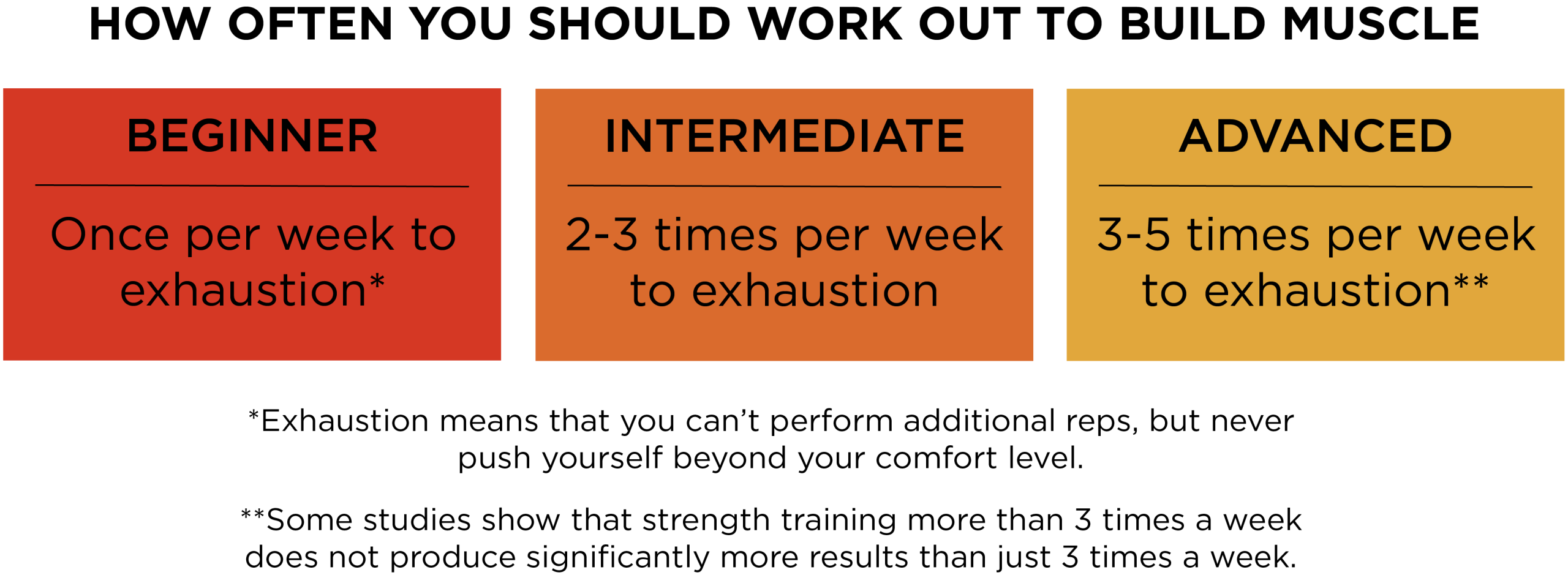
Deciding gym duration depends on goals and fitness level. Beginners may start with 30 minutes, 3-4 times weekly. Progressing to 60 minutes for advanced routines can enhance results, ensuring balance and avoiding burnout.
Determining the optimal gym duration can be a daunting task. With varied opinions from experts, it often leaves you wondering if there’s a one-size-fits-all approach. Let’s delve into what the experts suggest, helping you make an informed decision about your workout time.Guidance From Fitness Professionals
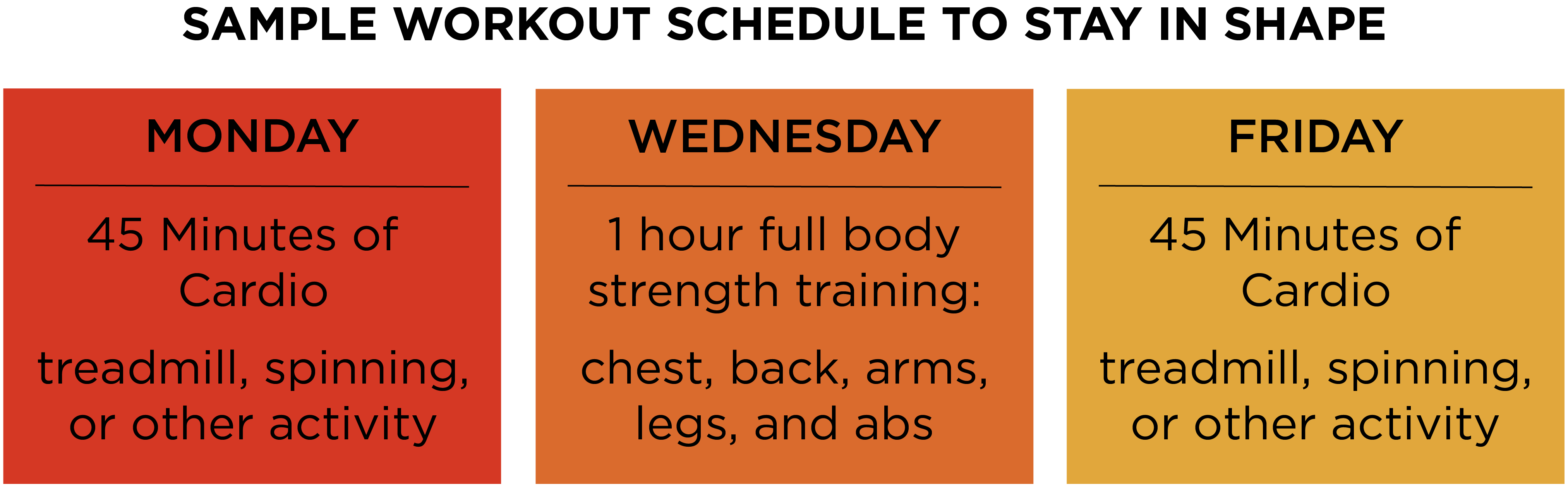
Many fitness professionals emphasize quality over quantity. They often recommend spending 45 to 60 minutes per session, focusing on efficient exercises that target your goals. Consistency is key—ensure your workouts fit into your lifestyle without causing burnout. Trainers often suggest combining strength training with cardiovascular exercises. This balanced approach helps in building muscle while burning calories. Adjust your gym time based on your energy levels and personal goals.Scientific Studies On Workout Length
Scientific research supports the notion that shorter, high-intensity workouts can be as effective as longer sessions. A study from the American College of Sports Medicine found that 30 minutes of moderate-intensity exercise can yield significant health benefits. Interestingly, people who exercise for shorter durations often maintain their routine longer. This could be due to less fatigue and a more sustainable commitment. Reflect on your long-term goals—would you prefer a short, intense workout or a longer, moderate one? Choosing the right gym duration isn’t just about following guidelines. It’s about understanding your body’s needs and adapting accordingly. What works for others might not work for you, so listen to your body and adjust your routine as needed.Maximizing Efficiency
Finding the right gym duration varies with goals and fitness levels. A 30 to 60-minute session can effectively balance strength and cardio, helping to enhance overall health and efficiency. Adjust your routine based on personal preferences and progress.
Maximizing Efficiency Making the most out of your gym time can help you achieve your fitness goals faster and more effectively. It’s not just about spending endless hours lifting weights or running on the treadmill. Instead, focusing on quality over quantity can lead to more significant results without burning out.High-intensity Interval Training
High-Intensity Interval Training (HIIT) is a game-changer for maximizing gym efficiency. With HIIT, you alternate between short bursts of intense exercise and brief recovery periods. This method keeps your heart rate up and burns more fat in less time compared to traditional workouts. Imagine squeezing a full workout into just 20 to 30 minutes. That’s the power of HIIT. It’s perfect if you struggle to find time for the gym amidst a busy schedule.Effective Use Of Gym Time
Have you ever noticed how quickly time flies when you’re at the gym? To ensure you’re using your time effectively, prioritize exercises that engage multiple muscle groups. Compound movements like squats, deadlifts, and bench presses are your best friends here. Planning your workout in advance can also make a significant difference. Walking into the gym with a clear plan can prevent you from wasting time figuring out what to do next. Consider tracking your progress each session. This simple act can keep you motivated and focused, ensuring that every minute spent in the gym counts towards your goals.
Credit: ibextrained.com
Personalizing Your Routine
Personalizing your gym routine can make your workouts more effective. Everyone has unique fitness goals and physical conditions. Creating a plan that fits your needs is crucial. This approach boosts motivation and helps you achieve desired results.
Tailoring Duration To Individual Needs
Your gym time should match your goals and lifestyle. Some aim for weight loss, others build muscle. Beginners might start with shorter sessions. Experienced athletes could spend longer times. Consider your energy levels and daily schedule. Adjusting gym time ensures you enjoy and stick to your routine.
Trial And Error In Finding The Right Balance
Finding the perfect gym duration may take some experimenting. Start with a basic schedule and see how your body reacts. Track your progress and feelings. Change your routine if something isn’t working. Gradually, you’ll discover what suits you best. This process helps optimize your workout experience.

Credit: www.setforset.com
Frequently Asked Questions
Is 2 Hours In The Gym Long?
Spending 2 hours in the gym can be long for some, depending on fitness goals and routines. Efficient workouts can be shorter yet effective. Listen to your body and adjust accordingly. Prioritize quality over quantity to maximize results and prevent burnout.
What Is The 3/2/1 Rule In Gym?
The 3/2/1 rule in the gym involves three sets per exercise, two minutes of rest between sets, and one exercise per muscle group. This method helps maximize muscle growth and recovery, ensuring effective workouts. Consistent application of this rule can enhance strength and fitness results efficiently.
Is 1 Hour Enough In The Gym?
One hour in the gym can be sufficient for a good workout. Focus on intensity and effective exercises. Tailor the routine to your goals, including cardio and strength training. Listen to your body and prioritize quality over quantity for optimal results.
How Long Should Someone Stay At A Gym?
Stay at the gym for 45-60 minutes per session. Focus on intensity and quality over time spent. Adjust based on personal goals and fitness level. Regular breaks and hydration are essential. Consult a trainer for personalized advice. Consistency is key to achieving desired results.
Conclusion
Finding the right gym duration depends on personal goals and lifestyle. Start small, like 20-30 minutes, then adjust as you progress. Listen to your body; rest is important too. Consistency matters more than long hours. Short, regular workouts can be effective.
Enjoy your gym time and keep it balanced. Tracking progress helps maintain motivation. Mix different exercises for variety. Remember, there’s no one-size-fits-all answer. Each person’s journey is unique. Experiment and find what feels best for you. Stay active and stay healthy.