Are you struggling to figure out how much time you should spend in the gym to reach your fitness goals? You’re not alone.
This common question often leaves people puzzled and unsure of where to begin. Whether you’re aiming to shed a few pounds, build muscle, or simply maintain a healthy lifestyle, the time you dedicate to your workouts plays a crucial role in your success.
But how do you strike the perfect balance between too little and too much? We’ll dive deep into the factors that determine your ideal gym time. We’ll explore how to maximize your efforts without overdoing it. By understanding your body’s needs and the science behind effective workouts, you’ll be equipped to make the most of every minute spent in the gym. Ready to unlock the secrets to an efficient workout routine? Keep reading and discover how to optimize your gym time for the best results.
Optimal Gym Time
Finding the right balance in gym time can be challenging. Many people wonder how much time they should spend exercising. The answer varies based on goals, fitness levels, and schedule flexibility.
Optimal Gym Time For Beginners
Beginners should start with shorter sessions. Aim for 30 to 45 minutes. Focus on learning proper techniques. This helps build a strong foundation. Gradually increase duration as confidence grows.
Optimal Gym Time For Weight Loss
Weight loss routines often need longer sessions. 45 to 60 minutes is effective. Combine cardio with strength training. This boosts calorie burn and muscle development. Consistency is key to seeing results.
Optimal Gym Time For Muscle Building
Building muscle requires focused workouts. Spend 60 to 90 minutes per session. Include varied exercises targeting different muscle groups. Proper rest between sets is crucial for growth.
Optimal Gym Time For Maintaining Fitness
Maintaining fitness can be flexible. 30 to 60 minutes is sufficient. Mix different activities for balanced workouts. This keeps routines fresh and engaging.
Optimal Gym Time For Busy Schedules
Busy schedules demand efficiency. Aim for 20 to 30-minute high-intensity sessions. Short workouts can be effective. Prioritize compound exercises for maximum impact.
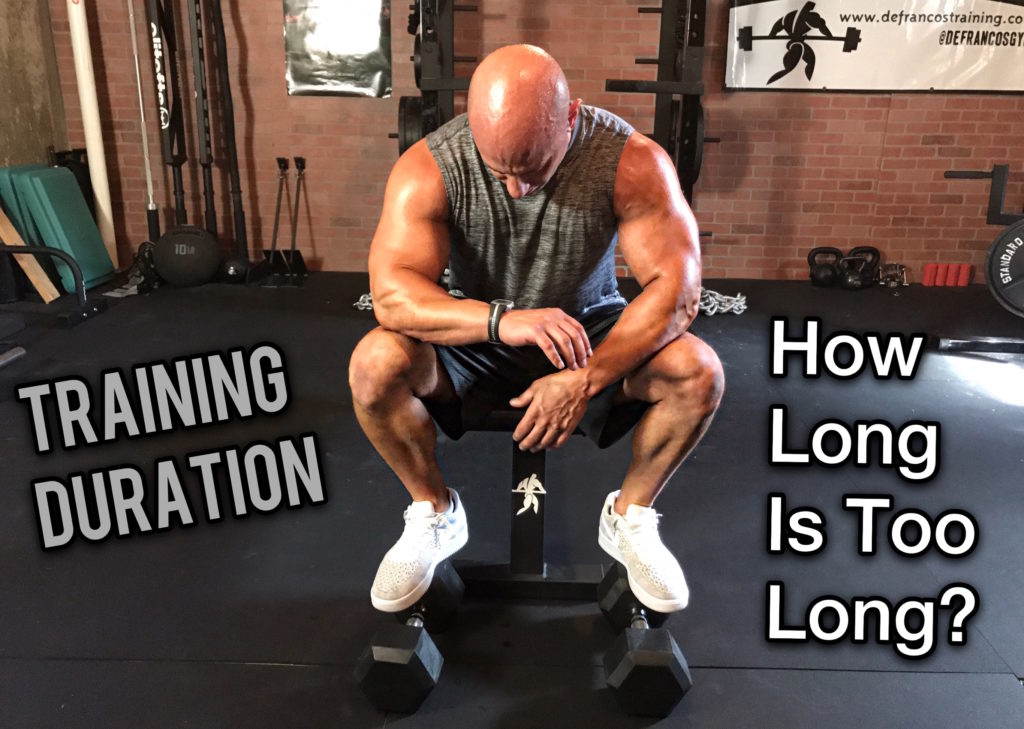
Credit: www.defrancostraining.com
Factors Affecting Workout Duration
The duration of your gym session can vary greatly. Several factors influence how long you should spend working out. Tailoring your gym time to your needs helps you achieve optimal results. Let’s explore key factors that affect workout duration.
Fitness Goals
Your fitness goals play a significant role. If you’re focusing on weight loss, shorter, high-intensity sessions might be beneficial. Those aiming to build muscle may require longer sessions with rest periods. Cardio enthusiasts might prefer extended sessions to boost endurance. Define your goals clearly to determine your workout length.
Experience Level
Experience level impacts workout duration. Beginners often start with shorter, manageable sessions. This helps avoid injury and burnout. As you gain experience, you might find longer workouts more beneficial. Experienced gym-goers can handle extended periods, focusing on technique and intensity. Adjust your time in the gym based on your comfort and skill level.
Workout Type
The type of workout you choose can dictate how long you spend at the gym. Strength training sessions might require more time due to rest intervals. Circuit training, with its fast pace, might be shorter but still effective. Yoga and Pilates may vary based on class length or personal routines. Choose a workout type that matches your available time and interests.
Benefits Of Short Workouts
Short workouts offer numerous benefits for gym enthusiasts. They fit into busy schedules. They also provide effective results in less time. Many people find short workouts more motivating and sustainable. This approach caters to those with limited time. It helps achieve fitness goals without spending hours in the gym.
Efficiency
Short workouts are efficient. They maximize every minute spent exercising. High-intensity interval training (HIIT) is popular for this reason. It combines short bursts of intense activity. This keeps your heart rate up and burns calories faster. Efficiency helps you achieve fitness goals quicker.
Time Management
Short workouts improve time management. They allow you to balance fitness with daily responsibilities. You spend less time at the gym. This means more time for family, work, and hobbies. Consistent short workouts fit into your schedule with ease.
Reduced Risk Of Injury
Short workouts often reduce injury risk. They involve less strain on your body. Overexertion is less likely. Focusing on form and technique becomes easier. This prevents common workout injuries. Short sessions also allow for better recovery time.
Credit: www.alltimefitness.ca
Advantages Of Longer Sessions
Spending more time in the gym can offer a range of benefits that might surprise you. It’s not just about getting fitter or stronger; it’s about enhancing your overall physical and mental health. If you’ve ever wondered whether those extra minutes or hours could make a difference, it’s worth considering the advantages of longer workout sessions. Are you maximizing your gym time?
In-depth Training
Longer gym sessions allow you to dive deeper into your training regimen. You can focus more on technique and form, which is crucial in preventing injuries. Take the time to understand your movements; this can help you master complex exercises like squats or deadlifts. Have you noticed how a slight change in posture can transform your workout?
Endurance Building
Extended workouts are excellent for building endurance. Adding more time to your routine challenges your cardiovascular system and muscles. This means you can gradually increase your workout intensity and duration. Whether it’s running longer distances or lifting heavier weights, your stamina grows. Have you ever felt that exhilarating rush after pushing your limits?
Skill Development
Spending more time in the gym can also enhance your skills. It provides a chance to try new exercises or sports. Whether you’re learning boxing or perfecting your yoga poses, longer sessions give you the time to practice and refine your abilities. Picture the satisfaction in mastering a new skill you once thought was impossible. Do you feel the excitement in discovering what your body is truly capable of?
Think about this: What would happen if you dedicated just a bit more time to your gym routine? Would you discover hidden strengths or skills? The gym is more than just a place to work out; it’s a space for growth and discovery. Have you taken the opportunity to explore your potential today?
Balancing Time And Intensity
Finding the right gym duration depends on goals and fitness level. Beginners might start with 30-minute sessions. Gradually increase to 60 minutes as stamina builds. Balancing time and intensity ensures effective workouts without overexertion.
Balancing time and intensity in the gym is crucial to achieving your fitness goals without burning out. You might wonder how long you should spend in the gym to see results. The answer varies depending on your workout intensity and personal objectives. It’s all about finding the sweet spot where your efforts yield maximum benefits without overextending yourself. Let’s explore different intensity levels and how they impact your gym time.High-intensity Training
High-intensity workouts are designed to push you to your limits in a shorter time frame. These sessions can be as brief as 20 to 30 minutes but pack a punch in terms of effectiveness. Consider high-intensity interval training (HIIT) if you’re short on time but still want to maximize calorie burn and muscle engagement. Imagine squeezing in a powerful workout during your lunch break. A quick HIIT session can leave you feeling energized for the rest of the day. But remember, high-intensity training requires adequate rest and recovery. Overdoing it can lead to fatigue or injury, so listen to your body.Moderate-intensity Options
Moderate-intensity workouts offer a more leisurely pace, typically lasting 45 to 60 minutes. These sessions are ideal for building endurance and maintaining consistency without excessive strain. Think of activities like steady-state cardio or circuit training. If you enjoy socializing while exercising, moderate-intensity workouts can be a great option. Whether you’re catching up with a friend during a jog or participating in a group fitness class, these workouts can be both productive and enjoyable. Have you ever felt the satisfaction of completing a full-hour workout and still having energy for the rest of your day? That’s the magic of moderate intensity. It allows for a balanced approach where you can focus on form, technique, and gradual improvement. Ultimately, the key is to align your gym time with your fitness goals and lifestyle. Ask yourself: what intensity level suits your current fitness journey? Balancing time and intensity can be your ticket to sustainable progress.Recovery And Rest Importance
Spending the right amount of time in the gym isn’t just about the exercises you do; it’s about how well you recover afterward. Recovery and rest are crucial for achieving your fitness goals. They ensure your body heals, grows stronger, and stays motivated for your next workout.
Muscle Repair
When you lift weights or engage in intense workouts, your muscle fibers experience small tears. These tears are a natural part of building muscle. But without adequate rest, your muscles can’t repair themselves effectively. Ever notice how sore you feel after a heavy workout? That’s your body signaling it needs time to heal.
Think of rest days as the secret sauce to muscle growth. Your muscles repair and grow stronger during these periods. Skipping rest days might lead to fatigue or even injury. To maximize muscle repair, balance your gym time with proper rest.
Mental Refreshment
Physical recovery is just one piece of the puzzle. Mental refreshment is equally important. You might enjoy the gym, but constantly pushing yourself without breaks can lead to burnout. Have you ever felt unmotivated or dreaded your next workout? That’s your mind telling you it needs a break.
Taking time to rest can rejuvenate your mental energy. It’s a chance to reset and come back to the gym with a fresh perspective. Consider how much more focused and enthusiastic you feel after a good break. Do you plan your rest days as carefully as your workout days? If not, it might be time to start.
Balancing gym time with recovery isn’t just smart—it’s essential. Whether it’s muscle repair or mental refreshment, your body and mind need time to recharge. How will you adjust your routine to prioritize recovery? Let your body guide you. Listen to it, and give it the rest it deserves. Your progress depends on it.
Personalizing Your Gym Routine
Every gym-goer has their unique journey. What works for one might not work for another. Personalizing your gym routine is crucial for achieving the best results. It’s about finding what fits your goals, lifestyle, and body needs.
Listen To Your Body
Your body is your best guide. Paying attention to how you feel during workouts can prevent injuries and burnout. If you’re feeling unusually tired or sore, it’s okay to take a break.
Consider how your body responds to different exercises. Some people thrive with a long cardio session, while others prefer weightlifting. Maybe you’ve noticed that your energy spikes after a short morning workout. Capitalize on that.
Remember, it’s not about pushing through pain; it’s about finding a rhythm that works for you. Do you feel more motivated with morning workouts or evening sessions?
Adjusting Based On Progress
Assess your progress regularly. Are you meeting your fitness goals? If not, it might be time to adjust your routine. Perhaps you need more variety or intensity.
Track your workouts and results. This can be as simple as noting down your achievements in a journal. Did you lift more this week than last week? That’s progress worth celebrating.
Be flexible with your schedule. If a particular exercise isn’t yielding the results you want, switch it up. Maybe a friend shared a new workout that boosted their results. Why not give it a try?
Ultimately, personalization is about trial and error. It’s about testing what makes you feel good and what helps you reach your goals. What changes will you make to better align your gym routine with your needs?

Credit: builtforathletes.com
Frequently Asked Questions
Is 2 Hours In The Gym Too Much?
Two hours at the gym can be too much for some, depending on fitness level and goals. Balance is key. Listen to your body and ensure proper recovery. Shorter, more intense workouts might offer better results and reduce injury risk.
Consult a fitness expert for tailored advice.
What Is The 70/30 Rule Gym?
The 70/30 rule in the gym focuses on achieving fitness goals through 70% nutrition and 30% exercise. Prioritizing a balanced diet significantly impacts results, while consistent workouts support overall health and fitness improvements. This approach emphasizes the importance of both dietary choices and physical activity for optimal health.
How Long Should I Spend A Day In The Gym?
Spend 30-60 minutes in the gym daily for optimal results. Tailor your routine to match personal fitness goals. Balance cardio, strength training, and flexibility exercises for well-rounded fitness. Listen to your body and adjust intensity as needed. Consistency is key to achieving desired outcomes.
What Is The 3/2/1 Rule In Gym?
The 3/2/1 rule in the gym involves 3 sets of exercises, 2 minutes rest between sets, and 1-minute rest between exercises. This method helps in maintaining intensity and maximizing workout efficiency. It is a structured approach to ensure balanced and effective training sessions.
Conclusion
Finding the right gym time depends on individual goals. Beginners might start with 30-minute sessions. More experienced individuals may aim for an hour. Listen to your body. It knows best. Rest days are important too. They help recovery. Consistency matters more than time spent.
Quality over quantity. Focus on effective workouts. Tailor your routine to fit your lifestyle. Balance is key. Too much can lead to burnout. Keep it enjoyable. Stay motivated by setting realistic goals. Remember, personal preference plays a role. Everyone’s journey is unique.
Your ideal time is what works best for you.