How long should you stay at the gym? This question might have crossed your mind as you lace up your sneakers or unroll your yoga mat.
You want to make the most of your time, ensuring every minute counts towards your fitness goals. But how do you determine the right amount of time to spend working out without overdoing it or, worse, underachieving? Imagine walking out of the gym feeling energized, not exhausted, and knowing that you’ve done exactly what your body needs.
This sense of accomplishment and balance can be yours, if you know how to tailor your gym sessions to fit your unique needs. Stick with us, and you’ll discover the perfect workout duration that aligns with your goals, whether you’re aiming to build muscle, lose weight, or simply maintain a healthy lifestyle. Understanding this can transform your gym visits from a daunting task to a rewarding routine. Don’t let another workout pass you by without knowing if you’re maximizing your potential. Dive into this guide and unlock the secrets to a more effective and efficient gym experience.

Credit: id.pinterest.com
Optimal Workout Duration
Finding the right time to spend at the gym is crucial. Many wonder about the optimal workout duration. It’s not just about lifting weights or running. It’s about balancing effort and results. Too much can lead to exhaustion. Too little might not bring the desired change. The key is finding what works best for you.
Optimal Workout Duration For Beginners
Beginners should aim for shorter sessions. 30 to 45 minutes is ideal. Focus on learning correct form. Build a strong foundation. Gradually increase time as you progress. Listen to your body. It’s a new journey. Start slow and steady.
Optimal Workout Duration For Weight Loss
For weight loss, consistent effort is vital. 45 to 60 minutes is effective. Mix cardio and strength training. Burn calories and build muscle. Keep a steady pace. Track your progress. Adjust duration as needed.
Optimal Workout Duration For Muscle Gain
Muscle gain requires focused training. 60 to 90 minutes works well. Concentrate on muscle groups. Rest between sets is essential. Avoid rushing through exercises. Quality over quantity matters. Monitor your growth.
Optimal Workout Duration For Busy Schedules
Short on time? 20 to 30 minutes can be effective. Use high-intensity workouts. Maximize every minute. Keep distractions at bay. Be consistent. Every effort counts. Fit the gym into your routine.
Optimal Workout Duration For Seniors
Seniors need tailored workouts. 30 to 45 minutes is suitable. Focus on flexibility and balance. Gentle strength exercises help. Prioritize safety. Listen to your body. Adjust as needed.
Factors Affecting Gym Time
Gym time depends on goals, fitness level, and available time. Beginners may benefit from shorter sessions, while advanced athletes might need longer workouts. Balance intensity with rest for optimal results.
Understanding how long you should stay at the gym is crucial for optimizing your workouts. The time you spend there is influenced by various factors that can help you maximize results without overextending yourself. Let’s dive into the main elements that play a significant role in determining your ideal gym time.Fitness Goals
Your fitness goals are a primary factor in deciding how long you should stay at the gym. If you’re aiming to build muscle, your sessions might be longer to include weight training and rest periods between sets. Alternatively, if your goal is weight loss, you might focus on shorter, high-intensity workouts that keep your heart rate up. Think about what you want to achieve and tailor your gym time accordingly. Are you there to boost endurance, increase strength, or improve flexibility?Exercise Intensity
The intensity of your exercises can drastically affect your gym duration. High-intensity workouts, such as HIIT, typically last shorter than moderate-intensity sessions. This is because they push your body to the max, requiring less time but more effort. On the other hand, lower intensity workouts, like steady-paced cardio, might take longer to achieve the desired effect. Consider how hard you plan to push yourself each session.Experience Level
Your experience level also plays a role in determining how much time you should spend at the gym. Beginners often benefit from shorter, more focused sessions to build a solid foundation and prevent injury. As you become more experienced, you might spend more time working on specific skills or muscle groups. Reflect on your current fitness level. Are you just starting, or are you seasoned in your routine? Ultimately, the key is to find a balance that aligns with your goals, intensity preferences, and experience. Always listen to your body and adjust your gym time as needed. What could you change today to make your gym experience more effective?Benefits Of Short Workouts
Short workouts can be highly effective, making gym sessions efficient. They boost energy and improve fitness in less time. Ideal for busy schedules, they fit easily into daily routines.
Are you finding it hard to squeeze time for the gym into your busy schedule? You’re not alone. Short workouts offer a solution to the time crunch without sacrificing results. These mini-sessions can be just as effective as longer ones, offering unique benefits that might surprise you. Let’s explore how these brief workouts can fit perfectly into your routine while maximizing efficiency and boosting motivation.Efficiency
Short workouts can be incredibly efficient. With a focused approach, you can achieve your fitness goals in a fraction of the time. Consider a 20-minute high-intensity interval training (HIIT) session. It packs a punch, burning calories and building endurance quickly. Imagine reclaiming hours of your week while still getting fitter. You don’t need to spend endless hours at the gym. Think about the extra time you could spend on hobbies or with family.Focus And Motivation
Short workouts demand focus, making every second count. There’s less room for distractions, leading to more productive sessions. You might find yourself more motivated knowing your workout is quick yet effective. Picture this: the satisfaction of completing a workout without feeling drained. You’ll leave the gym energized rather than exhausted. This can lead to a positive cycle where you actually look forward to exercising. Isn’t it exciting to think about how short workouts could transform your fitness journey? What changes would you make if you knew you could achieve your goals in less time?
Credit: www.defrancostraining.com
Advantages Of Longer Sessions
Staying longer at the gym can boost muscle growth and improve endurance. More time allows better focus on technique and recovery. It also helps in burning more calories, supporting weight loss goals effectively.
Advantages of Longer Sessions Spending extra time at the gym can offer a range of benefits that might surprise you. Longer sessions aren’t just about burning more calories; they provide unique opportunities for personal growth and improvement. Have you ever wondered how extending your workout could enhance your gym experience?Skill Development
Longer gym sessions allow you to focus on perfecting your technique. Whether it’s mastering the art of a flawless deadlift or nailing the form in yoga poses, having the extra time lets you practice without feeling rushed. Imagine the satisfaction of finally getting that move right after weeks of practice. Spending more time working on skills can also boost your confidence. When you’re not watching the clock, you’re free to experiment and try new exercises. This can lead to discovering new interests and keeping your routine exciting.Endurance Building
Extended workouts are perfect for building endurance. By gradually increasing the time spent on exercises like running, cycling, or rowing, you push your limits and enhance your stamina. How would it feel to run that extra mile or cycle longer without feeling exhausted? More time also means you can mix cardio with strength training, leading to better overall fitness. You’ll notice improvements in daily activities, like climbing stairs or carrying groceries, as your endurance builds up. The added benefit? You’ll feel more energetic throughout the day.Balancing Time And Results
Finding the right time at the gym can be tricky. A session of 45-60 minutes is usually enough. Focus on quality exercises instead of long hours to get good results without feeling overwhelmed.
Balancing your time at the gym with the results you want can feel like a tightrope walk. Spend too little time, and you might not see the progress you desire. Spend too much, and you risk burnout or injury. The key is finding that sweet spot where your effort translates into real, tangible results. But how do you strike this balance?Quality Over Quantity
It’s not about how long you spend at the gym, but how effectively you use that time. A focused 45-minute workout can be more beneficial than a meandering two-hour session. Think of it like a road trip: you wouldn’t drive aimlessly for hours when a direct route could get you to your destination quicker. Use your gym time wisely by concentrating on exercises that target your goals. If building strength is your aim, prioritize heavy lifts and compound movements. For cardiovascular health, a high-intensity interval training (HIIT) session can deliver great results in a shorter time frame. Setting clear objectives for each session keeps you on track. You’ll find you achieve more in less time, and you leave the gym feeling accomplished.Recovery Importance
Recovery is as vital as the workout itself. Your muscles need time to repair and grow stronger. Without sufficient rest, you risk overtraining, which can lead to fatigue, decreased performance, and even injury. Imagine your body as a battery. Each workout drains a bit of your energy, and recovery is your recharge time. Skipping rest days is like running on low battery—it’s only a matter of time before you crash. Listen to your body. If you feel unusually tired or sore, give yourself permission to rest. Incorporating active recovery days, like light yoga or walking, can help keep you moving without overexerting yourself. Are you prioritizing recovery in your fitness routine? Sometimes, less is more, and taking a step back can propel you forward in your fitness journey. Balancing time and results is not just about cutting back on gym hours, but understanding that rest is a crucial part of the equation.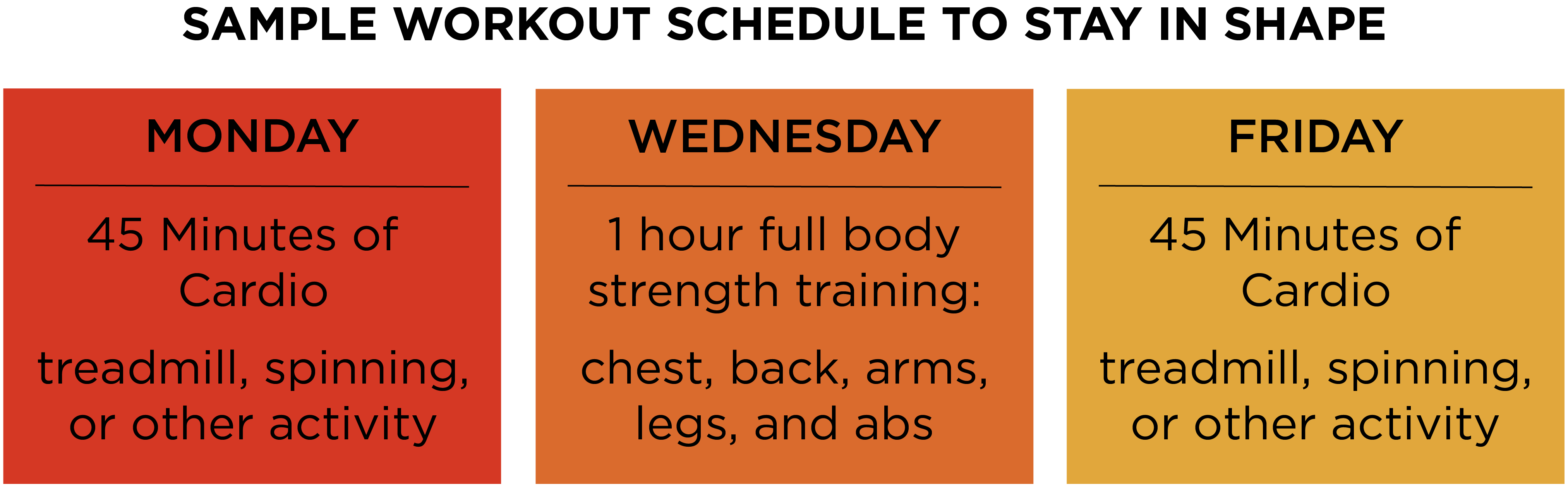
Credit: www.chicagoathleticclubs.com
Adjusting Based On Progress
Time at the gym depends on your progress. Listen to your body. Increase or decrease duration based on how you feel. Balance intensity and rest to see better results.
Adjusting your gym time based on progress is crucial for achieving your fitness goals efficiently. It’s easy to fall into a routine without evaluating if it’s truly effective. Regularly assessing your progress ensures that you’re not just spending time at the gym, but making the most out of every minute. Let’s delve into how you can optimize your gym sessions by monitoring your performance and adapting your routine.Monitoring Performance
Tracking your performance is like having a fitness compass. It guides you in the right direction. Keep a journal or use a fitness app to note down your sets, reps, and weights. This helps you see patterns and identify plateaus. Consider how you feel after workouts. Are you exhausted or energized? This can tell you if you’re pushing too hard or not enough. Regularly check your progress with simple tests like timing your runs or measuring your lifting capacity. Ask yourself, “Have I improved since last month?” If the answer is no, it might be time for a change. Remember, progress isn’t just about lifting heavier or running faster. It’s also about feeling healthier and more confident.Adapting Routine
Sticking to the same routine can be comforting but not always effective. If your progress stalls, tweak your workout. Try adding a new exercise or increasing intensity to challenge your body differently. Switching things up can also keep you motivated. Trying new activities like yoga or spinning can break the monotony and work different muscle groups. This not only aids in physical development but also keeps your mind engaged. Reflect on your current routine. Does it still excite you? If you dread going to the gym, it’s a sign to adapt. Keeping your routine fresh can reignite your passion for fitness and lead to better results.Frequently Asked Questions
Is 2 Hours In The Gym Too Much?
Two hours in the gym can be excessive for some individuals. Balance workout duration with intensity and personal fitness goals. Listen to your body and ensure adequate rest. Overtraining can lead to fatigue and injury. Consult a fitness professional for personalized advice.
How Long Should I Actually Spend At The Gym?
Aim for 45 minutes to 1 hour at the gym. Focus on effective workouts for best results. Adjust time based on your goals and fitness level. Consistency matters more than duration. Ensure proper rest and recovery for optimal performance. Listen to your body and avoid overtraining.
Is 1 Hour A Day In The Gym Enough?
One hour a day is usually enough for gym workouts. Consistency and intensity matter more than duration. Tailor sessions to your fitness goals, whether it’s strength, endurance, or weight loss. Listen to your body and ensure proper recovery. For significant results, combine exercise with a balanced diet and adequate rest.
What Is The 3-3-3 Rule In The Gym?
The 3-3-3 rule in the gym involves performing 3 sets of 3 exercises for 3 repetitions each. This method focuses on intensity and strength-building, optimizing muscle growth and endurance while minimizing workout duration. It’s suitable for those seeking efficient, powerful training sessions without lengthy gym time.
Conclusion
Finding the right gym time can boost your fitness journey. Balance is key. Spending too long may cause burnout or injury. Too short, and you might miss goals. Listen to your body. Feel your energy levels. Adjust your routine as needed.
Beginners might start with 30 minutes. More experienced can aim for an hour. Always warm up and cool down. Stay hydrated. Keep your workouts enjoyable. Consistency matters more than hours spent. Remember, quality over quantity wins. Prioritize what feels best for you.
Your health journey is personal. Make it fit your life.