How long should you work out to build muscle? It’s a question that might be keeping you up at night as you dream about transforming your physique.
You’re not alone. Many people dive into the world of fitness, eager to see those muscles grow, yet they find themselves puzzled by the maze of workout advice. It’s easy to feel overwhelmed by conflicting information. Imagine walking into a gym, confident and equipped with the perfect workout duration tailored just for you.
Wouldn’t that be empowering? Knowing exactly how much time to spend exercising can be the game-changer you need. In this blog post, we’ll strip away the confusion and offer you a clear, straightforward answer. You’ll discover the optimal workout duration that aligns with your goals, ensuring you make the most out of every sweat session. Stick around, because unlocking this secret might just be the key to achieving the body you’ve always wanted.

Credit: www.healthline.com
Optimal Workout Duration
Finding the optimal workout duration is crucial for muscle building. Spend too little time, and you might not stimulate growth. Spend too much time, and you risk overtraining. So, what’s the sweet spot? Let’s explore the ideal workout duration for maximizing muscle growth.
Ideal Time For Muscle Growth
Experts suggest 45 to 60 minutes per session. This range allows for effective exercises without overdoing it. Within this time, focus on compound movements. These exercises engage multiple muscle groups. Think squats, deadlifts, and bench presses. They provide the best bang for your buck.
Rest periods matter too. Keep them between sets short. Aim for 1 to 2 minutes. This helps maintain intensity. And it supports muscle growth without burnout.
Balancing Workout Intensity And Duration
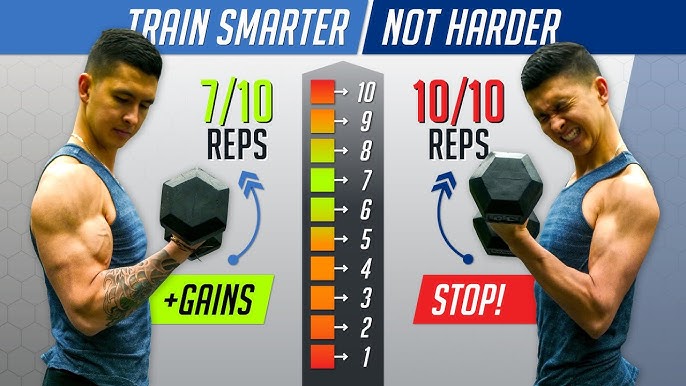
Balance is key in workouts. High intensity with long duration leads to fatigue. Fatigue can hinder muscle growth. Instead, prioritize quality over quantity. Shorten your workouts if needed. But keep the intensity high.
Listen to your body. Some days, energy levels vary. Adjust your workout duration accordingly. Always aim for a challenging, yet manageable session. This balance promotes consistent progress. And it safeguards against injury and burnout.

Credit: in.pinterest.com
Factors Influencing Workout Length
Determining the right workout length for muscle building isn’t simple. It depends on various factors. Understanding these can help you optimize your exercise routine. Let’s explore these factors in detail.
Individual Fitness Levels
Everyone’s fitness level is different. Beginners might need shorter workouts. Their bodies aren’t used to intense activity. Shorter sessions help them avoid injury. Experienced athletes can handle longer sessions. Their bodies have adapted to the stress of exercise. They can push themselves harder without risk.
Types Of Exercises
The kind of exercises you choose also affects workout length. Compound exercises engage multiple muscle groups at once. They can make workouts more efficient and shorter. Examples include squats and deadlifts. Isolation exercises target one muscle group. They often require longer sessions to achieve the same effect. Bicep curls and leg extensions fall into this category.
Balancing these factors can help tailor a workout plan. It ensures you get the most out of your time. This way, you build muscle effectively and safely.
Training Frequency
Training frequency is key to building muscle effectively. Consistency shapes results. Striking the right balance between intensity and rest is crucial. Understanding how often to train helps maximize gains without risking injury.
Weekly Workout Sessions
Engage in workouts three to five times a week. This frequency keeps muscles growing and prevents overtraining. Each session should focus on different muscle groups. This approach enhances muscle recovery and growth. A balanced schedule ensures optimal results.
Rest And Recovery Importance
Rest days are vital for muscle repair. Skipping rest can hinder progress. Muscles grow stronger during recovery. Ensure one or two rest days each week. Quality sleep and nutrition aid recovery. Listen to your body and adjust rest as needed.
Credit: www.youtube.com
Expert Recommendations
Understanding how long to work out for muscle growth can be tricky. Experts share insights to guide your routine. Their recommendations help ensure your efforts lead to real results.
Tips From Personal Trainers
Personal trainers suggest focusing on quality over quantity. A typical workout ranges from 45 to 60 minutes. This duration allows for effective muscle engagement without overtraining. Trainers recommend targeting different muscle groups each session. This approach aids recovery and promotes balanced growth. Consistency is key. Aim for at least three sessions per week. Rest and nutrition are equally important to muscle development.
Scientific Research Insights
Scientific studies provide a deeper understanding of workout durations. Research indicates shorter, intense workouts can be effective. High-Intensity Interval Training (HIIT) is one such method. It blends short bursts of intense activity with rest. Studies show HIIT can enhance muscle gain in less time. Other research highlights progressive overload. Gradually increasing weights challenges muscles, promoting growth. Each session should include varied exercises. This variety prevents plateaus and ensures continuous progress.
Avoiding Overtraining
Balancing workout duration is key to muscle growth and avoiding overtraining. Aim for 45-60 minutes per session. This helps maintain energy and focus while allowing muscles to recover properly.
Avoiding overtraining is crucial for muscle growth. It’s easy to think more workouts equal more gains. But pushing too hard can harm progress. Muscles need time to recover and grow. Overtraining can lead to fatigue, injury, and loss of motivation. Understanding the balance between workout and recovery is key to building muscle effectively.Recognizing Signs Of Overtraining
Overtraining can sneak up on you. Feeling tired all the time is a big sign. You might notice muscle soreness that won’t go away. Sleep problems can also be a clue. If workouts feel harder than usual, it’s time to take a step back. Mood changes like irritability or depression may occur. Listen to your body. It tells you when it’s overworked.Balancing Workouts With Recovery
Finding balance between workouts and recovery is essential. Plan your routine to include rest days. They help muscles rebuild and grow stronger. Sleep plays a major role in recovery. Aim for seven to eight hours each night. Hydration is important too. Water supports muscle repair. Nutrition should not be ignored. Consume protein-rich foods for muscle repair. Stretching can prevent injuries and aid recovery. Make recovery a priority. It’s as important as the workout itself.Tailoring Workouts To Goals
Tailoring workouts to build muscle requires focusing on duration and intensity. Typically, aim for 45 minutes to an hour. Effective sessions combine strength training and rest to maximize growth.
Setting the right workout length to build muscle depends heavily on your personal goals. Whether you’re aiming for strength or hypertrophy, understanding how to tailor your workouts is key. Many fitness enthusiasts find themselves overwhelmed with advice, but the secret lies in aligning your routines with your ambitions.Strength Vs. Hypertrophy Focus
When you’re focusing on strength, the goal is to increase how much weight you can lift. This means your workouts might be shorter, with more rest between sets. Typically, strength training involves lifting heavier weights for fewer reps, around 3 to 5 per set. In contrast, if hypertrophy—or muscle growth—is your aim, you’ll want to lengthen your time under tension. This means slightly lighter weights but more reps, usually in the range of 8 to 12 per set. You’ll be working your muscles harder, which may require longer sessions. Think about what you want to achieve with your training. Is it the ability to lift more, or do you want your muscles to visibly grow? Your answer will guide your workout duration and intensity.Adapting To Fitness Progress
As you get stronger, your body will adapt, and your workout needs will change. A routine that worked for you six months ago might not be as effective now. This is a sign of progress. Keep an eye on how your body responds. Are you still challenged by your current routine, or have things become too easy? Adjust your workout length and intensity to keep pushing your limits. Have you ever noticed your progress stalling? It might be time to shake things up. Try adding new exercises or increasing the intensity. This prevents plateaus and keeps your muscles guessing. By tailoring your workouts to your goals and progress, you’ll ensure that every minute spent in the gym counts. What changes can you make today to align your workouts with your evolving fitness journey?Frequently Asked Questions
What Is The 3/2/1 Rule In Gym?
The 3/2/1 rule in the gym involves three sets, two minutes rest, and one exercise focus. This approach aids muscle growth and strength, ensuring effective workouts. Ideal for structured training, it helps maintain focus and consistency, while optimizing recovery and performance.
Is Lifting For 2 Hours Too Long?
Lifting for 2 hours may be excessive for some individuals. It can lead to fatigue and risk injury. Aim for 45-60 minutes per session for optimal results. Listen to your body and adjust duration based on personal goals and fitness level.
Quality over quantity is crucial for effective workouts.
What Is The 3-3-3 Rule In The Gym?
The 3-3-3 rule involves three sets, with three exercises, performed three times a week. It targets balanced strength gains and muscle growth. This simple routine suits beginners and helps maintain consistent workout habits. Always consult a professional for personalized fitness advice and modifications.
What Is The 2 2 2 Rule In The Gym?
The 2 2 2 rule in the gym means increasing weight when you can do two extra reps for two sets in two consecutive workouts. This method helps in safely progressing and building strength while avoiding plateaus and reducing the risk of injuries.
Conclusion
Finding the right workout length is key for muscle growth. Everyone’s body reacts differently. Some need longer sessions; others benefit from shorter workouts. Listen to your body. Focus on quality over quantity. Consistency matters more than duration. Stay committed to your routine.
Mix up your workouts for balanced muscle development. Rest days are vital, too. Muscles need time to recover and grow. Monitor your progress regularly. Adjust your plan as needed. Enjoy your workout journey. Building muscle takes time and patience. Aim for steady improvement, not quick fixes.
Your efforts will pay off with dedication and perseverance.