Ever find yourself staring at the clock during a workout, wondering if you’re spending too much or too little time in the gym? You’re not alone.
The question of how long your workout should be to effectively build muscle is one that puzzles many. Are you overdoing it and risking burnout, or are you underestimating the time needed to see real gains? Unlocking the secret to the perfect workout length could be the game-changer you need.
Imagine achieving your muscle-building goals faster and more efficiently. It’s not just about the hours you put in but making every minute count. Intrigued? Stick around as we dive into the ideal workout duration that maximizes your gains without wasting your time. Your ultimate muscle-building blueprint awaits!

Credit: www.youtube.com
Factors Influencing Workout Duration
Understanding how long your workout should be to build muscle is crucial for effective muscle growth. Various factors influence the duration of your workout sessions. Tailoring your workout time to your needs ensures optimal results. Let’s explore these factors.
Personal Fitness Levels
Your current fitness level plays a vital role. Beginners might need shorter sessions to avoid fatigue. Advanced athletes can handle longer workouts. Assessing your endurance helps in planning effective workout durations.
Types Of Exercises
Different exercises demand varying time commitments. Compound exercises like squats require more time. Isolation exercises like bicep curls take less time. Balance your workout with a mix of both for muscle growth.
Training Goals
Your goals shape your workout length. Building endurance might need longer sessions. Seeking muscle strength? Short, intense workouts work best. Clearly defined goals guide your workout duration.
Recommended Workout Lengths
Building muscle effectively often requires workouts lasting between 45 to 60 minutes. Focus on intensity and proper form during this time. Shorter, consistent sessions help maintain energy and ensure efficient muscle growth.
When you’re looking to build muscle, the length of your workout is a critical factor to consider. But how long should you actually be spending in the gym? The answer isn’t one-size-fits-all. It varies based on your goals, experience level, and available time. Let’s explore some recommended workout lengths to help you make the most of your training sessions.Short Workouts
Short workouts, typically lasting 20 to 30 minutes, can be highly effective for muscle building. They’re perfect if you’re crunched for time or looking to maximize intensity. Using techniques like supersets and high-intensity interval training (HIIT), you can target multiple muscle groups efficiently. This approach works well for beginners who might find longer sessions overwhelming. Imagine squeezing in a quick, intense session during your lunch break and still seeing progress!Medium-length Workouts
Medium-length workouts, ranging from 45 to 60 minutes, are often considered the sweet spot for many fitness enthusiasts. This duration allows you to balance intensity and recovery while focusing on specific muscle groups. You have enough time to include warm-up, strength training, and cool-down phases. This is ideal for those who enjoy a structured routine without feeling rushed. Think about how satisfying it is to leave the gym knowing you’ve covered all bases without overextending yourself.Extended Sessions
Extended sessions, lasting 75 minutes or more, cater to those who have more time and experience. They allow for comprehensive workouts that include strength training, cardio, and flexibility exercises. These workouts are great if you’re targeting complex goals, like bodybuilding or athletic training. However, it’s crucial to avoid burnout by ensuring adequate rest and nutrition. Ask yourself if you have the stamina and commitment for longer workouts, and if so, the results can be incredibly rewarding. In choosing your workout length, consider your lifestyle, goals, and how your body responds to different training durations. What’s more important: intensity or duration? Find the balance that keeps you motivated and progressing.Balancing Intensity And Duration
Balancing intensity and duration is key to effective muscle building. Intensity refers to how hard you push during workouts. Duration is how long these workouts last. Finding the right balance helps maximize results without overtraining. This balance varies based on individual fitness levels and goals.
High-intensity Training
High-intensity training demands short, powerful workouts. These sessions often last 30-45 minutes. They include exercises like sprints or heavy lifts. Such workouts boost muscle growth. They challenge your body quickly and effectively. Rest periods are shorter, keeping the heart rate high. This intensity helps burn calories and build muscle. It’s ideal for those with limited time but high energy.
Moderate Intensity Strategies
Moderate intensity workouts typically last 45-60 minutes. They balance effort and endurance. Exercises involve steady lifting or cardio with consistent pacing. This approach suits those who want steady progress. It allows for varied routines, mixing weights with cardio. The body gets time to adapt and grow stronger. Moderate intensity is great for sustainable fitness gains.
Low-intensity Approaches
Low-intensity workouts extend beyond 60 minutes. They focus on endurance and gradual strength building. Activities include walking, light lifting, or yoga. These workouts are less taxing but still effective. They suit individuals seeking gentle fitness improvements. Long durations help in building endurance slowly. Low-intensity approaches reduce injury risks and stress.
Role Of Rest And Recovery
Understanding the role of rest and recovery is crucial in muscle building. Rest is not just downtime; it’s when muscles repair and grow. Without proper rest, workouts may not be effective. Recovery allows muscles to heal and strengthen, preparing them for the next session. Balancing exercise with rest boosts results and prevents injuries.
Importance Of Rest Periods
Rest periods between sets are vital. They allow muscles to recharge. Short rest can increase endurance. Longer rest helps with strength gains. Finding the right balance is key. It depends on your goals and fitness level. Adequate rest ensures muscles perform optimally in each set.
Active Recovery Techniques
Active recovery involves low-intensity activities. Walking, yoga, or cycling are good choices. These activities increase blood flow to muscles. They aid in removing lactic acid, reducing soreness. Active recovery keeps you moving without overworking muscles. It supports overall fitness and muscle health.
Impact On Muscle Growth
Rest and recovery directly affect muscle growth. Muscles need time to repair after intense workouts. Without enough rest, growth slows down. Overtraining can lead to fatigue and injury. Proper recovery enhances muscle repair and growth. It helps maintain a consistent workout routine. Prioritizing rest maximizes your muscle-building efforts.
Customizing Your Workout Plan
When it comes to building muscle, the duration of your workout isn’t one-size-fits-all. Customizing your workout plan is key to achieving your goals effectively. By tailoring the length and intensity of your sessions, you can maximize muscle growth while keeping workouts enjoyable and sustainable. Let’s dive into how you can adapt your workout plan to suit your personal needs and progress.
Assessing Personal Needs
Understanding your body’s unique requirements is the first step in customizing your workout plan. Consider your current fitness level and muscle-building goals. Are you new to strength training, or are you aiming to break through a plateau?
Think about your schedule. How much time can you realistically commit to working out each week? Balancing work, family, and fitness can be challenging, but it’s important to find a workout length that fits your lifestyle.
Reflect on your energy levels. Some people thrive on longer workouts, while others might benefit from shorter, high-intensity sessions. Listen to your body and adjust accordingly.
Adjusting For Progress
Your workout plan should evolve as you grow stronger. Regularly assess your progress and make necessary adjustments. Are your workouts becoming too easy, or do you find yourself constantly fatigued?
Increasing the duration or intensity of your sessions can help you push through plateaus. However, be mindful not to overtrain. Recovery is just as crucial as the workout itself.
Celebrate small victories. If you’ve increased your weights or reps, consider extending your session to accommodate new challenges. It’s about finding the right balance between pushing yourself and allowing for recovery.
Incorporating Variety
Variety is the spice of life—and workouts. Mixing up your routine keeps things interesting and can prevent burnout. Do you find your current plan boring or repetitive?
Try different exercises or training styles. Incorporate cardio or flexibility workouts for comprehensive fitness. You might enjoy a change of scenery with outdoor workouts or group classes.
Switching up your routine can also engage different muscle groups, promoting balanced muscle development. Experiment with different workout lengths and see what feels right for you.
Ultimately, customizing your workout plan is about listening to your body and finding what works for you. What adjustments can you make to elevate your fitness journey?
Common Misconceptions
People often hold misconceptions about how long workouts should be to build muscle. Believing myths can hinder progress. Let’s debunk some common ones.
More Time Equals Better Results
Many think longer workouts lead to bigger muscles. That’s not true. Quality beats quantity. Overtraining can cause fatigue. It may even lead to injury.
Focus on efficient workouts. Include compound exercises like squats and bench presses. They engage multiple muscle groups.
Skipping Rest Days
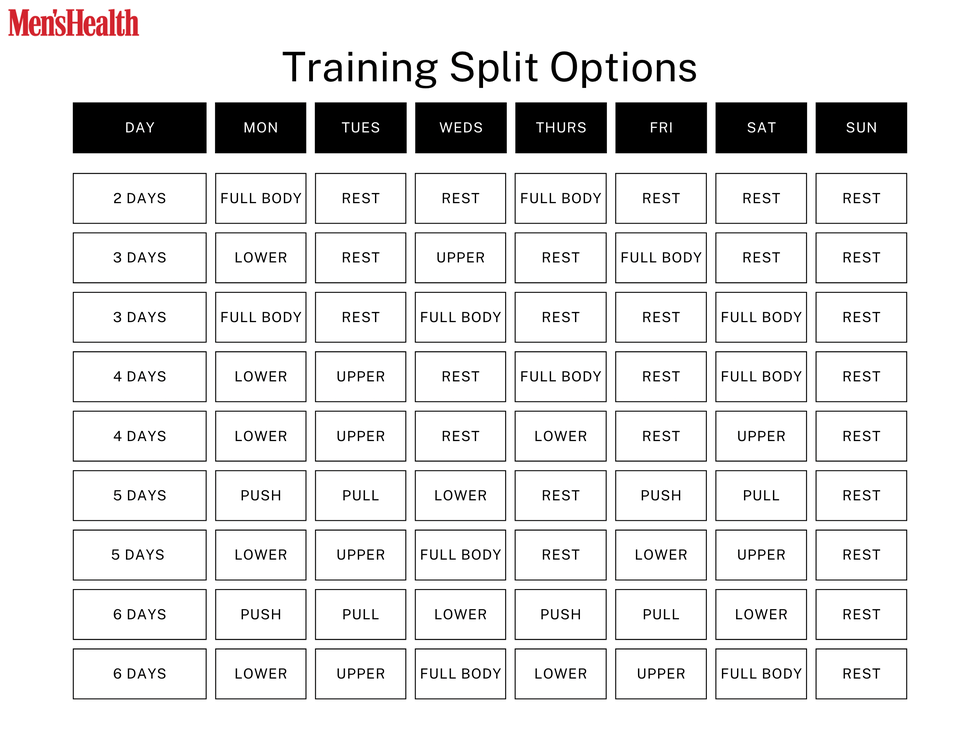
Some people believe working out daily is best. Muscles need rest to grow. Skipping rest days can slow progress. It might increase the risk of injury.
Plan rest days in your routine. Allow muscles to recover. This supports growth and strength.
Ignoring Individual Differences
Each person is unique. What works for one might not work for another. Factors like age, gender, and fitness level matter.
Listen to your body. Adjust workout time based on personal needs. Seek advice from a fitness professional if unsure.
Tips For Effective Workouts
Building muscle requires more than just lifting weights. A strategic approach can enhance your workout sessions. Here are some tips to make your workouts more effective. These insights focus on setting realistic goals, tracking progress, and staying motivated.
Setting Realistic Goals
Start with clear, achievable goals for your muscle-building journey. Short-term goals help maintain focus. Break larger goals into smaller, measurable milestones. This makes progress feel tangible and rewarding. Adjust your goals as needed to reflect your progress and challenges.
Tracking Progress
Keep track of your workouts and progress. Use a journal or app for consistency. Note down weights, reps, and sets for each session. Tracking helps identify patterns and areas needing improvement. This approach provides motivation and a sense of accomplishment.
Staying Motivated
Motivation is key to consistent workouts. Find workout buddies for support and accountability. Listen to motivating music or podcasts during sessions. Celebrate small achievements to keep spirits high. Remember, progress takes time, but every step counts.

Credit: www.setforset.com
Credit: www.menshealth.com
Frequently Asked Questions
What Is The 3/2/1 Rule In Gym?
The 3/2/1 rule is a workout structure. It involves three minutes of cardio, two minutes of strength training, and one minute of core exercises. This method boosts heart rate, builds muscle, and strengthens the core, offering a balanced and efficient gym session.
Is Lifting For 2 Hours Too Long?
Lifting for 2 hours can be excessive. Optimal sessions are typically 45-60 minutes. Long workouts risk fatigue and overtraining. Quality over quantity is key for effective results. Listen to your body and ensure proper recovery. Tailor workout length to personal goals and fitness level.
What Is The 2 2 2 Rule In The Gym?
The 2 2 2 rule in the gym suggests increasing weight after performing 2 more reps than your target for 2 consecutive workouts. This approach helps in progressive overload, enhancing strength and muscle growth. It ensures gradual and safe advancement in your fitness routine.
What Is The 3-3-3 Rule In The Gym?
The 3-3-3 rule in the gym involves performing three exercises, with three sets of each, and three minutes of rest between sets. This approach helps in building strength and endurance efficiently. It is a popular method for structuring workouts to maximize results and maintain consistency.
Conclusion
Finding the right workout length is key for muscle growth. Each person is different, so listen to your body. A session of 45 to 60 minutes usually works well. Shorter workouts can be effective if you focus on intensity. Longer workouts may lead to fatigue, affecting performance.
Balance your routine with rest days for recovery. Consistency and dedication are crucial. Keep your goals in mind and adjust as needed. Progress takes time, but the results are worth it. Stay committed to your fitness journey and enjoy the process.
Healthy habits lead to lasting muscle gains.