Have you ever walked into a gym and wondered just how many people share the same space? If you’re curious about the number of members a typical gym has, you’re not alone.
Understanding gym membership statistics can give you insights into the fitness industry and help you make informed decisions about your own fitness journey. Imagine knowing when the best time to hit the gym is or what makes some gyms more popular than others.
This information could transform your workout experience, helping you avoid crowds and maximize your fitness goals. Dive into this article to discover the intriguing world of gym memberships and see how your local gym stacks up against the norm. You might just uncover surprising details that could change the way you view your fitness routine forever.
Credit: gymdesk.com
Gym Size And Capacity
Understanding gym size and capacity helps gauge its membership numbers. Different gyms cater to varying numbers of members based on their size. This can influence your choice of gym.
Small Gyms
Small gyms usually host fewer than 500 members. They often focus on personal training and community feel. Space is limited, so equipment variety may be less. These gyms offer a quieter workout environment.
Medium Gyms
Medium gyms accommodate between 500 and 2,000 members. They balance between personalized service and diverse equipment. These gyms offer a wider range of facilities compared to small gyms. They usually have group classes and more workout options.
Large Gyms
Large gyms can host over 2,000 members. They provide extensive facilities and a variety of classes. Expect a vast array of equipment and amenities. These gyms often feature pools, saunas, and cafes. They cater to diverse fitness needs and preferences.
Membership Trends
Understanding gym membership trends helps in planning and resource allocation. Gyms often observe changes in membership numbers based on various factors. These trends can provide valuable insights for gym owners and managers.
Seasonal Variations
Gyms typically see a surge in memberships in January. The New Year brings resolutions, with many aiming to get fit. This trend often declines by spring. Summer months usually see a decrease in gym attendance. Vacations and outdoor activities take precedence. The cycle often repeats in the fall with another rise. People prepare for the holiday season, wanting to look their best.
Age Demographics
The age group of 20-40 years dominates gym memberships. They often seek a fit lifestyle and stress relief. Seniors, aged 60 and above, also form a significant group. They focus on maintaining health and mobility. Teenagers and young adults join for sports training and social reasons.
Peak Hours
Gyms are busiest in the early morning hours. Many people prefer working out before their day starts. Evening hours also witness high attendance. After work, individuals find it convenient to exercise. Midday hours tend to be quieter. This is a great time for those seeking a less crowded environment.
Urban Vs. Rural Gyms
Urban gyms often boast larger memberships due to dense populations. Rural gyms usually cater to fewer members, reflecting local community sizes. The number of gym members varies greatly based on location and population.
Urban vs. Rural Gyms Urban and rural gyms differ significantly in terms of membership numbers. Factors like location, population density, and community involvement influence these differences. Understanding these elements can help gym owners make informed decisions.Population Density Impact
Urban areas have higher population density. This results in more potential gym members. City gyms often boast larger memberships due to the sheer number of people. Accessibility and convenience play major roles. Public transport and proximity to work or home make urban gyms more attractive. Rural gyms face a different scenario. Lower population density means fewer potential members. Travel distance can be a barrier. People may need to drive longer distances to reach these gyms. This can limit membership growth.Community Influence
Community ties strongly influence rural gym memberships. People in rural areas often have closer community connections. Social aspects become crucial for rural gyms. Events, classes, and group activities can enhance membership appeal. Urban gyms rely less on community bonds. They focus on providing diverse services and facilities. This caters to the varied interests of city dwellers. Offering specialized classes and modern equipment attracts urban members. In both settings, understanding local needs is essential. Tailoring services to match community preferences can boost membership.
Credit: gymdesk.com
Factors Affecting Membership Numbers
Membership numbers in gyms vary due to location, size, and amenities. Urban gyms often have more members than rural ones. Facilities like pools or classes attract more joiners, influencing overall membership.
Understanding the factors that influence gym membership numbers can offer valuable insights into the fitness industry. It’s not just about having the latest equipment or a catchy slogan. The number of members a gym attracts depends on several critical factors that can either boost or limit its growth.Location
Location is a game-changer in attracting gym members. A gym situated in a bustling urban area with easy access to public transportation can draw in more fitness enthusiasts. Consider your own neighborhood—how far would you travel for a workout? Gyms in suburban areas might rely heavily on word-of-mouth and local marketing to increase their memberships. Proximity to residential areas can significantly impact the number of walk-in clients and ongoing memberships.Facilities Offered
The facilities a gym offers can make or break its membership numbers. Think about the amenities that would make you excited to join a gym. Pools, saunas, and state-of-the-art equipment add value and attract diverse clientele. Some gyms might offer specialized classes or personal training, appealing to niche markets like yoga enthusiasts or bodybuilders. The broader the range of facilities, the more likely a gym is to cater to varied fitness goals.Pricing Strategies
Pricing is a critical factor in determining membership numbers. A well-thought-out pricing strategy can make a gym accessible to a broader audience. Gyms offering flexible membership plans, discounts, or family packages tend to attract more members. Consider your budget—would a pay-as-you-go model or a long-term commitment influence your decision to join? Competitive pricing, aligned with the facilities offered, can turn potential members into regulars. Understanding these factors can guide you in choosing the right gym or even influence how a gym operates. What factors would make you commit to a gym? Your choices might just reflect the broader trends shaping gym memberships today.Global Gym Membership Statistics
Understanding global gym membership statistics provides insights into fitness trends worldwide. Gyms play a crucial role in promoting health and wellness. The number of members varies greatly across regions and markets. These statistics help in recognizing growth patterns and preferences.
Regional Comparisons
Gym membership numbers differ significantly by region. In North America, gyms typically have many members. Urban centers often boast larger facilities. Europe shows diverse membership trends. Western countries have higher membership rates. Eastern regions are catching up quickly. Asia presents a mixed picture. Cities like Tokyo and Seoul have bustling gyms. Rural areas see less membership. Australia’s fitness culture is strong. Many residents are gym members. In South America, membership is growing steadily. Major cities lead the way.
Market Growth
The global fitness market is expanding rapidly. More people are joining gyms each year. Health awareness drives this growth. Technology also plays a role. Apps and wearable devices encourage exercise. Gyms adapt to these changes. Offering classes and new equipment attracts members. Emerging markets are key areas of growth. Countries like India and China see rising numbers. Economic development supports gym expansion. The fitness industry evolves with consumer demands.

Credit: www.exercise.com
Emerging Trends In Gym Membership
Exploring gym membership trends reveals that a typical gym hosts around 1,000 to 5,000 members. This number varies based on location, size, and services offered.
Emerging trends in gym membership reflect the changing fitness landscape. With technology advancements, gyms are adapting to cater to diverse needs. People now seek flexibility and specialized programs. These trends are shaping how gyms attract and retain members.Virtual Fitness Options
Virtual fitness is gaining popularity. Gyms offer online classes and workouts. Members can join from home or anywhere. This convenience appeals to busy individuals. Live-streaming classes provide real-time interaction. Recorded sessions allow flexibility in scheduling. Virtual options expand gym reach beyond physical locations.Specialized Fitness Programs
Specialized programs cater to specific interests. They offer unique experiences to attract niche audiences. Options include yoga, pilates, and martial arts. These programs provide focused training and community. Personalized coaching enhances member satisfaction. Gyms create tailored programs for different age groups and fitness levels. This diversity helps retain and engage members.Frequently Asked Questions
How Many Members Do Gyms Have On Average?
Gyms typically have 1,000 to 3,000 members on average. Membership numbers vary based on location and gym size. Popular urban gyms might exceed these averages, while smaller or rural gyms often have fewer members. Factors like amenities, pricing, and marketing influence membership counts.
How Many People On Average Go To The Gym?
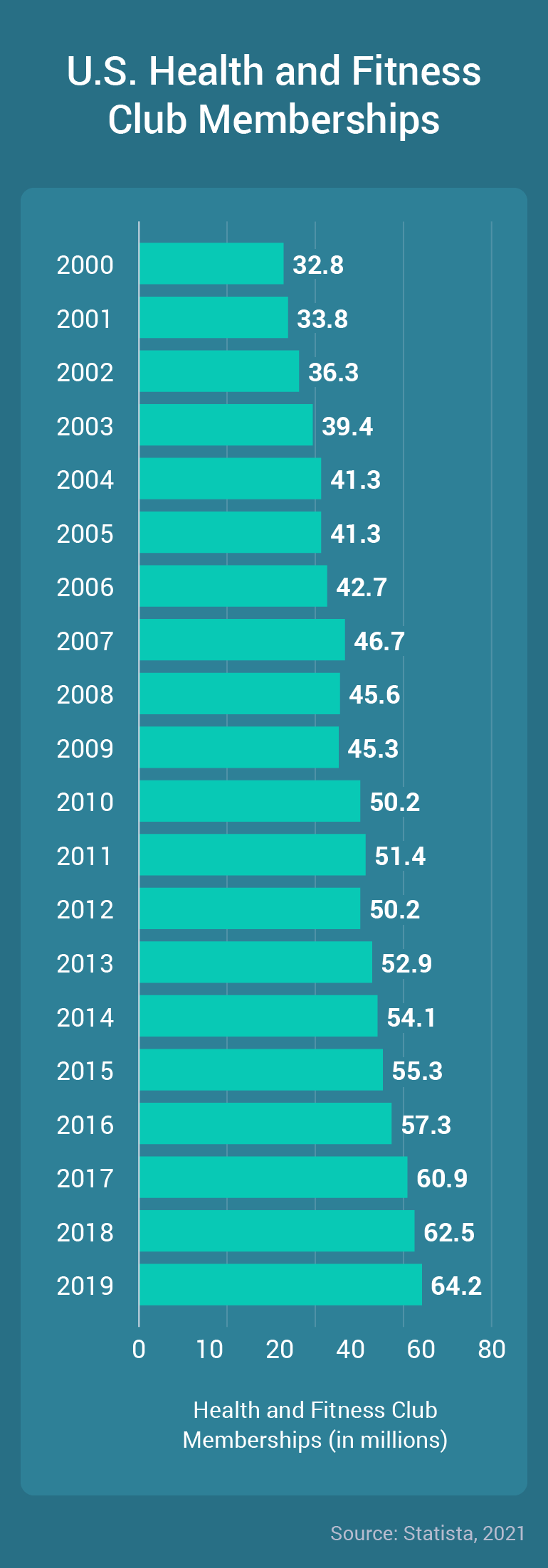
Around 50 million Americans go to the gym regularly. On average, 15% of the population holds a gym membership. Attendance varies by location and season. Gyms see more visitors in January due to New Year resolutions.
Is 50 A Lot For A Gym Membership?
A $50 gym membership is average. Prices vary by location, amenities, and facilities. Consider your budget and goals.
What Is The Average Size Of A Gym?
The average gym size ranges from 3,000 to 4,000 square feet. Small gyms typically measure around 1,000 square feet, while larger gyms can exceed 20,000 square feet. Factors like location, target audience, and services offered influence gym size.
Conclusion
Understanding gym memberships helps you find the right fit. Gyms vary in size and capacity. Some have hundreds of members. Others have thousands. Knowing this can guide your decision. Larger gyms offer more equipment. Smaller ones might provide a personal feel.
Choose based on your needs and preferences. Consider location, amenities, and member count. This helps in making an informed choice. Keep these factors in mind. Find a gym that matches your lifestyle. Enjoy your fitness journey.