Ever find yourself staring at the gym equipment, wondering how many reps you need to crank out to finally see some muscle growth? You’re not alone.
With so much conflicting advice out there, it can be downright confusing to figure out the perfect number for building muscle. But don’t worry, because we’ve got the answers you need. This guide will cut through the noise and give you clear, actionable advice tailored just for you.
Imagine transforming your workouts from frustrating guesswork to effective muscle-building sessions. Ready to stop spinning your wheels and start seeing real results? Keep reading to discover how you can optimize your reps for maximum muscle gain.
The Science Of Muscle Growth
Understanding the science of muscle growth helps in effective workouts. Muscle growth involves complex processes within your body. It’s not just about lifting heavy weights. It’s about understanding how muscles grow and repair. This section explores the science behind building muscle. Learn the role of repetitions in muscle building.
Muscle Hypertrophy Explained
Muscle hypertrophy is the increase in muscle size. It happens when muscle fibers grow thicker. This growth is a response to exercise stress. Your muscles repair and grow stronger after workouts. This process involves protein synthesis. Your body builds new proteins to repair damaged fibers. Consistent workouts lead to noticeable muscle growth.
Role Of Repetitions In Muscle Building
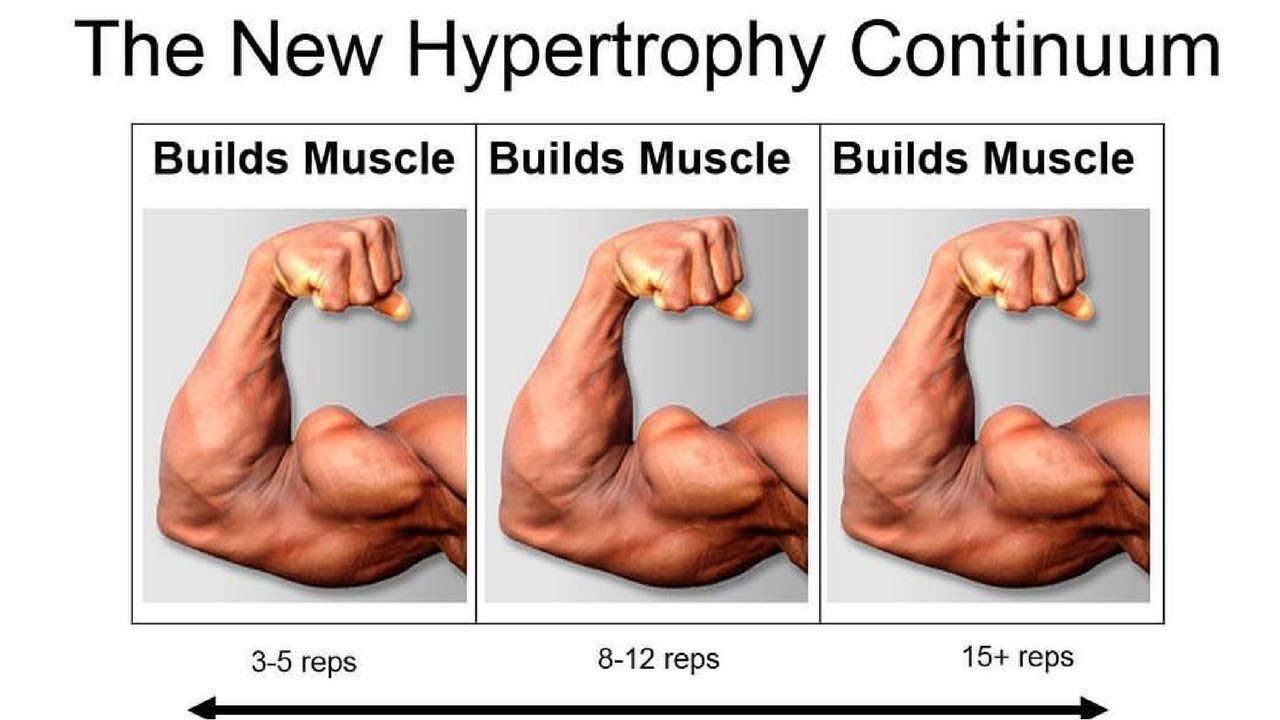
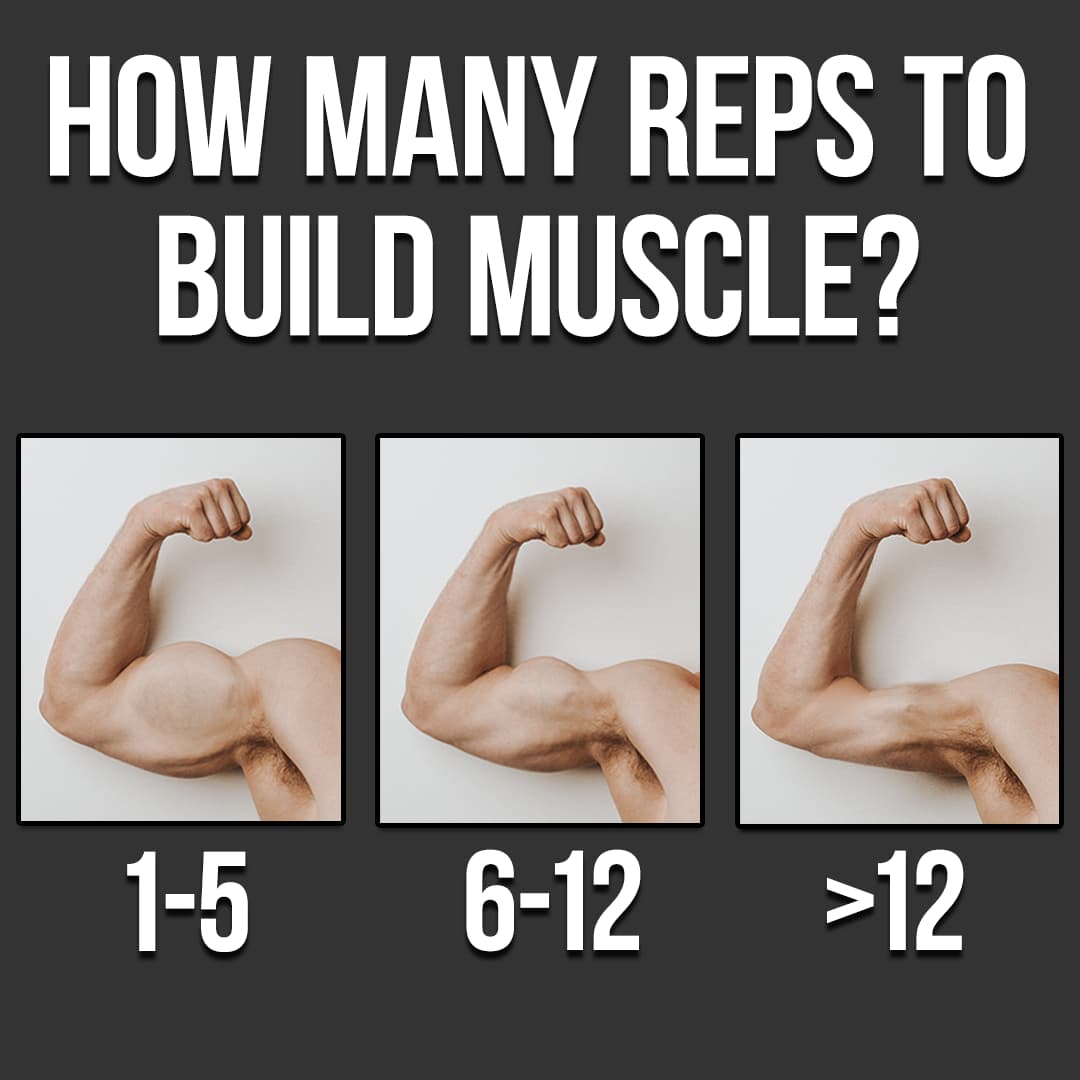
Repetitions, or reps, are crucial for muscle growth. They determine the stress level on your muscles. Low reps with heavy weights increase strength. High reps with lighter weights enhance endurance. For muscle growth, a moderate rep range is ideal. Aim for 6 to 12 reps per set. This range balances strength and endurance. It promotes optimal muscle growth. Adjust reps based on your fitness goals.
Reps And Sets For Beginners
Building muscle starts with understanding reps and sets. Beginners often wonder about the ideal number of reps. Typically, 8-12 reps per set is effective for muscle growth. This range helps stimulate muscle fibers while ensuring proper form and control. Adjust as needed for personal goals and fitness levels.
Building muscle can be a transformative journey, especially for beginners. Understanding how many reps and sets you should perform is crucial to making progress. If you’re just starting out, it can feel like you’re navigating a maze of information. But don’t worry, we’re here to simplify it for you. Let’s break down reps and sets in a way that makes sense and can be put into action today.Understanding Rep Ranges
When you’re new to weightlifting, understanding rep ranges is essential. A rep, short for repetition, is one complete movement of an exercise. For muscle growth, focus on performing 8-12 reps per set. This range strikes the right balance between strength and endurance, making it ideal for building muscle. Picture this: you’re lifting a weight. By the eighth rep, you should feel challenged but not exhausted. By the twelfth rep, your muscles should be tired, but you should still be able to maintain good form. This ensures you’re working your muscles effectively without risking injury. Are you finding it too easy or too difficult? Adjust the weight accordingly. The goal is to feel the burn, not pain. Consistently hitting this rep range will help you grow stronger over time.Ideal Sets For Novices
Now, let’s talk about sets. A set is a group of consecutive repetitions. For beginners, starting with 2-3 sets per exercise is recommended. This allows you to practice form while building endurance. Start with two sets if you’re new to the gym. As you become more comfortable, add a third set. This gradual increase helps prevent fatigue and allows your body to adapt. Imagine doing a bench press: complete 8-12 reps, rest, and repeat the cycle for two sets. If you feel good, try a third set. But always listen to your body. It’s better to do fewer sets with perfect form than to overdo it and risk injury. Feeling unsure about your progress? Track your sets and reps. This keeps you accountable and motivated. Plus, seeing improvement on paper is incredibly rewarding. So, how many reps and sets will you commit to today to start building muscle effectively?Intermediate And Advanced Techniques
Intermediate and advanced lifters often seek methods to enhance their routines. Moving beyond basic techniques can stimulate further muscle growth. Understanding advanced strategies can optimize results for strength and size.
Progressive Overload Strategies
Progressive overload involves gradually increasing the difficulty of workouts. This method ensures consistent muscle growth and adaptation. Lifters can increase weights, reps, or intensity over time. Tracking progress is essential in this technique. It helps identify when to push boundaries.
Changing the type of exercises also contributes to progressive overload. This variety challenges muscles in new ways. Rest intervals between sets can be adjusted as well. Shorter rests can increase intensity. Longer rests can allow heavier lifts. Both methods offer distinct benefits.
Optimizing Reps For Strength And Size
Different rep ranges target different goals. For strength, aim for 4-6 reps per set. This range allows lifting heavier weights. It focuses on increasing power and muscle fiber recruitment.
For muscle size, 8-12 reps per set is ideal. This range encourages muscle hypertrophy. It uses moderate weights and volume. The higher reps create a longer time under tension.
Combining both rep ranges can offer balanced growth. This strategy enhances both strength and size. Adjusting reps according to goals keeps workouts effective. Consistency in this approach yields the best results.

Credit: gymaware.com
Different Goals, Different Reps
Setting goals in your muscle-building journey is crucial because different goals require different rep ranges. Whether you’re aiming for endurance or strength, the number of reps you perform can significantly impact your progress. Understanding these distinctions can help tailor your workouts to meet your specific objectives. Let’s dive into how you can adjust your reps based on your goals.
Building Endurance With High Reps
High reps are your best friends if you’re looking to build muscular endurance. Think about running a marathon versus a sprint; you’re training your muscles to endure longer periods of activity. Typically, performing 12-20 reps per set can help achieve this goal.
High-rep workouts often involve lighter weights. This approach allows you to focus on form and consistency, rather than lifting the heaviest weight possible. As you progress, you might find your stamina improves, allowing you to push through more reps with ease.
Have you ever tried pushing past the usual 10 reps? Notice how your muscles scream for a break? That’s endurance-building in action. The more you practice, the better your muscles adapt to longer durations of exertion.
Gaining Strength With Low Reps
If your goal is to gain strength, lower reps are the way to go. Strength training typically involves performing 4-6 reps per set with heavier weights. This method focuses on maximizing the force your muscles can exert.
Using heavier weights with fewer reps challenges your muscles to grow stronger. It’s about quality over quantity. You might be surprised how much strength you can gain with just a few intense reps.
Think about lifting a heavy box: you engage your muscles intensely but only for a short time. That’s what low-rep strength training does. Are you ready to test your limits and see how strong you can become?
Remember, your goals determine your path. Whether you’re building endurance or gaining strength, adjusting your rep range can make all the difference. What’s your muscle-building goal, and how do you plan to achieve it?
Combining Reps With Other Factors
Building muscle involves more than just lifting weights. Reps are a key factor, but they don’t work alone. Combining reps with other elements can enhance muscle growth. Let’s explore how rest, recovery, and nutrition play a crucial role.
Importance Of Rest And Recovery
Rest and recovery are vital for muscle growth. Muscles need time to repair after workouts. Without proper rest, muscles can’t grow efficiently. Adequate sleep helps muscles recover and strengthens them. Overworking muscles can lead to fatigue and injuries. Ensure you have rest days in your routine. Listen to your body and take breaks when needed.
Role Of Nutrition In Muscle Growth
Nutrition fuels muscle growth. Proteins are essential for muscle repair. Carbohydrates provide energy for workouts. Fats help in hormone production. Balanced meals support overall health and muscle development. Drink plenty of water to keep muscles hydrated. Nutrients from food aid in muscle recovery and growth. Consider supplements if your diet lacks certain nutrients.
Common Mistakes To Avoid
Choosing the wrong number of reps can hinder muscle growth. Many stick to a single rep range, limiting progress. Varying your reps can target different muscle fibers, enhancing growth.
Building muscle effectively requires more than just lifting weights. It’s about doing it smartly and avoiding common pitfalls that could hinder your progress. Let’s dive into the key mistakes you should steer clear of to make the most of your muscle-building journey.Overtraining And Its Consequences
Many believe that more is always better. But in muscle building, overtraining is a real risk. Pushing your body too hard without sufficient rest can lead to injuries and burnout. You might think working out every day is necessary to see gains, but rest days are crucial for muscle recovery and growth. Give your muscles time to repair, and you’ll see better results. Ask yourself: Are you giving your muscles the rest they need?Neglecting Form For Repetition Count
Chasing high rep counts can lead to compromised form. Focusing solely on numbers can cause you to overlook the quality of your movements. Poor form not only reduces effectiveness but can also lead to injuries. Imagine trying to squat with a heavy load while your knees buckle inward. Not only is this ineffective, but it’s also dangerous. Prioritize proper form to ensure each rep counts. Remember, it’s not about how many reps you can do, but how well you do them. Would you rather do 20 sloppy reps or 10 perfect ones that truly challenge your muscles? By avoiding these common mistakes, you set yourself up for a more effective and sustainable muscle-building routine. Make sure your efforts are truly benefiting your goals.Tailoring Your Routine
Tailoring your routine is key to building muscle effectively. Everyone’s body responds differently to workouts. What works for one may not work for another. Customizing your workout plan can help you achieve better results. It allows you to focus on your personal strengths and weaknesses.
Personalizing Your Workout Plan
Creating a personalized workout plan involves understanding your goals. Are you aiming for strength, size, or endurance? Each goal requires a different approach. For muscle growth, moderate reps with heavier weights work best. Aim for 8 to 12 reps per set. Adjust the weight so the last reps are challenging. Include a mix of exercises targeting different muscle groups. Consider your schedule and energy levels too. Consistency is crucial for progress.
Tracking Progress Effectively
Tracking your progress keeps you motivated. It also helps you identify what works and what doesn’t. Start by keeping a workout journal. Record the number of reps and sets for each exercise. Note how you feel during and after workouts. Regularly review your records. Adjust your plan based on the data. Include rest days in your routine for recovery. Rest is vital for muscle repair and growth.

Credit: www.youtube.com
Credit: citizenathletics.com
Frequently Asked Questions
Is 4 Sets Of 12 Reps Too Much?
Four sets of 12 reps may be suitable depending on your fitness level and goals. Beginners might find it challenging, while experienced individuals may find it effective. Listen to your body and adjust accordingly. Consult a fitness expert for personalized advice.
Is 3 Sets Of 20 Reps Too Much?
Three sets of 20 reps can be excessive, depending on your fitness level and goals. Beginners may find it intense. It’s important to listen to your body and ensure proper form to prevent injury. Adjust the number of sets or reps based on your individual needs and progress over time.
What Is The Best Rep Range For Muscle Growth?
For optimal muscle growth, aim for 6-12 reps per set. This range targets hypertrophy, stimulating muscle fibers effectively. It’s important to lift challenging weights that allow completion within this range. Adjust weight progressively as strength improves to continue muscle development and avoid plateaus.
How Many Reps Should Beginners Do?
Beginners should start with 8-12 reps per set. This range helps build strength and endurance while minimizing injury risk. It’s crucial to focus on proper form and controlled movements. Gradually increase intensity and volume as comfort and strength increase to ensure continuous progress.
Conclusion
Building muscle takes time and consistency. Focus on finding the right number of reps for your goals. Usually, 8 to 12 reps work well for muscle growth. Listen to your body and adjust as needed. Balance is key; don’t push too hard.
Remember, rest and nutrition are crucial too. Track your progress and stay patient. Each workout brings you closer to your goal. With dedication, you’ll see results. Keep lifting, stay motivated, and enjoy the journey. Embrace the process and celebrate small victories.
Your strength and muscles will grow over time.